
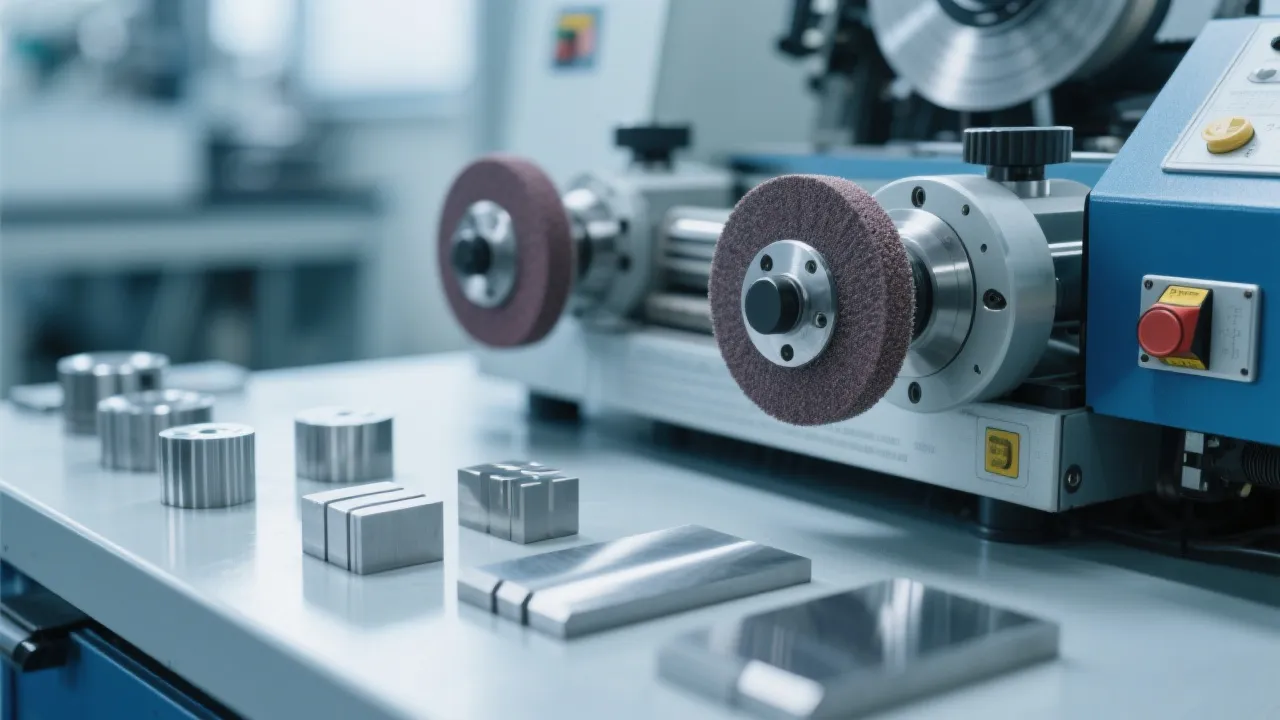
In the realm of international trade, the quality control of steel products has become a critical concern. With the increasing complexity of global supply chains, the accuracy of hardness testing has emerged as a key factor in ensuring product quality and compliance with international standards.
In international trade, steel quality control faces several core challenges. Firstly, different countries and regions have diverse standards and regulations for steel products. For example, the GB/T 231.2 standard in China sets specific requirements for hardness testing. Meeting these standards is crucial for steel exporters to avoid trade barriers and ensure product acceptance in the international market. Secondly, the traditional hardness testing methods may not be efficient enough to meet the high - volume and high - precision requirements of modern production and trade. This can lead to delays in product delivery and potential quality issues.
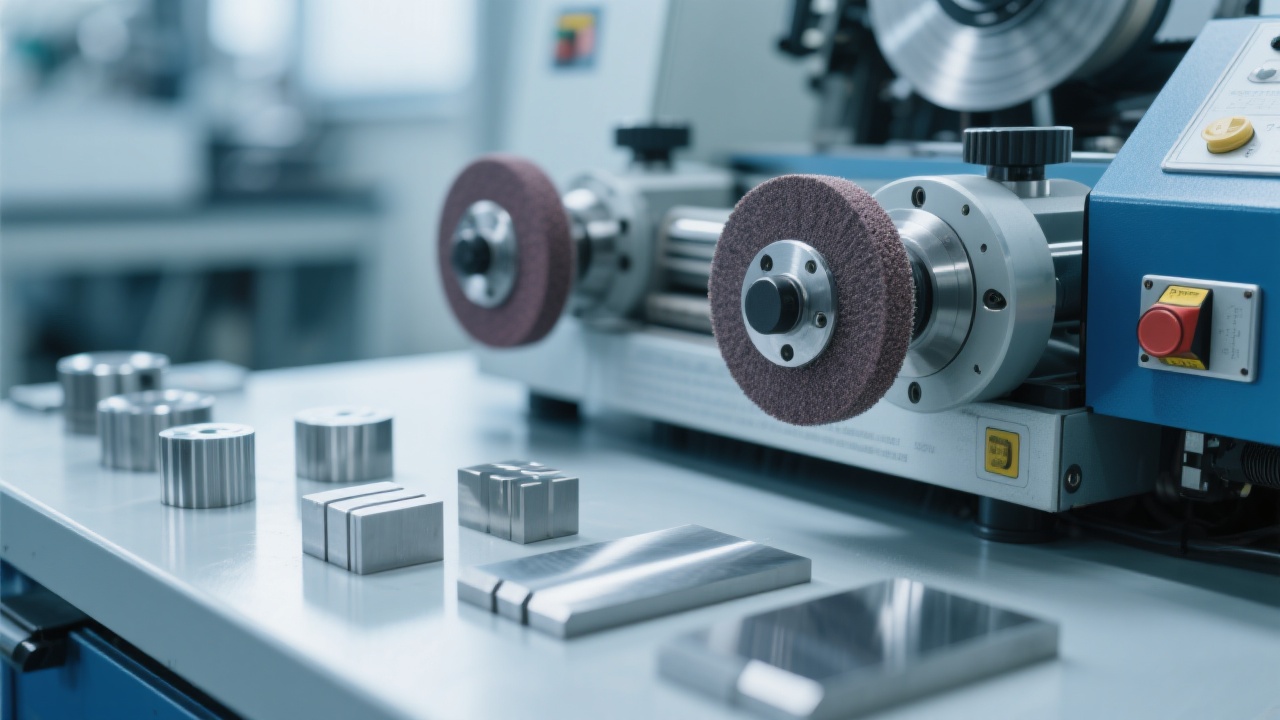
Brinell hardness testing technology has a long - standing history and has evolved to meet international standards such as GB/T 231.2. This technology is widely used in various stages of the steel supply chain. In the raw material acceptance stage, it helps to ensure that the incoming steel materials meet the required hardness specifications. During the production process, it can be used for in - process quality control to detect any potential hardness variations. At the final inspection stage, it provides a reliable measure of the product's overall quality.
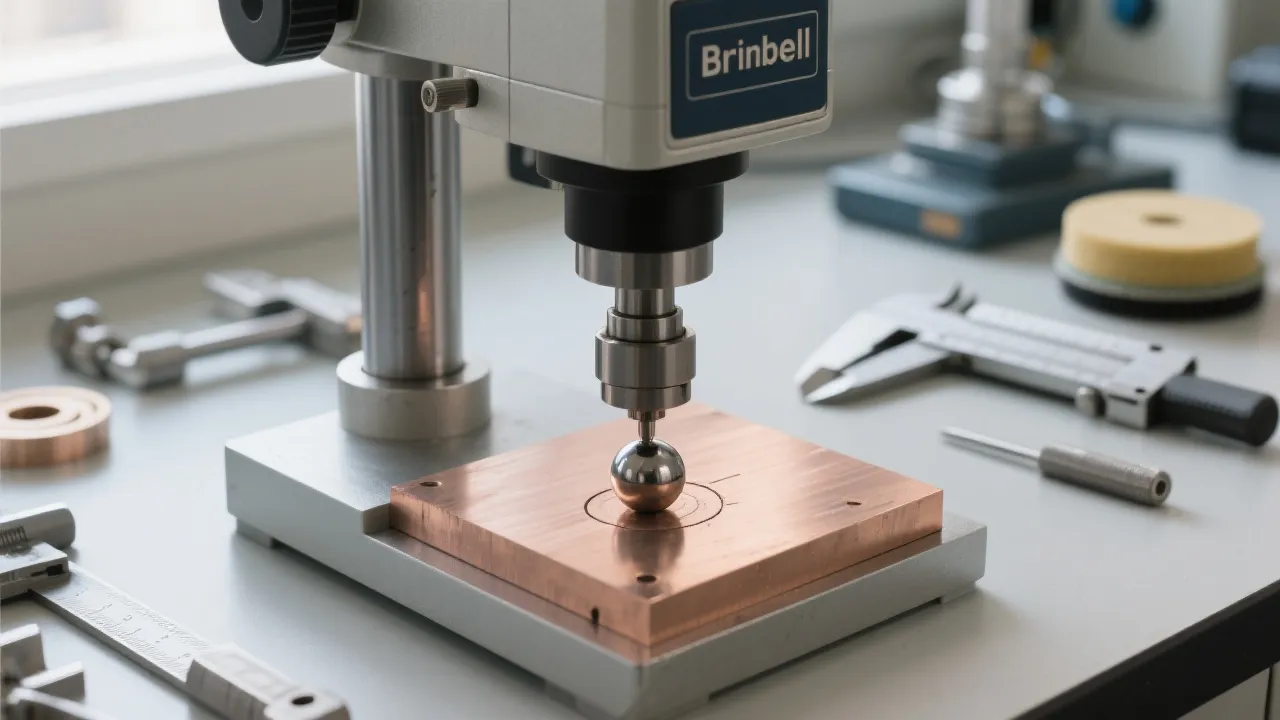
The Brinell hardness test works by indenting a hardened steel ball into the surface of the steel sample under a specific load. The diameter of the indentation is then measured, and the hardness value is calculated based on a standardized formula. The measurement range of Brinell hardness is typically from 100–650 HBW, which can cover a wide range of steel products.
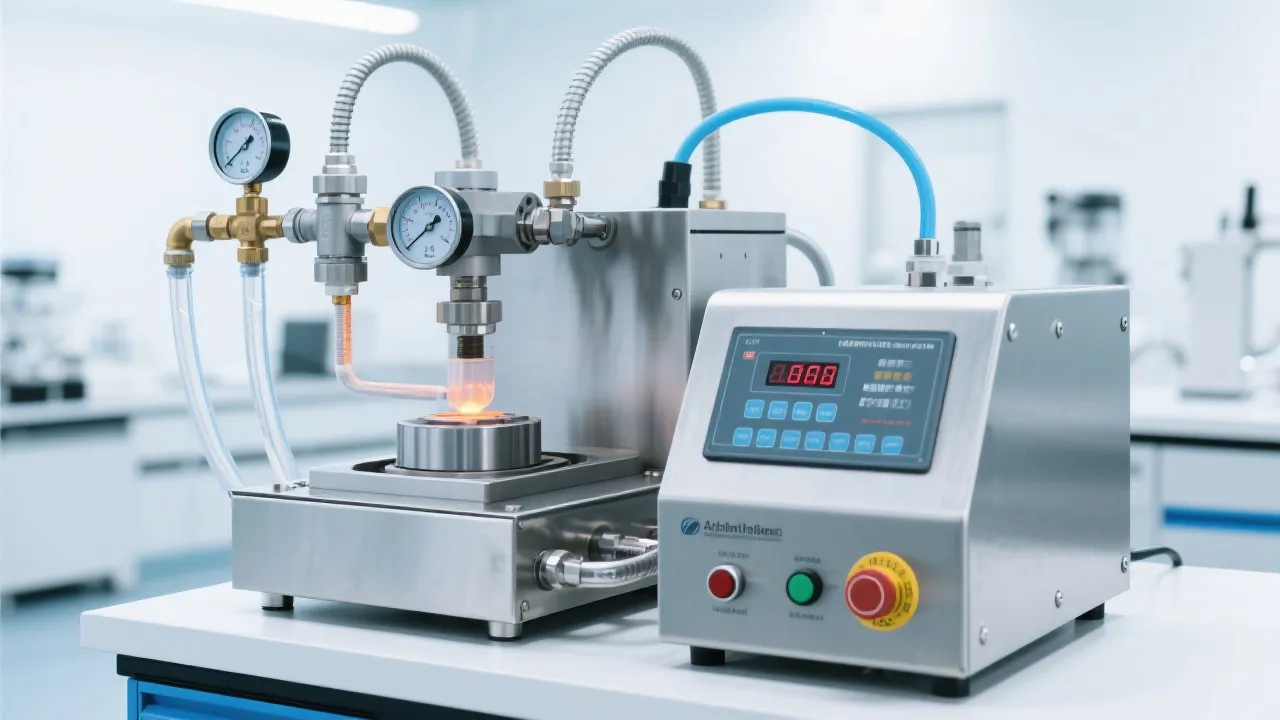
The HYB - 187.5 portable hardness tester, a product of Jincheng, offers several advantages in steel hardness testing. It features a magnetic design, which allows for easy and stable attachment to the steel surface, ensuring accurate and consistent measurements. The tester has a high - precision sensor and advanced data processing capabilities, which can quickly and accurately measure the hardness of steel products.
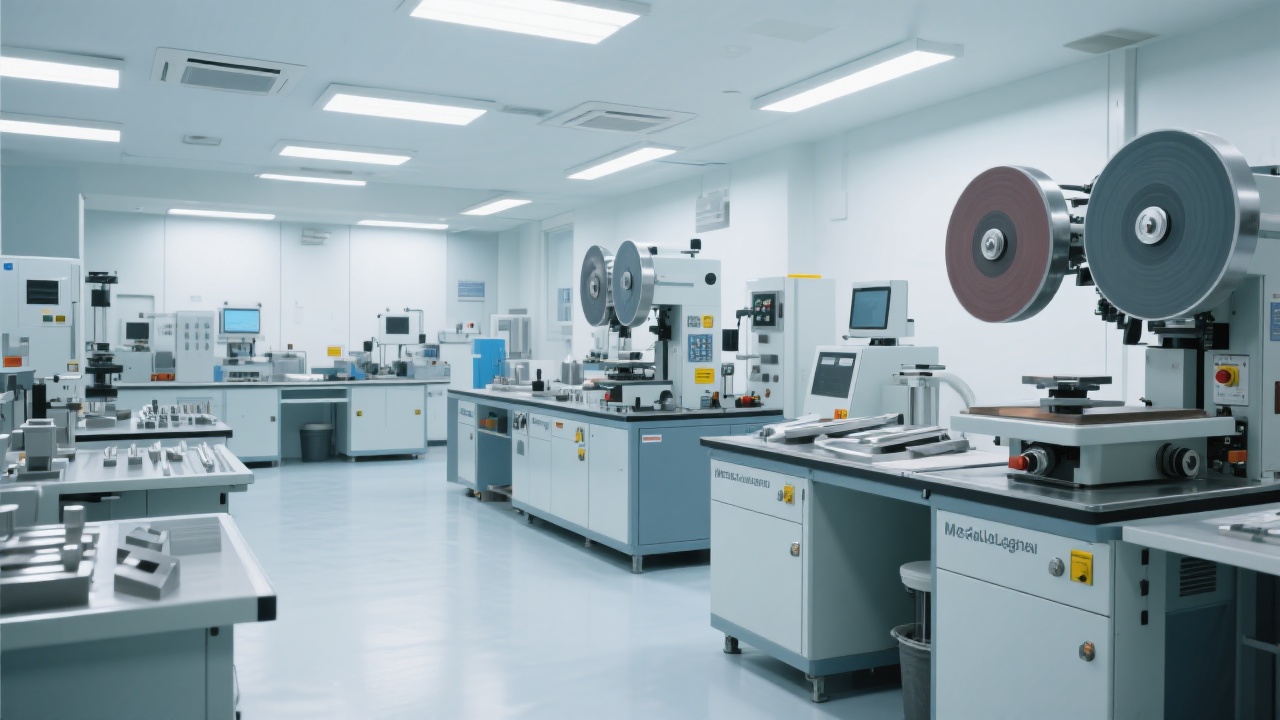
When comparing the Leeb hardness tester with the Brinell method, there are significant differences in accuracy. The Leeb hardness tester measures the hardness by the impact of a small striker on the material surface. While it is fast and convenient, its accuracy may be affected by factors such as the surface roughness and the impact angle. In contrast, the Brinell method provides more accurate and reliable results, especially for large - scale steel products. This difference in accuracy has a direct impact on export compliance. Using a more accurate testing method can help steel exporters meet the strict quality requirements of international customers and avoid potential disputes.
There are numerous real - world customer cases that demonstrate the effectiveness of the HYB - 187.5 portable hardness tester. For example, a steel manufacturing company in Europe used to face challenges in accurately measuring the hardness of their large - scale steel products. After adopting the HYB - 187.5 portable hardness tester, they were able to improve the efficiency of their quality control process by 30% and reduce the error rate in hardness measurement to less than 1%. This not only improved the quality of their products but also enhanced their competitiveness in the international market.
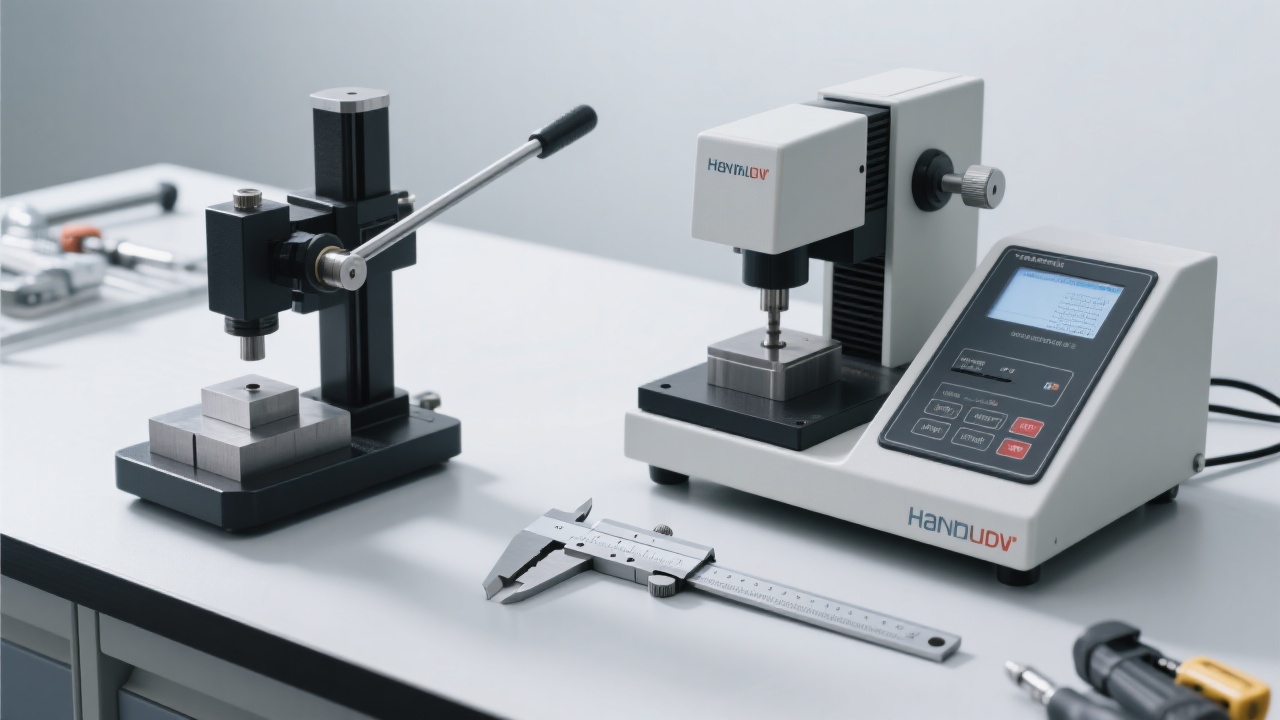
The latest industry policies play a crucial role in guiding the selection of hardness testing equipment. Governments and international organizations are constantly updating and tightening the quality standards for steel products. For example, some countries have introduced stricter regulations on the hardness requirements of steel used in construction and automotive industries. Therefore, steel manufacturers and exporters need to carefully select hardness testing equipment that can meet these regulatory requirements.
Looking ahead, the future of high - end hardness testing is characterized by the combination of intelligence and portability. Intelligent hardness testing equipment can automatically analyze and process test data, providing more accurate and detailed reports. Portable equipment allows for on - site testing, which is especially useful in large - scale manufacturing and construction projects. These trends will continue to drive the development of the steel hardness testing industry and help steel companies enhance their global competitiveness.
Are you looking for a reliable hardness testing solution for your steel supply chain? Click here to learn how to choose the right hardness testing solution for your business.
 48
|
48
|
 Industrial cutter safety startup process
New operator training guide
Cutter operation steps
Industrial equipment practical tutorial
Cutter alarm code interpretation
302
|
metallographic microstructure inspection
ASTM ISO metallography standards
metallographic sample preparation
microstructure quality control
heat treatment verification
170
|
metallographic image analysis
heat treatment quality control
microstructure defect identification
ASTM E3-11 standard
metallography software application
185
|
metal microstructure analysis
ASTM E3 standard
ISO 14104
microscopy best practices
laboratory intercomparison
265
|
metallographic mounting quality inspection
edge integrity test
ASTM E3-11 standard
ISO 3189 specification
metallographic sample preparation
Industrial cutter safety startup process
New operator training guide
Cutter operation steps
Industrial equipment practical tutorial
Cutter alarm code interpretation
302
|
metallographic microstructure inspection
ASTM ISO metallography standards
metallographic sample preparation
microstructure quality control
heat treatment verification
170
|
metallographic image analysis
heat treatment quality control
microstructure defect identification
ASTM E3-11 standard
metallography software application
185
|
metal microstructure analysis
ASTM E3 standard
ISO 14104
microscopy best practices
laboratory intercomparison
265
|
metallographic mounting quality inspection
edge integrity test
ASTM E3-11 standard
ISO 3189 specification
metallographic sample preparation


-1.jpg?x-oss-process=image/resize,m_fill,h_800,w_800/format,webp)


