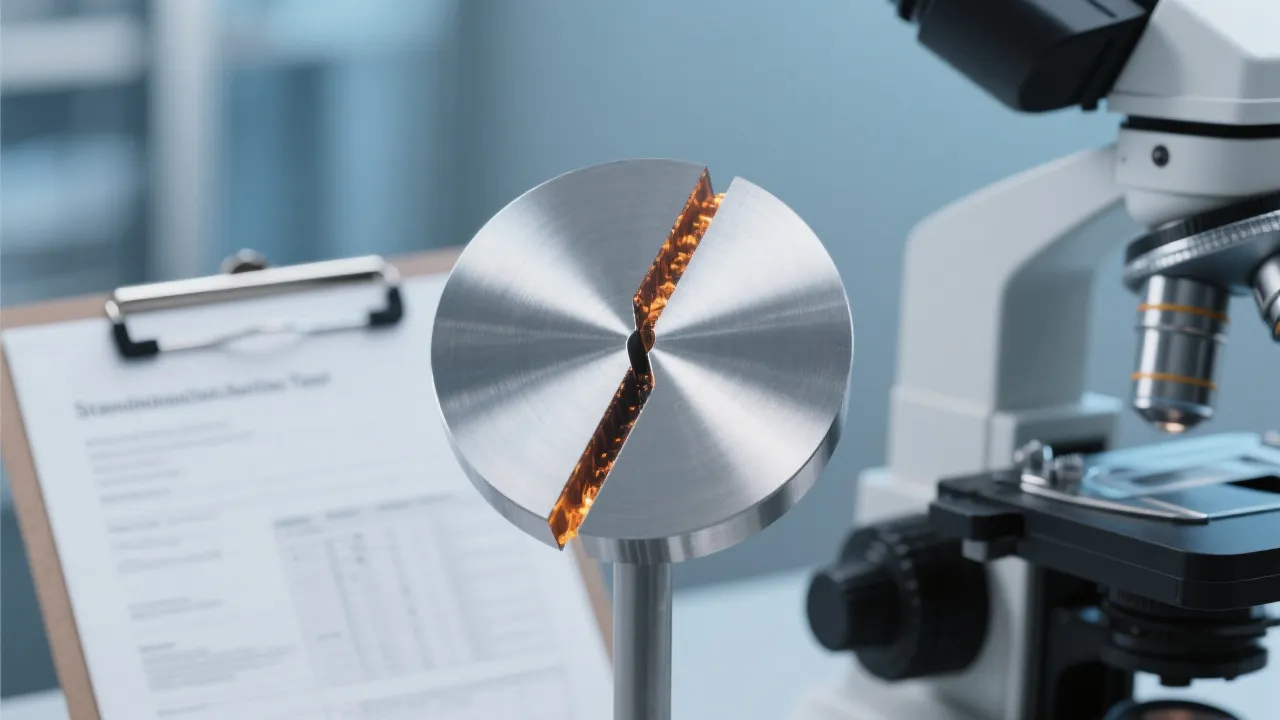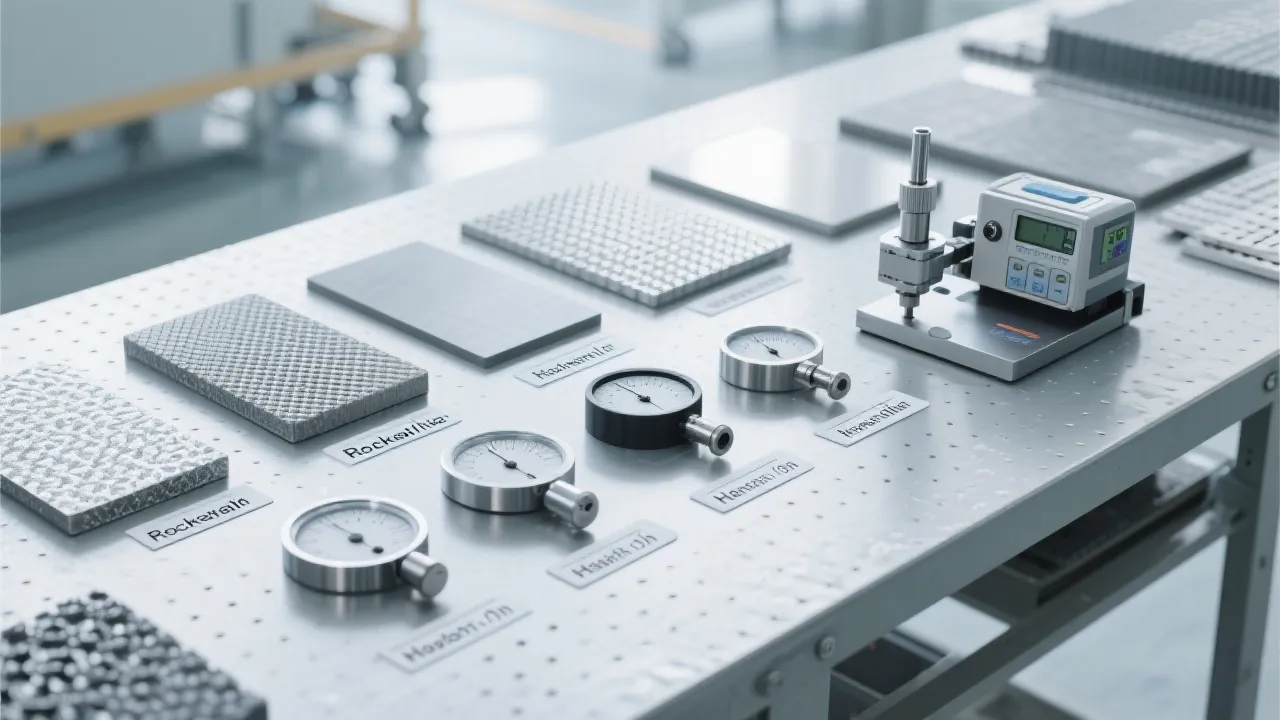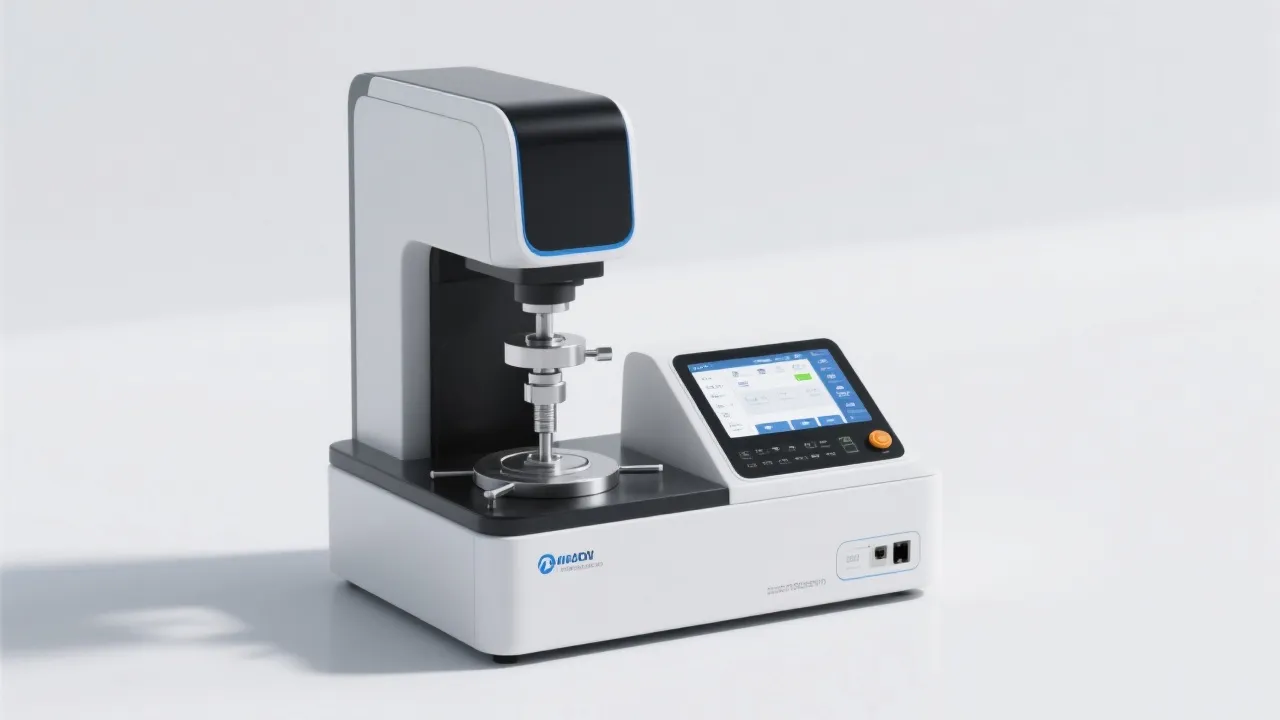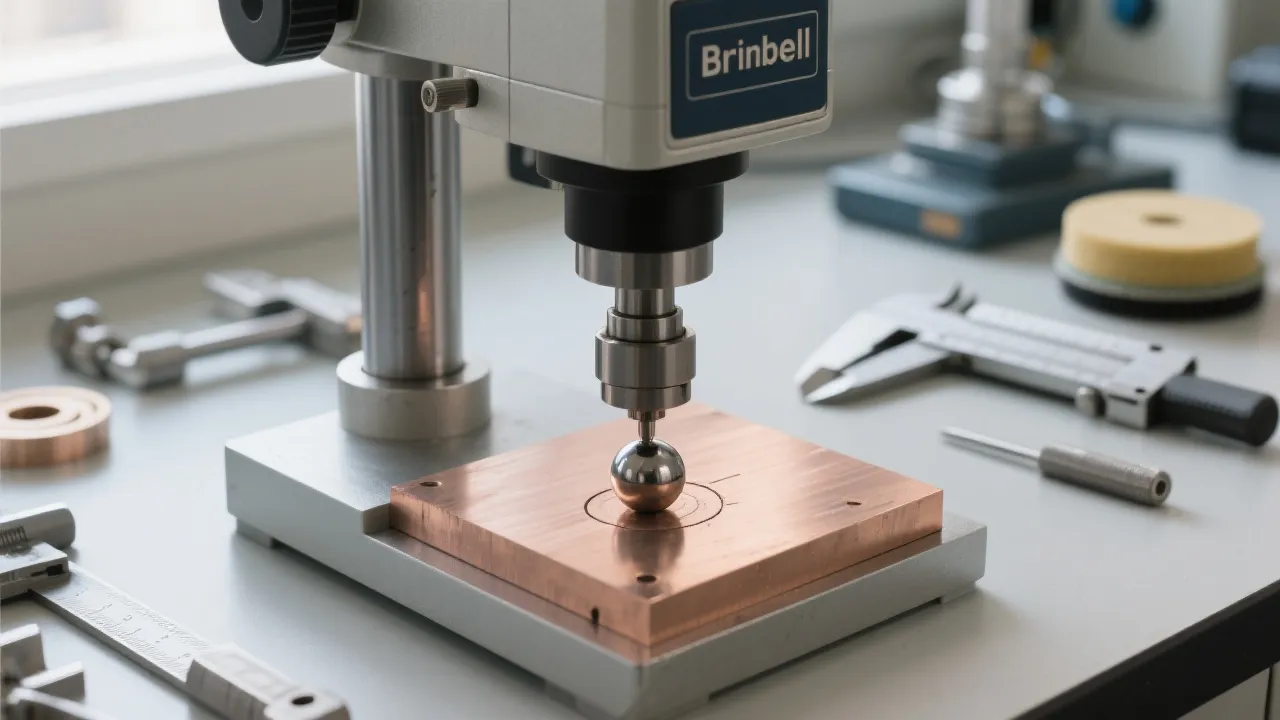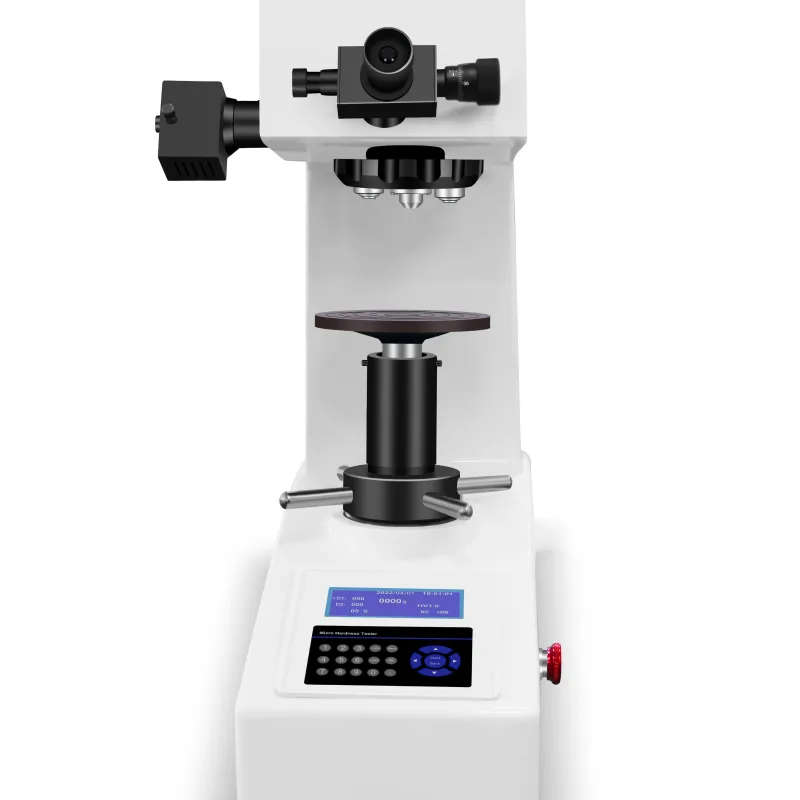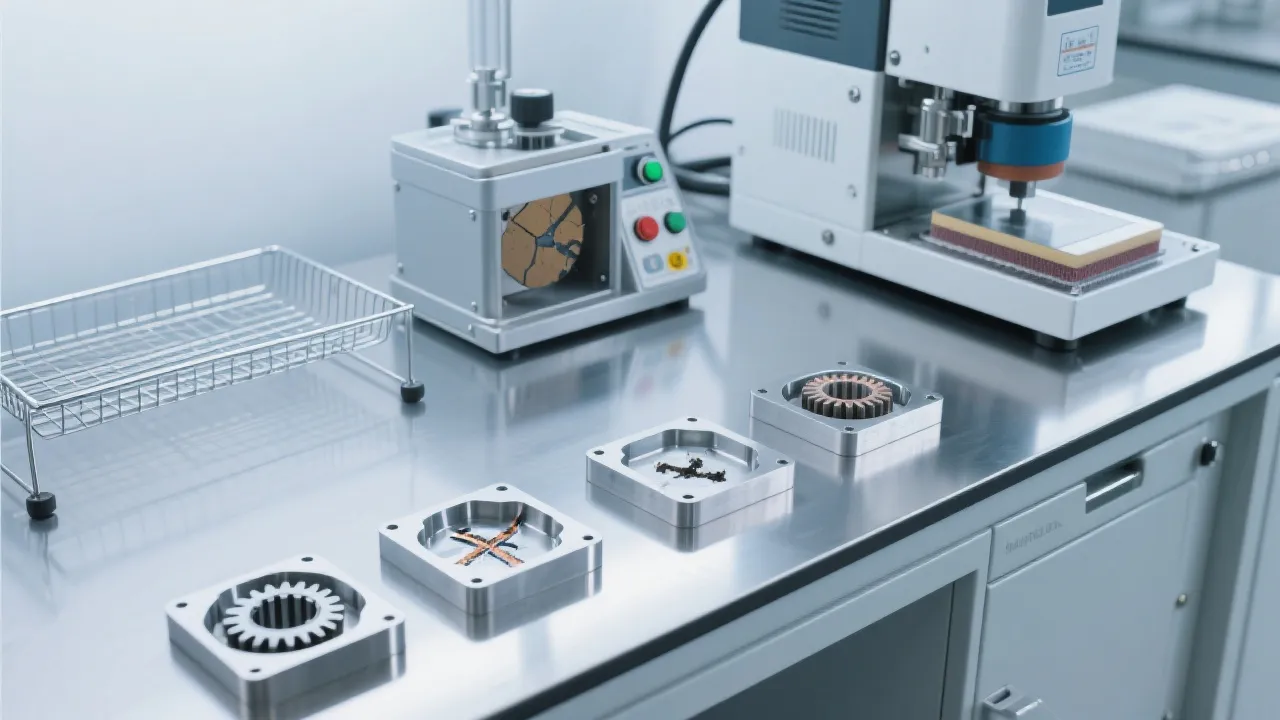
In international trade, steel hardness testing is a crucial step in ensuring quality consistency and compliance. This article delves into how Brinell hardness testing technology meets the requirements of the GB/T 231.2 international standard. It combines real - world application scenarios, such as raw material acceptance, production control, and final inspection, to illustrate the importance of high - precision equipment in enhancing the reliability of the supply chain.
In the context of international trade, the quality control of steel products has a rigid demand for hardness testing. With the increasing globalization of the steel market, ensuring the quality of steel is essential for both suppliers and buyers. Hardness is a key property of steel, which directly affects its performance and application in various industries. For example, in the automotive and aerospace industries, high - quality steel with specific hardness is required to ensure the safety and reliability of products.
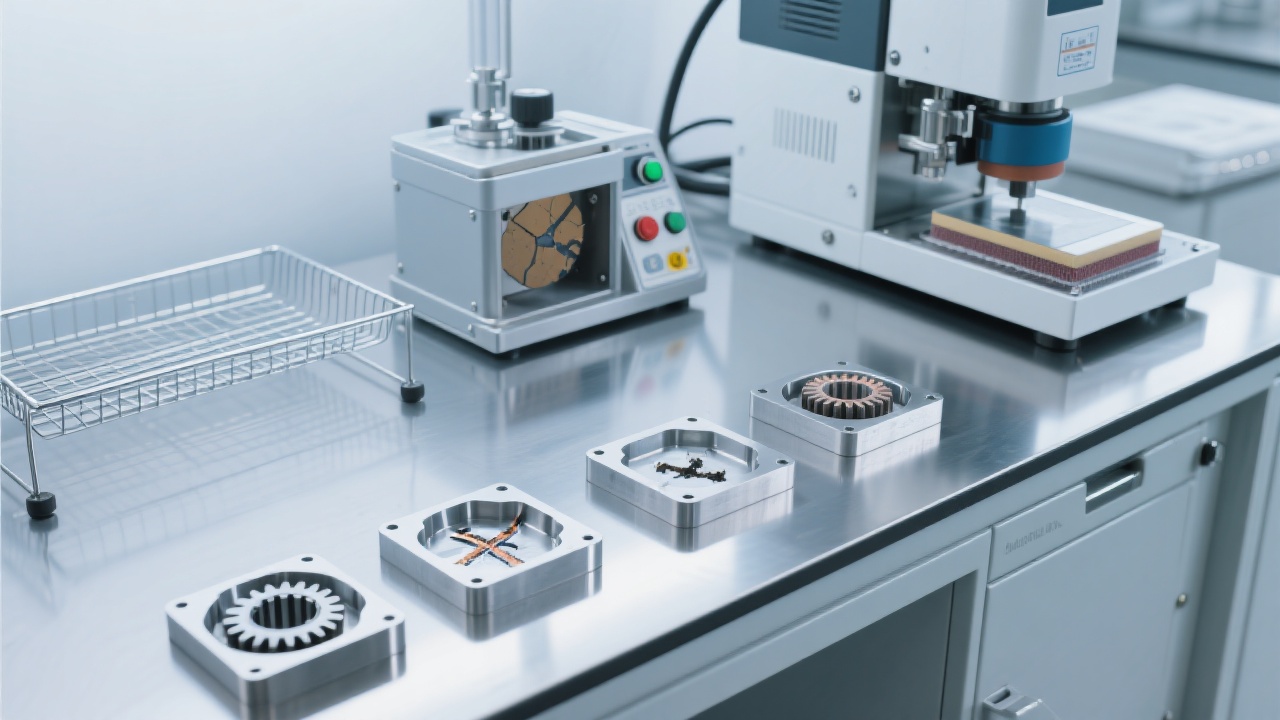
The GB/T 231.2 standard provides a set of scientific and standardized methods for steel hardness testing. It has wide applicability in the global market. This standard specifies the test methods, equipment requirements, and data processing methods for Brinell hardness testing. It ensures that the test results are accurate and comparable, which is conducive to international trade transactions. For example, when Chinese steel products are exported to Europe or America, the compliance with the GB/T 231.2 standard can enhance the credibility of the products.
Hardness testing plays different roles in each link of the steel supply chain. In the raw material acceptance stage, it helps to screen out sub - standard raw materials, ensuring the stability of the subsequent production process. During production control, hardness testing can monitor the quality of semi - finished products in real - time, and adjust the production process in time to ensure product quality. In the final inspection, it provides a reliable basis for product quality assessment. For example, in a steel manufacturing plant, by regularly testing the hardness of steel billets, the production process can be optimized to improve the overall quality of products.

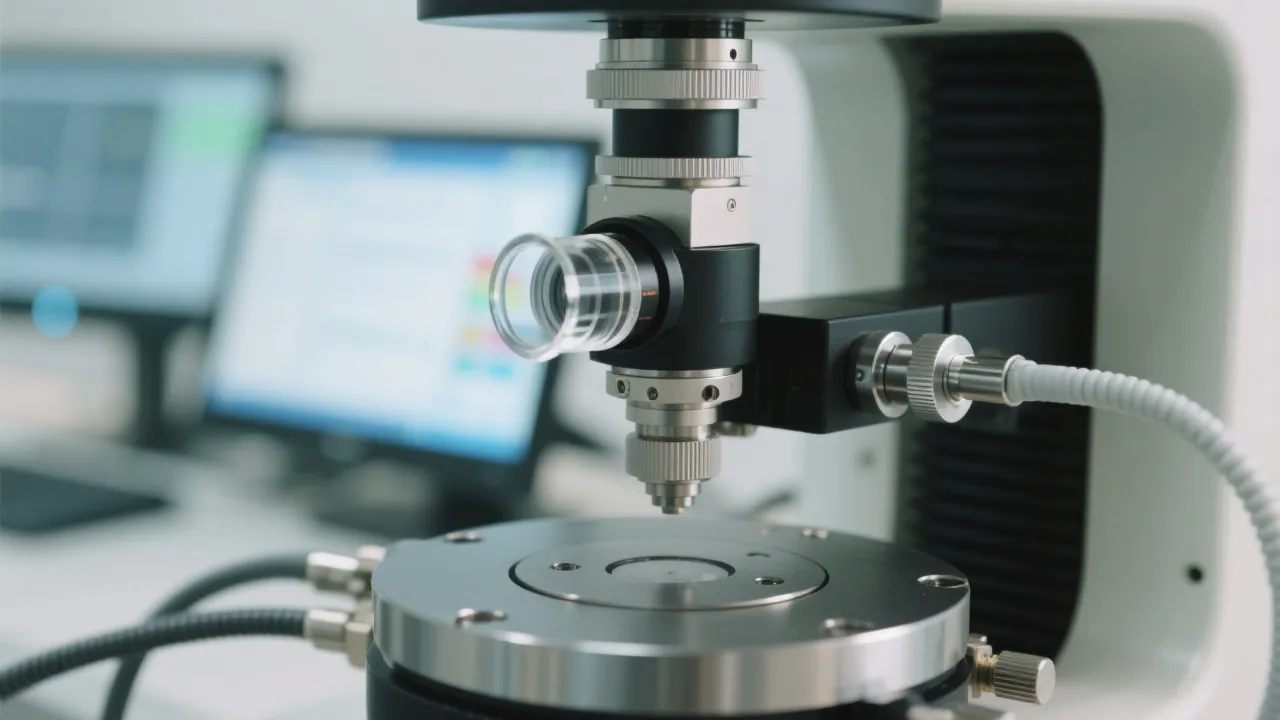
Compared with the traditional Leeb hardness tester, the Brinell method has higher accuracy and data credibility. The Leeb hardness tester is a dynamic testing method, which is affected by many factors such as the surface roughness and impact velocity of the test piece. In contrast, the Brinell method is a static testing method, which measures the indentation diameter after applying a certain load to the test piece. Its measurement range is generally from 100–650 HBW, which can provide more accurate and reliable hardness data.
There are many typical application cases that show how advanced equipment can improve the efficiency of enterprise procurement decisions and the stability of product quality. For example, a steel trading company uses advanced hardness testing equipment to test the hardness of incoming steel products. By obtaining accurate hardness data, it can make more scientific procurement decisions, avoid purchasing sub - standard products, and improve the overall quality of the products it sells.
The HYB - 187.5 portable Brinell hardness tester from Laizhou Jincheng has many core technical highlights. It features a magnetic design, which makes it easy to operate on the surface of steel products. It also has a wide measurement range and high - precision performance. This hardness tester is suitable for various application scenarios, such as on - site inspection in the workshop and field testing. Whether it is for raw material inspection or final product quality control, the HYB - 187.5 can play an important role.
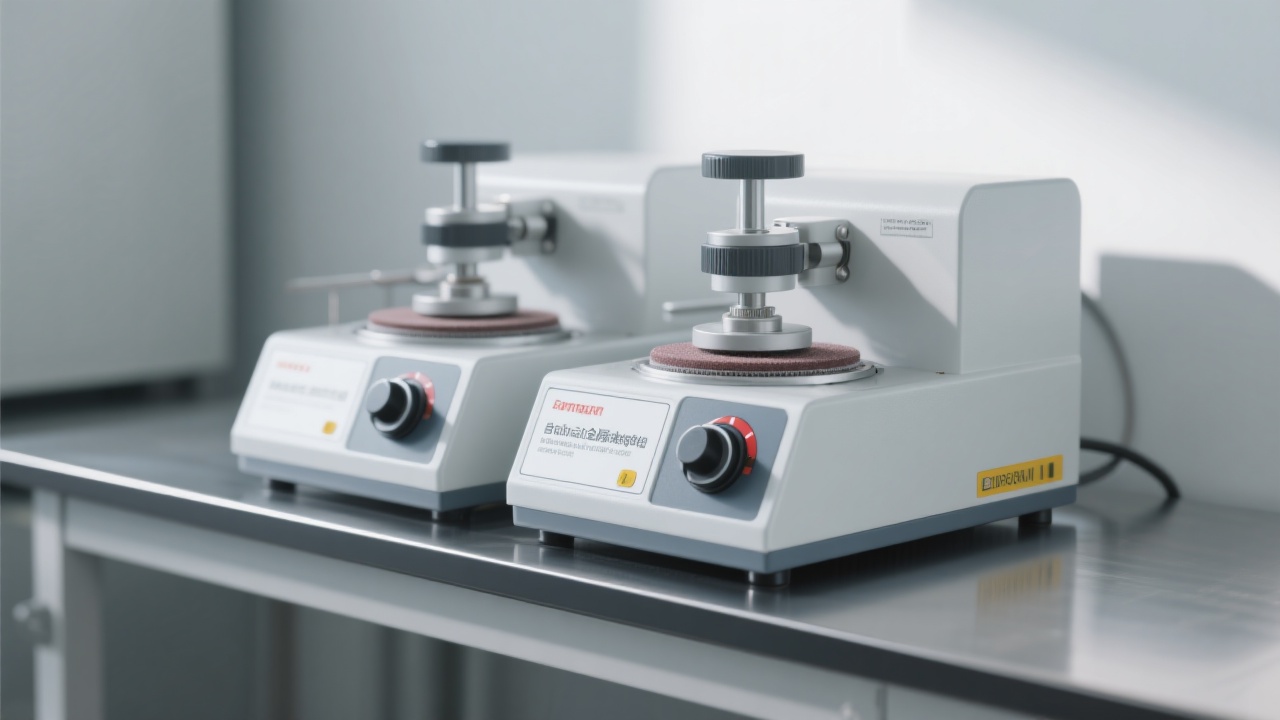
Industry policy changes often have an impact on the selection of testing equipment. As relevant standards become more and more strict, enterprises need to choose more advanced and accurate testing equipment to meet the requirements. For example, with the implementation of new environmental protection and quality standards, the requirements for steel hardness testing are also increasing. Enterprises should choose equipment that can meet the new standards and have good long - term stability. When purchasing testing equipment, enterprises should also consider factors such as the brand reputation, after - sales service, and technical support of the equipment supplier.
Are you looking for a more reliable hardness testing solution? Discover how the HYB - 187.5 can empower your quality inspection process by clicking here.
 385
|
385
|
 Brinell hardness tester daily maintenance
automatic loading hardness tester fault identification
hardness tester maintenance skills
HBS - 3000Z maintenance guide
hardness tester calibration cycle
331
|
metal microstructure inspection standardization
ASTM microscopy testing
metallographic analysis process
quality control techniques
metal materials microstructure evaluation
42
|
metallographic sample preparation mistakes
polishing surface roughness
metallographic polishing tips
manual grinding and polishing machine
metallography process optimization
99
|
metal microstructure inspection
ASTM standards
ISO standards
metallographic microscope
quality control process
164
|
metal sample cutting precision improvement
metallographic sample preparation consistency
sample cutting control points
ASTM standard sample preparation process
ISO material analysis and preparation
Brinell hardness tester daily maintenance
automatic loading hardness tester fault identification
hardness tester maintenance skills
HBS - 3000Z maintenance guide
hardness tester calibration cycle
331
|
metal microstructure inspection standardization
ASTM microscopy testing
metallographic analysis process
quality control techniques
metal materials microstructure evaluation
42
|
metallographic sample preparation mistakes
polishing surface roughness
metallographic polishing tips
manual grinding and polishing machine
metallography process optimization
99
|
metal microstructure inspection
ASTM standards
ISO standards
metallographic microscope
quality control process
164
|
metal sample cutting precision improvement
metallographic sample preparation consistency
sample cutting control points
ASTM standard sample preparation process
ISO material analysis and preparation