
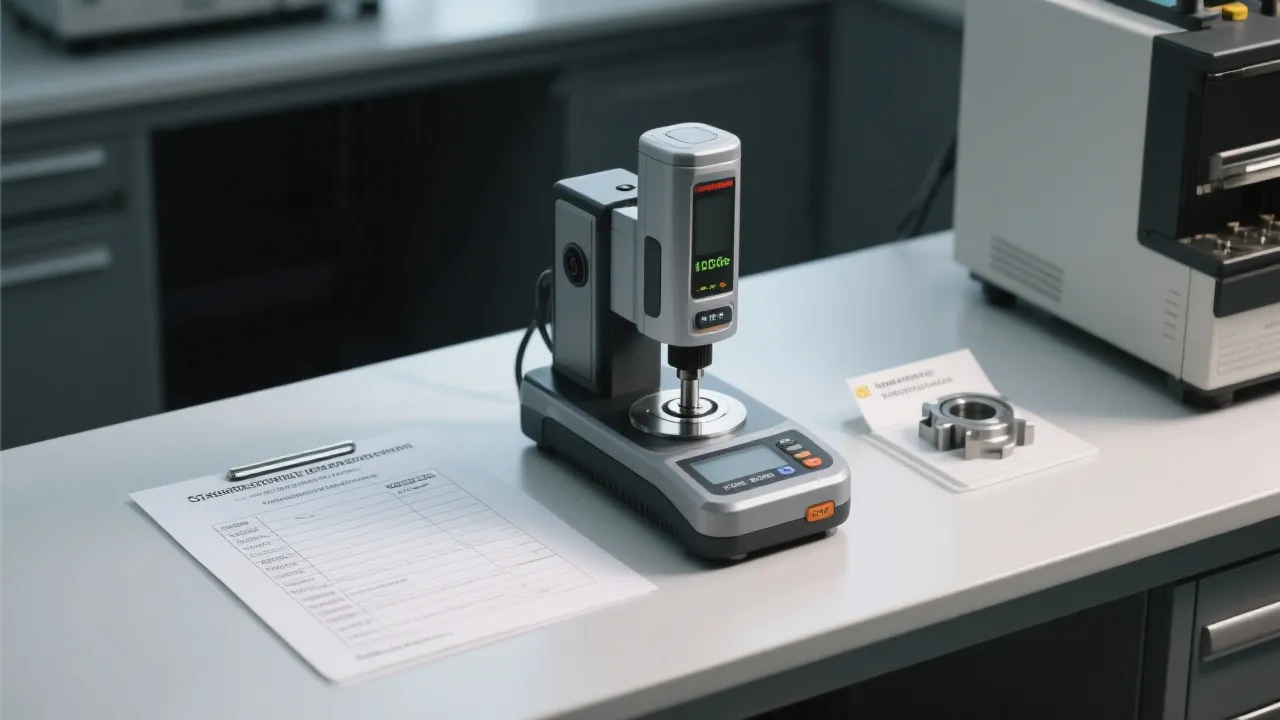
Metal microstructure testing plays a pivotal role in ensuring the reliability and performance of metal products, directly influencing international trade compliance and market competitiveness. Adhering to standardized methodologies, particularly those prescribed by ASTM and ISO, enables manufacturers and laboratories worldwide to maintain consistency and credibility in their quality control efforts.
The global metal industry relies heavily on standardized testing procedures to mitigate risks related to product failure and trade disputes. ASTM E3 and ISO 4967 are among the cornerstone standards guiding microstructure examination. These standards establish a common language for quality professionals and provide uniform protocols covering sample preparation, microscopic observation, and result reporting. Implementing these frameworks reduces variability by up to 25%, enhancing reproducibility between different laboratories.
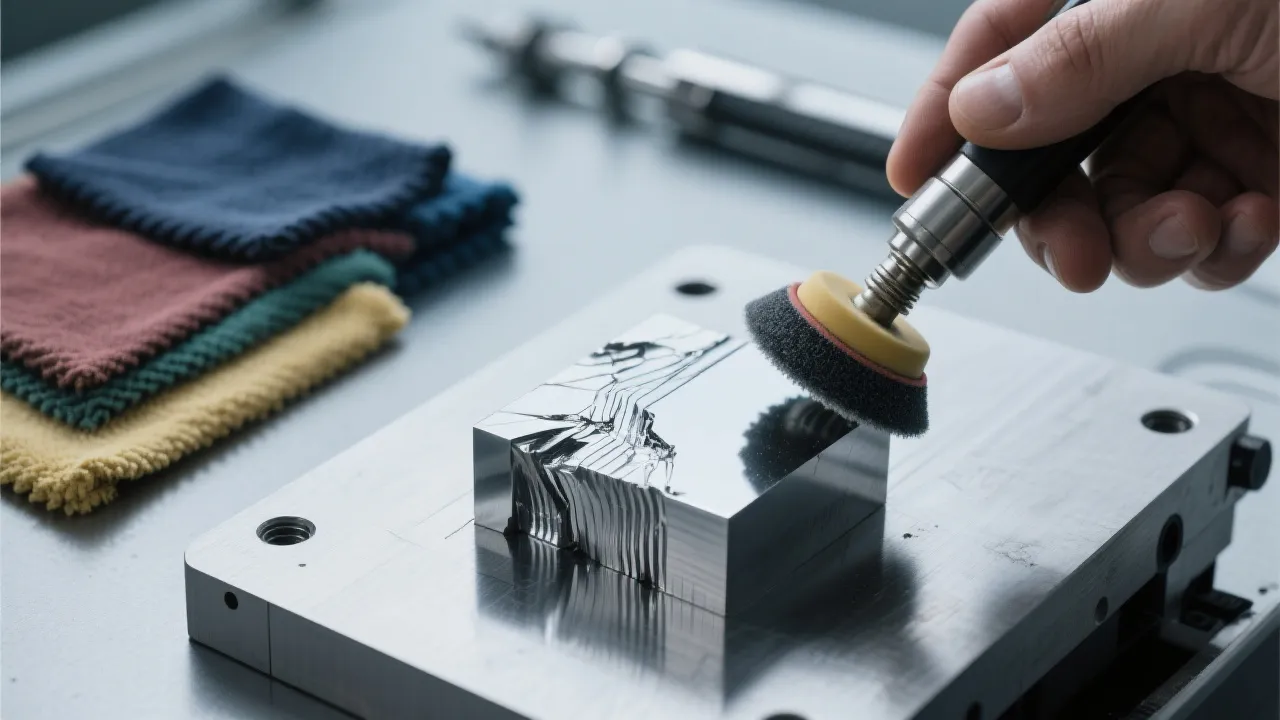
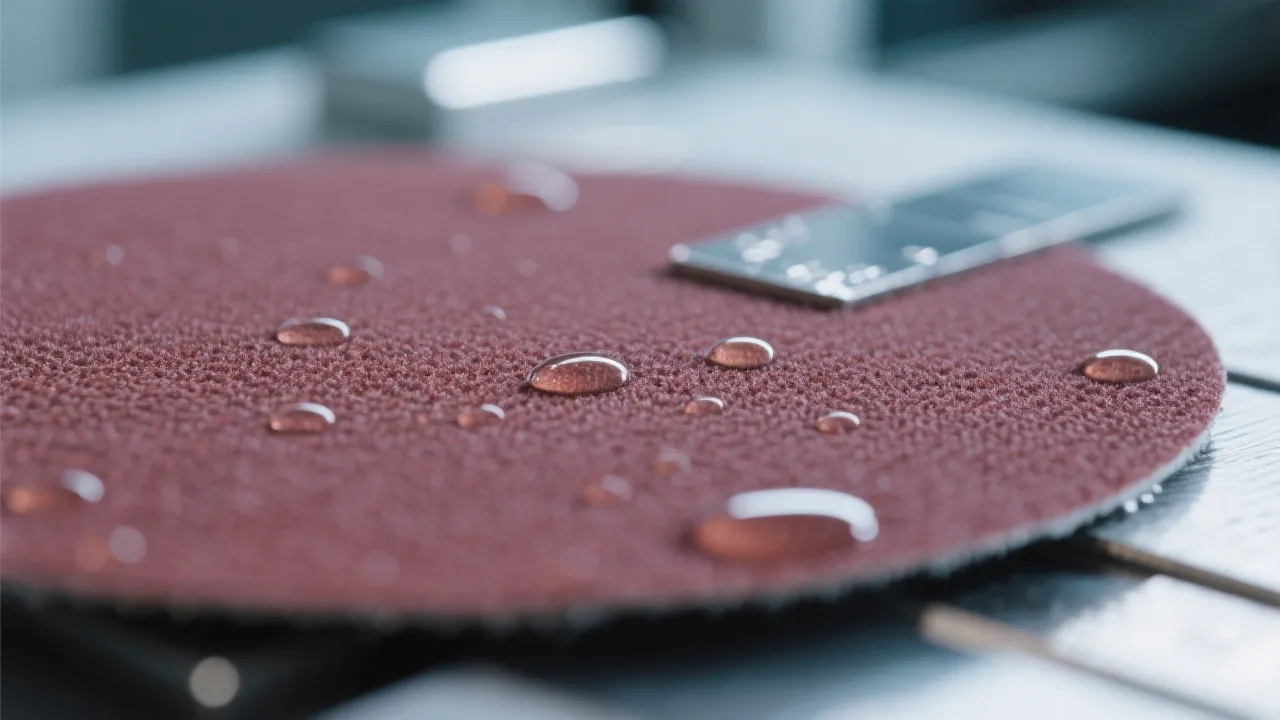
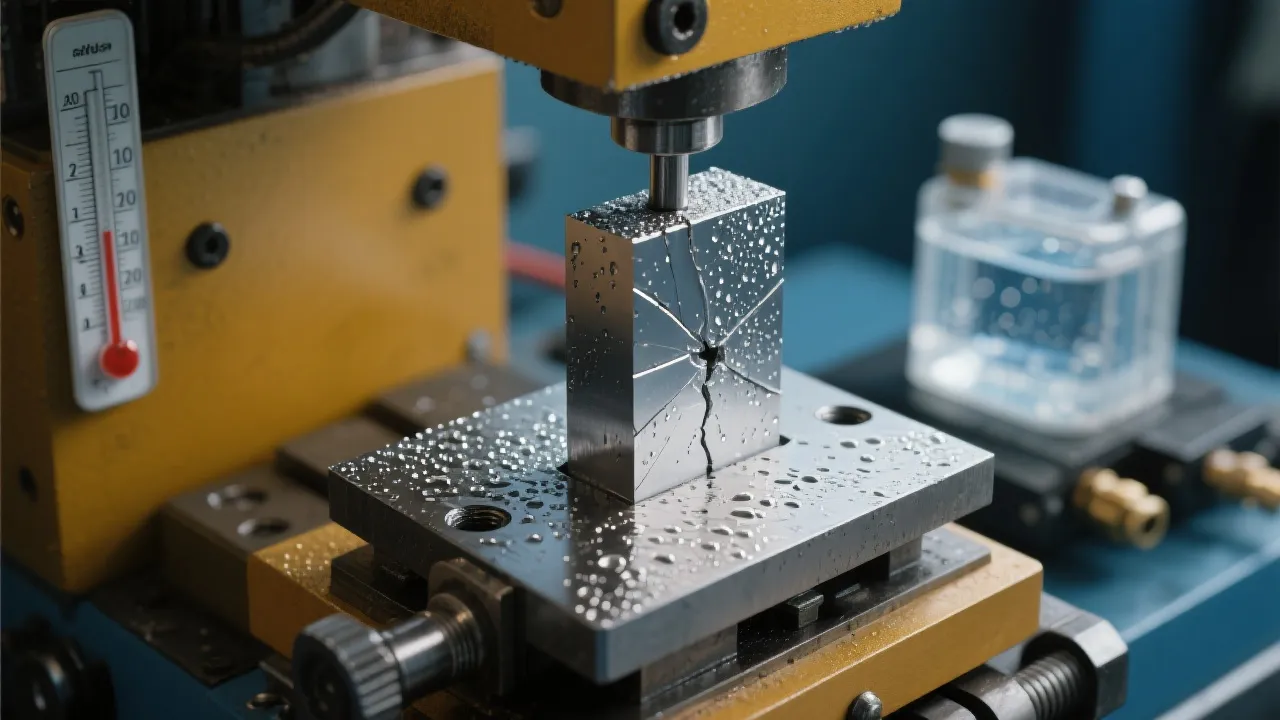
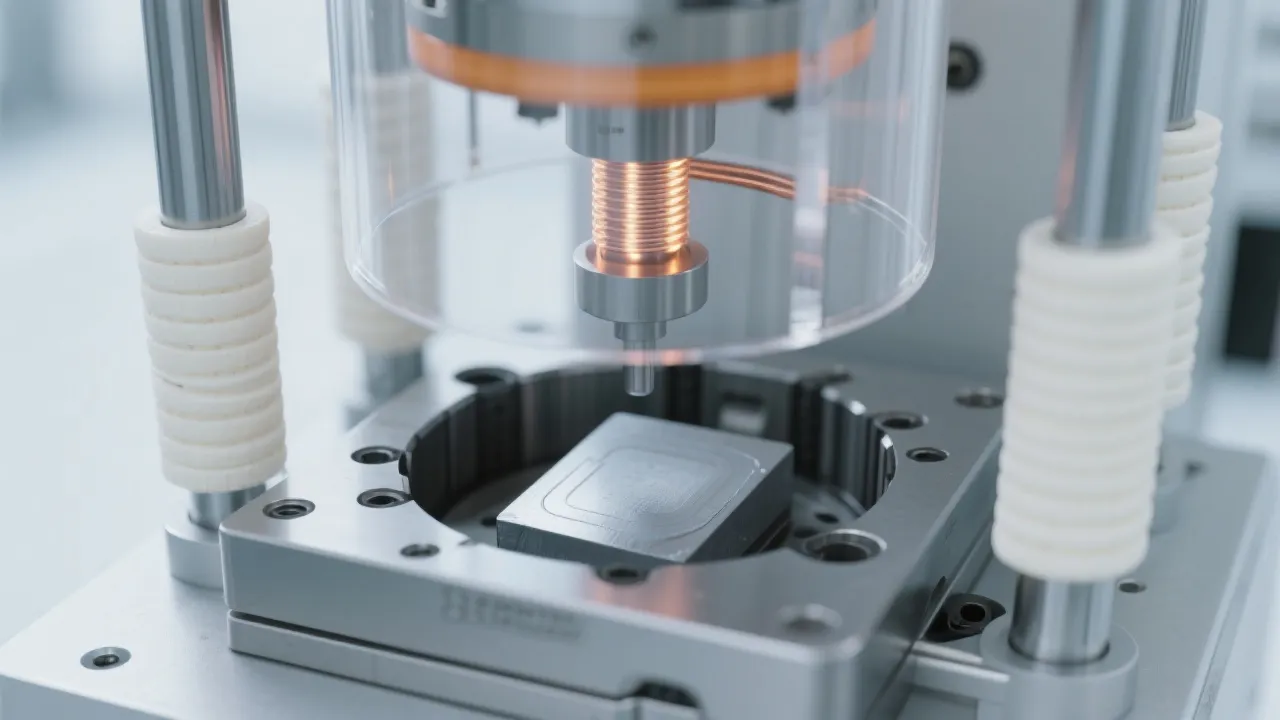
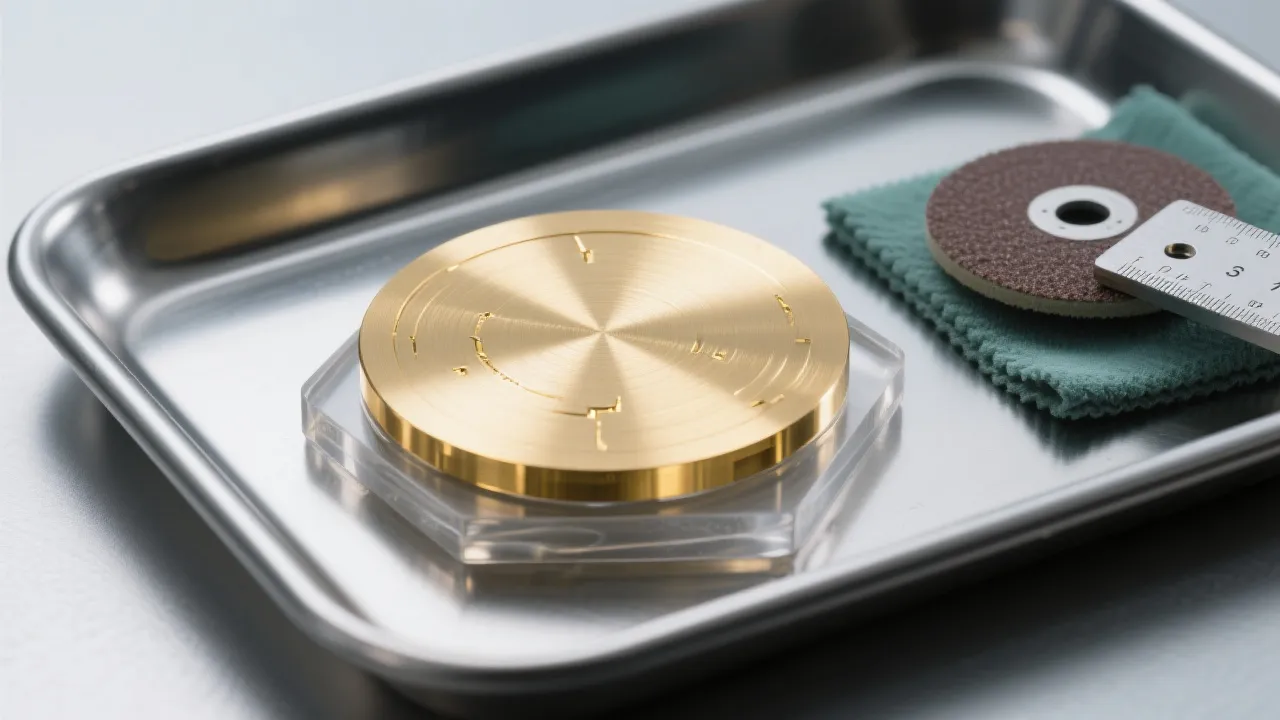
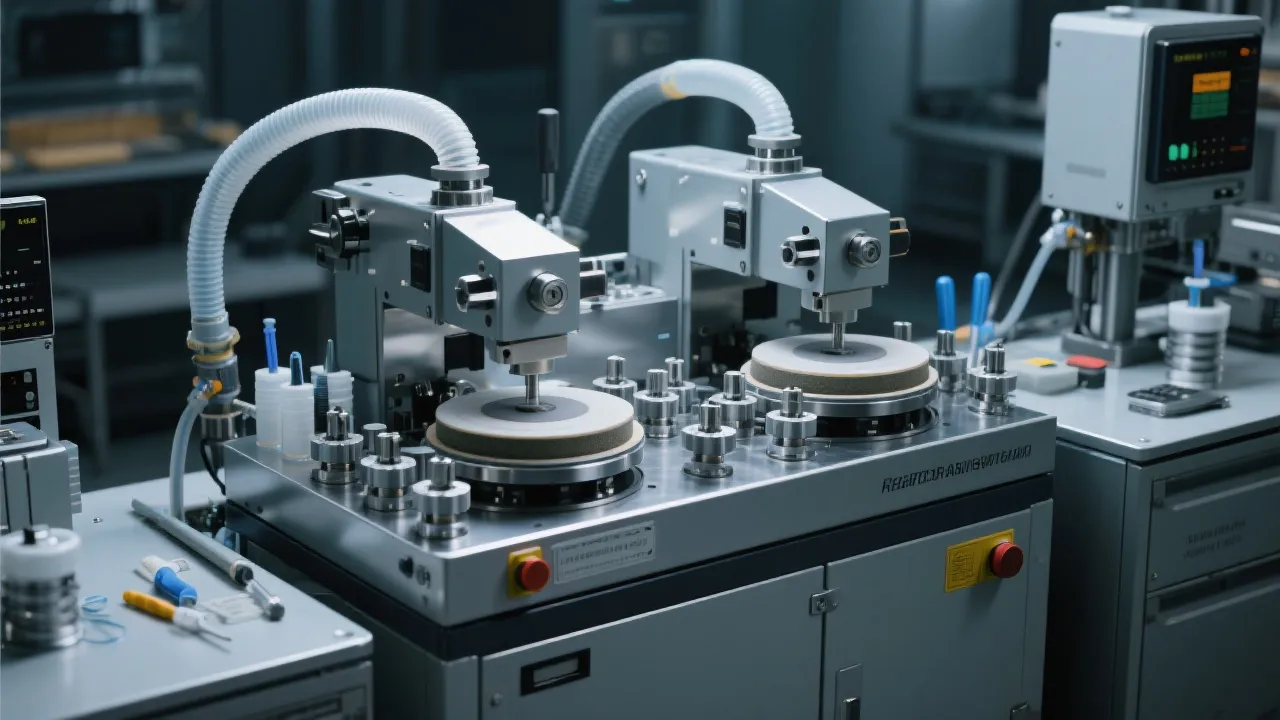
Sample preparation is the foundation of reliable microstructure evaluation. Precision in cutting angles aligns with the grain orientation of metallic specimens, typically between 5° to 15°, to reveal meaningful microstructural features without distortion. Sequential polishing, progressing from coarse to ultra-fine abrasives down to 0.05 μm, eliminates surface defects and scratches, which can otherwise obscure critical details. The selection of corrosive agents such as Nital for steels or Keller’s reagent for aluminum alloys is equally vital, as proper etching delineates the microstructural phases effectively.
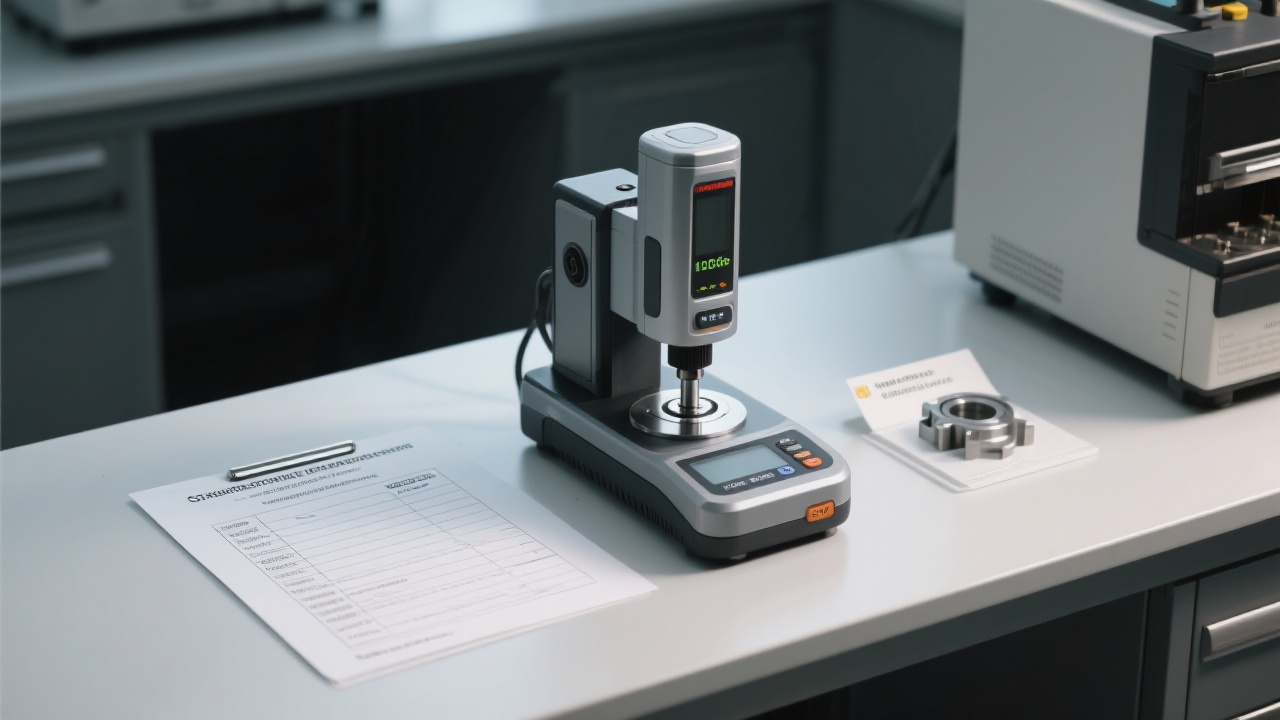
Modern metallographic microscopes, like the Laizhou Jincheng 4XC-W model, integrate advanced chromatic aberration correction and dual optical tubes to facilitate clearer visualization. Appropriate magnification levels—ranging from 50× to 1000× depending on inspection goals—dictate the clarity and detail of microstructural components. Fine-tuning illumination methods, contrast, and focal depth improves the detection of submicron defects and phases. These features combined can reduce operator analysis time by approximately 30%, optimizing laboratory throughput.
Metallographic imagery enables quality teams to evaluate heat treatment effectiveness by analyzing phase transformations, grain size uniformity, and morphology changes. Common defects such as inclusions, porosity, and micro-cracks can be distinguished visually, guiding corrective actions. Coupling image-based assessments with database comparisons enhances objectivity. Quality management systems utilizing these datasets achieve up to 15% greater accuracy in defect classification, supporting compliance with international trade requirements.
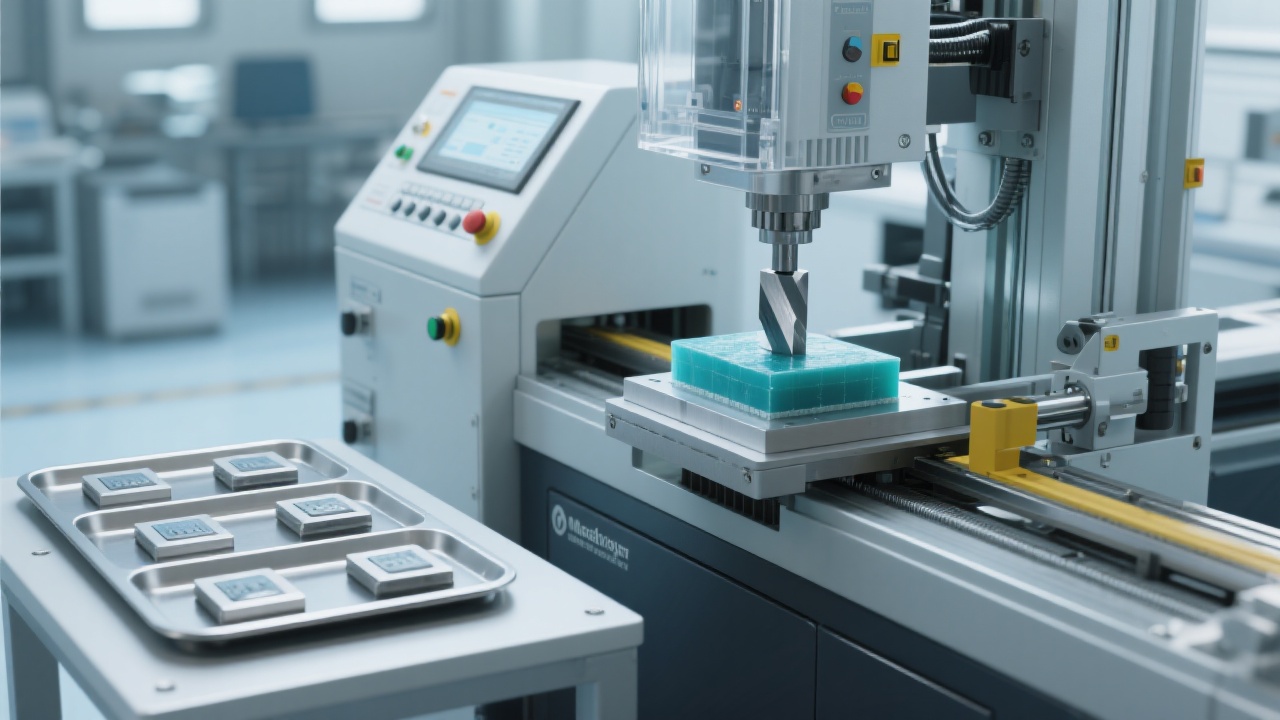
Inter-laboratory comparisons are an essential quality assurance tool addressing reproducibility challenges. By exchanging validated samples and aligning result interpretation criteria, laboratories reduce discrepancies attributed to equipment or operator variance. The Laizhou Jincheng 4XC-W microscope’s high-resolution capabilities facilitate these comparative studies by producing consistent, standardized images regardless of location. Such cross-validation programs have demonstrated reductions in result deviations by over 20%, which is critical for multinational trade certifications.
Incorporating standardized metallographic inspection ensures that metal products meet stringent global regulatory and commercial standards—mitigating costly rejections, enhancing buyer confidence, and accelerating customs clearance. The seamless integration of ASTM and ISO procedures combined with cutting-edge microscopy technology empowers businesses to deliver consistent product quality that satisfies international market demands.
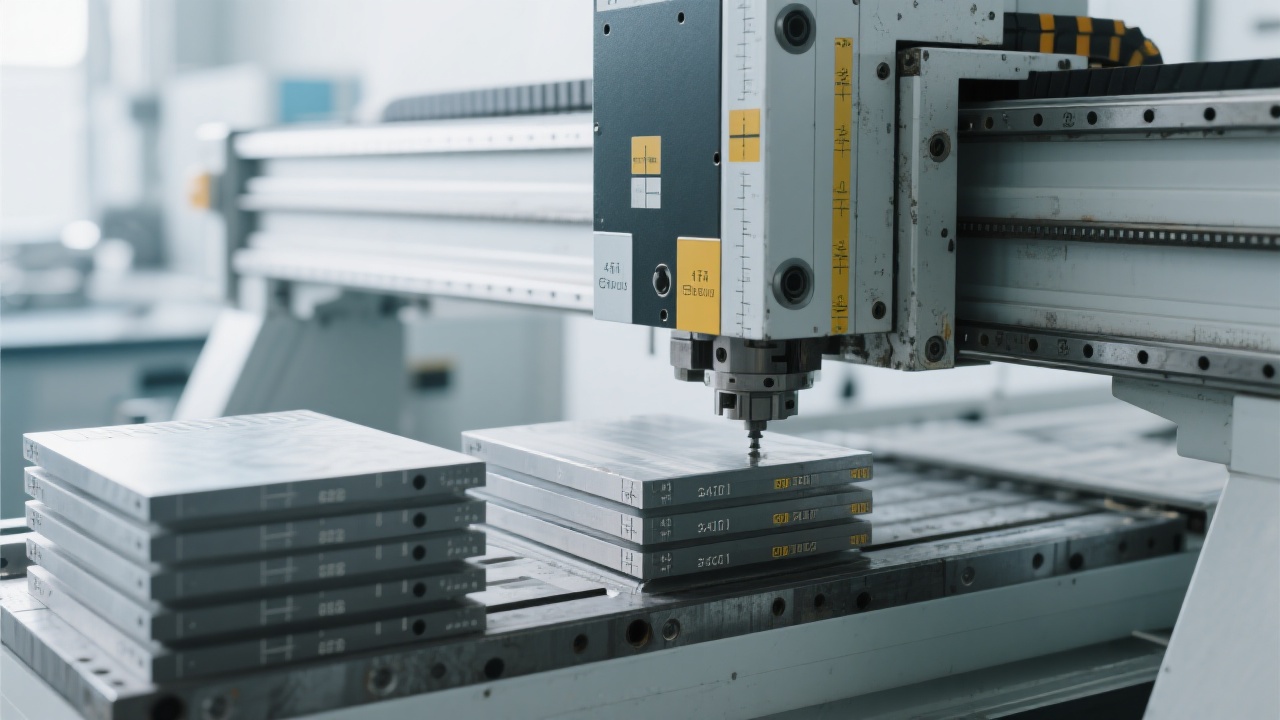
Enhance your metal microstructure inspection capabilities with the Laizhou Jincheng 4XC-W. Designed for precision and reliability, this advanced metallographic microscope optimizes detection efficiency through superior chromatic aberration correction and user-friendly controls. Empower your quality management team with technology that delivers unparalleled data accuracy, helping you maintain compliance with international standards and boost competitiveness in global markets.
Discover the 4XC-W Advantages Today 201
|
201
|
 manual dual-disc metallographic polisher
LCD interface variable speed control
fiberglass equipment durability
metallographic polishing maintenance
after-sales service customer cases
314
|
metal sample grinder polisher
metallographic analysis improvement
intelligent grinding equipment
stepless speed control
ASTM ISO compliant polishing machine
108
|
Metallographic pre - grinder maintenance
Equipment lifespan extension
Preventive maintenance
Industrial laboratory equipment maintenance
Metallographic equipment maintenance
34
|
industrial cutting machine safety startup
new operator training
cutting machine alarm codes
industrial equipment inspection
CNC cutting machine operation
58
|
metallographic prepolishing machine maintenance
lab equipment utilization optimization
preventive maintenance in metallurgy
fiber glass housing durability
precision drive system care
manual dual-disc metallographic polisher
LCD interface variable speed control
fiberglass equipment durability
metallographic polishing maintenance
after-sales service customer cases
314
|
metal sample grinder polisher
metallographic analysis improvement
intelligent grinding equipment
stepless speed control
ASTM ISO compliant polishing machine
108
|
Metallographic pre - grinder maintenance
Equipment lifespan extension
Preventive maintenance
Industrial laboratory equipment maintenance
Metallographic equipment maintenance
34
|
industrial cutting machine safety startup
new operator training
cutting machine alarm codes
industrial equipment inspection
CNC cutting machine operation
58
|
metallographic prepolishing machine maintenance
lab equipment utilization optimization
preventive maintenance in metallurgy
fiber glass housing durability
precision drive system care



Hardness-Tester7MHXZD-1000A-1.jpg?x-oss-process=image/resize,m_fill,h_800,w_800/format,webp)


