In today’s global manufacturing ecosystem, consistent and reliable material quality is no longer optional—it’s a prerequisite for international competitiveness. Among the most critical tools in this process is standardized metal microstructure detection, which ensures that products meet both technical specifications and buyer expectations across borders.
According to ASTM E3-17 and ISO 14104 standards, a well-defined metallographic testing protocol reduces variability by up to 60% in lab-to-lab comparisons—a key factor when exporting to Europe, North America, or the Middle East where compliance is non-negotiable. Whether you're supplying steel components to German automakers or aluminum castings to U.S. aerospace firms, uniformity in microstructure reporting builds trust faster than any marketing campaign.
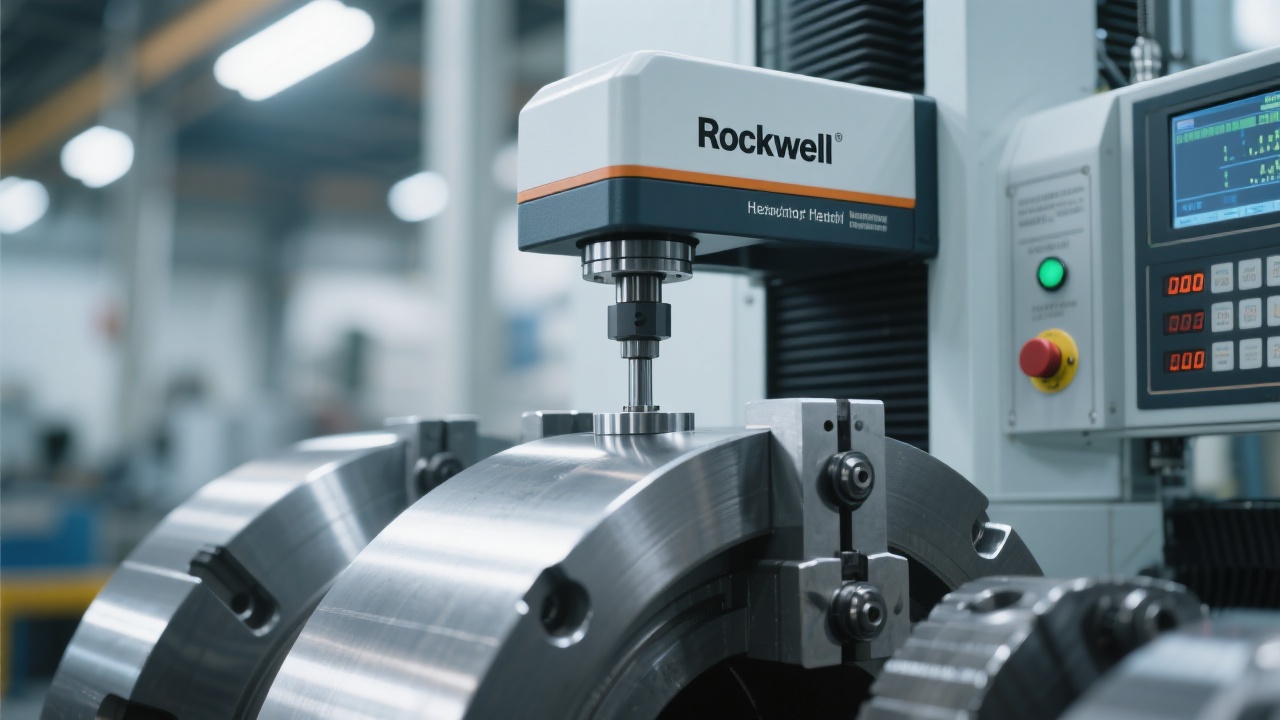
The journey begins with precise sample preparation—cutting at a 90° angle, using diamond wheels for minimal deformation, followed by sequential mechanical polishing (from 600 to 1200 grit) and controlled chemical etching (typically nital or picral). These steps are not just procedural—they directly impact how clearly grain boundaries, inclusions, and heat treatment effects appear under magnification.
For instance, studies show that improper polishing can lead to false interpretations of martensite content in high-strength steels, potentially causing rejection during customs inspection. That’s why modern labs now use automated systems like the 4XC-W High-Resolution Metallographic Microscope from LaiZhou JinCheng Industrial Equipment Co., Ltd.—which integrates real-time color calibration and edge enhancement algorithms to reduce human error by over 40% compared to manual methods.
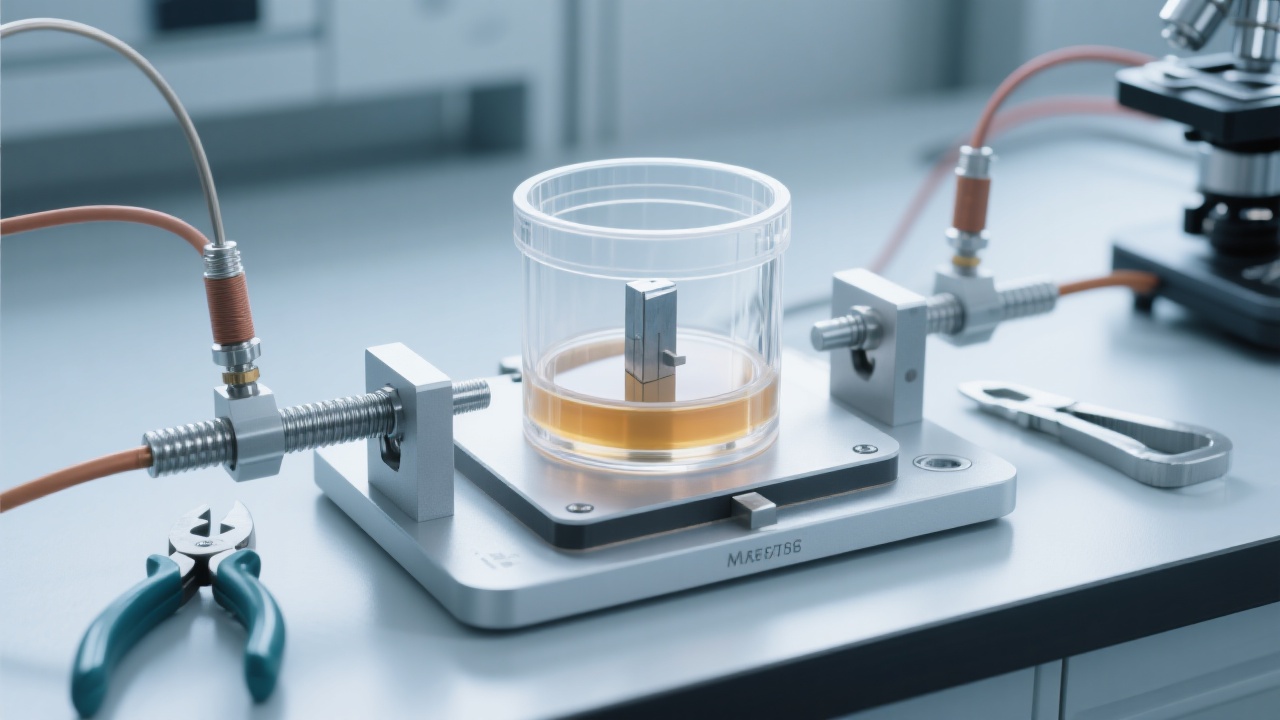
Even with standardized procedures, results vary without cross-validation. In a recent inter-laboratory test involving 12 certified labs in Asia, Europe, and the U.S., only those using digital image analysis software (like the one integrated into the 4XC-W) achieved repeatability scores above 92%. This level of consistency makes it easier to secure ISO 9001 certification and win bids from multinational buyers who demand auditable data—not just subjective reports.
Moreover, structured data management—such as tagging images with metadata (material grade, heat number, operator ID)—enables traceability and supports continuous improvement in production processes. It also streamlines internal audits and accelerates response times when customers raise quality concerns.
Pro Tip: When preparing your next product catalog or technical dossier, include a short case study on how standardization improved your export success rate. Buyers love concrete proof—not just promises.
Explore how the 4XC-W High-Resolution Metallographic Microscope helps labs achieve ISO-compliant results with greater speed and confidence.
Get Free Technical Demo & Product Guide 357
|
357
|
 manual metallographic cutting machine
metallographic sample preparation
scientific research equipment
metallography consumables
sample cutting technology
314
|
metal sample grinder polisher
metallographic analysis improvement
intelligent grinding equipment
stepless speed control
ASTM ISO compliant polishing machine
421
|
Industrial-grade indenter accessories installation
Equipment commissioning tutorial
Indenter installation precautions
Industrial equipment maintenance
Precision CNC machining accessories
289
|
non-metallic material hardness testing
Rockwell hardness testing standards
ceramic hardness measurement
plastic material hardness evaluation
composite indentation analysis
320
|
sample cutting machine selection guide
industrial sample preparation equipment
cutting efficiency improvement
cooling system performance evaluation
grinding wheel type selection
manual metallographic cutting machine
metallographic sample preparation
scientific research equipment
metallography consumables
sample cutting technology
314
|
metal sample grinder polisher
metallographic analysis improvement
intelligent grinding equipment
stepless speed control
ASTM ISO compliant polishing machine
421
|
Industrial-grade indenter accessories installation
Equipment commissioning tutorial
Indenter installation precautions
Industrial equipment maintenance
Precision CNC machining accessories
289
|
non-metallic material hardness testing
Rockwell hardness testing standards
ceramic hardness measurement
plastic material hardness evaluation
composite indentation analysis
320
|
sample cutting machine selection guide
industrial sample preparation equipment
cutting efficiency improvement
cooling system performance evaluation
grinding wheel type selection




Hardness-Tester7MHVS-1000A-1.jpg?x-oss-process=image/resize,m_fill,h_800,w_800/format,webp)