
Achieving consistent and authoritative metal microstructure analysis hinges on well-defined standardized testing workflows. International benchmarks such as ASTM and ISO standards provide comprehensive frameworks guiding every stage—from meticulous sample preparation to analytical observation and data management. This article explores how rigorous adherence to these standards elevates the comparability and reliability of microstructural inspection outcomes across laboratories and industries.
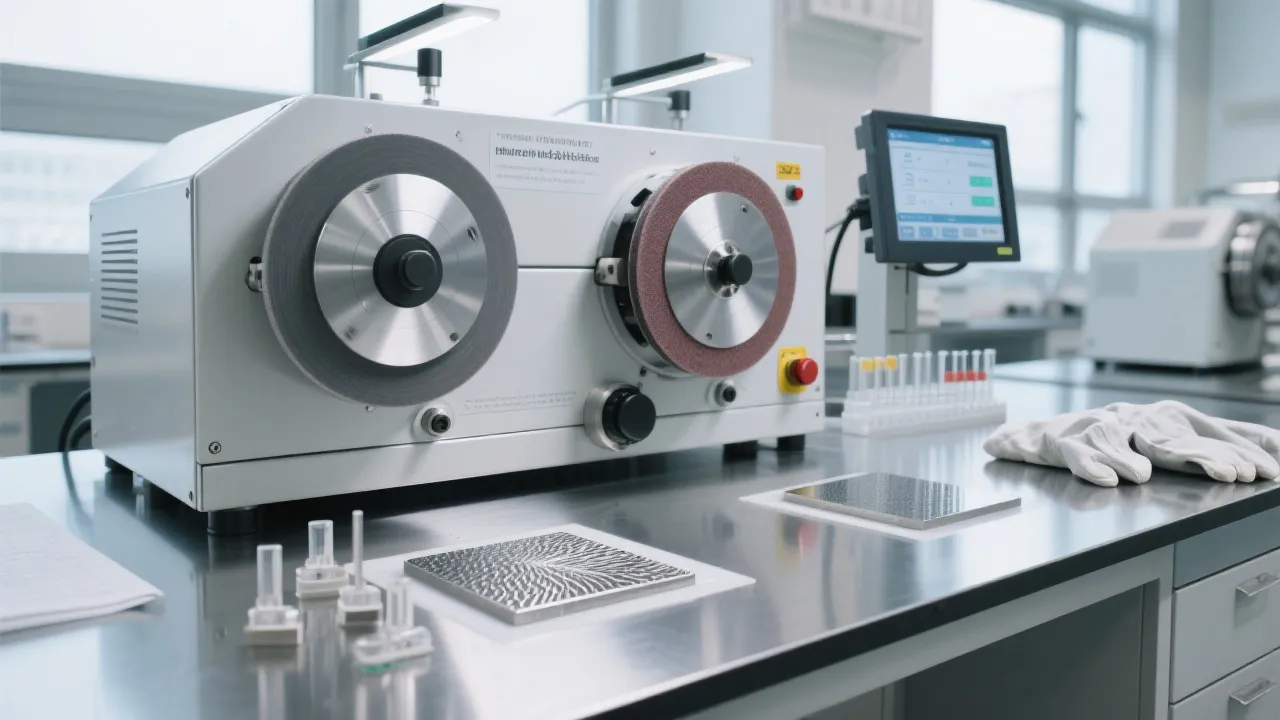
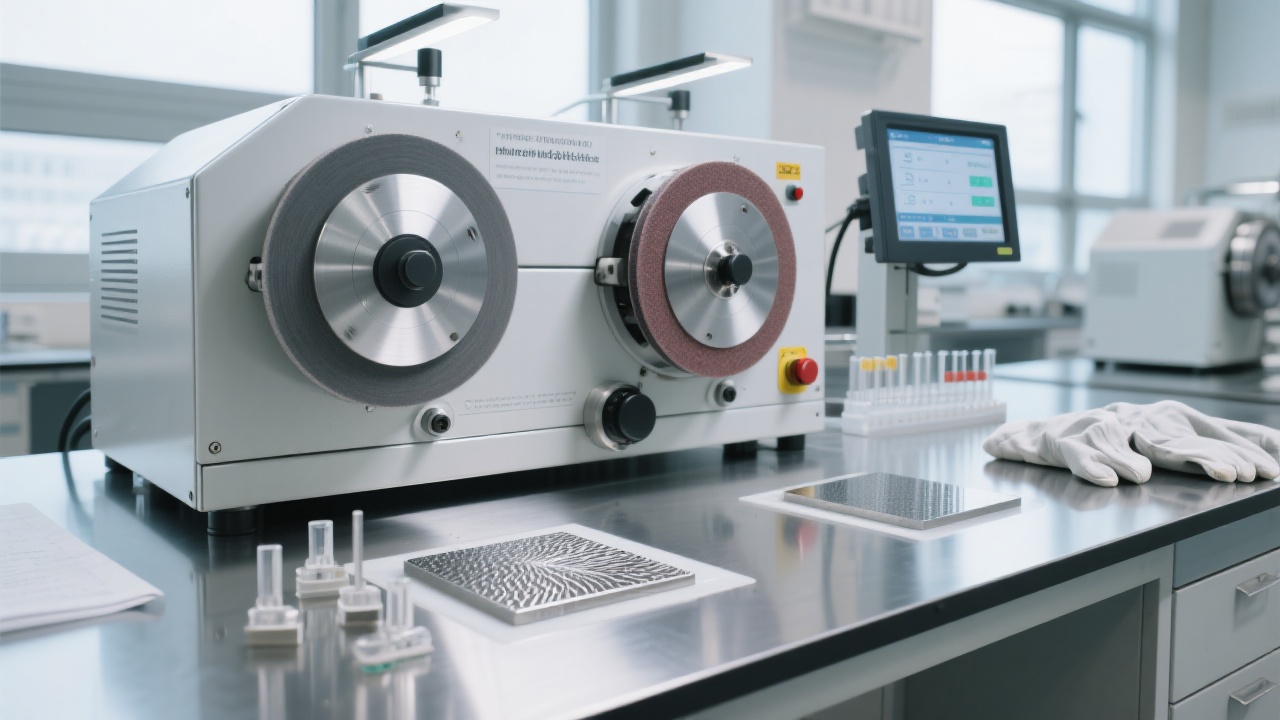
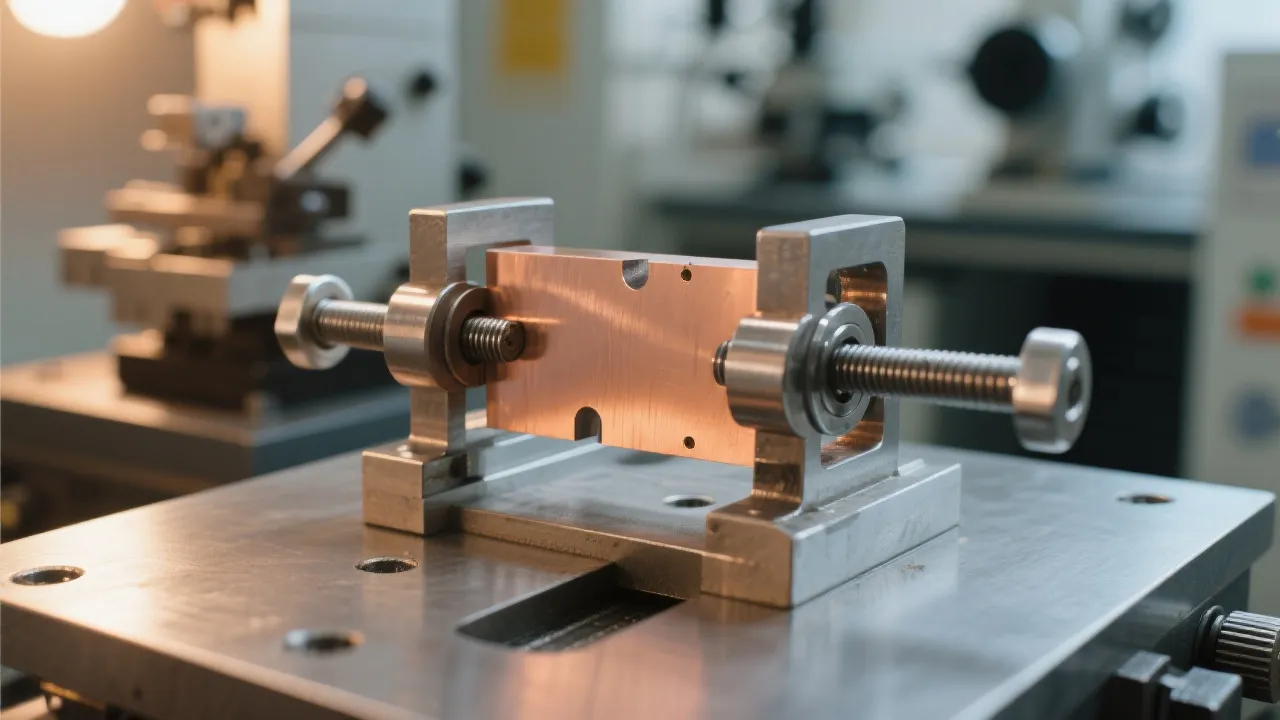
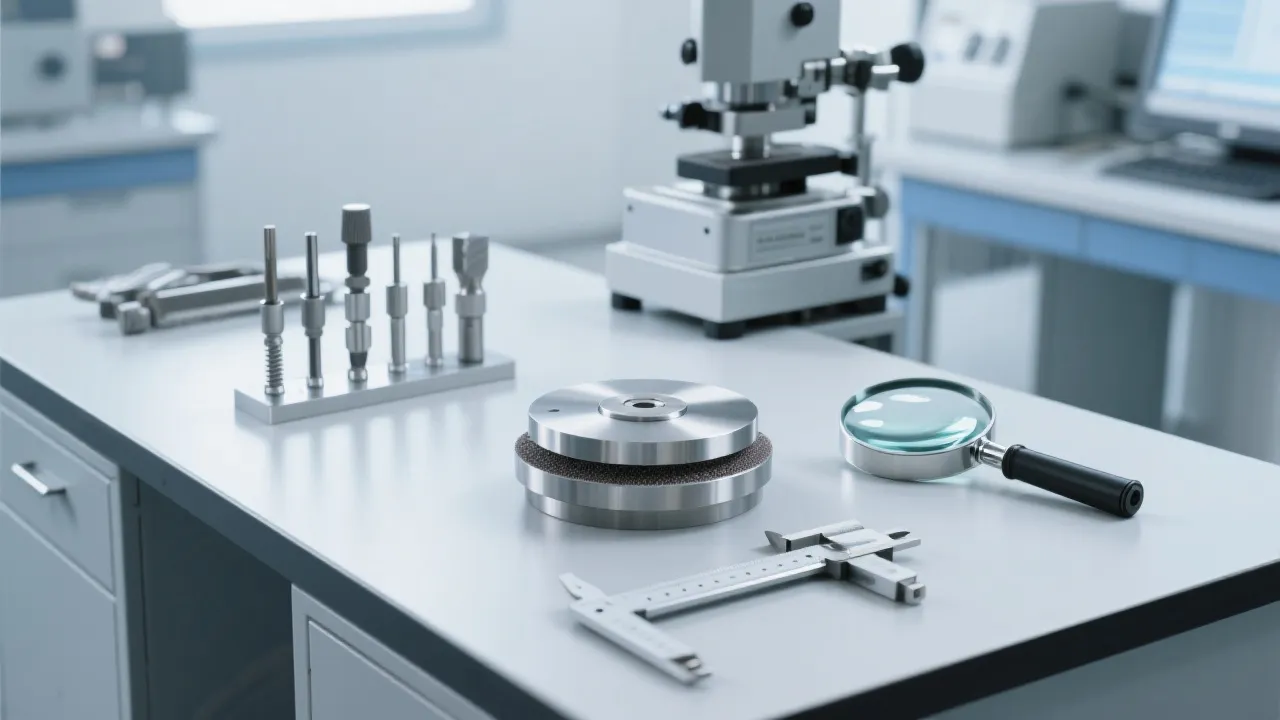
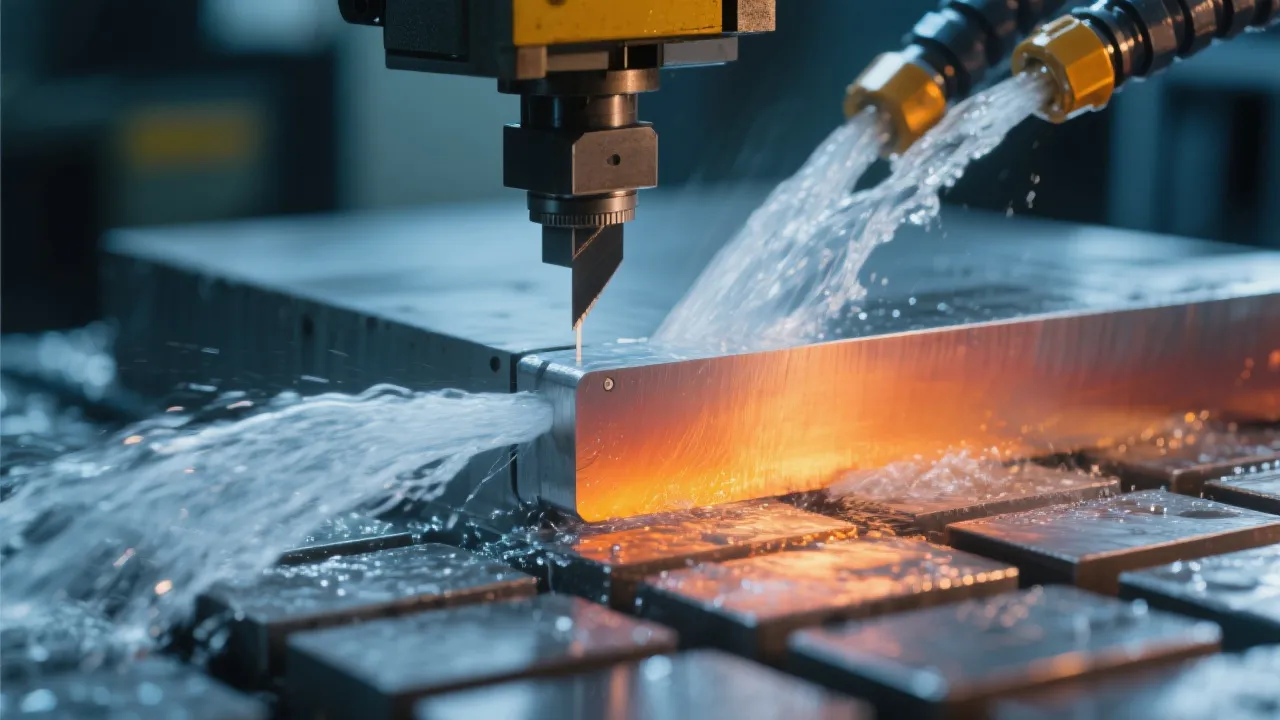
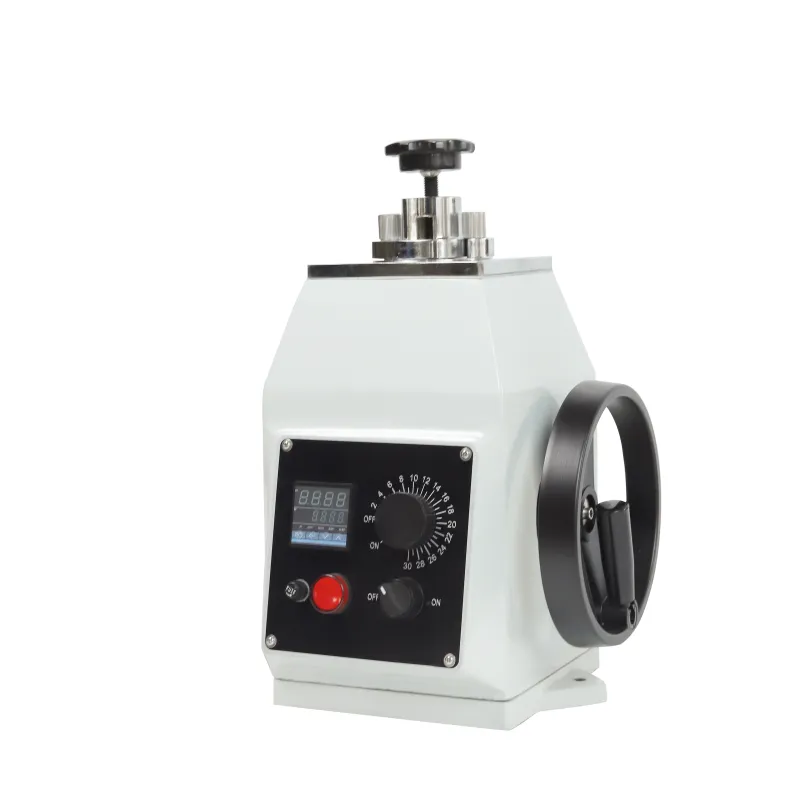
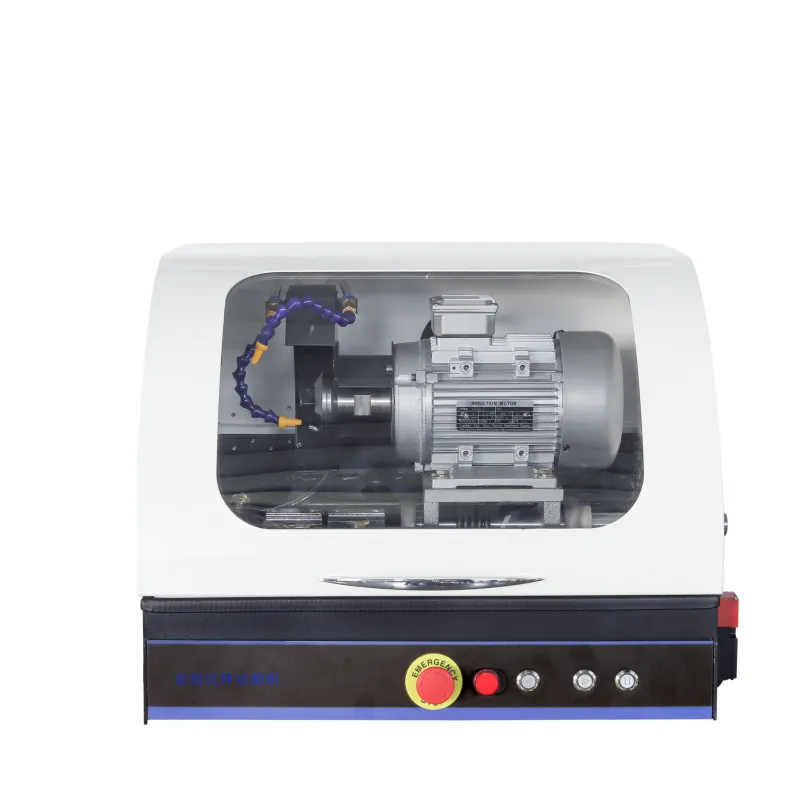
Sample preparation is indisputably the foundation of accurate metallographic evaluation. ASTM E3 and ISO 4967 outline clear methodologies detailing sectioning, mounting, grinding, polishing, and etching, each step designed to reveal true structural features while minimizing artifacts.
Precision in grinding and polishing sequence—commonly progressing from coarse silicon carbide papers (e.g., P240 grit) to final polishing with 1 μm diamond suspensions—is essential to produce mirror-like surfaces free of deformation.
Choosing the appropriate corrosive etchant, whether Nital (2-5% nitric acid in ethanol) to reveal ferritic-pearlitic matrix or Kalling’s reagent for stainless steels, demands a deep understanding of alloy chemistry and microconstituent sensitivities. Improper etching risks obscuring boundaries or exaggerating defects.
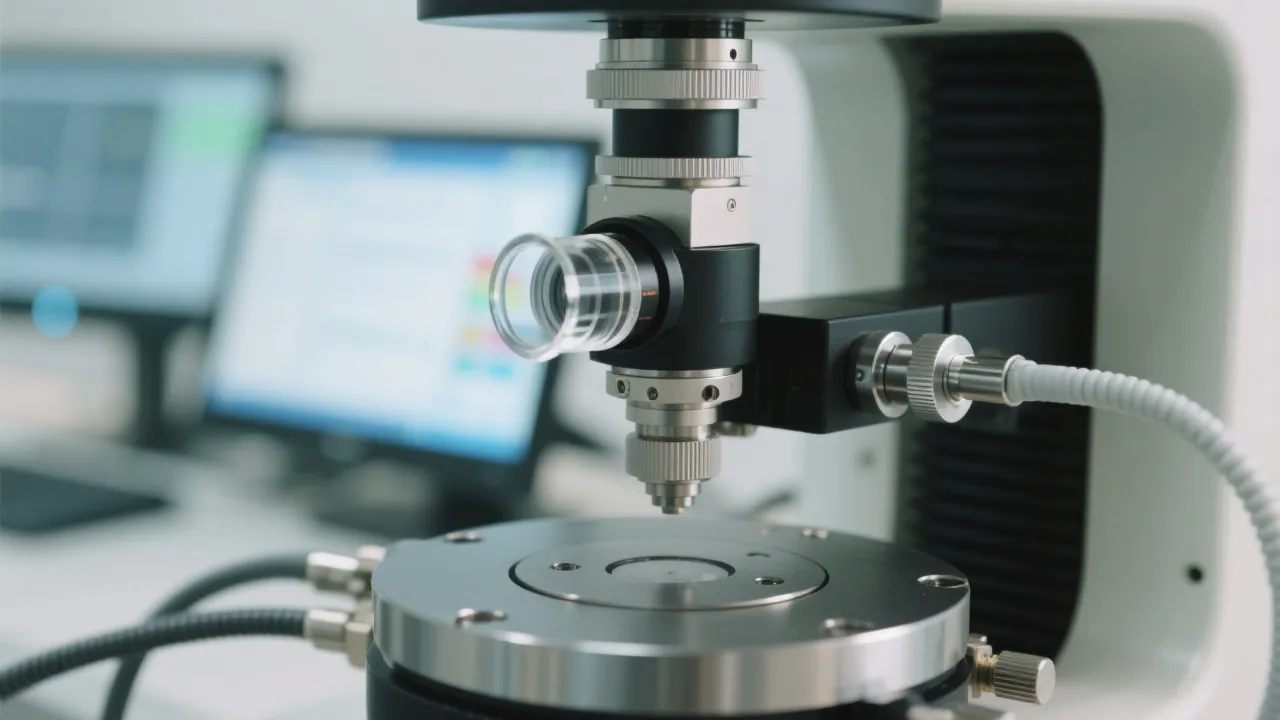
Metal microstructure observation primarily uses metallurgical optical microscopes compliant with ASTM E562 and ISO 945 standards that specify magnification ranges and resolution criteria.
Achieving optimal contrast and detail requires tuning illumination intensity, selecting proper objectives (ranging typically between 50× to 1000×), and employing polarized or dark-field techniques where necessary.
Systematic documentation of micrographs with embedded scale bars and consistent image acquisition parameters ensures that microstructural features—grains, precipitates, inclusions, or defects—can be reliably identified and compared.
Standardized microstructural images provide direct evidence linking metal heat treatment outcomes to mechanical properties. Grain size distributions, carbide morphologies, and phase proportions quantified per ASTM E112 specify heat treatment effectiveness.
Defect recognition—such as intergranular corrosion, inclusions, or microcracking—benefits from threshold-based image analysis techniques that complement expert visual inspections. ASTM E2924 introduces methodical data comparison practices to rigorously distinguish manufacturing inconsistencies.
Such evaluation frameworks underpin quality assurance by swiftly detecting deviations from targeted microstructures, preventing costly downstream failures in critical applications.
Laboratories adopting ASTM E691 and ISO 13528 statistical protocols conduct proficiency testing through interlaboratory comparisons, vital for confirming method transferability and data reproducibility.
Collaborative blind testing with shared reference samples helps identify systematic biases or operator variability, fostering continuous process improvement.
Advanced data management platforms implementing standardized metadata tagging, audit trails, and controlled vocabularies streamline result sharing while maintaining data integrity and traceability.
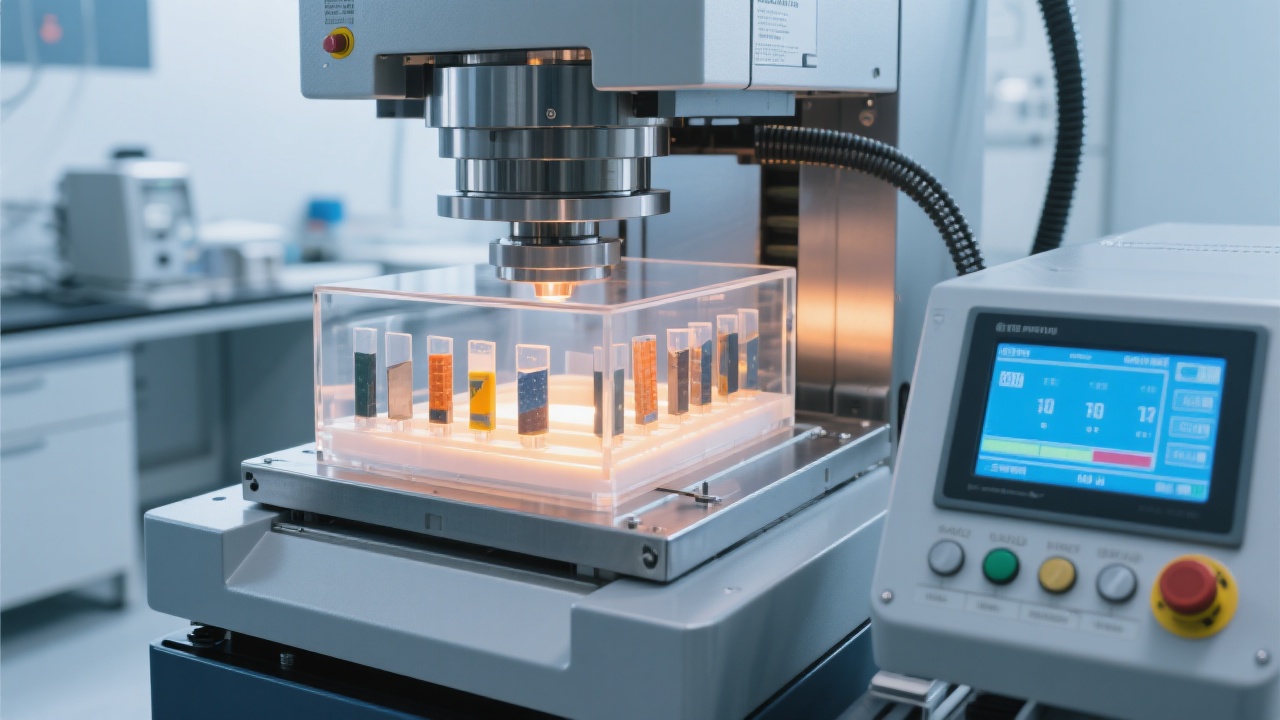
Cutting-edge metallographic microscopes integrate automated stage control, multi-modal imaging, and AI-powered image recognition to significantly accelerate inspection cycles and enhance defect detection sensitivity.
Real-time data analytics enable immediate feedback on sample quality relative to specifications, reducing manual errors.
Embedding these advanced instruments within standardized workflows leverages both compliance and productivity gains, empowering R&D and quality control teams to uphold best-in-class metallurgical scrutiny.
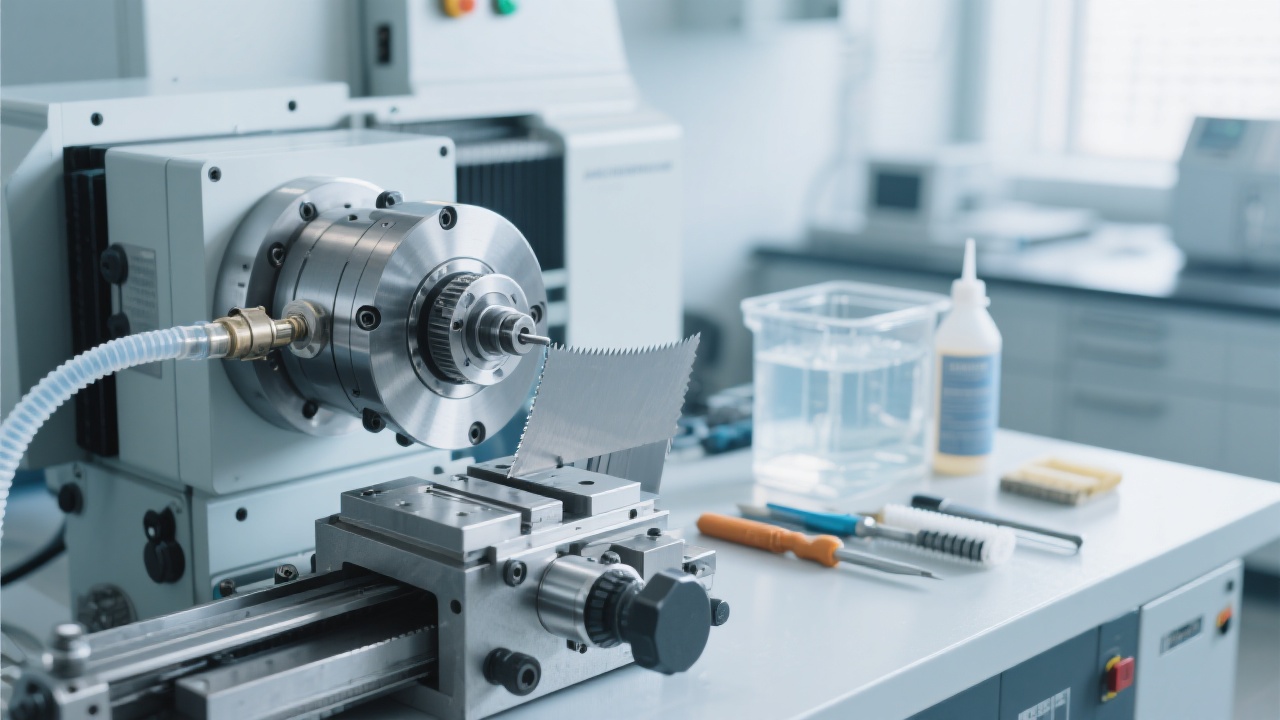
Comprehensive documentation throughout the metallography process—from sample ID and preparation parameters to imaging conditions and analysis results—is crucial.
Employing standardized database schemas compliant with ISO 10303 (STEP) and integrating LIMS (Laboratory Information Management Systems) significantly improves data retrieval, archival, and quality surveillance.
Such structured approaches enable organizations to defend product consistency claims and satisfy stringent regulatory audits, especially in aerospace, automotive, and energy sectors.
 61
|
61
|
 metal microstructure analysis standards
ASTM E3-11 standard
ISO 14104 standard
metallographic image defect identification
inter-laboratory comparison methods
308
|
micro Vickers hardness tester
intelligent touch hardness testing
high-precision hardness measurement
mechanical processing hardness
metallurgical research hardness testing
110
|
metallographic mounting quality
ASTM E3-11 standard
ISO 3189 compliance
mounting defect detection
ZXQ-2 precision mounting machine
439
|
metallographic prepolishing machine maintenance
preventive maintenance for lab equipment
grinding disc cleaning frequency
motor temperature control in lab machines
industrial lab equipment reliability
103
|
GB/T 231.2
Brinell hardness testing
steel quality control
portable hardness tester
international trade steel inspection
metal microstructure analysis standards
ASTM E3-11 standard
ISO 14104 standard
metallographic image defect identification
inter-laboratory comparison methods
308
|
micro Vickers hardness tester
intelligent touch hardness testing
high-precision hardness measurement
mechanical processing hardness
metallurgical research hardness testing
110
|
metallographic mounting quality
ASTM E3-11 standard
ISO 3189 compliance
mounting defect detection
ZXQ-2 precision mounting machine
439
|
metallographic prepolishing machine maintenance
preventive maintenance for lab equipment
grinding disc cleaning frequency
motor temperature control in lab machines
industrial lab equipment reliability
103
|
GB/T 231.2
Brinell hardness testing
steel quality control
portable hardness tester
international trade steel inspection






Hardness-Tester7MHVS-5103050A-1.jpg?x-oss-process=image/resize,m_fill,h_800,w_800/format,webp)


