
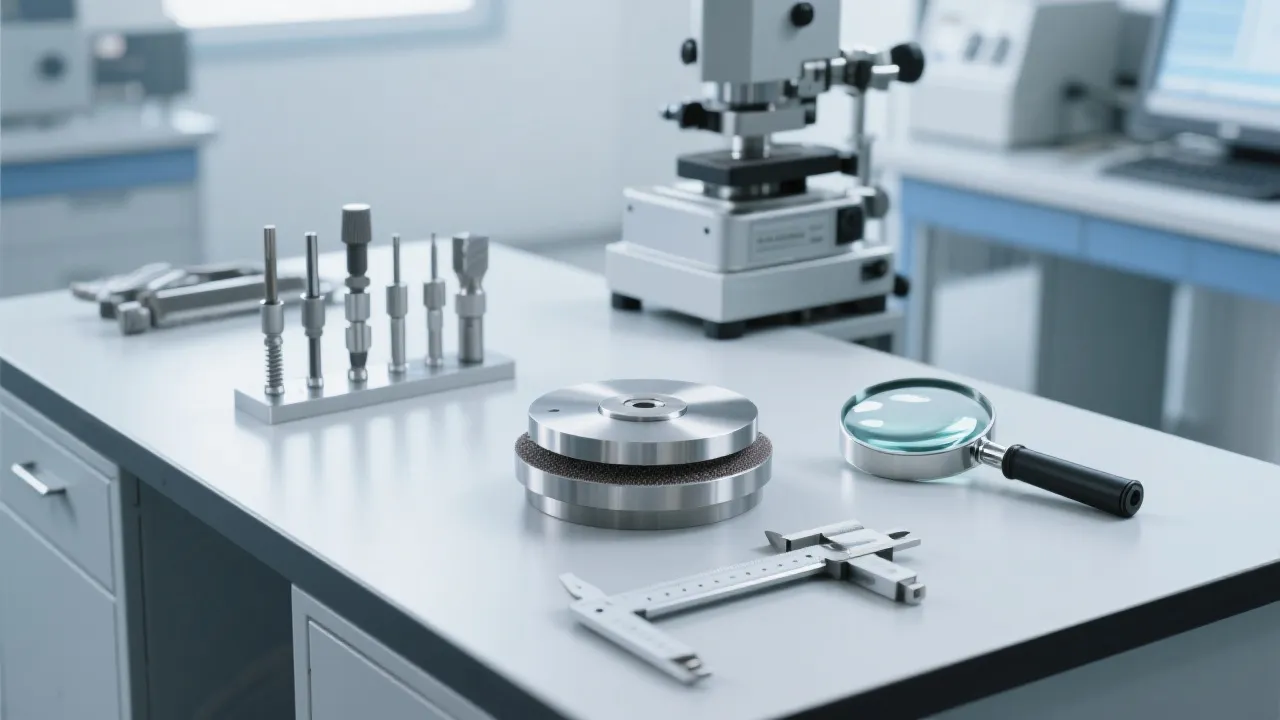
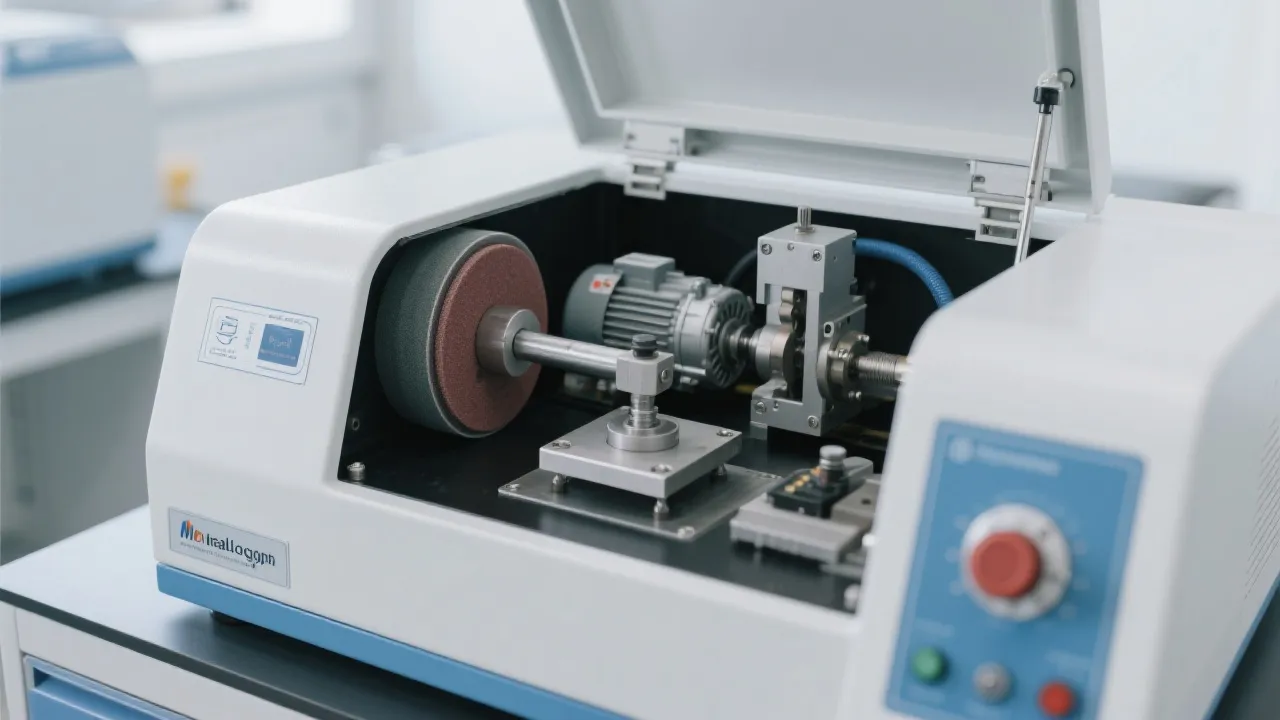
For metallurgical labs and quality control departments worldwide, maintaining high precision in sample preparation is critical—not just for accurate results, but also for minimizing downtime and maximizing equipment ROI. Take the M-2 Metallographic Polishing Machine from LaiZhou JinCheng Industrial Equipment Co., Ltd.—a robust, glass-fiber-reinforced unit trusted by over 300 labs across Europe, North America, and Southeast Asia.
A recent survey of 120 industrial laboratories found that machines without standardized checklists experienced an average of 3.7 unplanned downtimes per quarter—costing up to $2,800 per incident in lost productivity and repair fees. By contrast, labs using structured maintenance routines saw a 68% reduction in failures and extended equipment life by 2–3 years on average.
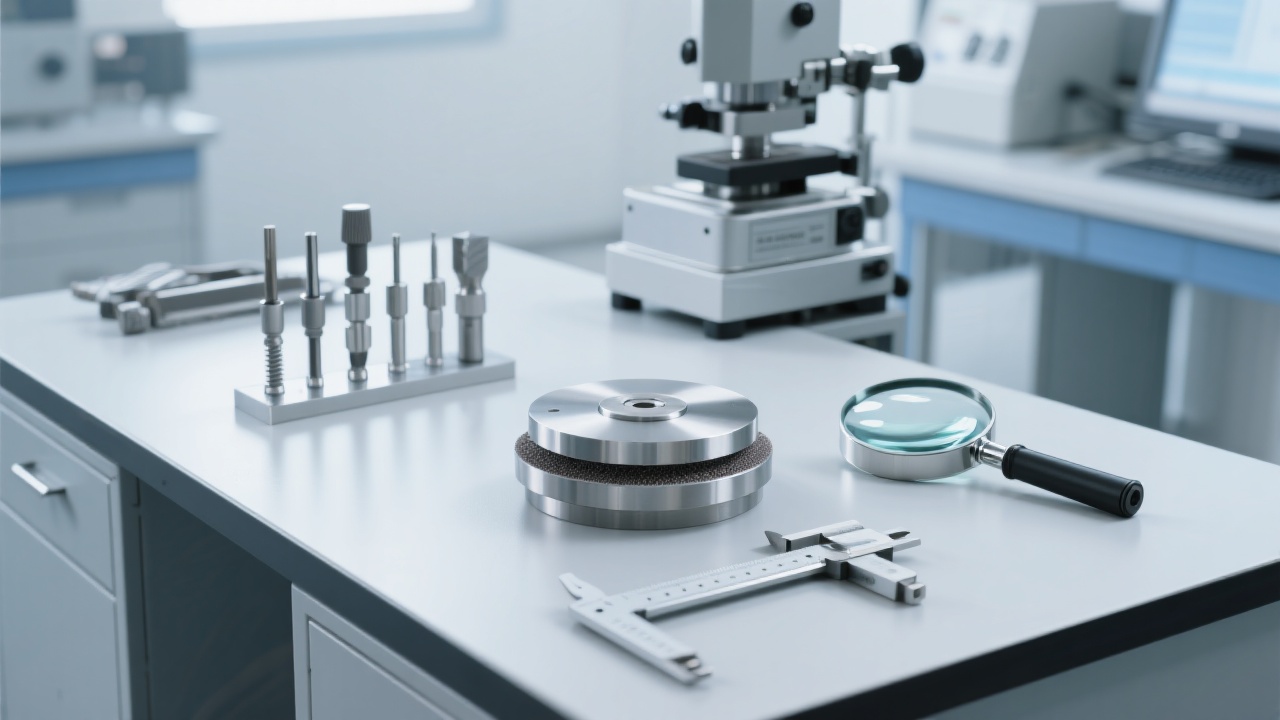
1. Glass Fiber Housing – Durability Meets Safety
The M-2’s lightweight yet impact-resistant housing isn’t just about aesthetics—it prevents vibration-induced misalignment and reduces noise levels by up to 15 dB(A). Clean monthly with non-abrasive wipes; inspect for cracks or wear every 90 days.
2. Drive System Lubrication – Keep It Smooth, Not Sticky
Use ISO VG 68 synthetic oil every 6 months. Over-lubrication causes overheating—under-lubrication increases friction-related wear. One lab reported a 40% drop in motor temperature after switching to this schedule.
3. Grinding Disc Cleaning – Precision Starts Here
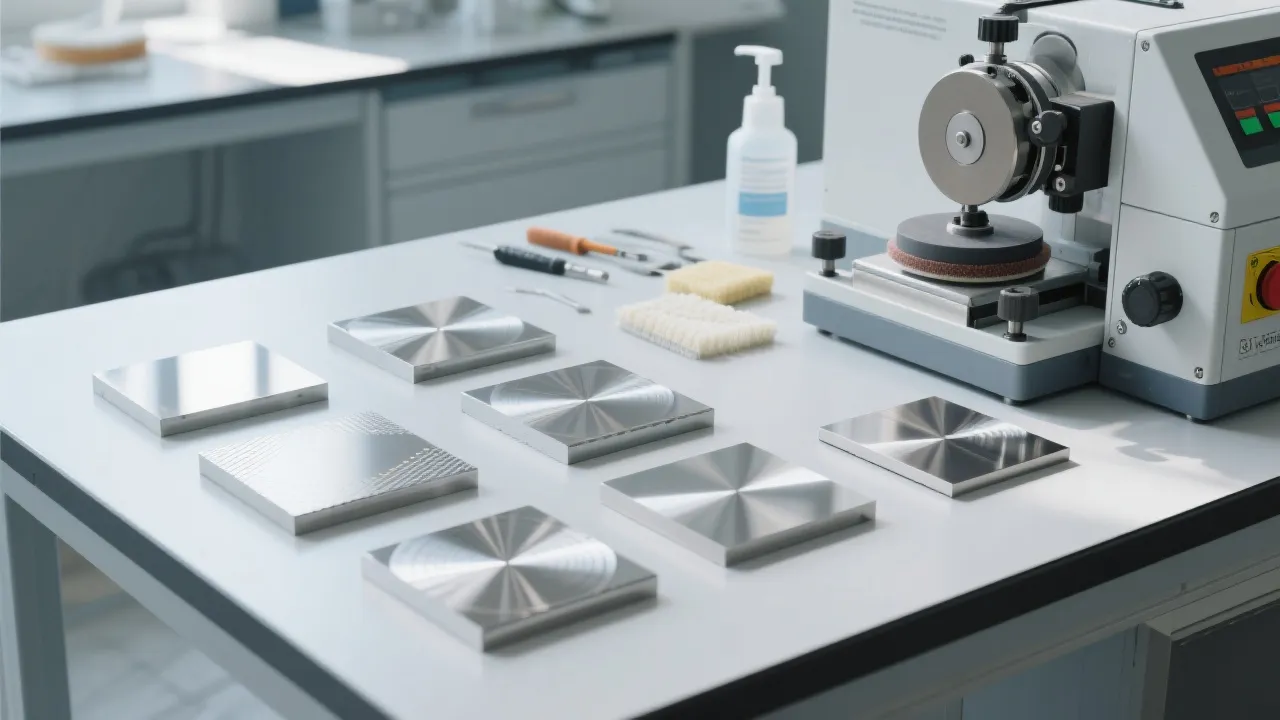
Remove residue daily using soft brushes and distilled water. Never use solvents—they degrade the surface coating. A quarterly inspection ensures consistent flatness within ±0.02 mm tolerance.
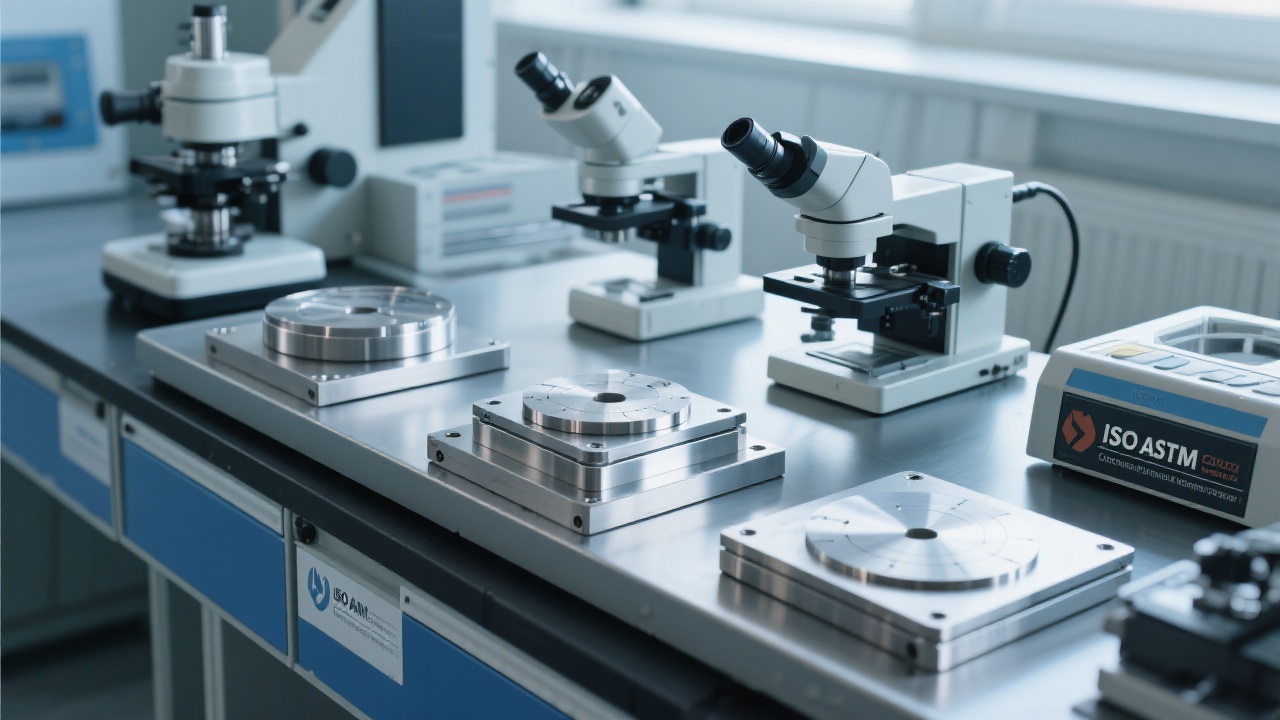
4. Motor Temperature Monitoring – Don’t Wait for Warning Lights
Install a digital thermometer probe near the motor casing. Set alerts at 65°C (normal) and 75°C (alert). In one case study, early detection prevented a complete motor burnout worth $1,200 in replacement costs.
5. Common Faults & Quick Fixes
- Unstable rotation? Check belt tension—should be 15–20 Nm. - Excessive vibration? Rebalance the grinding disc using the built-in adjustment tool. - Slow speed? Verify power supply voltage (±5% of nominal).
Start simple: create a printable checklist divided into weekly, monthly, and quarterly tasks. Assign ownership to lab technicians and log each entry digitally via Google Sheets or LabVantage. After three months, review metrics like mean time between failures (MTBF) and adjust intervals accordingly.
One German lab manager shared: “We used to react to breakdowns—we now anticipate them.” With proper planning, your team can reduce emergency repairs by over 50%, boost confidence in test results, and extend the value of your investment.
 201
|
201
|
 manual dual-disc metallographic polisher
LCD interface variable speed control
fiberglass equipment durability
metallographic polishing maintenance
after-sales service customer cases
490
|
hardness tester selection guide
Rockwell hardness test parameter settings
automatic load control hardness tester
metallographic inspection equipment
material hardness testing standards
60
|
metal microstructure analysis
standardized microscopy workflow
metallographic microscope
quality control in metallurgy
ASTM metallography standards
320
|
sample cutting machine selection guide
industrial sample preparation equipment
cutting efficiency improvement
cooling system performance evaluation
grinding wheel type selection
439
|
metallographic prepolishing machine maintenance
preventive maintenance for lab equipment
grinding disc cleaning frequency
motor temperature control in lab machines
industrial lab equipment reliability
manual dual-disc metallographic polisher
LCD interface variable speed control
fiberglass equipment durability
metallographic polishing maintenance
after-sales service customer cases
490
|
hardness tester selection guide
Rockwell hardness test parameter settings
automatic load control hardness tester
metallographic inspection equipment
material hardness testing standards
60
|
metal microstructure analysis
standardized microscopy workflow
metallographic microscope
quality control in metallurgy
ASTM metallography standards
320
|
sample cutting machine selection guide
industrial sample preparation equipment
cutting efficiency improvement
cooling system performance evaluation
grinding wheel type selection
439
|
metallographic prepolishing machine maintenance
preventive maintenance for lab equipment
grinding disc cleaning frequency
motor temperature control in lab machines
industrial lab equipment reliability



Hardness-TesterHV-1000A-1.jpg?x-oss-process=image/resize,m_fill,h_800,w_800/format,webp)


