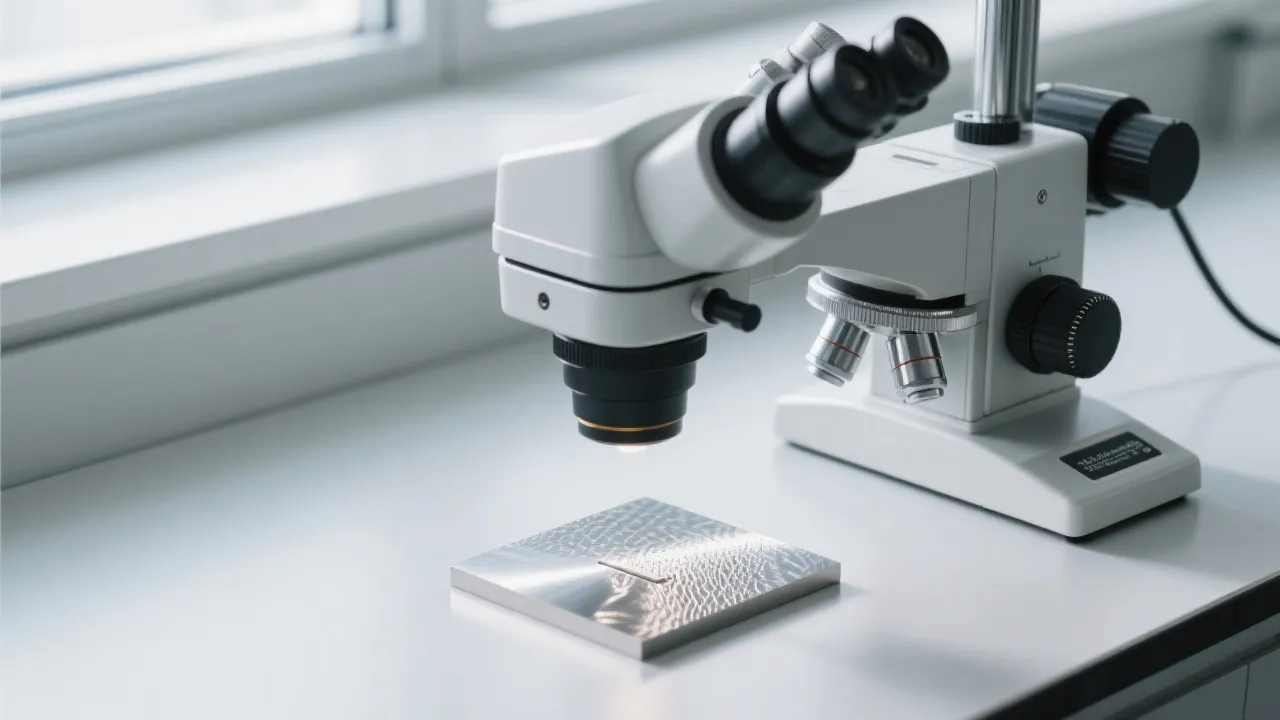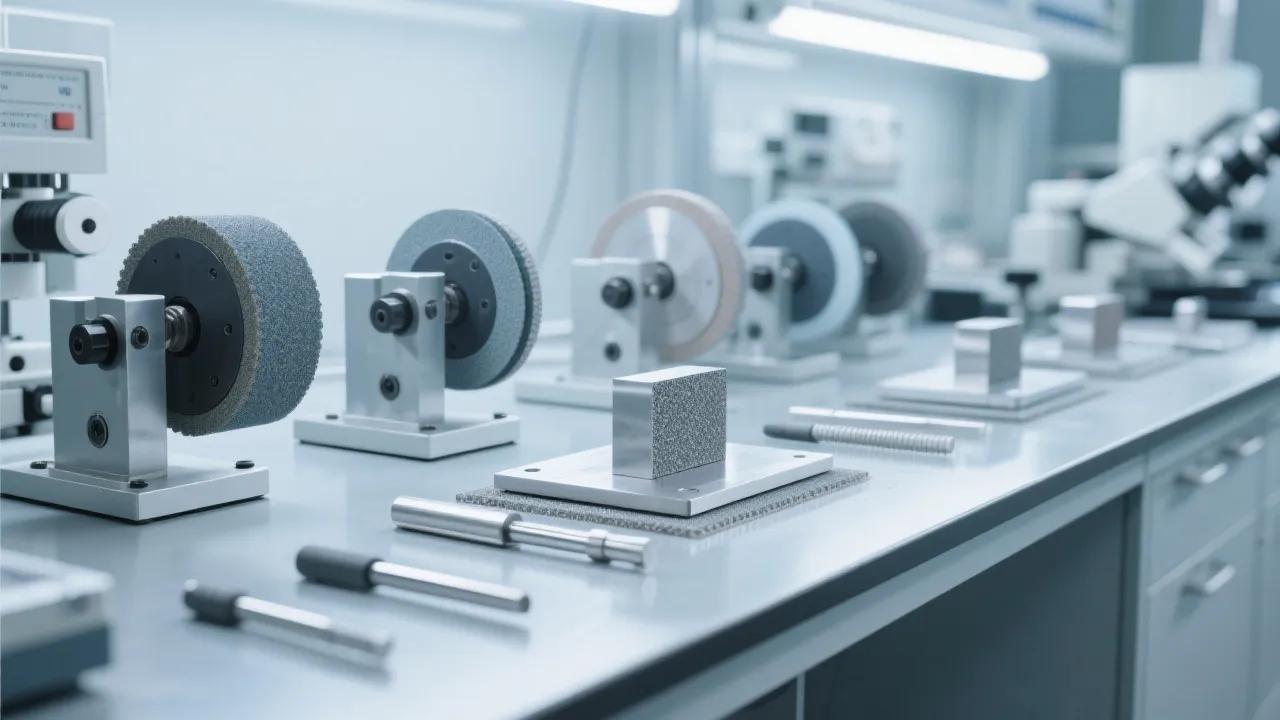
In metallographic laboratories worldwide, sample mounting quality directly impacts the accuracy of microstructure analysis. Poorly mounted specimens can lead to misinterpretation of grain structure, phase distribution, or mechanical properties—costing time, resources, and even product reliability. According to a 2023 survey by the American Society for Testing and Materials (ASTM), over 42% of lab-reported inconsistencies in microanalysis were traced back to improper sample preparation, with mounting defects being one of the top three root causes.
Before polishing begins, ensure your mounted samples meet these three core criteria:
| Parameter | ASTM E3-11 | ISO 3189 |
|---|---|---|
| Max Bubble Size | ≤ 0.5 mm | ≤ 0.3 mm |
| Edge Retention | ≥ 90% | ≥ 95% |
| Resin Uniformity | No visible stratification | Homogeneous cross-section |
These standards aren’t just guidelines—they’re benchmarks for reproducibility. Labs that align with both ASTM and ISO protocols report up to 30% fewer rework cycles, per a 2022 study from the International Association of Materials Science.
A materials testing lab in Germany experienced frequent edge cracking when mounting irregular-shaped titanium alloys. After analyzing their process, they discovered that using a standard low-pressure mounter caused uneven pressure distribution. Switching to a high-precision device like the LaiZhou JinCheng ZXQ-2 significantly reduced defects by applying consistent pressure (±2%) across the entire sample area. This change improved edge integrity from 78% to 96%, meeting ISO 3189 requirements consistently.
If you're facing similar challenges—whether it's bubble formation, incomplete encapsulation, or inconsistent hardness readings—don't guess. Measure. Standardize. Improve.
Need help optimizing your mounting workflow?
Our team at LaiZhou JinCheng offers free technical consultation and on-site support for labs using the ZXQ-2 series. Let’s make your next sample preparation error-free.
Get Your Free Mounting Audit Today 357
|
357
|
 manual metallographic cutting machine
metallographic sample preparation
scientific research equipment
metallography consumables
sample cutting technology
306
|
micro Vickers hardness tester
intelligent touch hardness testing
high-precision hardness measurement
mechanical processing hardness
metallurgical research hardness testing
320
|
sample cutting machine selection guide
industrial sample preparation equipment
cutting efficiency improvement
cooling system performance evaluation
grinding wheel type selection
469
|
Metallographic embedding quality detection
ASTM E3 - 11 standard
Metallographic sample quality assessment
Irregular metallographic specimen embedding machine
Embedding defect detection methods
185
|
metal microstructure analysis
ASTM E3 standard
ISO 14104
microscopy best practices
laboratory intercomparison
manual metallographic cutting machine
metallographic sample preparation
scientific research equipment
metallography consumables
sample cutting technology
306
|
micro Vickers hardness tester
intelligent touch hardness testing
high-precision hardness measurement
mechanical processing hardness
metallurgical research hardness testing
320
|
sample cutting machine selection guide
industrial sample preparation equipment
cutting efficiency improvement
cooling system performance evaluation
grinding wheel type selection
469
|
Metallographic embedding quality detection
ASTM E3 - 11 standard
Metallographic sample quality assessment
Irregular metallographic specimen embedding machine
Embedding defect detection methods
185
|
metal microstructure analysis
ASTM E3 standard
ISO 14104
microscopy best practices
laboratory intercomparison