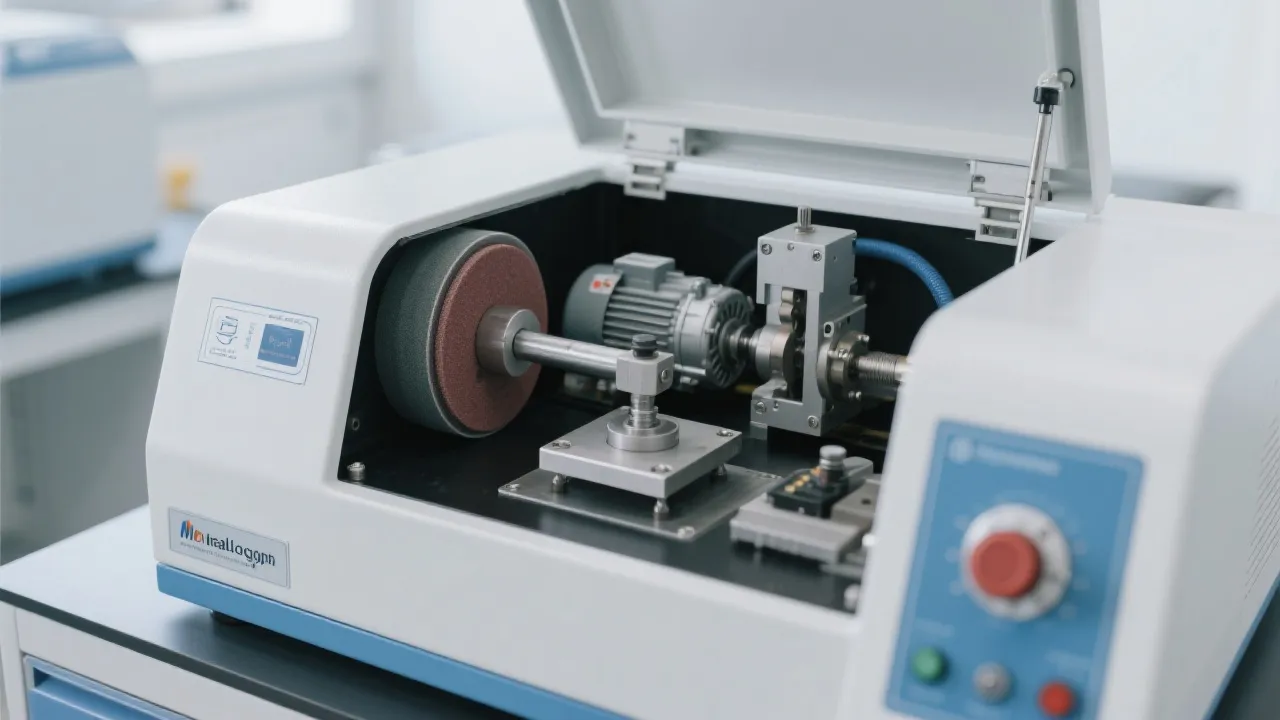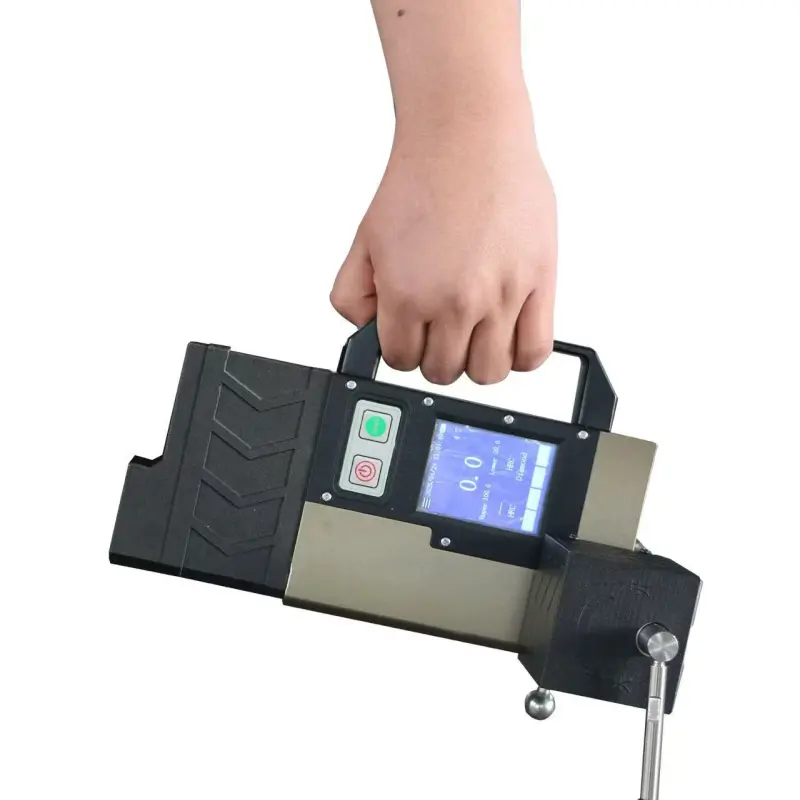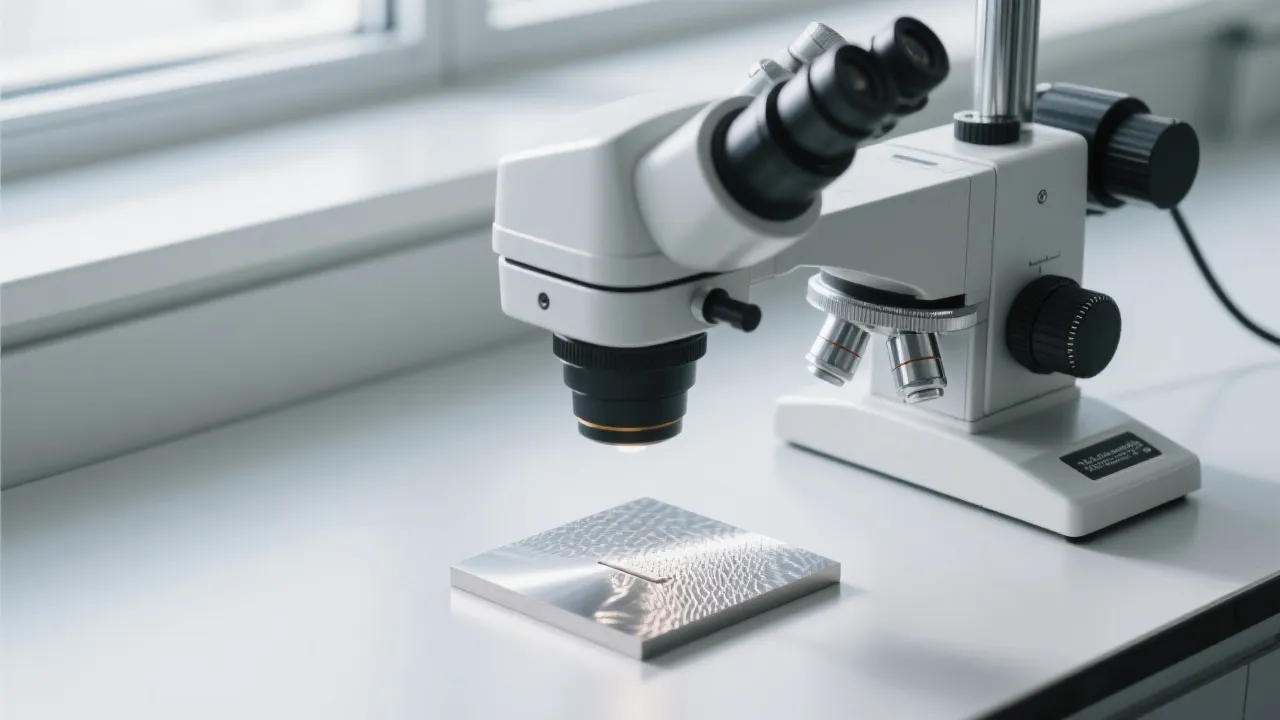
Have you ever experienced the frustration of costly reworks or sample damage during your industrial sample preparation? The root cause often lies in selecting a sample cutting machine that doesn’t meet the specific technical requirements of your application. This article dissects how overlooking key parameters such as cutting diameter, power transmission capacity, and cooling system efficiency can trigger a cascade of production bottlenecks leading to increased downtime and rejected samples.
The heart of an efficient sample cutter lies in its technical specifications. Let's break down the essentials:
Different industries impose distinctive demands on cutting equipment:
| Industry | Key Parameters | Typical Challenges |
|---|---|---|
| Metal Processing | High power transmission, robust cooling, and diamond abrasive wheels. | Blade wear, overheating causing sample warping. |
| Non-metal Inspection (e.g., ceramics, polymers) | Precise cutting diameter control, gentle torque, fine-grain abrasive wheels. | Chipping, cracking, and inconsistent edge quality. |
Understanding these differences enables targeted equipment selection that aligns with your material properties and downstream processes.
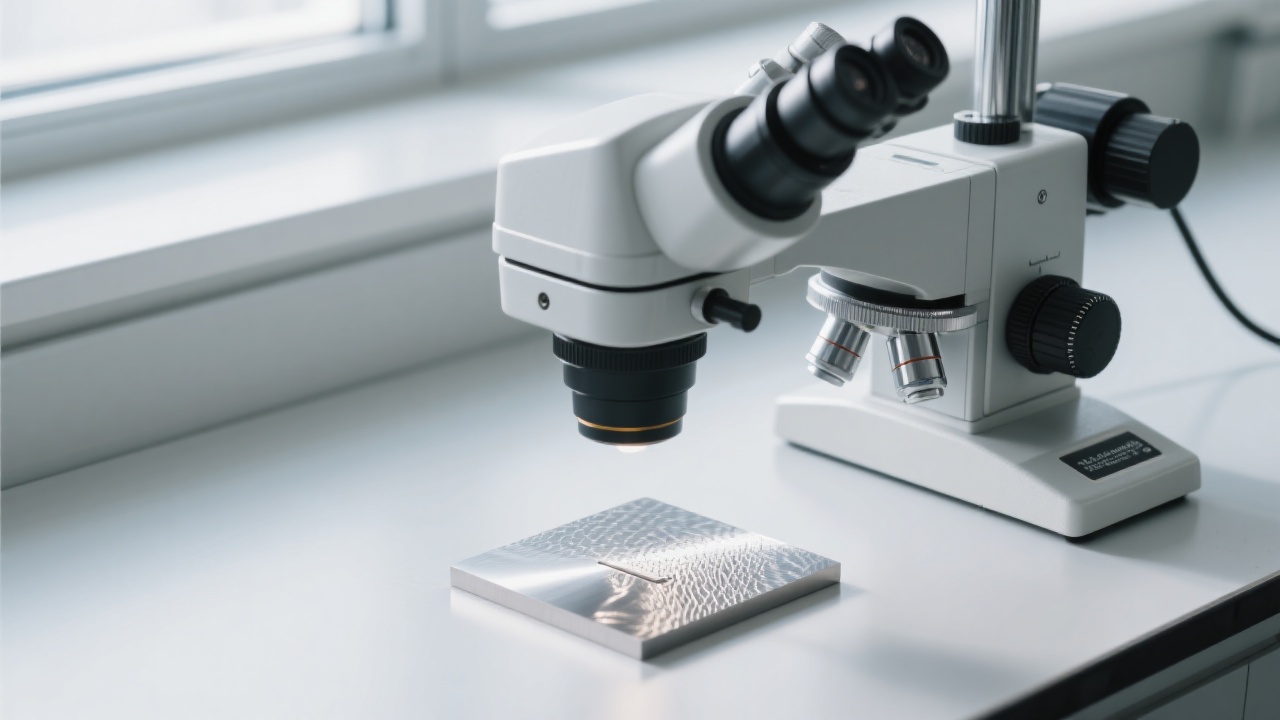
One manufacturing company faced recurring stoppages due to their sample cutter overheating—a result of an inefficient cooling mechanism. The frequent thermal stress caused blade fractures and sample surface cracks. After implementing a cooling system upgrade that reduced downtime by 50%, the company noted a 30% improvement in yield and minimized sample rejections.
Complement this by choosing abrasive wheels matched to your sample’s hardness and fragility. For instance, fine-grain wheels excel in cutting brittle materials with minimal chipping.
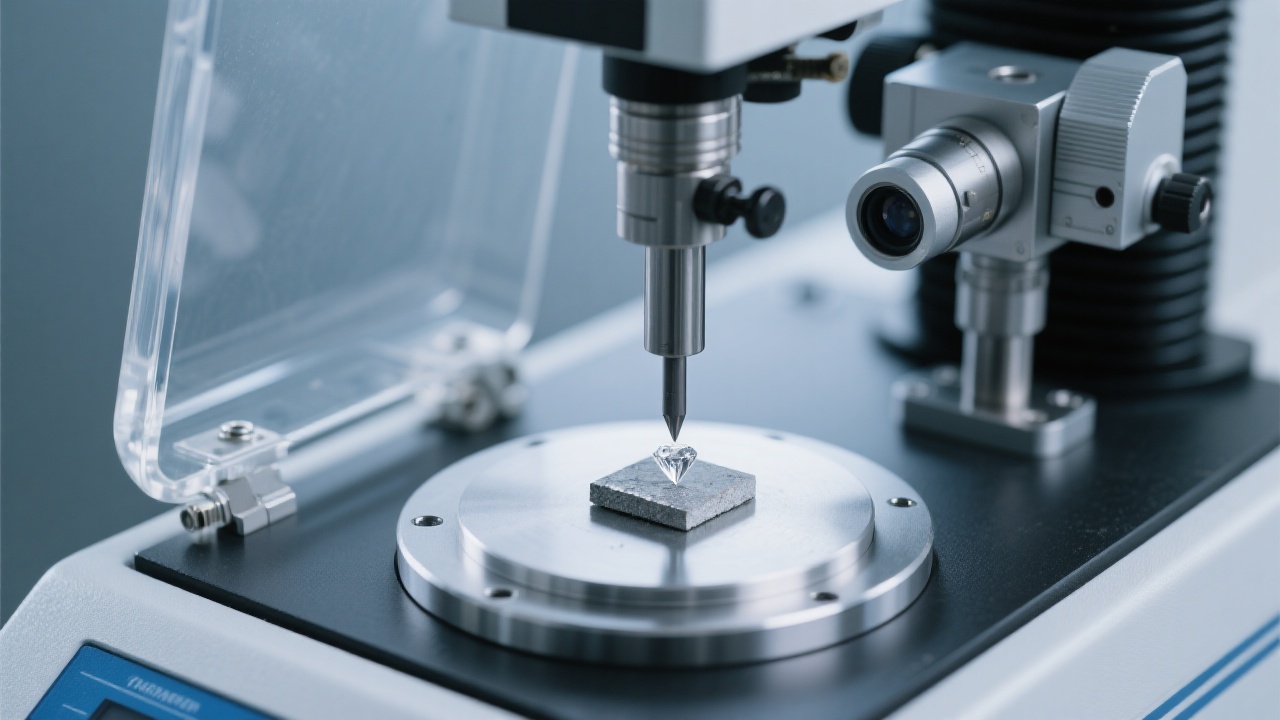
Are you facing unexpected sample rejections or equipment downtime? Have you thoroughly evaluated if your sample cutter's parameters align with material and process needs? Conducting a structured self-diagnosis can unlock significant savings and streamline your production.
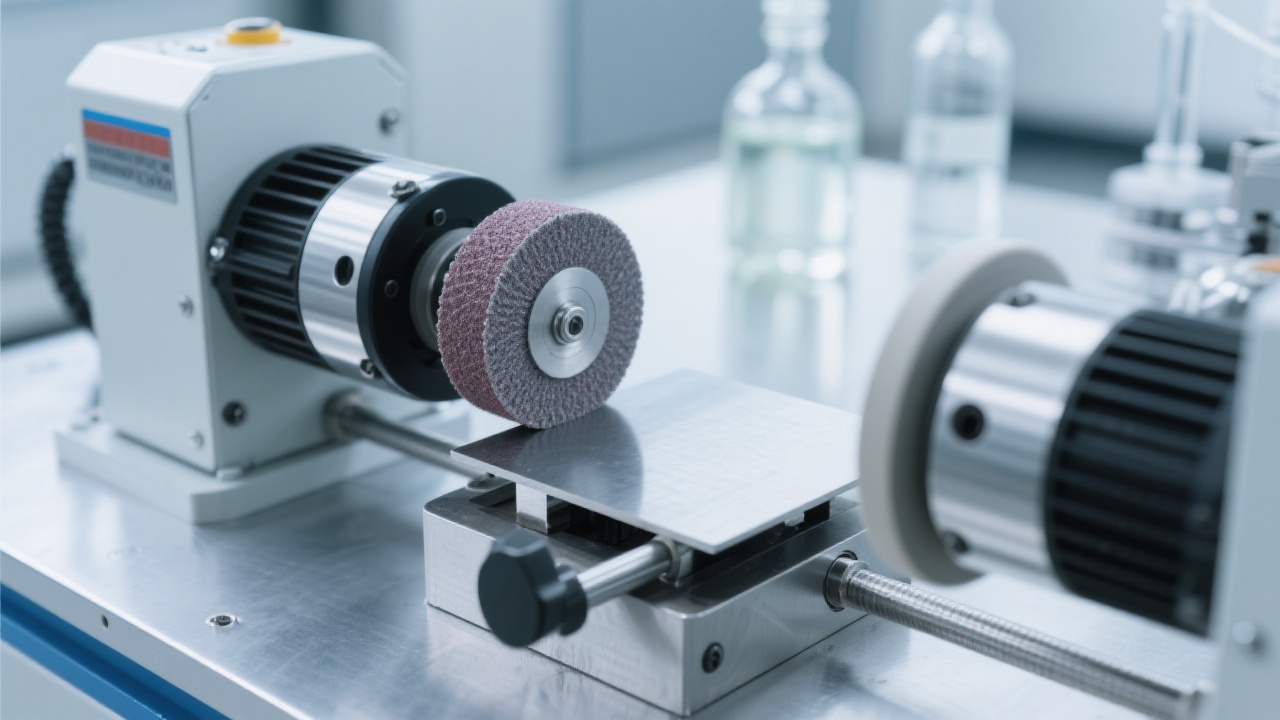
We invite you to share: What has been your biggest challenge with sample cutting equipment? Comment below and connect with a community navigating similar issues.
 201
|
201
|
 manual dual-disc metallographic polisher
LCD interface variable speed control
fiberglass equipment durability
metallographic polishing maintenance
after-sales service customer cases
314
|
metal sample grinder polisher
metallographic analysis improvement
intelligent grinding equipment
stepless speed control
ASTM ISO compliant polishing machine
306
|
micro Vickers hardness tester
intelligent touch hardness testing
high-precision hardness measurement
mechanical processing hardness
metallurgical research hardness testing
490
|
hardness tester selection guide
Rockwell hardness test parameter settings
automatic load control hardness tester
metallographic inspection equipment
material hardness testing standards
289
|
non-metallic material hardness testing
Rockwell hardness testing standards
ceramic hardness measurement
plastic material hardness evaluation
composite indentation analysis
manual dual-disc metallographic polisher
LCD interface variable speed control
fiberglass equipment durability
metallographic polishing maintenance
after-sales service customer cases
314
|
metal sample grinder polisher
metallographic analysis improvement
intelligent grinding equipment
stepless speed control
ASTM ISO compliant polishing machine
306
|
micro Vickers hardness tester
intelligent touch hardness testing
high-precision hardness measurement
mechanical processing hardness
metallurgical research hardness testing
490
|
hardness tester selection guide
Rockwell hardness test parameter settings
automatic load control hardness tester
metallographic inspection equipment
material hardness testing standards
289
|
non-metallic material hardness testing
Rockwell hardness testing standards
ceramic hardness measurement
plastic material hardness evaluation
composite indentation analysis