
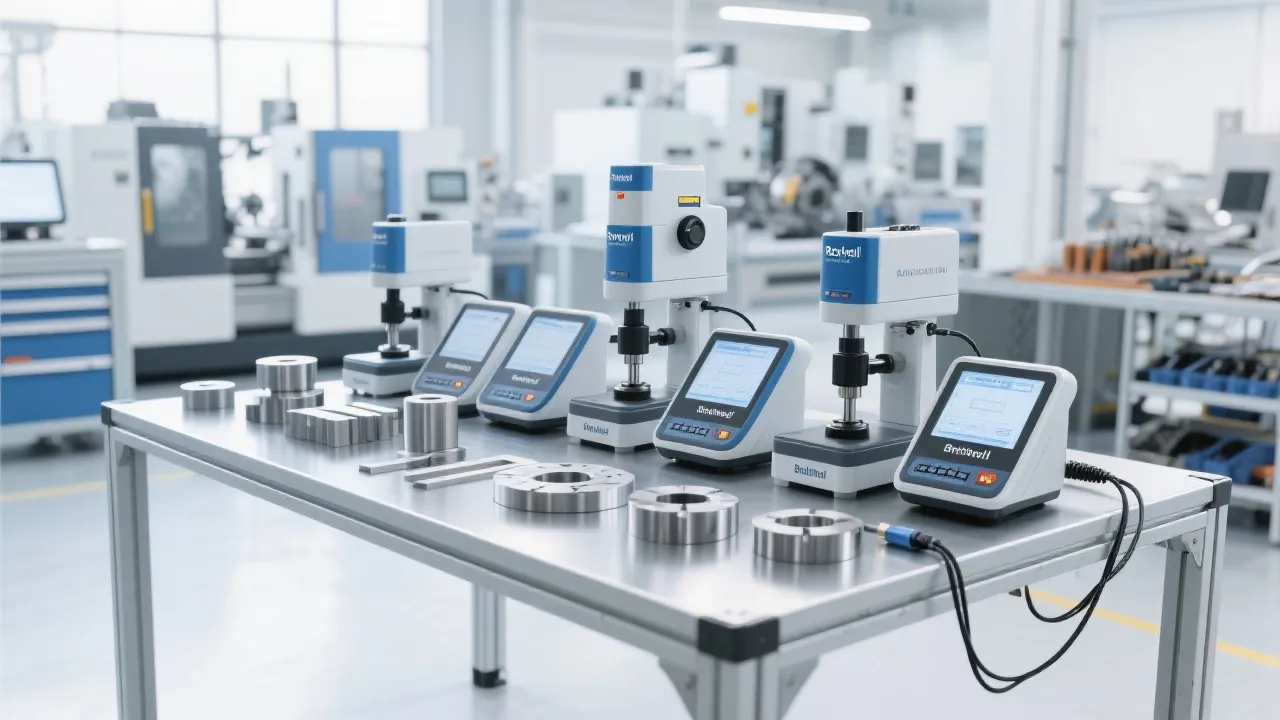
Metallographic sample preparation is a crucial process in laboratory analysis, especially for foreign trade laboratories. However, many technicians often fall into common operational pitfalls, which can lead to sub - standard sample quality. This article aims to provide in - depth insights into these mistakes and offer practical solutions to improve polishing precision.
In the process of metallographic sample preparation, there are four main aspects where mistakes frequently occur: tool selection, consumable matching, operation methods, and environmental control.
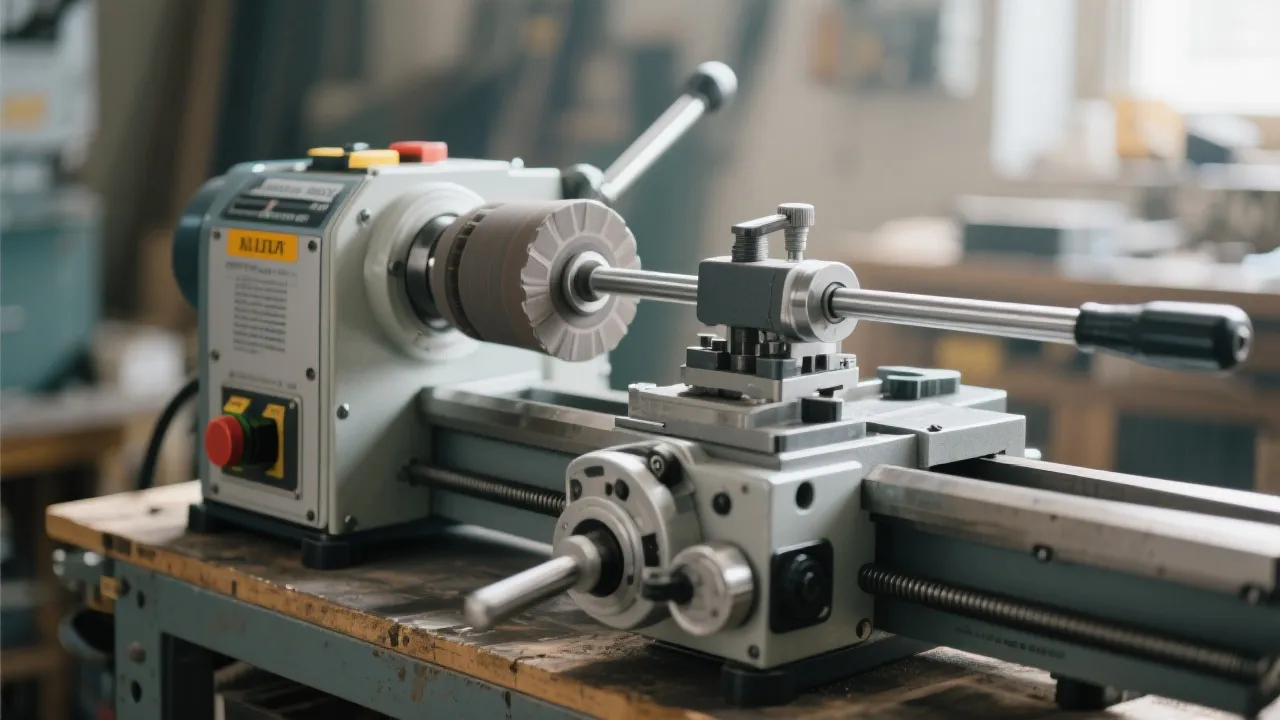
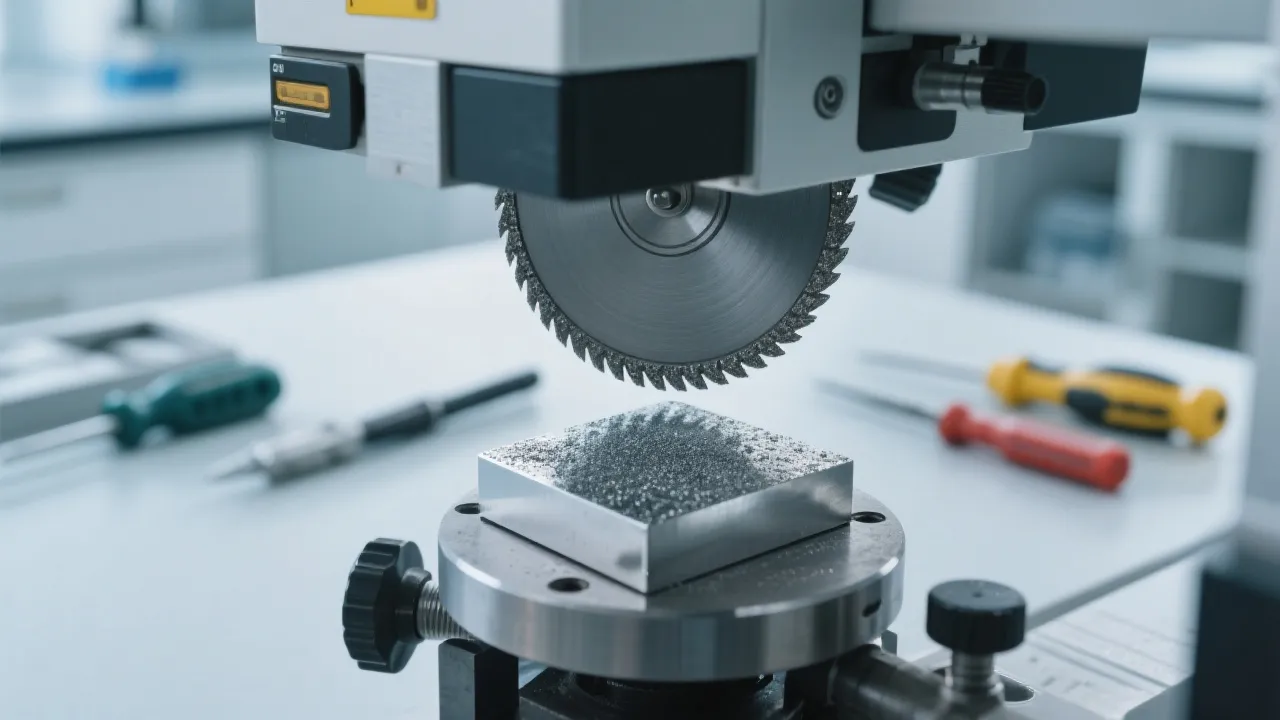
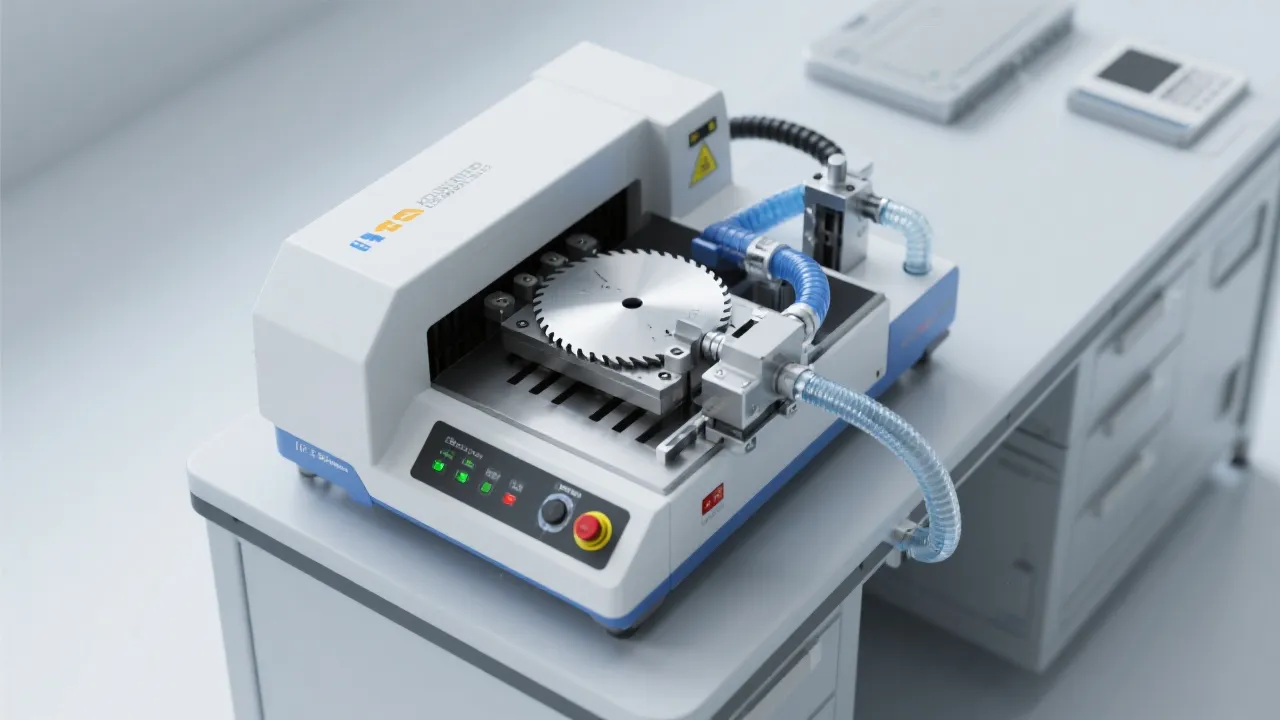
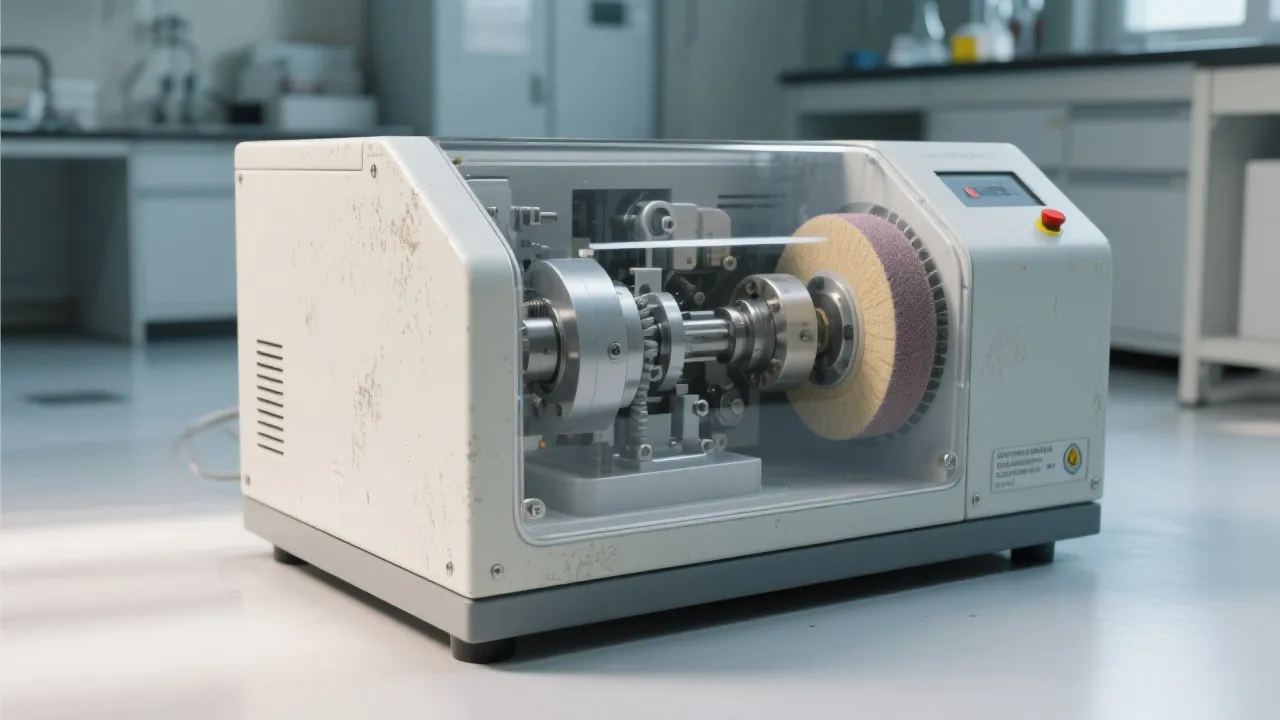
For tool selection, using inappropriate tools can significantly affect the quality of the sample. For example, if the grinding wheel has an improper grit size, it may cause excessive surface roughness. According to industry statistics, about 30% of sample preparation failures are related to incorrect tool selection.
When it comes to consumable matching, the combination of grinding cloth and polishing liquid is crucial. Different particle sizes of grinding cloth and polishing liquid are suitable for different stages of the sample preparation process. For instance, a coarse - grained grinding cloth is used for the initial grinding stage, while a fine - grained one is used for the final polishing. In practice, mismatching these consumables can result in scratches on the sample surface, which is one of the most common defects in sample preparation.
Operation methods also play a vital role. Incorrect operation, such as applying uneven pressure during grinding and polishing, can lead to inconsistent sample quality. About 25% of sample preparation issues are due to improper operation methods.
Environmental control is often overlooked. Factors like temperature, humidity, and dust can affect the sample preparation process. For example, high humidity may cause the polishing liquid to dry slowly, while dust can contaminate the sample surface.
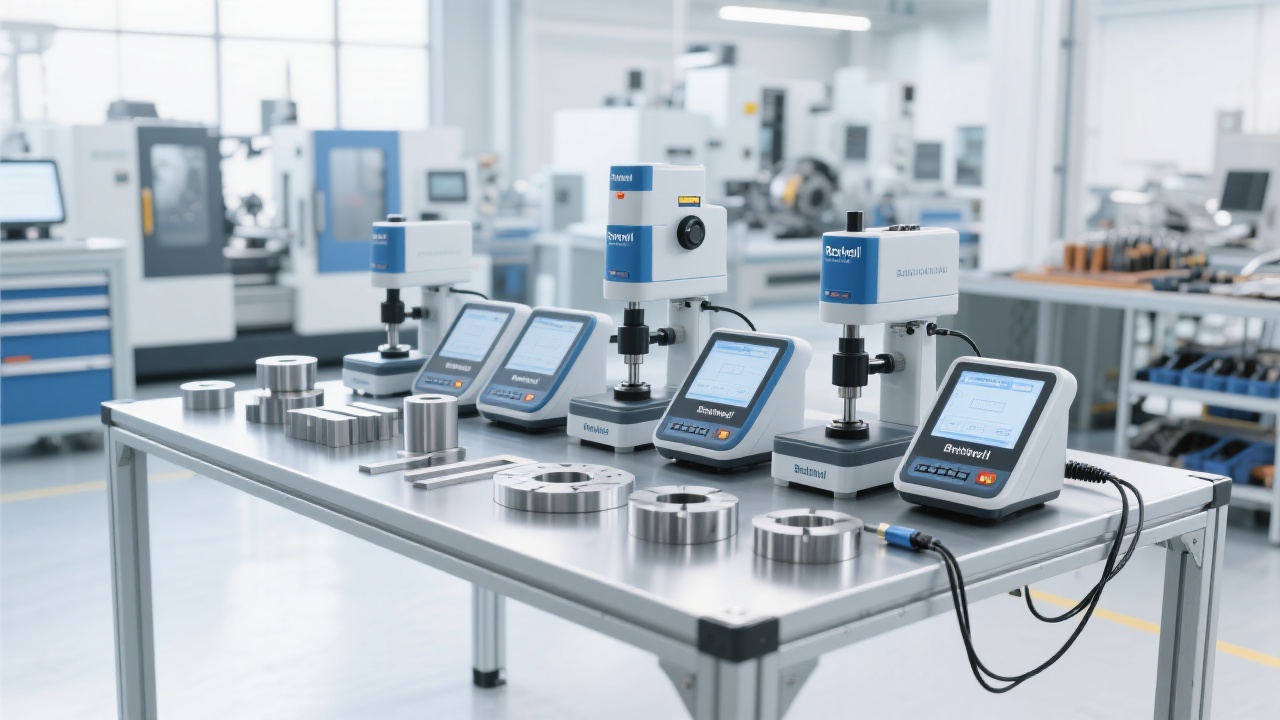
To address these issues, technicians need to follow a standardized process. First, select the appropriate tools and consumables according to the material of the sample. For metal samples, different alloys may require different grinding and polishing processes. For example, stainless steel may need a more delicate polishing process compared to carbon steel.
Second, follow the correct operation steps. Apply even pressure during grinding and polishing, and ensure that the sample is in full contact with the grinding and polishing surface. Regularly clean the work disk to maintain the quality of the polishing. According to research, regular work disk cleaning can improve the polishing quality by about 20%.
Third, control the environment. Keep the laboratory at a stable temperature and humidity, and minimize dust. This can significantly reduce the occurrence of sample defects.
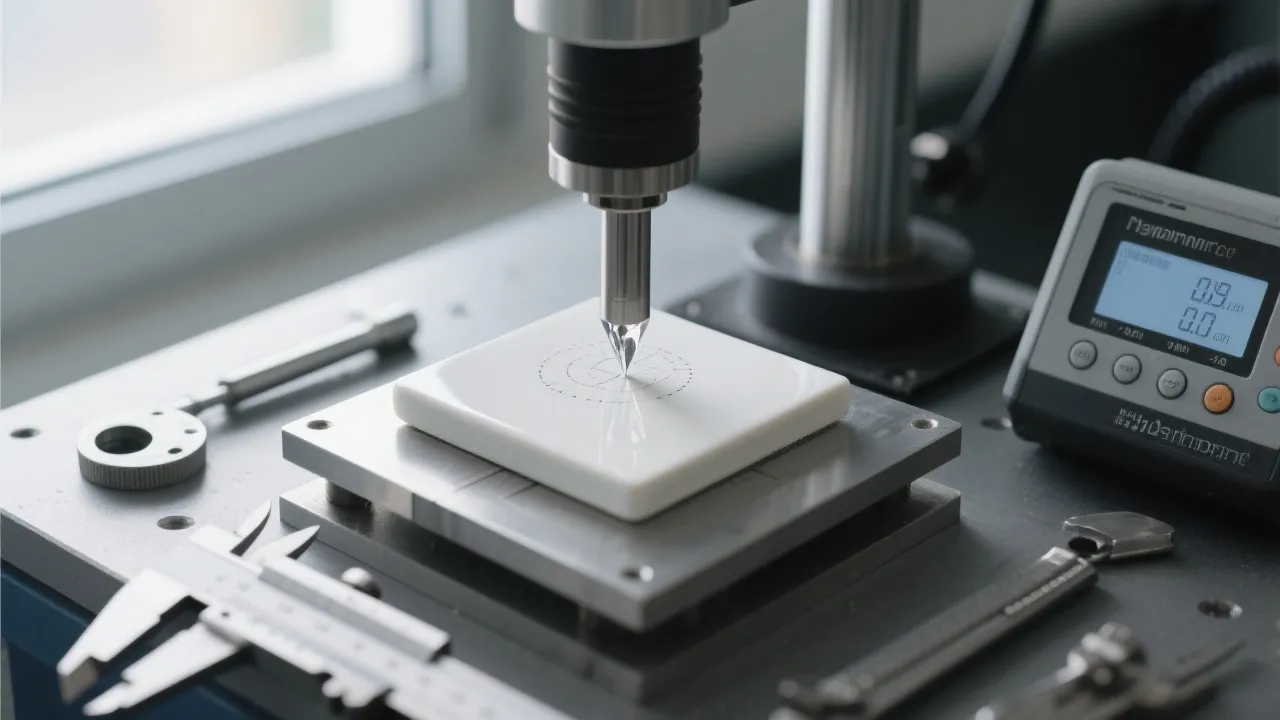
There are significant differences in sample preparation for different materials, such as metals, alloys, and ceramics. Metals and alloys usually have higher ductility, so they require more careful polishing to avoid surface deformation. Ceramics, on the other hand, are more brittle and may require a different grinding and polishing process to prevent cracking.
For example, when preparing a ceramic sample, a lower - speed grinding process is often required to avoid excessive stress on the material. In contrast, for metal samples, a higher - speed grinding process can be used in the initial stage to remove large amounts of material quickly.
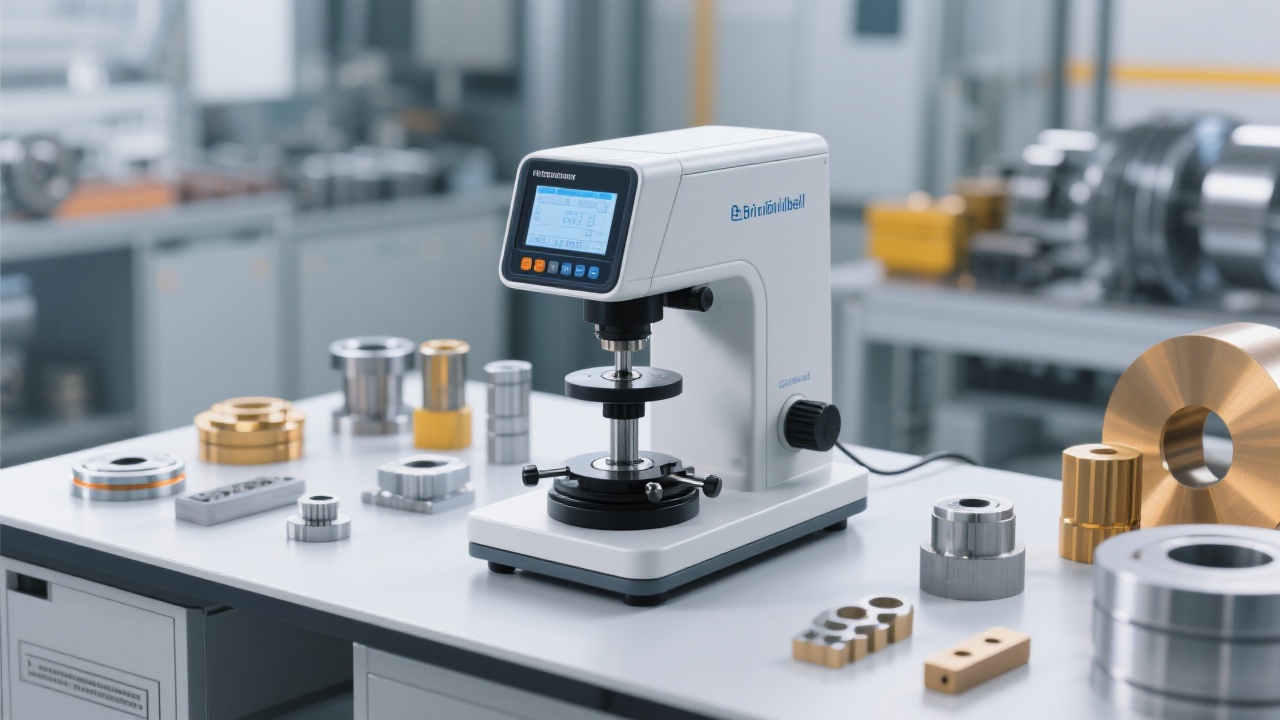
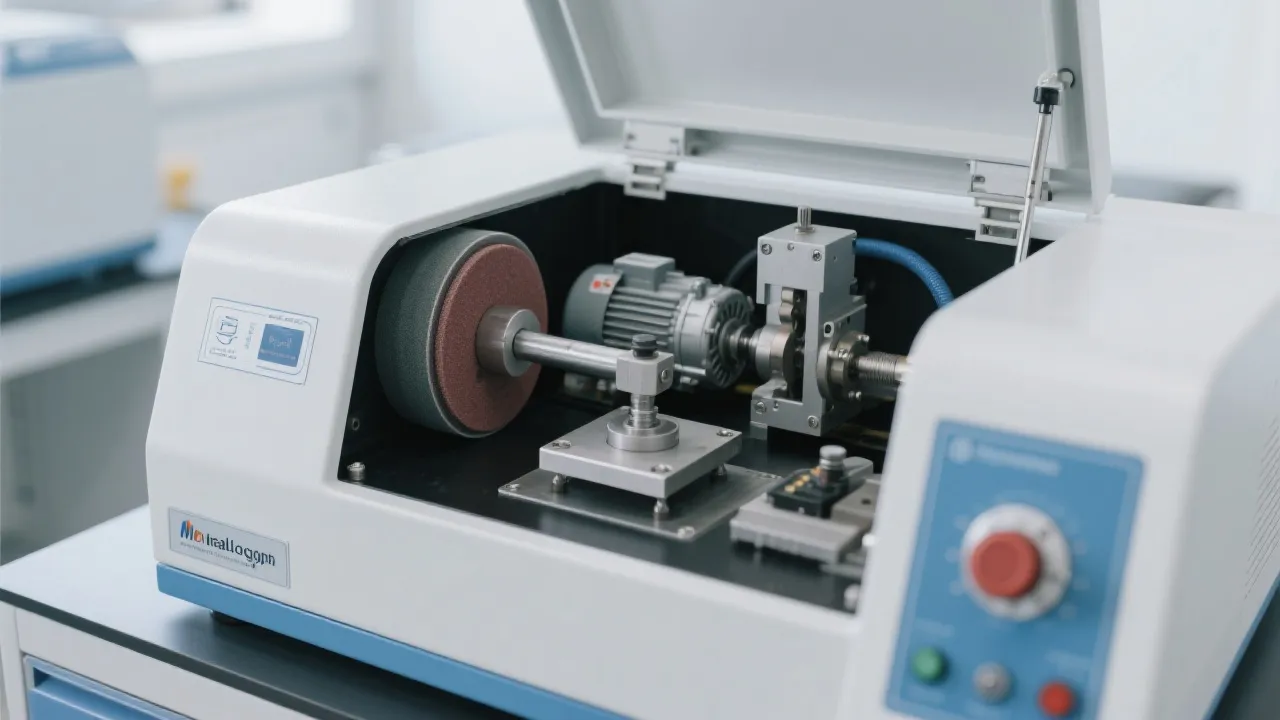
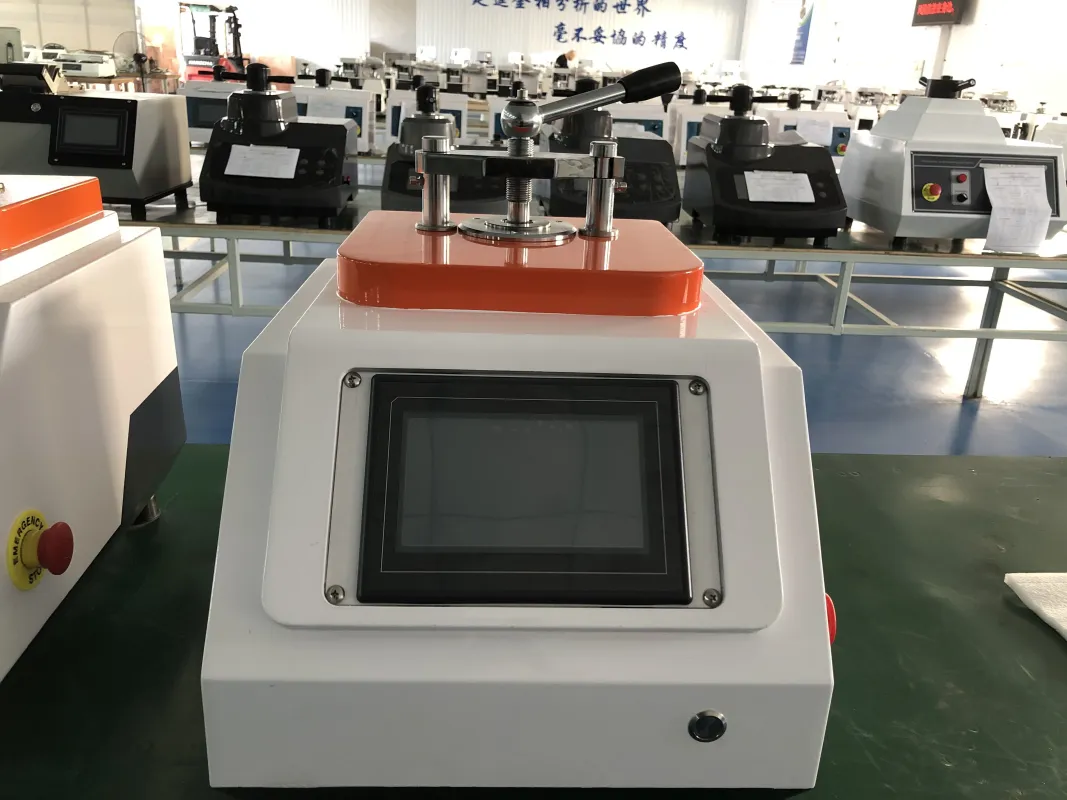
To achieve high - quality and stable metallographic sample preparation, the use of high - performance equipment is essential. The MP - 1B manual metallographic grinding and polishing machine from Laizhou Jincheng Industrial Equipment Co., Ltd. is an excellent choice.
This machine features stepless speed regulation, which allows technicians to adjust the speed according to different sample preparation requirements. It is also certified to meet ASTM and ISO international standards, ensuring the reliability and accuracy of the sample preparation process.
In addition to the high - performance equipment, Laizhou Jincheng Industrial Equipment Co., Ltd. also provides comprehensive technical support and after - sales service. Their professional team can offer customized solutions based on the specific needs of foreign trade laboratories, helping them improve their overall competitiveness and work efficiency.
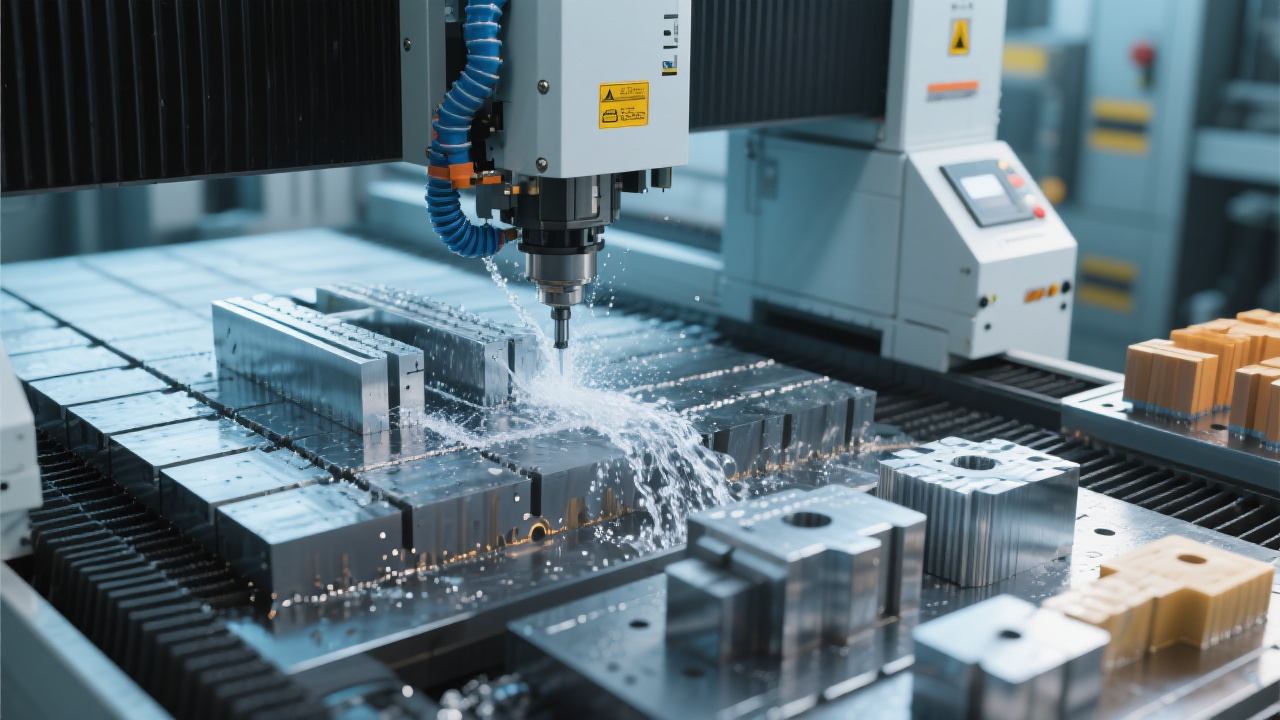
In conclusion, by understanding the common mistakes in metallographic sample preparation, following standardized processes, and using high - performance equipment like the MP - 1B manual metallographic grinding and polishing machine, foreign trade laboratories can significantly improve the quality of their sample preparation. If you are interested in learning more about our products and customized services, please click here to explore further.
 357
|
357
|
 manual metallographic cutting machine
metallographic sample preparation
scientific research equipment
metallography consumables
sample cutting technology
385
|
Brinell hardness tester daily maintenance
automatic loading hardness tester fault identification
hardness tester maintenance skills
HBS - 3000Z maintenance guide
hardness tester calibration cycle
108
|
Metallographic pre - grinder maintenance
Equipment lifespan extension
Preventive maintenance
Industrial laboratory equipment maintenance
Metallographic equipment maintenance
103
|
GB/T 231.2
Brinell hardness testing
steel quality control
portable hardness tester
international trade steel inspection
125
|
Metal sample cutting precision improvement
Sample clamping stability
Metallographic sample preparation common mistakes and solutions
Cooling system efficiency
Tool wear monitoring
manual metallographic cutting machine
metallographic sample preparation
scientific research equipment
metallography consumables
sample cutting technology
385
|
Brinell hardness tester daily maintenance
automatic loading hardness tester fault identification
hardness tester maintenance skills
HBS - 3000Z maintenance guide
hardness tester calibration cycle
108
|
Metallographic pre - grinder maintenance
Equipment lifespan extension
Preventive maintenance
Industrial laboratory equipment maintenance
Metallographic equipment maintenance
103
|
GB/T 231.2
Brinell hardness testing
steel quality control
portable hardness tester
international trade steel inspection
125
|
Metal sample cutting precision improvement
Sample clamping stability
Metallographic sample preparation common mistakes and solutions
Cooling system efficiency
Tool wear monitoring



Hardness-Tester7MHVS-1000A-1.jpg?x-oss-process=image/resize,m_fill,h_800,w_800/format,webp)


