
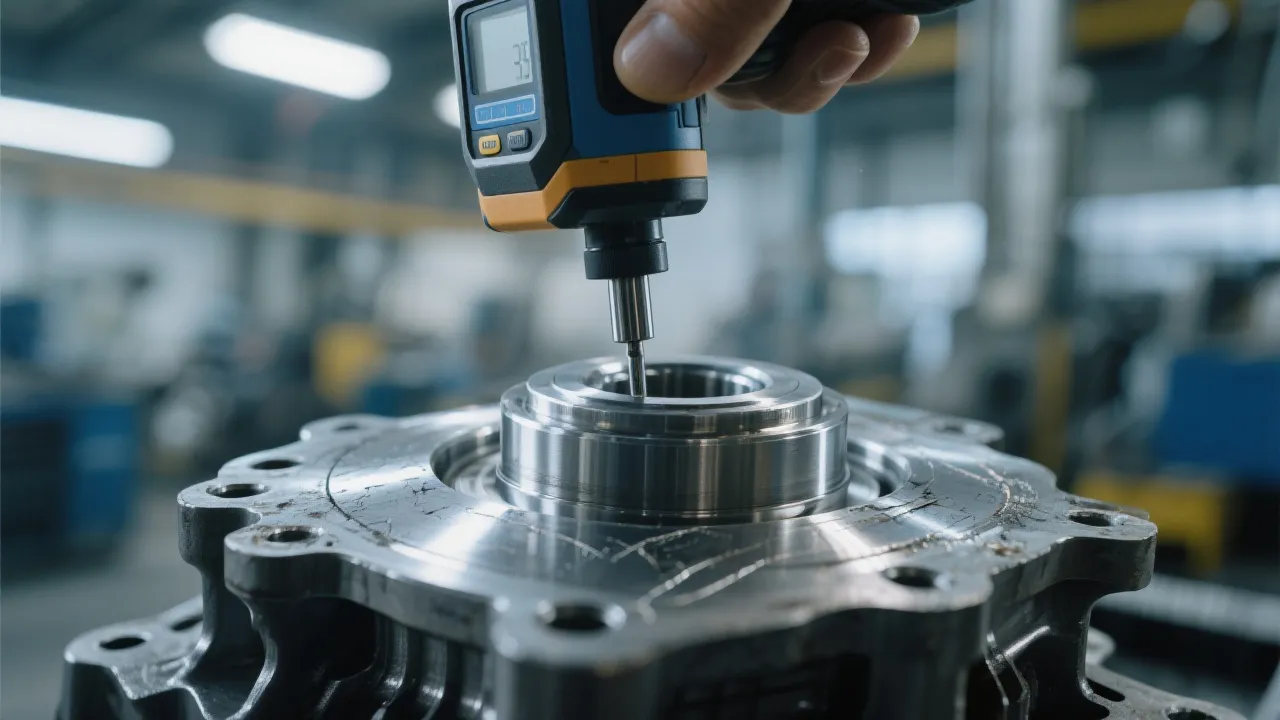
In the laboratory, metallographic sample preparation is a critical process that directly impacts the accuracy of scientific research and testing results. However, many technicians, especially beginners, often encounter various problems, leading to rough polished surfaces and scratches on samples. This article aims to delve into these common myths and provide practical solutions to help improve the quality of metallographic sample preparation.
The first key to high - precision metallographic sample preparation is the proper selection of tools and consumables. Different types of samples require different grinding and polishing tools. For example, for hard metal samples, a more rigid grinding disc may be needed, while for softer materials, a more flexible grinding cloth can be used.
When it comes to consumables, the combination of grinding cloth and polishing liquid is crucial. Different particle size combinations of polishing liquids are suitable for different stages of the polishing process. For the initial stage of rough grinding, a larger particle size polishing liquid (e.g., 10 - 20μm) can quickly remove surface irregularities, while in the final fine - polishing stage, a smaller particle size (e.g., 0.1 - 1μm) is required to achieve a smooth and scratch - free surface.
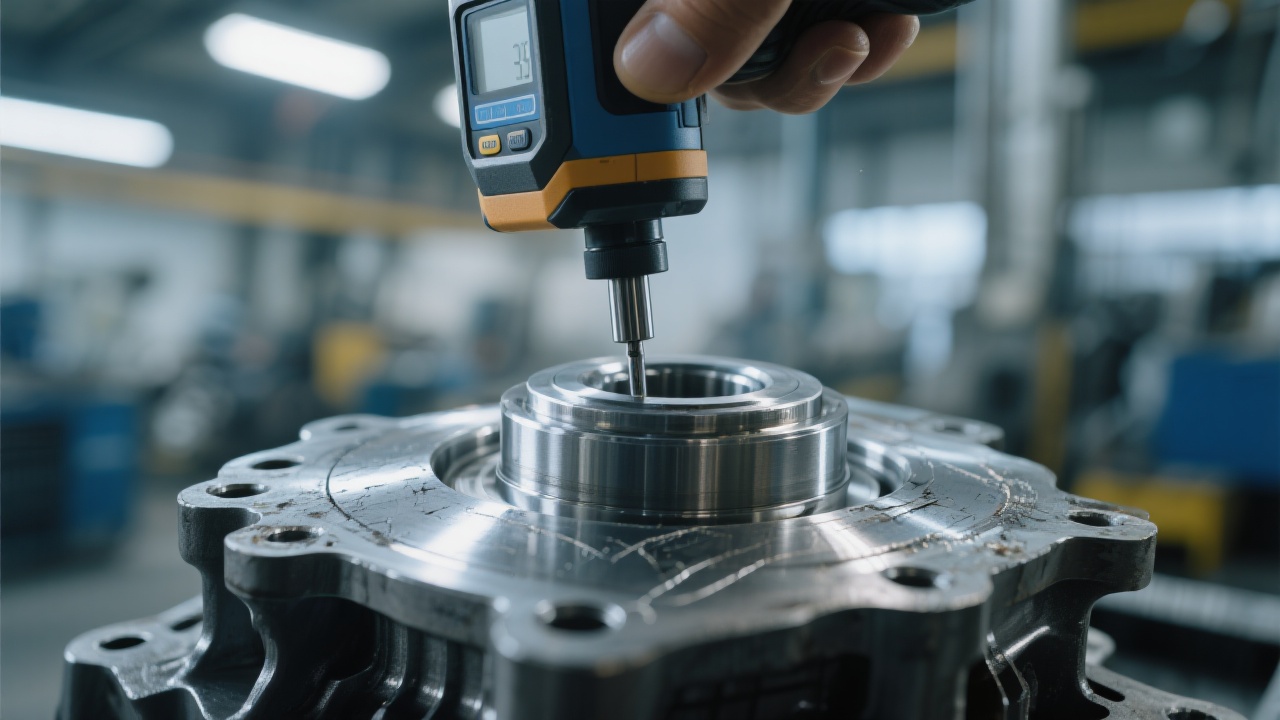
Standardized operation techniques are the core of high - quality metallographic sample preparation. First of all, the pressure applied during the grinding and polishing process should be uniform. Excessive pressure can cause scratches on the sample surface, while insufficient pressure may lead to uneven polishing.
In addition, the rotation speed of the equipment also needs to be carefully controlled. Different stages of the polishing process may require different rotation speeds. For example, during the rough grinding stage, a relatively high rotation speed (e.g., 300 - 500 rpm) can improve the efficiency, while in the fine - polishing stage, a lower rotation speed (e.g., 100 - 200 rpm) is more appropriate to ensure the smoothness of the surface.
The environment in the laboratory also has a significant impact on the quality of metallographic sample preparation. Dust and impurities in the air can easily adhere to the sample surface during the grinding and polishing process, causing scratches. Therefore, the laboratory should maintain a clean environment, and the equipment should be regularly cleaned. For example, the work disk of the grinding and polishing machine should be cleaned at least once a week to prevent the accumulation of abrasive particles and debris.
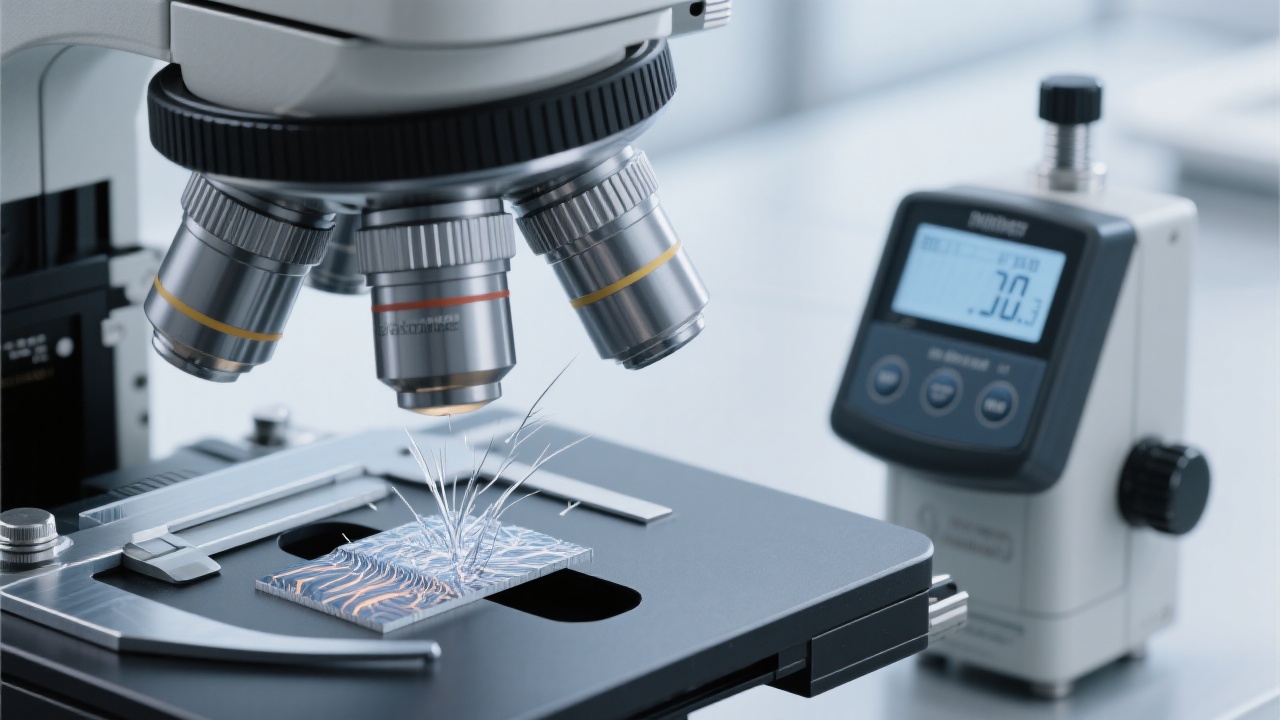
Let's take a look at a typical case. A laboratory was previously experiencing a high rate of rough - polished and scratched samples. After analyzing the process, it was found that they were using an inappropriate combination of grinding cloth and polishing liquid. By adjusting to a more suitable combination and standardizing the operation techniques, the quality of the samples was significantly improved. Before the improvement, the defect rate of samples was about 30%, but after the improvement, it dropped to less than 5%.
Q: How often should I change the grinding cloth? A: It depends on the usage frequency and the type of samples. Generally, for continuous use, it is recommended to change the grinding cloth every 5 - 10 samples.
Q: Can I use the same polishing liquid for all stages of polishing? A: No. Different stages of polishing require different particle size polishing liquids to ensure the best polishing effect.
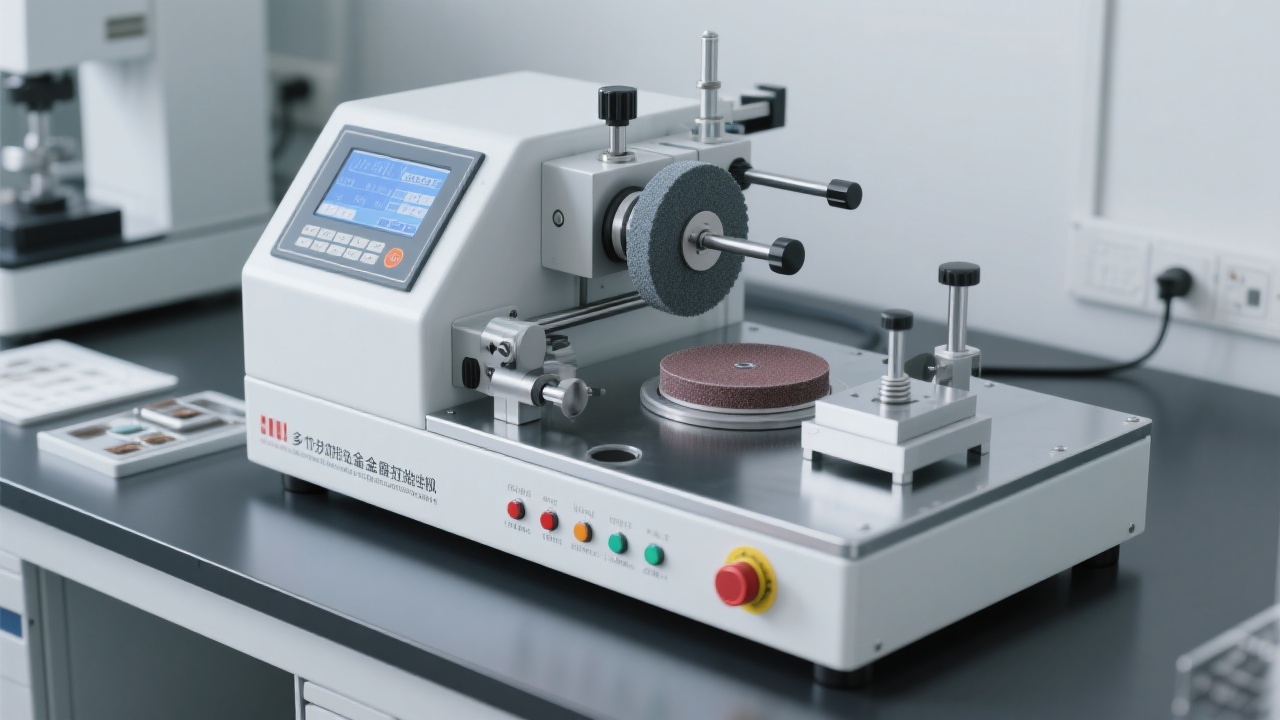
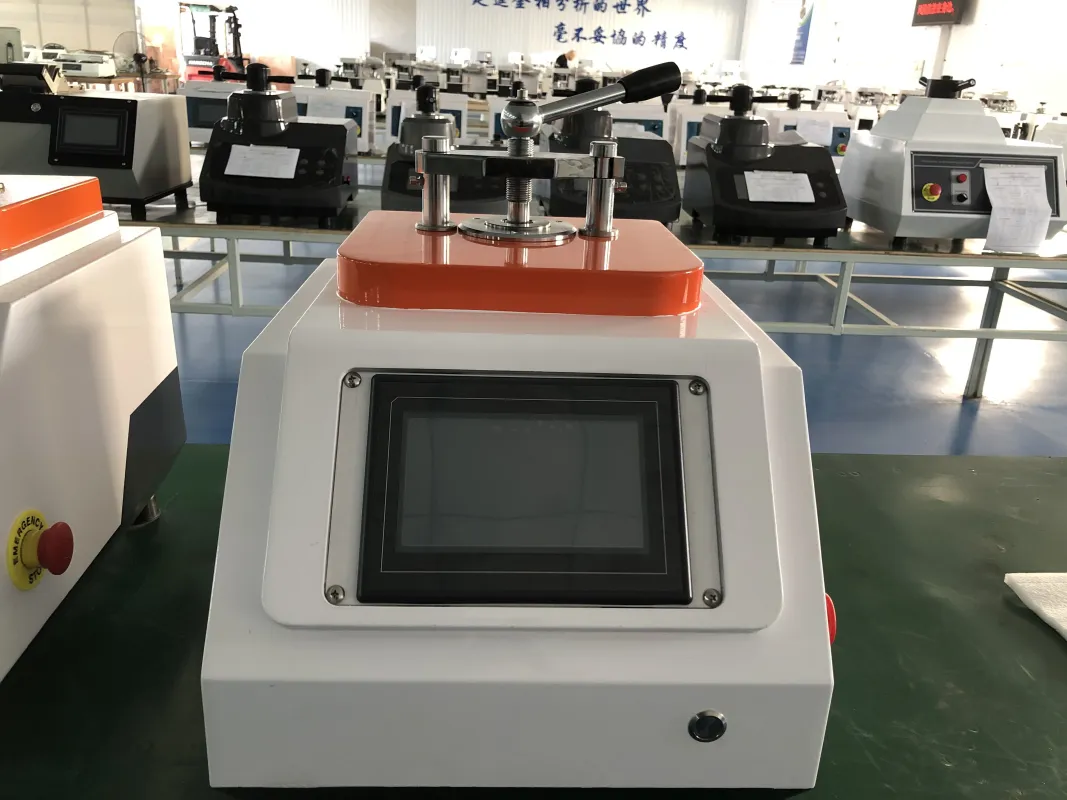
To achieve efficient and precise metallographic sample preparation, Laizhou Jincheng Industrial Equipment Co., Ltd.'s MP - 1B manual metallographic grinding and polishing machine is an excellent choice. This machine features stepless speed regulation, which allows you to adjust the rotation speed according to different polishing requirements. It is also easy to operate, making it suitable for both beginners and experienced technicians.
If you want to improve the quality of your metallographic sample preparation and enhance the efficiency of your laboratory work, don't miss the MP - 1B manual metallographic grinding and polishing machine from Jincheng. Click here to learn more about this product and our comprehensive technical support services!
 357
|
357
|
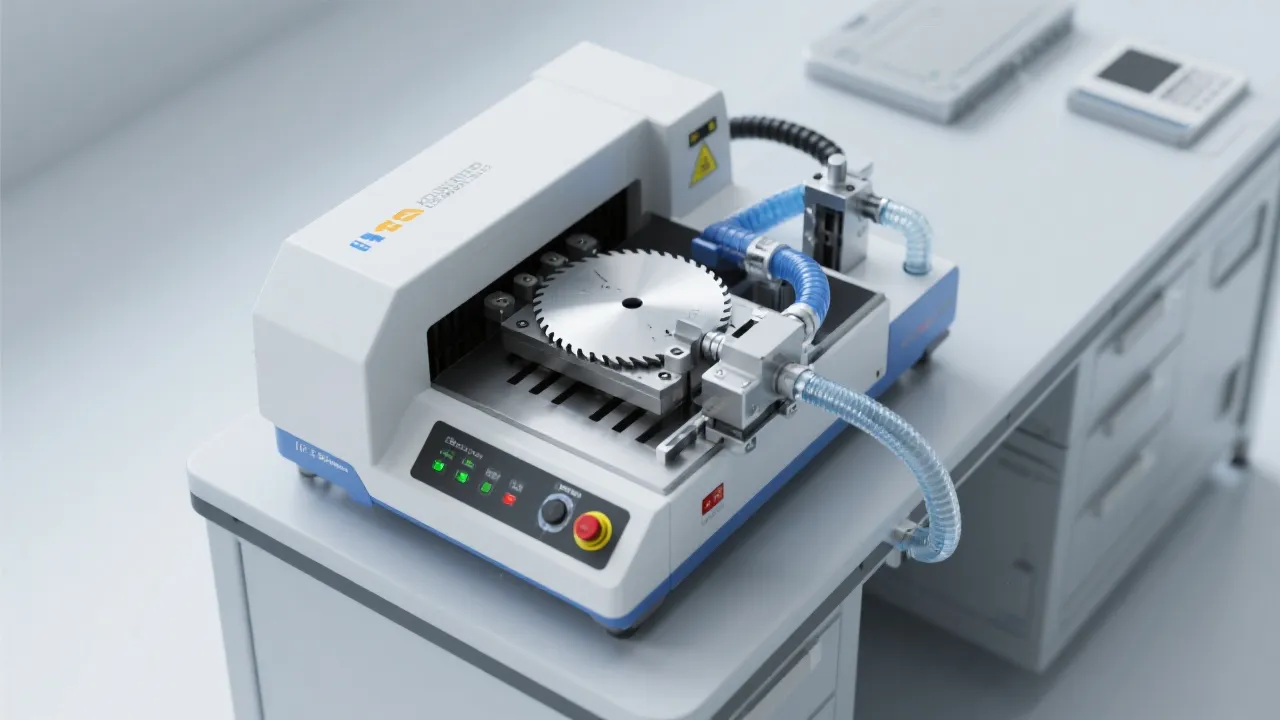
 manual metallographic cutting machine
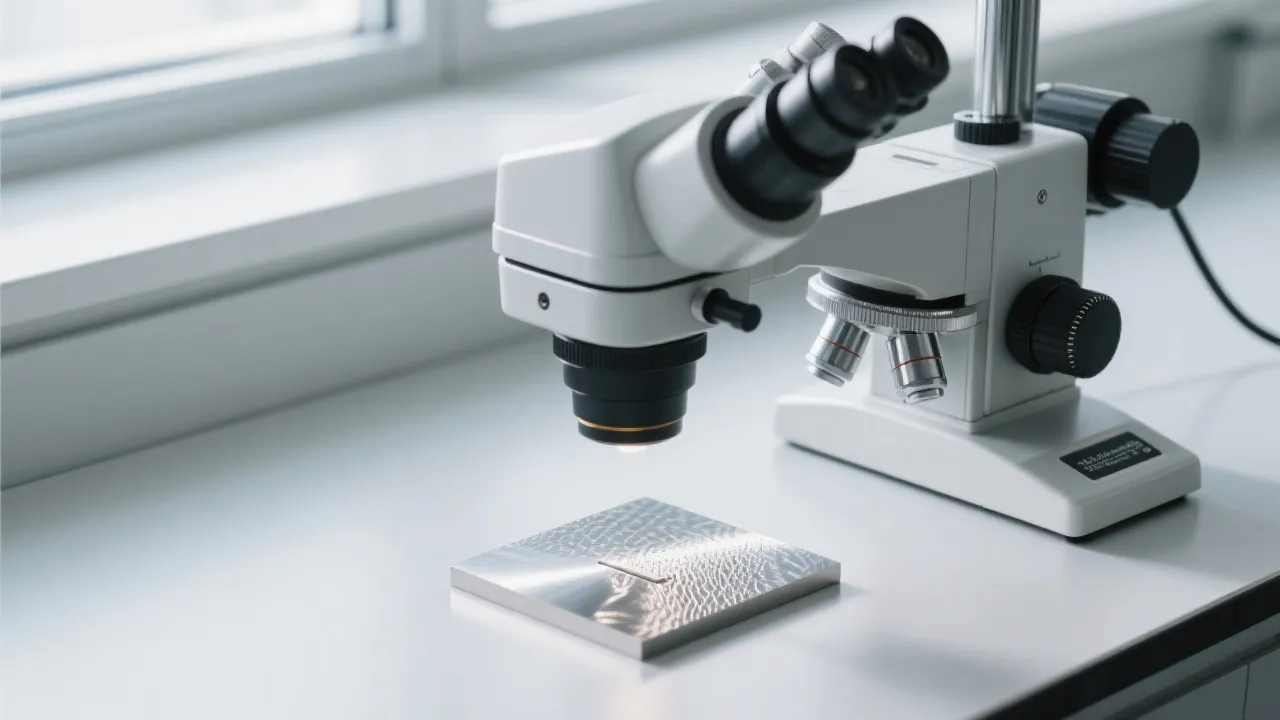
metallographic sample preparation
scientific research equipment
metallography consumables
sample cutting technology
309
|
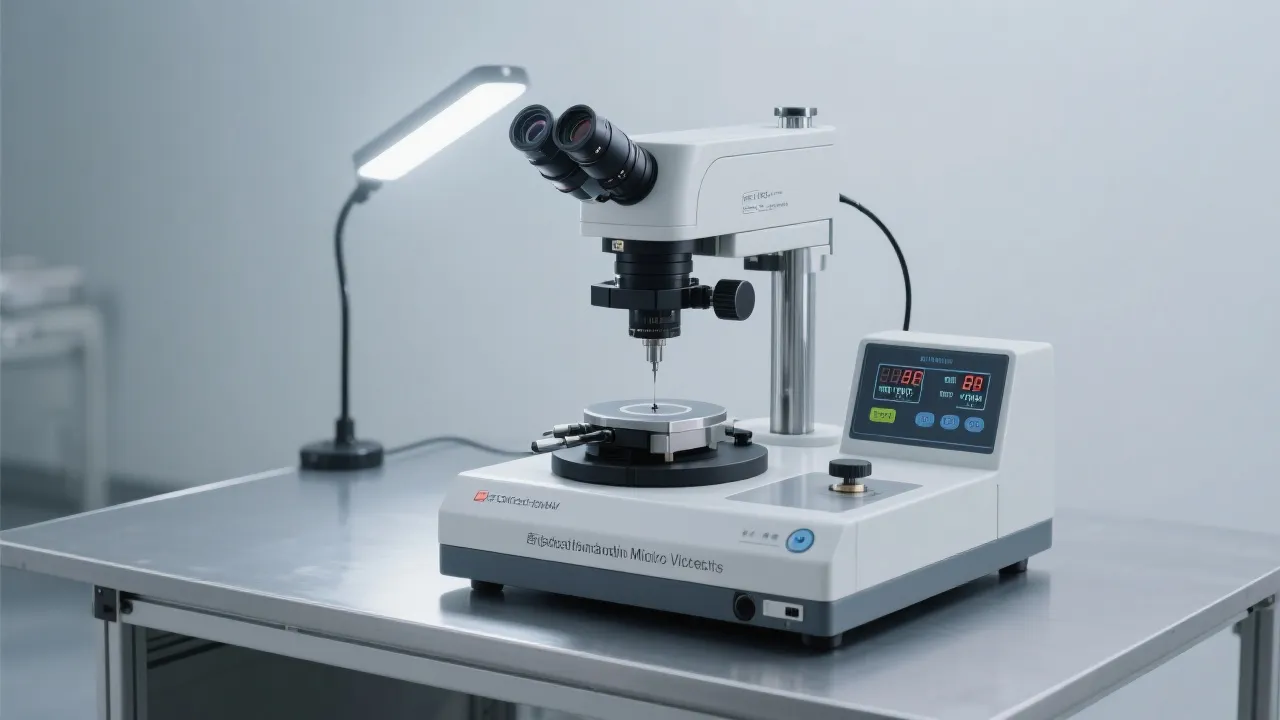
micro Vickers hardness tester
intelligent touch hardness testing
high-precision hardness measurement
mechanical processing hardness
metallurgical research hardness testing
421
|
Industrial-grade indenter accessories installation
Equipment commissioning tutorial
Indenter installation precautions
Industrial equipment maintenance
Precision CNC machining accessories
110
|
metallographic mounting quality
ASTM E3-11 standard
ISO 3189 compliance
mounting defect detection
ZXQ-2 precision mounting machine
108
|
Metallographic pre - grinder maintenance
Equipment lifespan extension
Preventive maintenance
Industrial laboratory equipment maintenance
Metallographic equipment maintenance
manual metallographic cutting machine
metallographic sample preparation
scientific research equipment
metallography consumables
sample cutting technology
309
|
micro Vickers hardness tester
intelligent touch hardness testing
high-precision hardness measurement
mechanical processing hardness
metallurgical research hardness testing
421
|
Industrial-grade indenter accessories installation
Equipment commissioning tutorial
Indenter installation precautions
Industrial equipment maintenance
Precision CNC machining accessories
110
|
metallographic mounting quality
ASTM E3-11 standard
ISO 3189 compliance
mounting defect detection
ZXQ-2 precision mounting machine
108
|
Metallographic pre - grinder maintenance
Equipment lifespan extension
Preventive maintenance
Industrial laboratory equipment maintenance
Metallographic equipment maintenance



Hardness-TesterHV-1000A-1.jpg?x-oss-process=image/resize,m_fill,h_800,w_800/format,webp)


