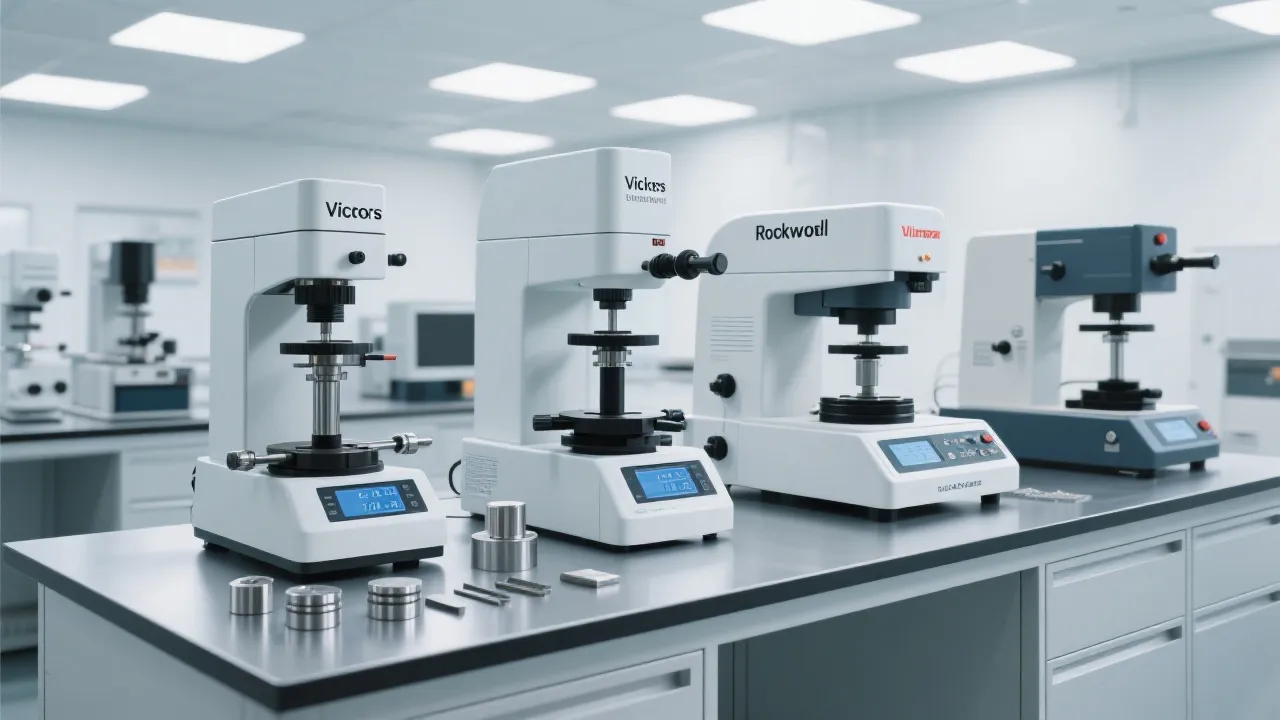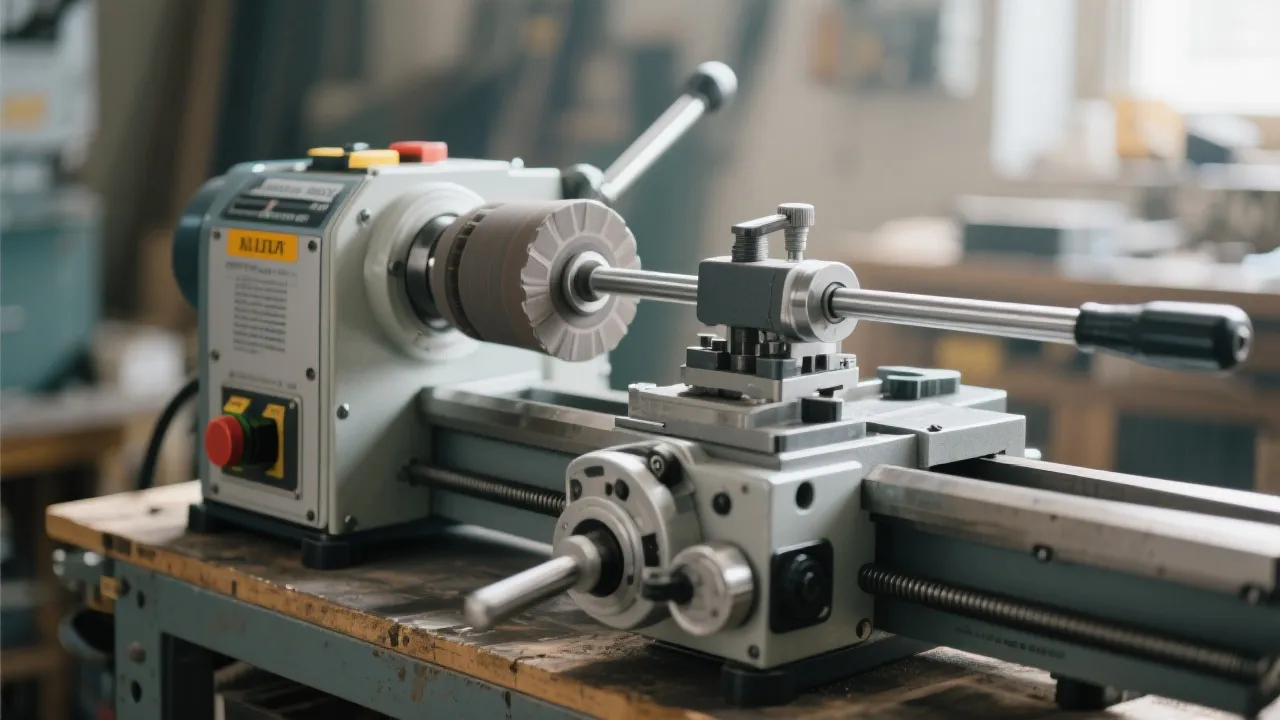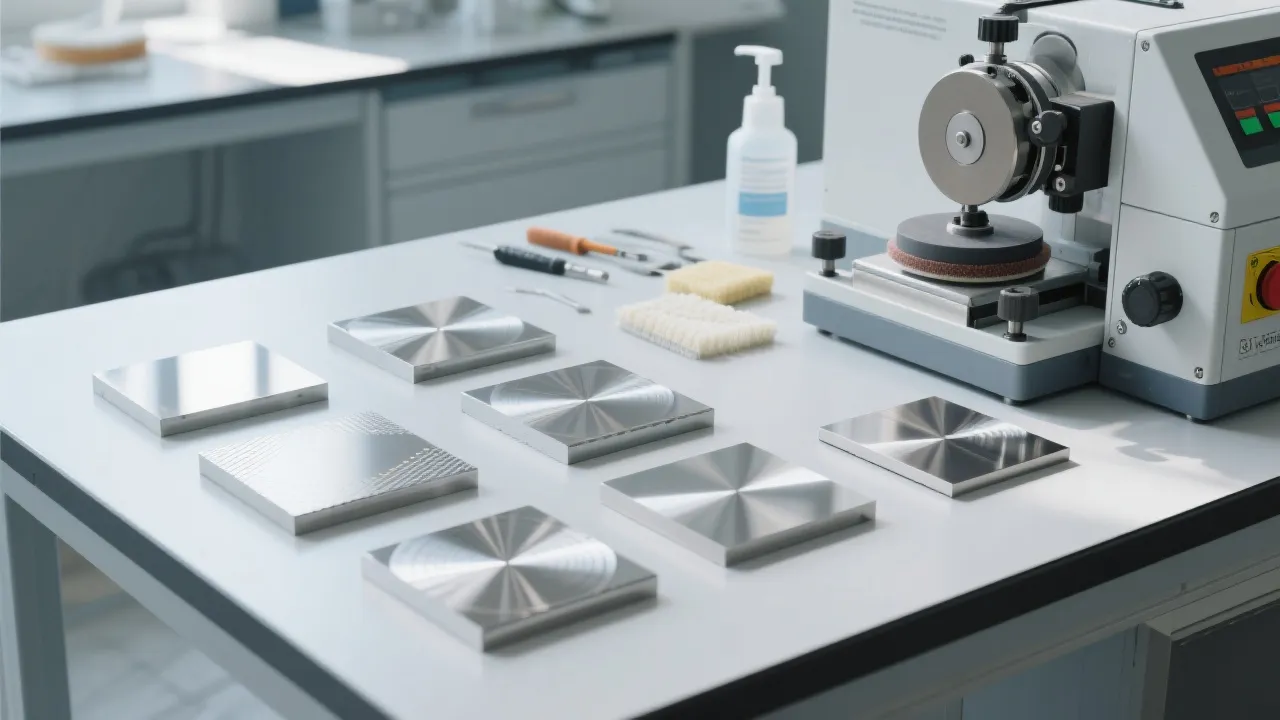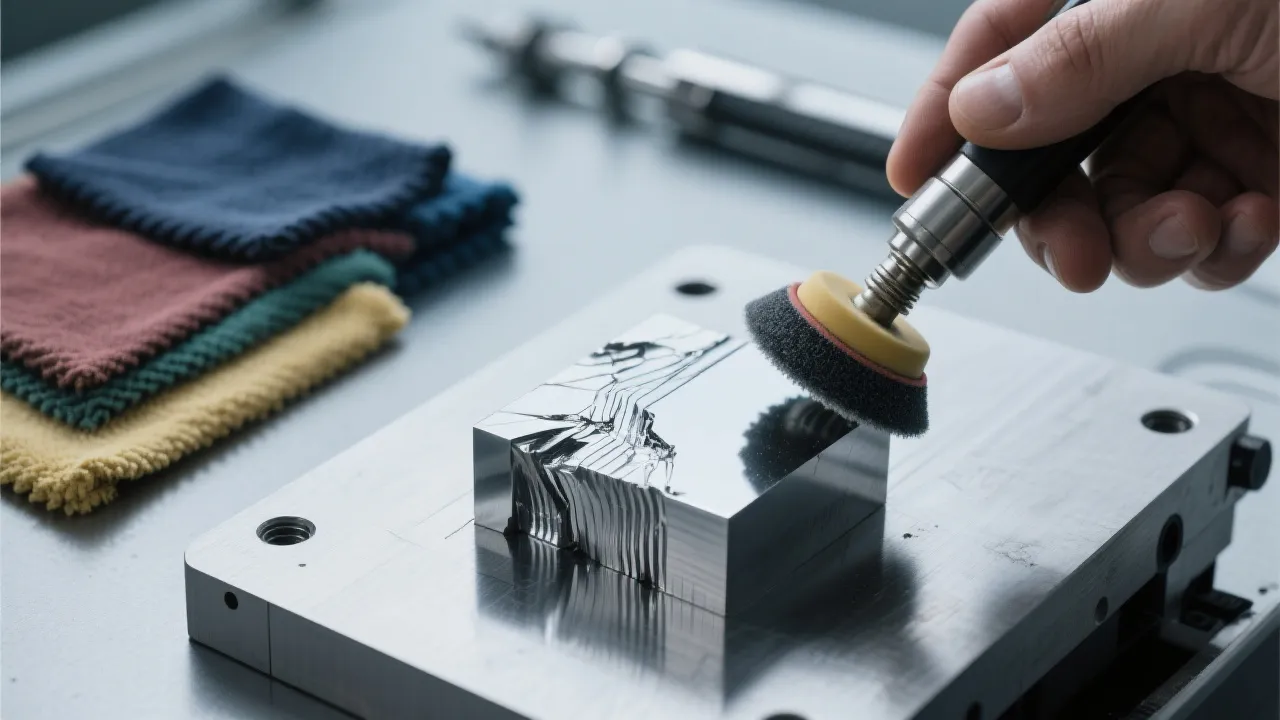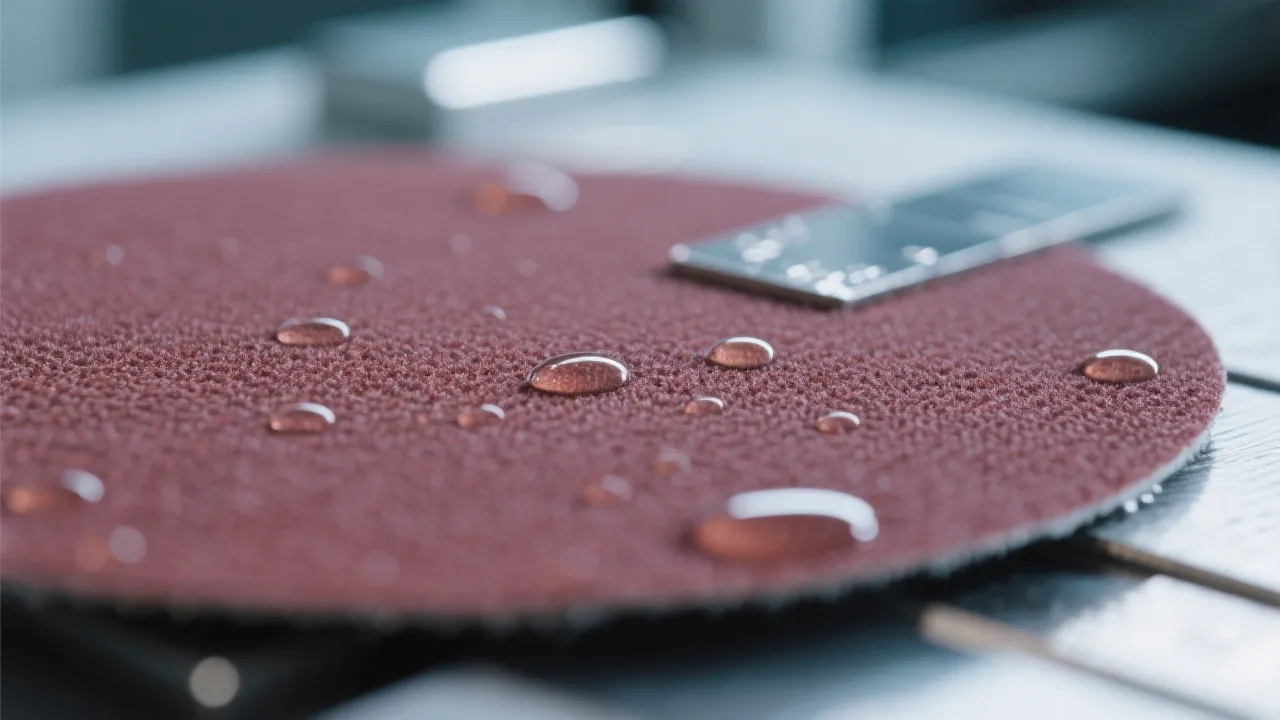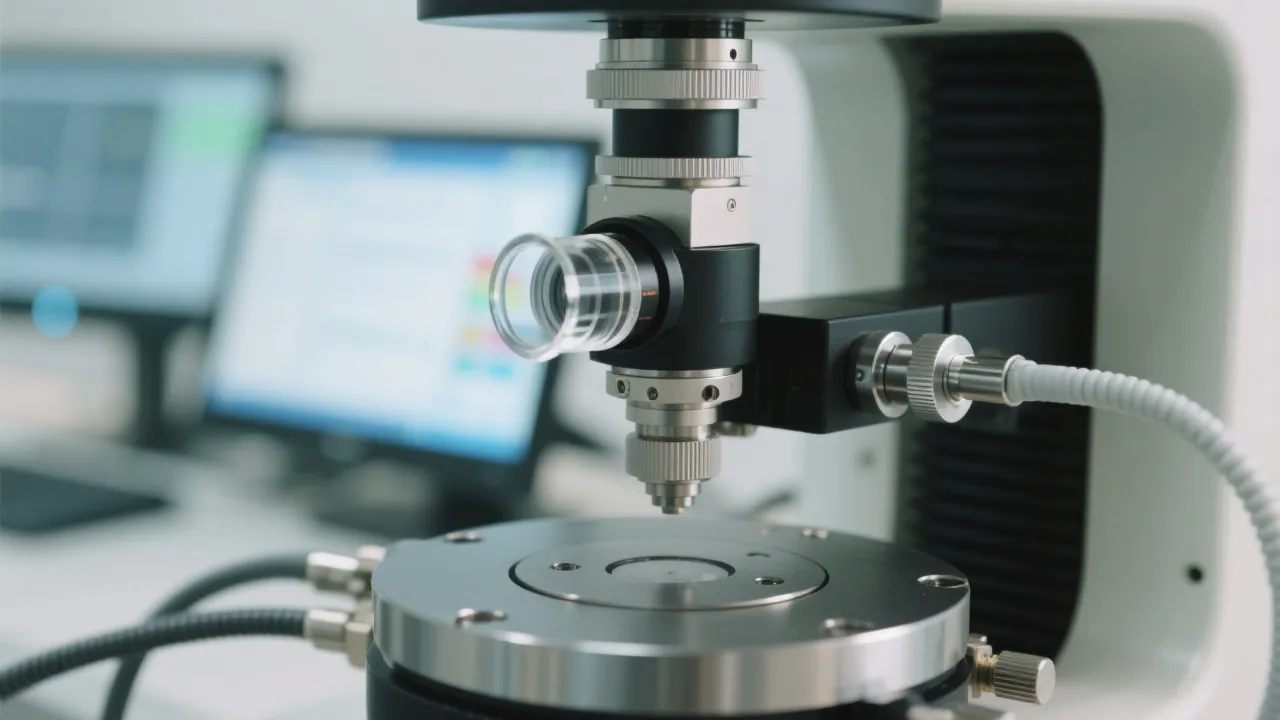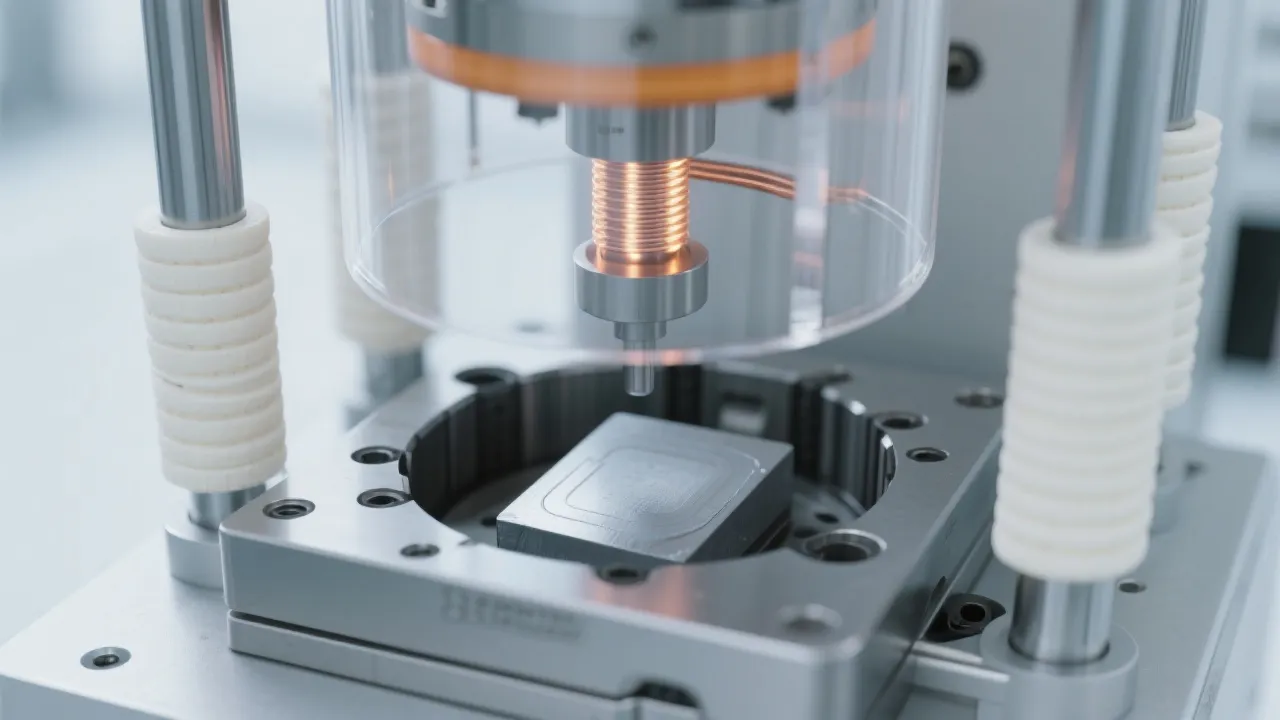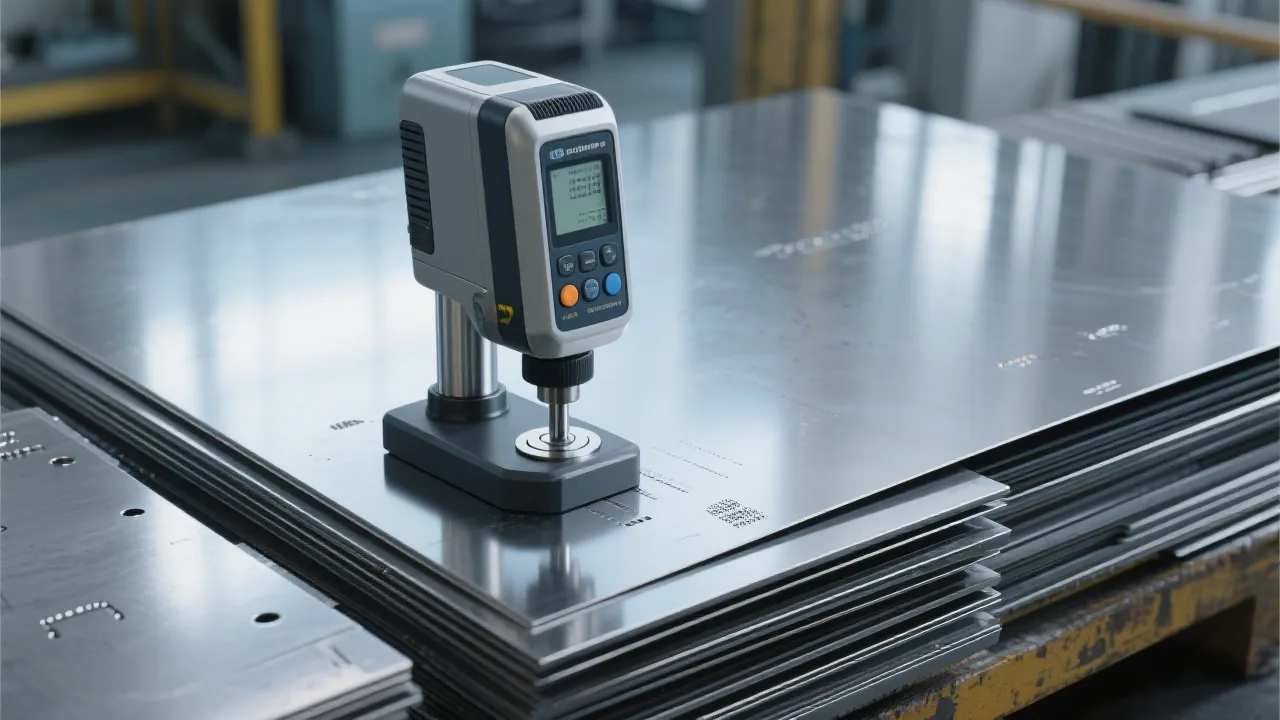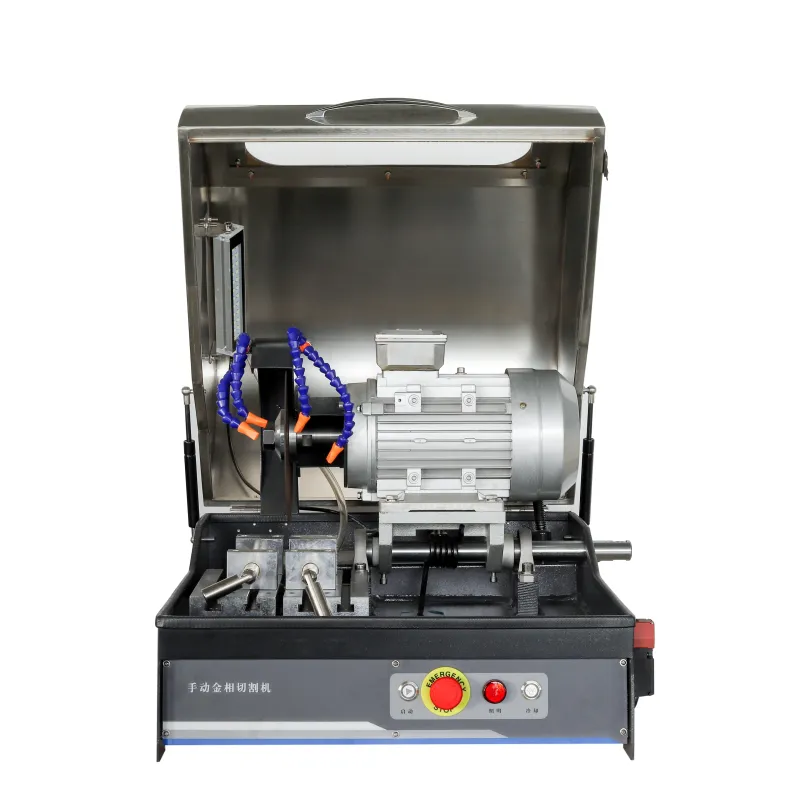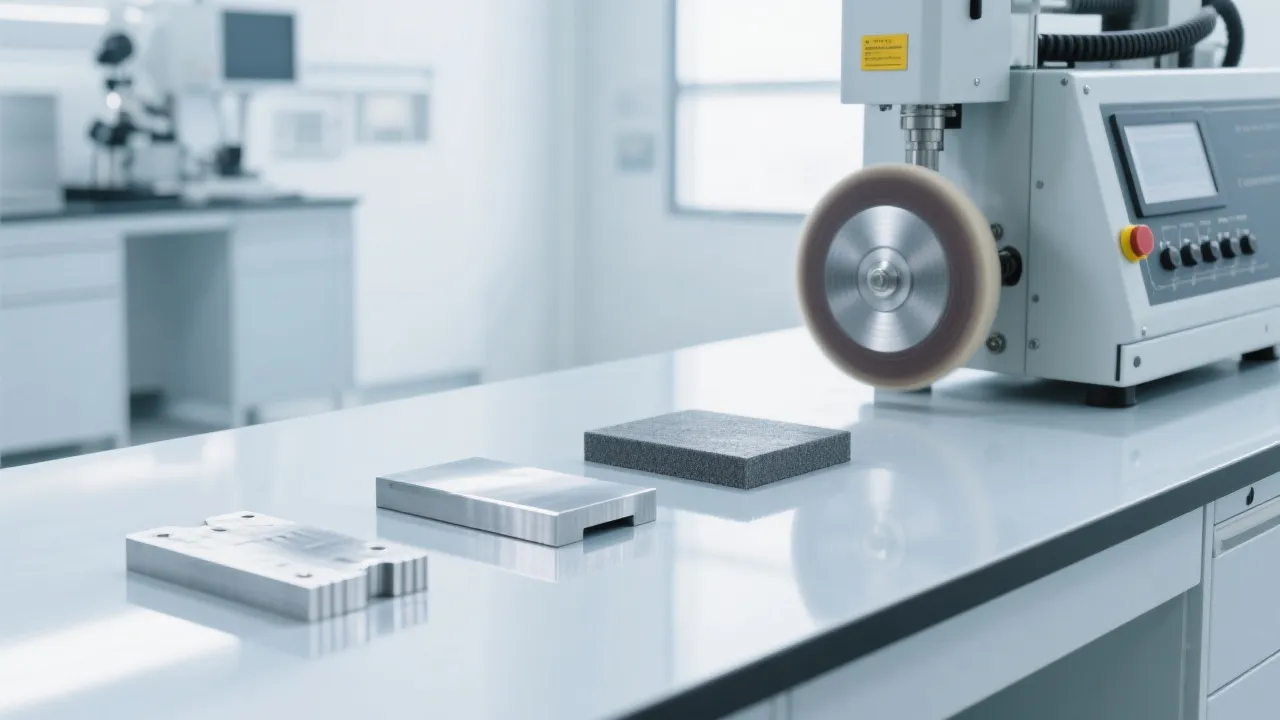
For metallurgical labs, quality control centers, and R&D facilities, a reliable metallographic pre磨 machine is not just a tool—it’s the backbone of consistent sample preparation. At LaiZhou JinCheng Industrial Equipment Co., Ltd., we’ve seen how routine maintenance can reduce unplanned downtime by up to 40% in industrial labs (based on field data from 2022–2024). This article dives into real-world strategies for maintaining your M-2 model pre磨 machine, focusing on critical components like the fiber-glass housing, drive system, grinding discs, and motor temperature monitoring.
According to ISO 14635-1 standards, regular preventive checks improve equipment lifespan by an average of 25%. In high-throughput labs, this translates directly into fewer calibration errors, higher reproducibility, and lower total cost of ownership. A well-maintained M-2 pre磨 machine typically lasts 8–10 years—compared to 4–6 years without proper care.
Key areas that require attention:
Lab managers often overlook early warning signs—until it's too late. Here are three frequent issues and their solutions:
Pro Tip: Implement a standardized point-check list—like the one used in over 50+ certified labs across Europe and Asia—to turn reactive fixes into proactive habits. Our downloadable maintenance schedule includes daily, weekly, and quarterly tasks tailored to your usage intensity.
By embedding these practices into your lab SOPs, you’re not just fixing problems—you’re building trust in your results. And when precision matters, so does consistency.
Discover how LaiZhou JinCheng’s M-2 Metallographic Pre磨 Machine combines durability, ease of maintenance, and smart design—backed by global support networks.
Explore the M-2 Solution Today 193
|
193
|
 Metallographic mounting quality detection
ASTM E3 - 11 standard
ISO 3189 specification
Mounting machine quality evaluation
Metallographic sample preparation
308
|
micro Vickers hardness tester
intelligent touch hardness testing
high-precision hardness measurement
mechanical processing hardness
metallurgical research hardness testing
110
|
metallographic mounting quality
ASTM E3-11 standard
ISO 3189 compliance
mounting defect detection
ZXQ-2 precision mounting machine
60
|
metal microstructure analysis
standardized microscopy workflow
metallographic microscope
quality control in metallurgy
ASTM metallography standards
473
|
Brinell hardness tester maintenance
export-grade hardness testing equipment
automatic loading hardness tester
sensor module cleaning
turret mechanism lubrication
Metallographic mounting quality detection
ASTM E3 - 11 standard
ISO 3189 specification
Mounting machine quality evaluation
Metallographic sample preparation
308
|
micro Vickers hardness tester
intelligent touch hardness testing
high-precision hardness measurement
mechanical processing hardness
metallurgical research hardness testing
110
|
metallographic mounting quality
ASTM E3-11 standard
ISO 3189 compliance
mounting defect detection
ZXQ-2 precision mounting machine
60
|
metal microstructure analysis
standardized microscopy workflow
metallographic microscope
quality control in metallurgy
ASTM metallography standards
473
|
Brinell hardness tester maintenance
export-grade hardness testing equipment
automatic loading hardness tester
sensor module cleaning
turret mechanism lubrication