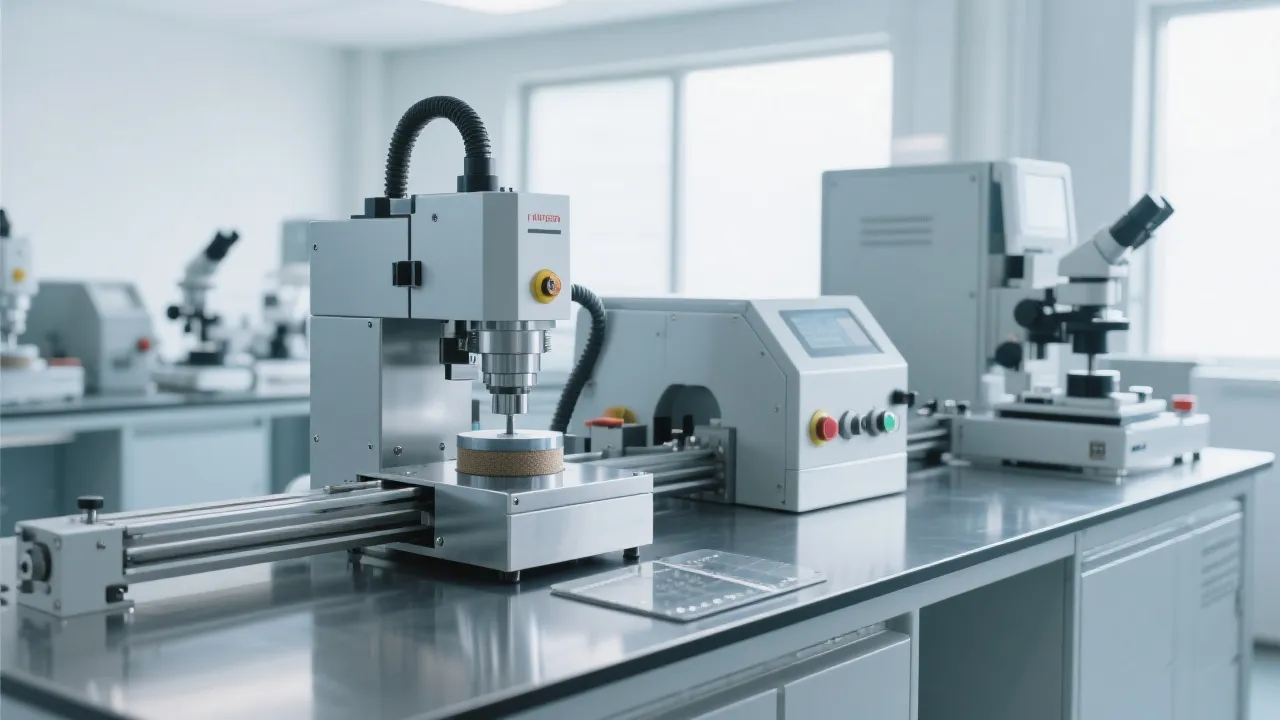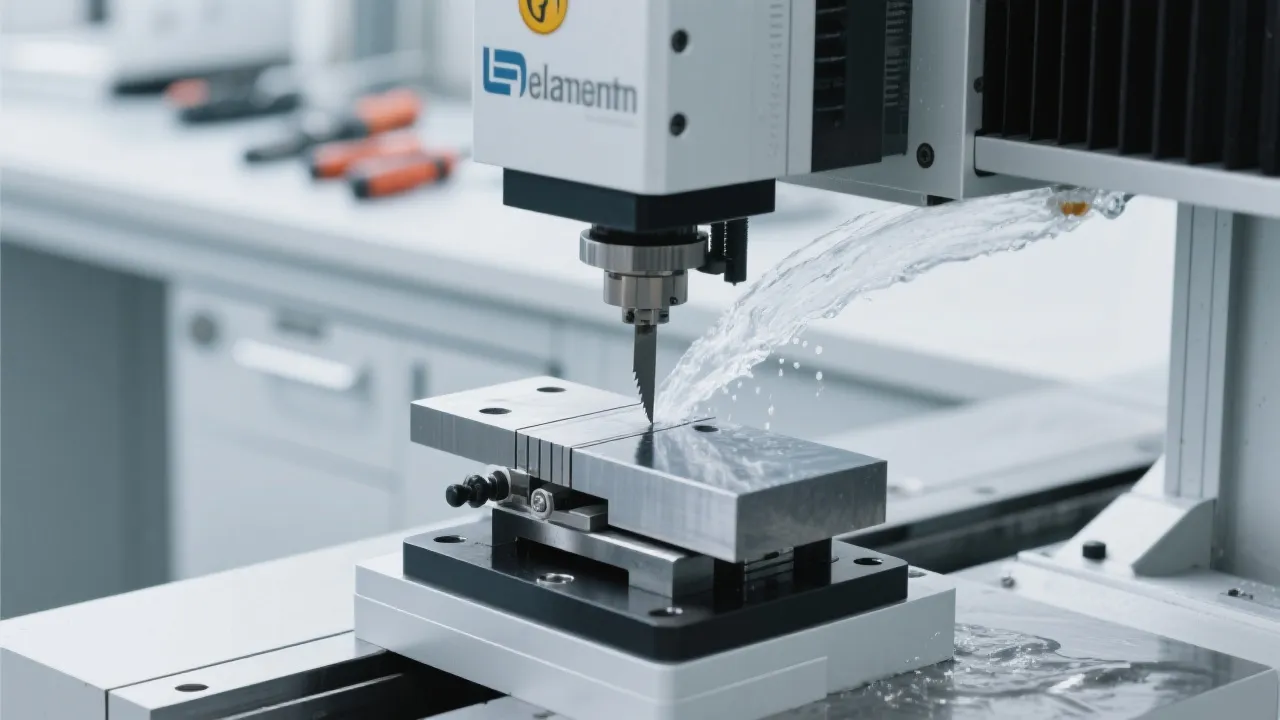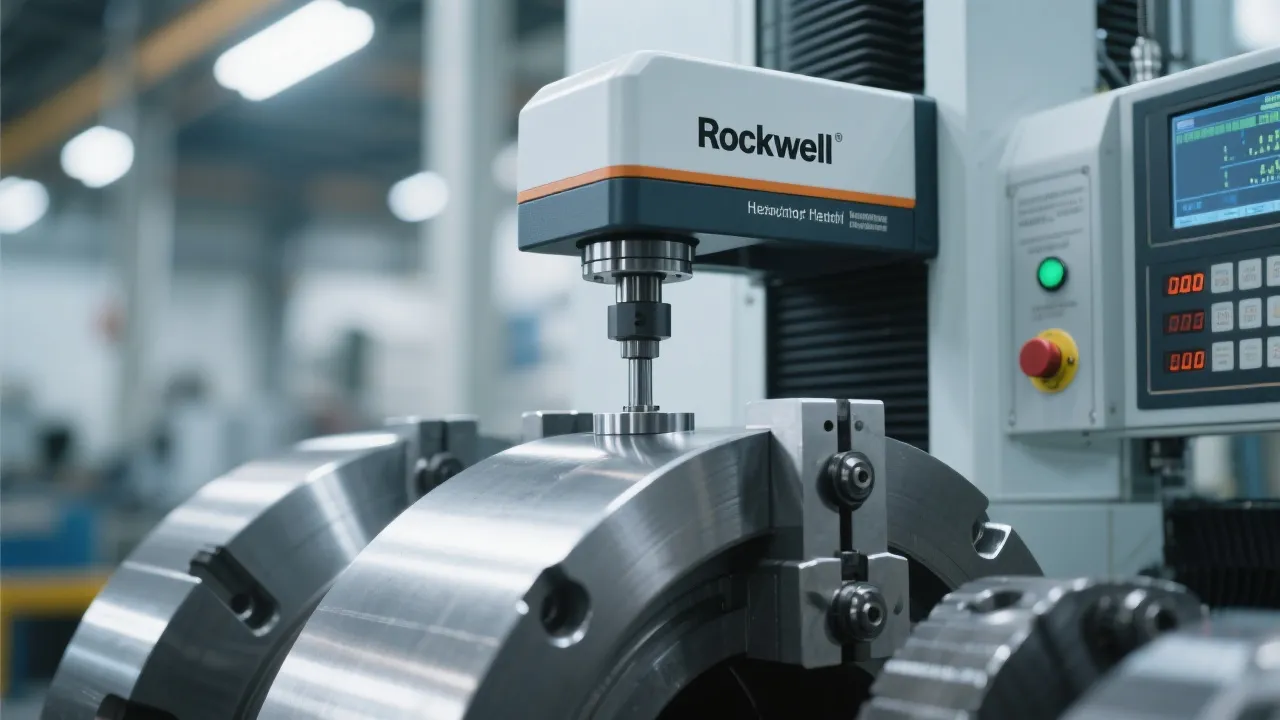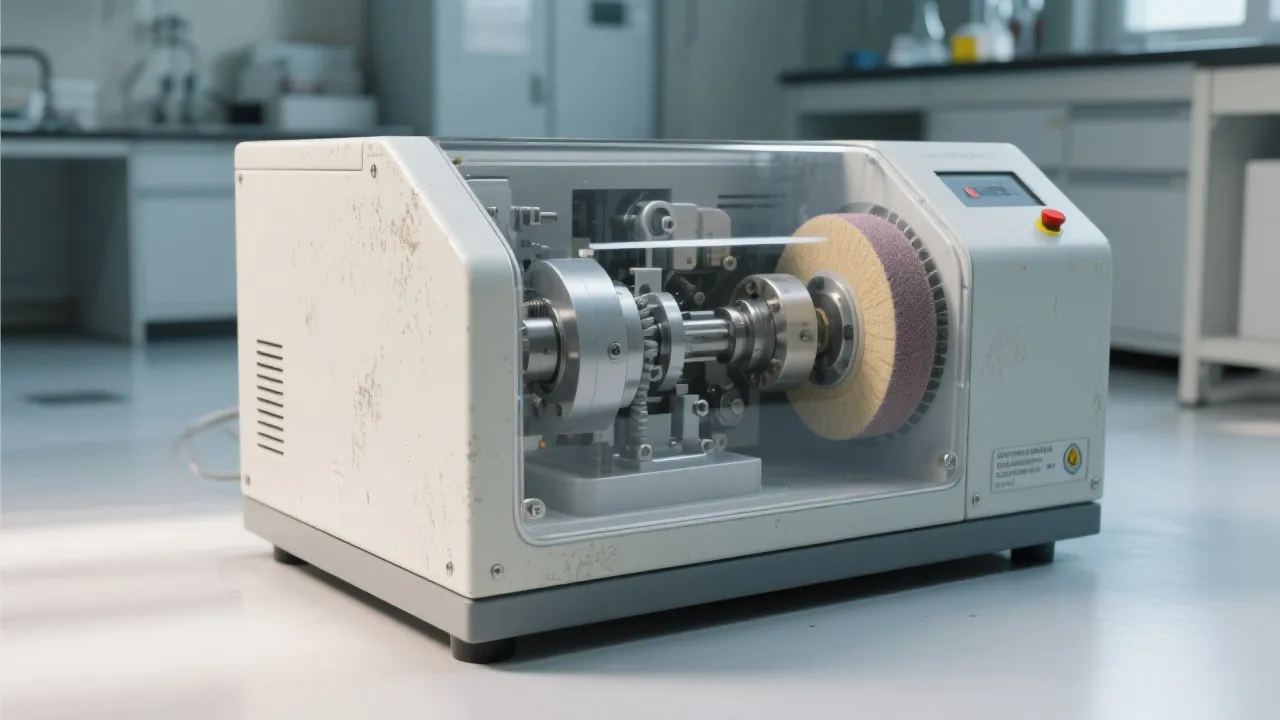
In industrial metallurgical laboratories worldwide, metallographic sample preparation stands as a critical step that directly impacts material analysis accuracy. Among the essential equipment in this process, the metallographic pre-grinder operates continuously, often handling hundreds of samples weekly. Laboratory managers frequently face the challenge of balancing equipment performance with maintenance costs—statistics show that 76% of unplanned downtime for such precision equipment stems from inadequate preventive maintenance, according to a 2023 survey by the International Laboratory Equipment Management Association.
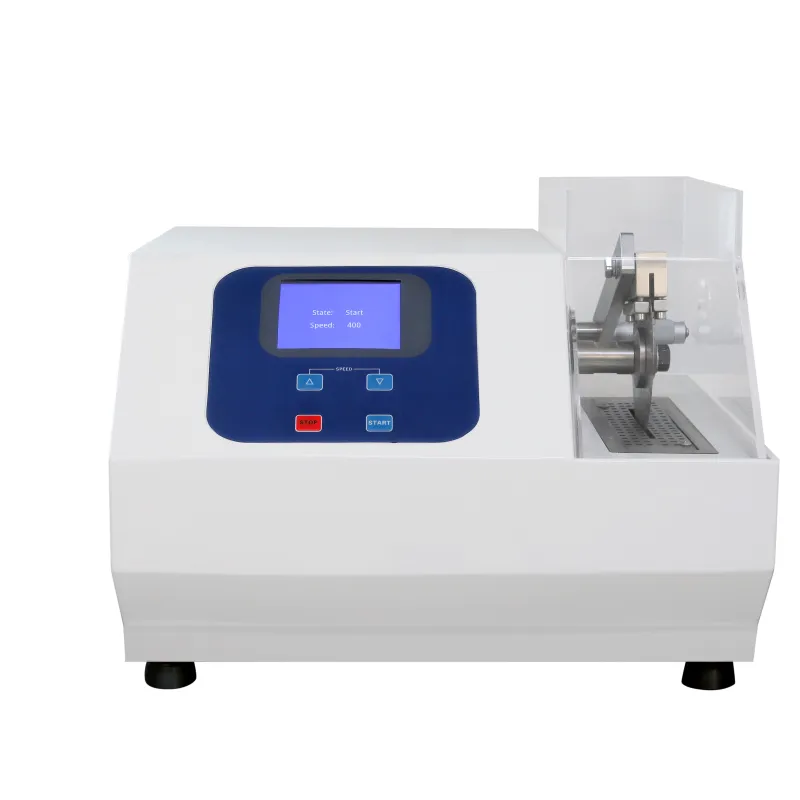
Metallographic pre-grinders like the M-2 model serve as the workhorse of material preparation, ensuring consistent sample flatness and surface quality before polishing. Unlike reactive maintenance that addresses issues only after failure, a structured preventive maintenance program can extend equipment lifespan by 40-50% while reducing operational costs by an average of $3,200 annually per unit, based on industry benchmarks.
Engineer Insight: "We reduced our pre-grinder downtime from 12 hours monthly to less than 2 hours by implementing a weekly preventive maintenance checklist. The key was shifting from 'fixing when broken' to 'preventing before failure,'" notes Sarah Chen, Senior Lab Manager at Beijing Metallurgical Testing Institute with 15 years of equipment management experience.
The fiberglass reinforced polymer (FRP) enclosure of modern pre-grinders provides excellent chemical resistance and structural integrity, but requires proper care to prevent premature degradation. Regular inspection should focus on:
Wiping the exterior weekly with a mild detergent solution and applying a UV protectant quarterly can significantly extend the enclosure's service life, particularly in laboratories with significant natural light exposure.
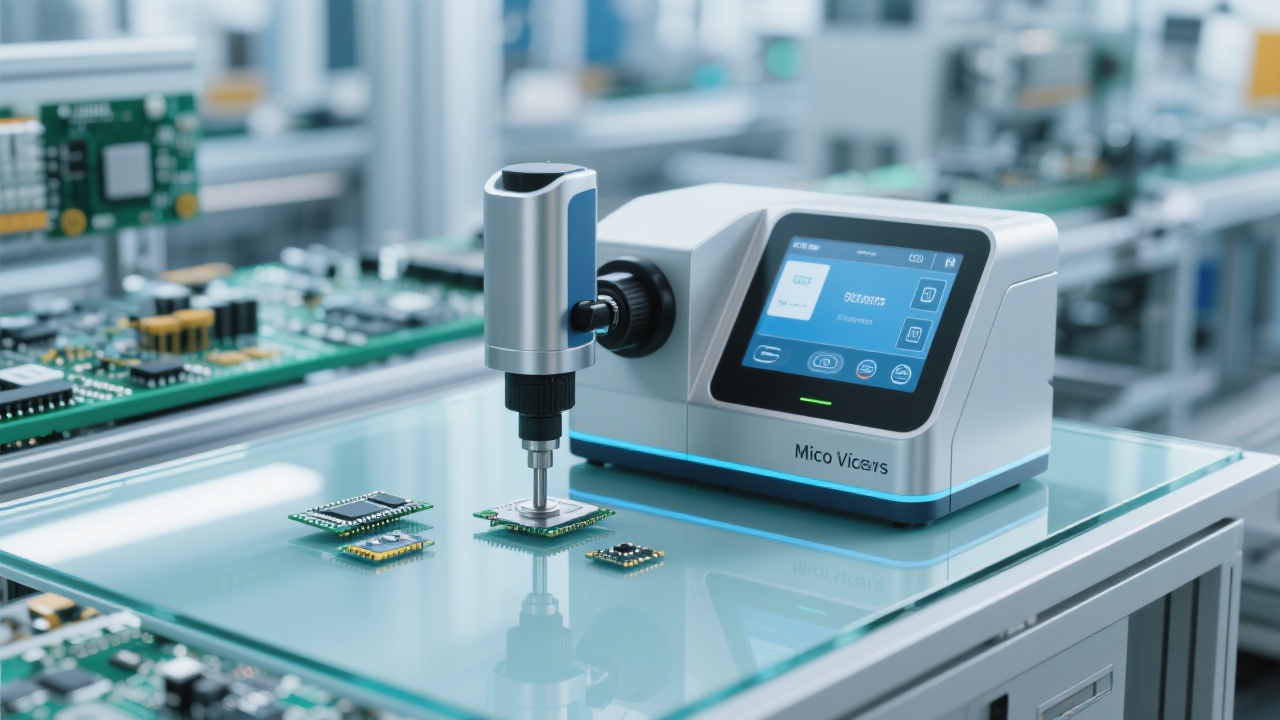
The precision drive system—comprising belts, pulleys, and bearings—requires systematic attention to prevent performance degradation. Industry guidelines recommend:
| Component | Inspection Frequency | Maintenance Action |
|---|---|---|
| Drive Belts | Bi-weekly | Check tension and wear; replace at 50% wear indicator |
| Bearings | Monthly | Lubricate with manufacturer-recommended grease; check for abnormal noise |
| Pulleys | Monthly | Verify alignment; clean debris buildup |
Excessive vibration, unusual noises, or grinding speed variations often indicate drive system issues. Addressing these symptoms promptly prevents secondary damage to other components, which can increase repair costs by 300-500% if left unattended.
The grinding盘 directly influences sample quality and must be maintained according to usage intensity. For laboratories processing 50+ samples daily, daily cleaning is recommended, while moderate usage (20-30 samples/day) requires cleaning every other day. The proper cleaning procedure involves:
Regular inspection for embedded particles and surface wear is crucial—replace grinding盘 when surface flatness deviates by more than 0.05mm, as measured by a precision straightedge. This maintains consistent sample preparation results and prevents excessive material removal variations.
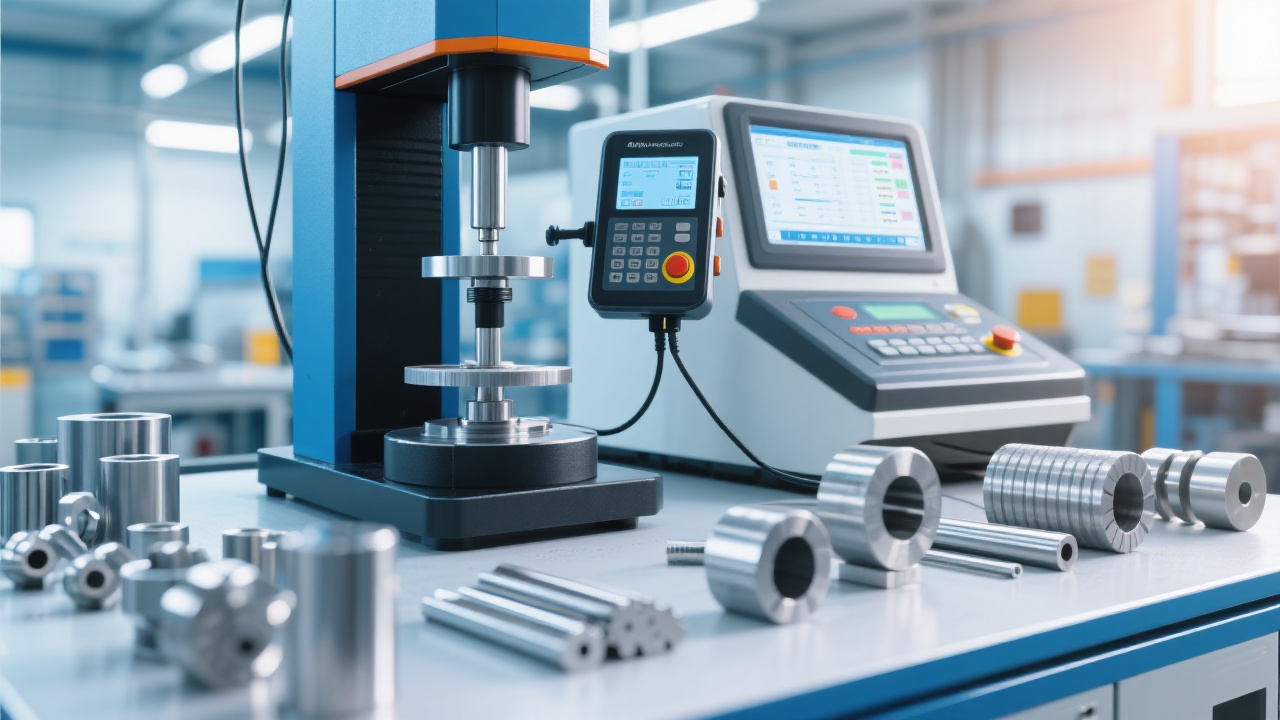
The electric motor represents the most critical and expensive component of the pre-grinder. Implementing temperature monitoring can prevent catastrophic failures. Best practices include:
Motor overheating is often preceded by gradually increasing operating temperatures. A 5°C rise over normal operating temperature within a two-week period typically indicates developing issues that require investigation before complete failure occurs.
Transitioning from reactive to preventive maintenance requires structured documentation. A well-designed点检 system should include:
Digitizing maintenance records using laboratory management software allows for trend analysis and predictive maintenance planning. Laboratories that implemented digital tracking systems reported a 28% reduction in maintenance costs within the first year, according to data from the Laboratory Equipment Maintenance Association.
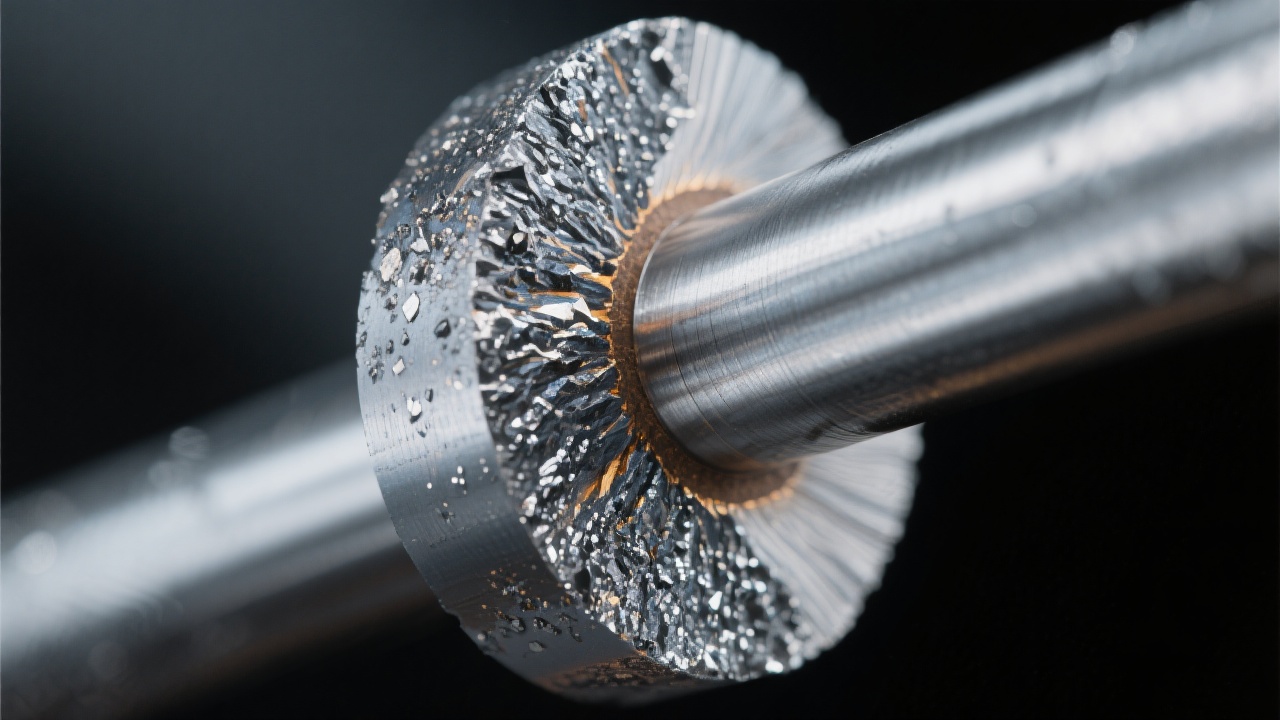
Developing familiarity with common failure indicators can prevent unscheduled downtime. Key warning signs include:
Many common issues can be resolved with basic troubleshooting. For example, uneven sample grinding often indicates grinding盘 misalignment rather than requiring complete replacement. Referencing the manufacturer's troubleshooting guide before escalating to professional service can save both time and expense.
Discover how professional-grade equipment combined with proper maintenance protocols can transform your laboratory efficiency and analysis results.
Explore Laizhou Jincheng's Metallographic Pre-Grinder SolutionsFor laboratories handling critical material analysis, the implementation of a structured preventive maintenance program for metallographic pre-grinders represents both a cost-saving measure and a quality control essential. By integrating regular inspections, systematic component care, and proactive issue resolution, laboratory managers can ensure consistent performance, extend equipment lifespan, and maintain the high standards required for reliable material analysis results. The investment in preventive maintenance consistently demonstrates returns through reduced downtime, lower repair costs, and improved sample preparation quality—factors that directly impact the overall effectiveness of metallurgical testing operations.
 385
|
385
|
 Brinell hardness tester daily maintenance
automatic loading hardness tester fault identification
hardness tester maintenance skills
HBS - 3000Z maintenance guide
hardness tester calibration cycle
473
|
Brinell hardness tester maintenance
export-grade hardness testing equipment
automatic loading hardness tester
sensor module cleaning
turret mechanism lubrication
463
|
Brinell hardness tester daily maintenance
high - precision hardness tester maintenance
automatic loading hardness tester calibration
hardness tester fault prevention
equipment operation and maintenance guide
320
|
sample cutting machine selection guide
industrial sample preparation equipment
cutting efficiency improvement
cooling system performance evaluation
grinding wheel type selection
58
|
metallographic prepolishing machine maintenance
lab equipment utilization optimization
preventive maintenance in metallurgy
fiber glass housing durability
precision drive system care
Brinell hardness tester daily maintenance
automatic loading hardness tester fault identification
hardness tester maintenance skills
HBS - 3000Z maintenance guide
hardness tester calibration cycle
473
|
Brinell hardness tester maintenance
export-grade hardness testing equipment
automatic loading hardness tester
sensor module cleaning
turret mechanism lubrication
463
|
Brinell hardness tester daily maintenance
high - precision hardness tester maintenance
automatic loading hardness tester calibration
hardness tester fault prevention
equipment operation and maintenance guide
320
|
sample cutting machine selection guide
industrial sample preparation equipment
cutting efficiency improvement
cooling system performance evaluation
grinding wheel type selection
58
|
metallographic prepolishing machine maintenance
lab equipment utilization optimization
preventive maintenance in metallurgy
fiber glass housing durability
precision drive system care