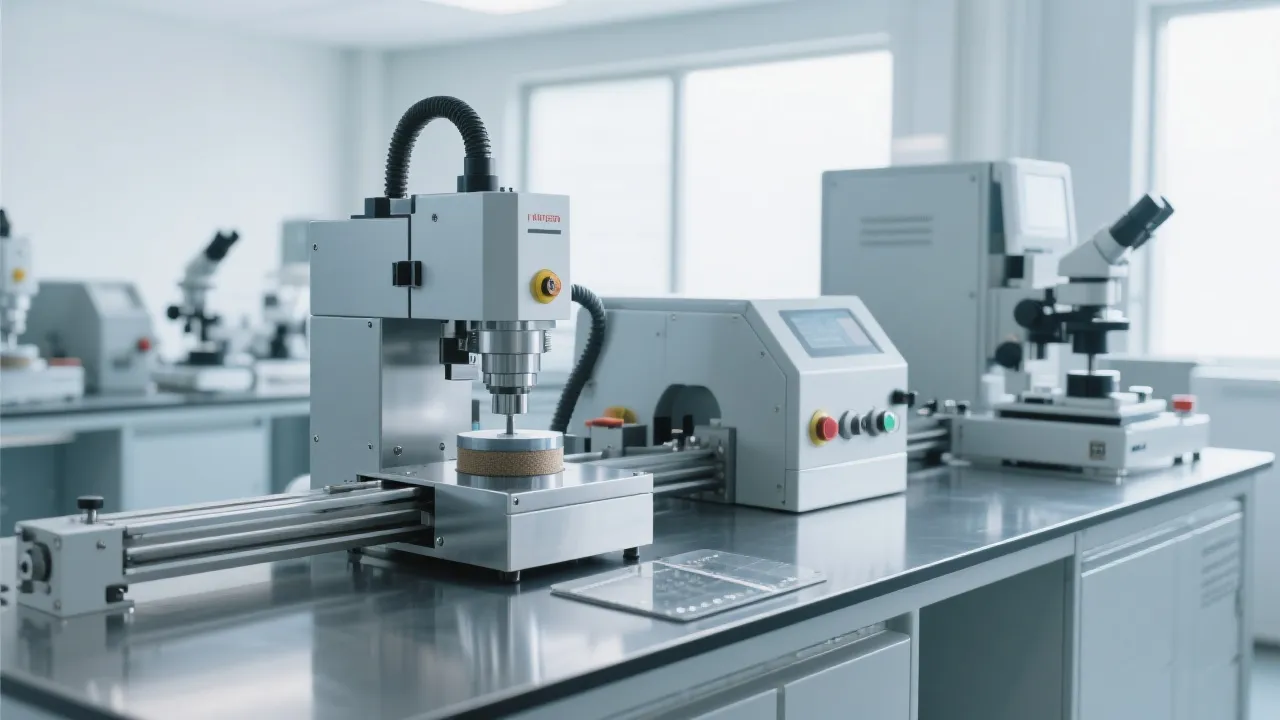
When was the last time you questioned the quality of your metallographic mounts? In busy lab environments, it's easy to overlook this critical step—yet mount quality directly impacts the accuracy of your microstructural analysis and hardness testing results. As someone who's worked with metallographic samples for years, I've seen how even minor mounting flaws can lead to misinterpreted results and wasted hours of analysis.
Consider this: A recent study by the Materials Research Society found that 23% of microstructural analysis errors can be traced back to inadequate mounting techniques. When samples aren't properly mounted, edge deformation, porosity, and inconsistent hardness readings become inevitable. This isn't just a quality control issue—it directly affects your material characterization, failure analysis, and ultimately, your product reliability.
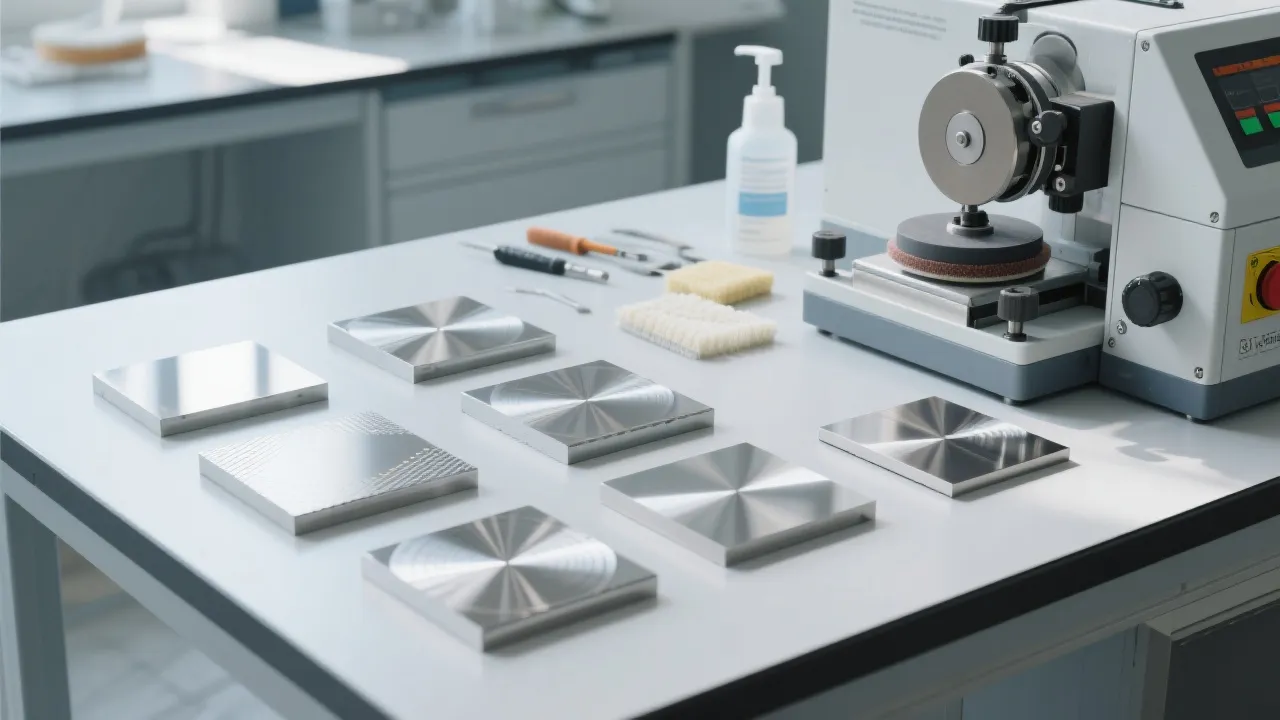
Visual inspection might seem basic, but it's surprisingly effective for identifying common mounting defects. Start by examining the mount under good lighting at a 45° angle—this helps highlight surface irregularities that might otherwise go unnoticed.
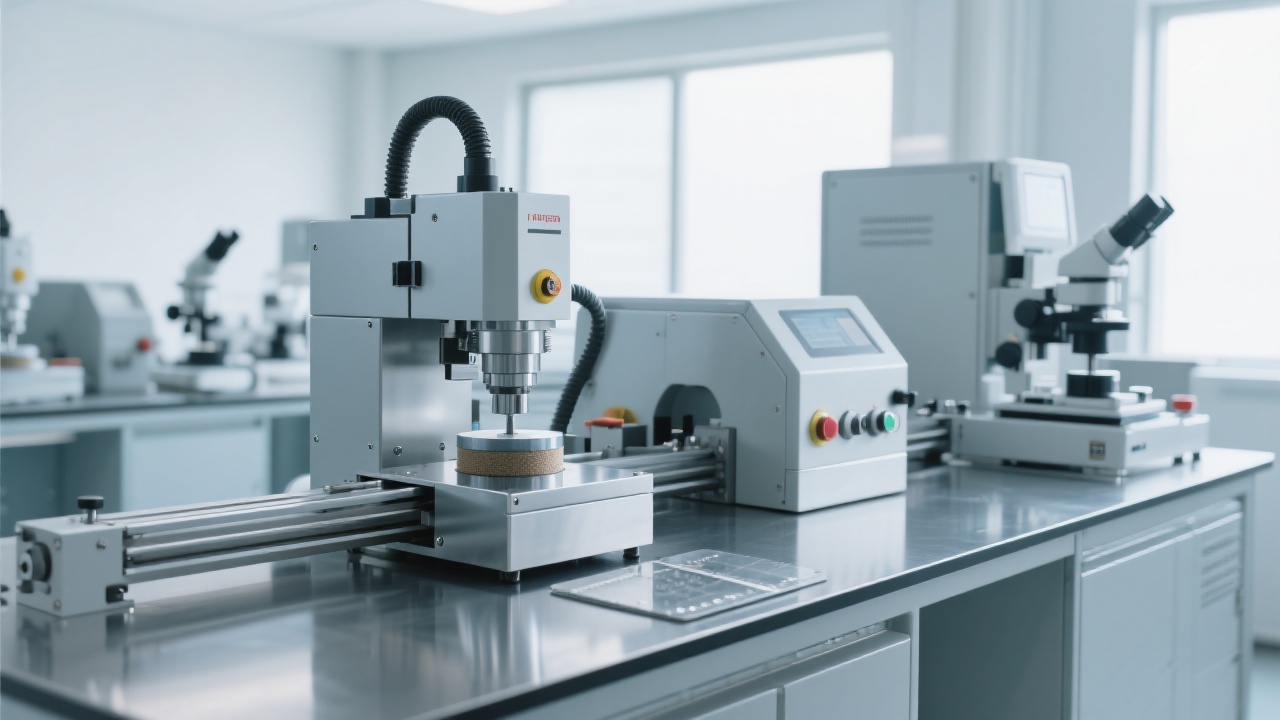
While visual inspection identifies surface defects, edge integrity testing reveals how well your mount protects the sample's critical features. This is especially important for samples with complex geometries or delicate microstructures.
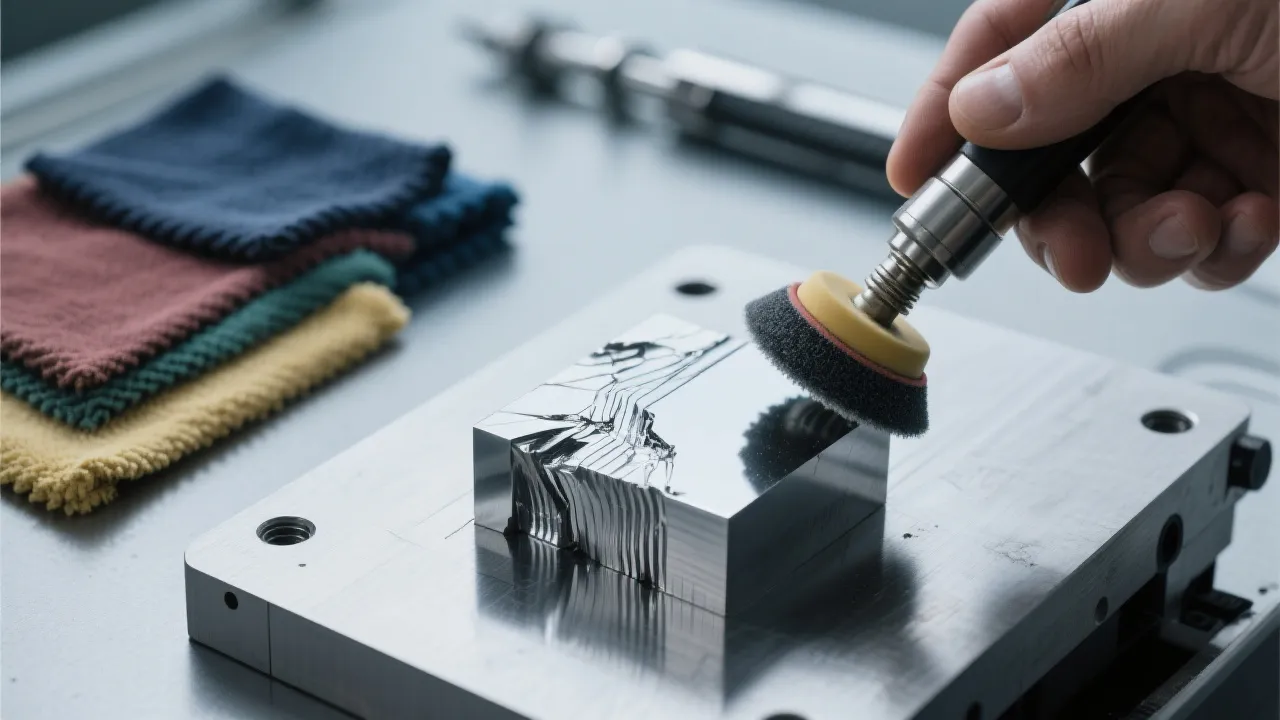
Using a 10-20x magnifying glass or stereomicroscope, examine the interface between the sample and mounting material. A high-quality mount should maintain 95% edge integrity—meaning 95% of the sample perimeter should show perfect adhesion with no gaps or separation.
| Edge Condition | Acceptability | Potential Impact |
|---|---|---|
| Complete edge retention (95%+) | Acceptable | No impact on analysis |
| Partial edge rounding (80-94%) | Conditionally acceptable | May affect edge microstructure analysis |
| Significant edge loss (<80%) | Unacceptable | Invalidates edge hardness and microstructural results |
For a more quantitative assessment, the hardness inference method provides objective data about mount integrity. Here's how it works:
According to ISO 3189 standards, the variation in hardness values across the mount should not exceed 15% for homogeneous materials. Greater variation suggests uneven mounting pressure or temperature distribution during the mounting process.
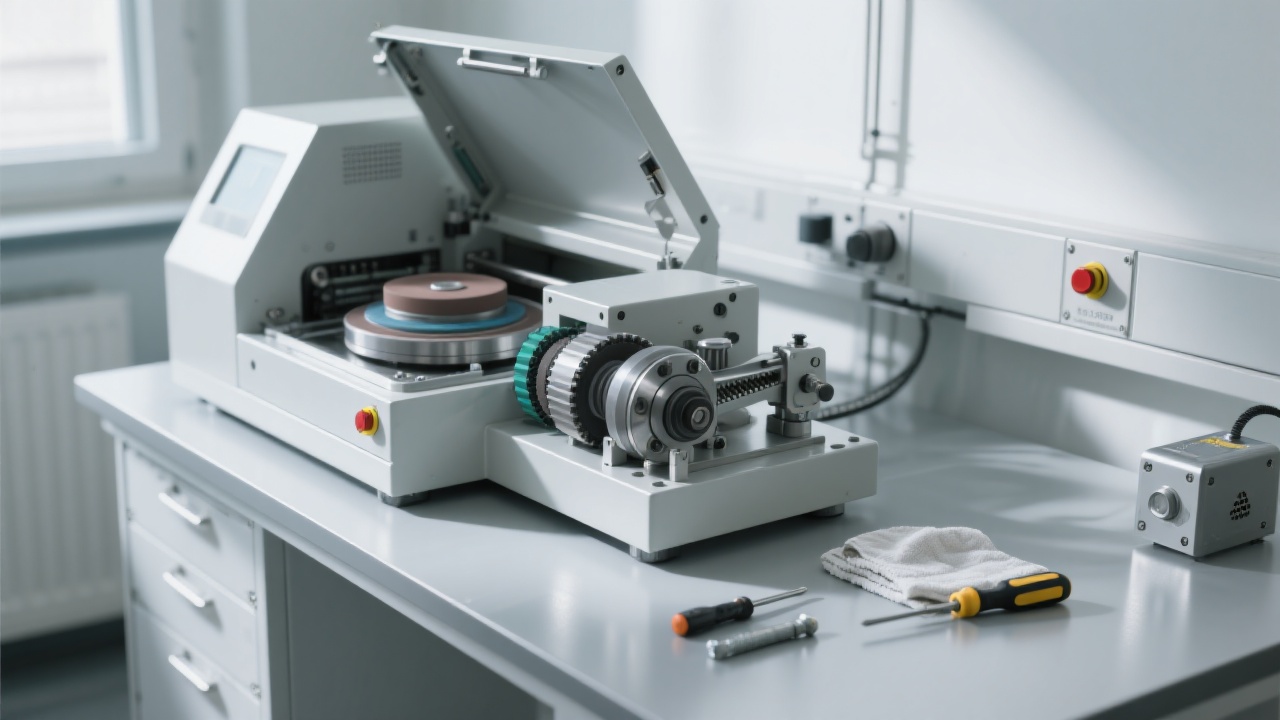
Even experienced technicians encounter mounting issues. Let's examine three common problems and their solutions:
Cause: Inadequate temperature or pressure during mounting
Solution: Verify correct curing parameters for your mounting material. Consider using the ZXQ-2 precision mounting press, which offers programmable temperature and pressure control to ensure consistent curing.
Cause: Excessive pressure or improper sample preparation
Solution: Use gradual pressure ramping and ensure proper sample orientation. The ZXQ-2's automatic pressure control eliminates human error in pressure application.
Consistency is the foundation of reliable metallographic analysis. Even the most careful manual mounting processes introduce variability—operator technique, ambient conditions, and material batch differences all play a role. This is where automation makes a significant difference.
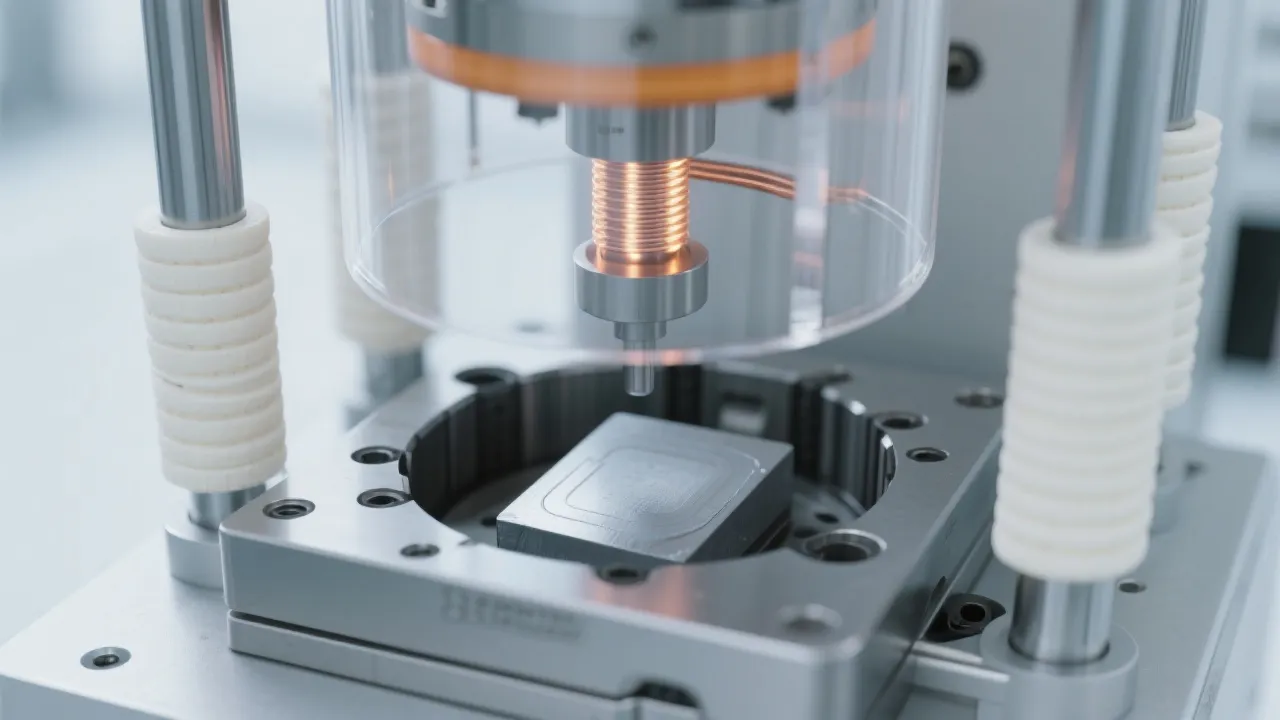
The ZXQ-2 high-precision mounting machine addresses these challenges through its advanced features:
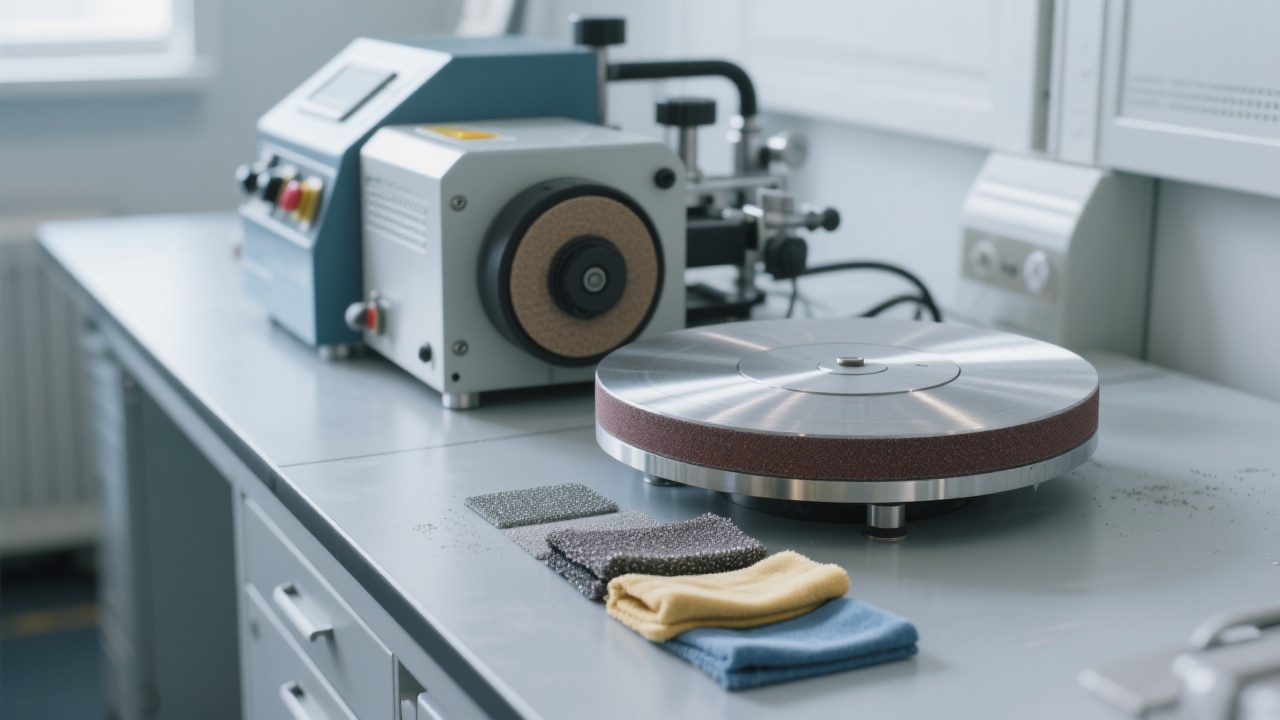
Experience the difference that precision mounting can make in your analysis results. The ZXQ-2 mounting machine delivers consistent, repeatable results with minimal operator intervention—saving you time while improving data reliability.
Discover How ZXQ-2 Improves Your Mounting QualityWhat mounting challenges have you encountered in your lab? Have you implemented specific techniques that improved your mounting quality? Share your experiences and questions in the comments below—I'd love to hear your thoughts on this critical aspect of metallographic preparation.
Remember, the quality of your mounts directly impacts the reliability of your material analysis. By implementing these inspection techniques and investing in consistent mounting equipment, you'll not only improve your results but also save valuable time that would otherwise be spent reworking poor-quality mounts.
 55
|
55
|
 Metallographic embedding quality detection
Hardness testing to determine embedding firmness
ASTM E3 - 11 standard
ISO 3189 specification
Metallographic specimen preparation skills
110
|
metallographic mounting quality
ASTM E3-11 standard
ISO 3189 compliance
mounting defect detection
ZXQ-2 precision mounting machine
473
|
Brinell hardness tester maintenance
export-grade hardness testing equipment
automatic loading hardness tester
sensor module cleaning
turret mechanism lubrication
320
|
sample cutting machine selection guide
industrial sample preparation equipment
cutting efficiency improvement
cooling system performance evaluation
grinding wheel type selection
103
|
GB/T 231.2
Brinell hardness testing
steel quality control
portable hardness tester
international trade steel inspection
Metallographic embedding quality detection
Hardness testing to determine embedding firmness
ASTM E3 - 11 standard
ISO 3189 specification
Metallographic specimen preparation skills
110
|
metallographic mounting quality
ASTM E3-11 standard
ISO 3189 compliance
mounting defect detection
ZXQ-2 precision mounting machine
473
|
Brinell hardness tester maintenance
export-grade hardness testing equipment
automatic loading hardness tester
sensor module cleaning
turret mechanism lubrication
320
|
sample cutting machine selection guide
industrial sample preparation equipment
cutting efficiency improvement
cooling system performance evaluation
grinding wheel type selection
103
|
GB/T 231.2
Brinell hardness testing
steel quality control
portable hardness tester
international trade steel inspection