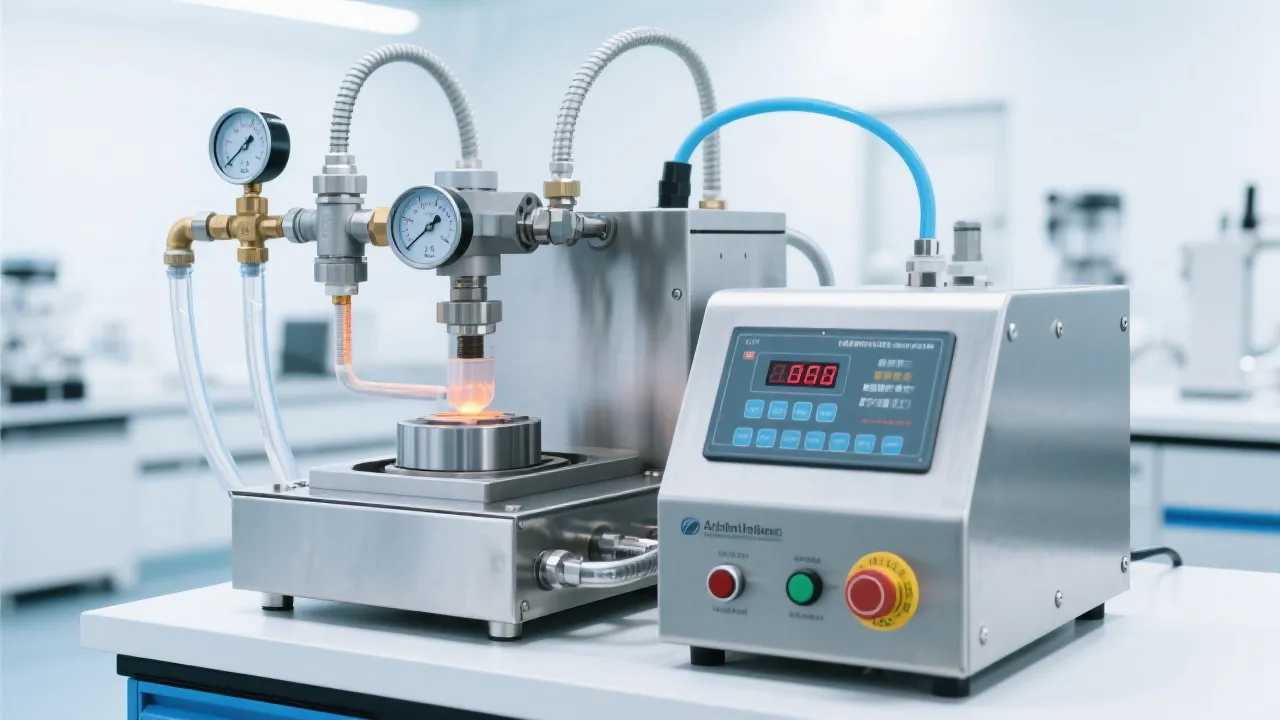
In the field of materials science and quality control, the accuracy of metallographic analysis directly depends on the quality of sample preparation. According to industry statistics, approximately 65% of analysis errors can be traced back to improper mounting techniques. This article explores the critical methods for assessing metallographic mounting quality in accordance with the two most recognized international standards: ASTM E3-11 and ISO 3189.
"The foundation of reliable metallographic analysis lies in consistent, high-quality sample preparation. Understanding and implementing international standards is not just a compliance requirement but a critical factor in ensuring accurate material characterization."
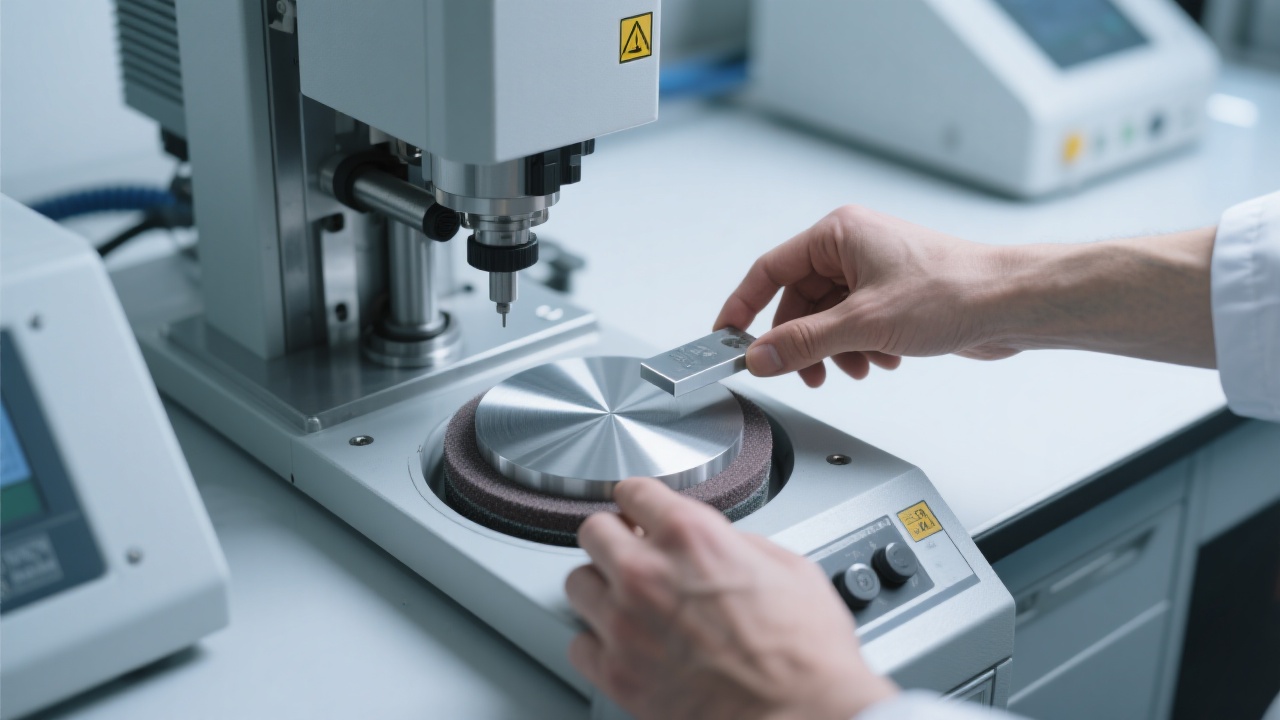
Visual inspection remains the first line of defense in evaluating mounting quality. This method focuses on identifying surface imperfections that could compromise analysis results. Operators should examine mounts under adequate lighting (minimum 500 lux recommended) at both 10x magnification and normal viewing distance.
Critical visual indicators include:
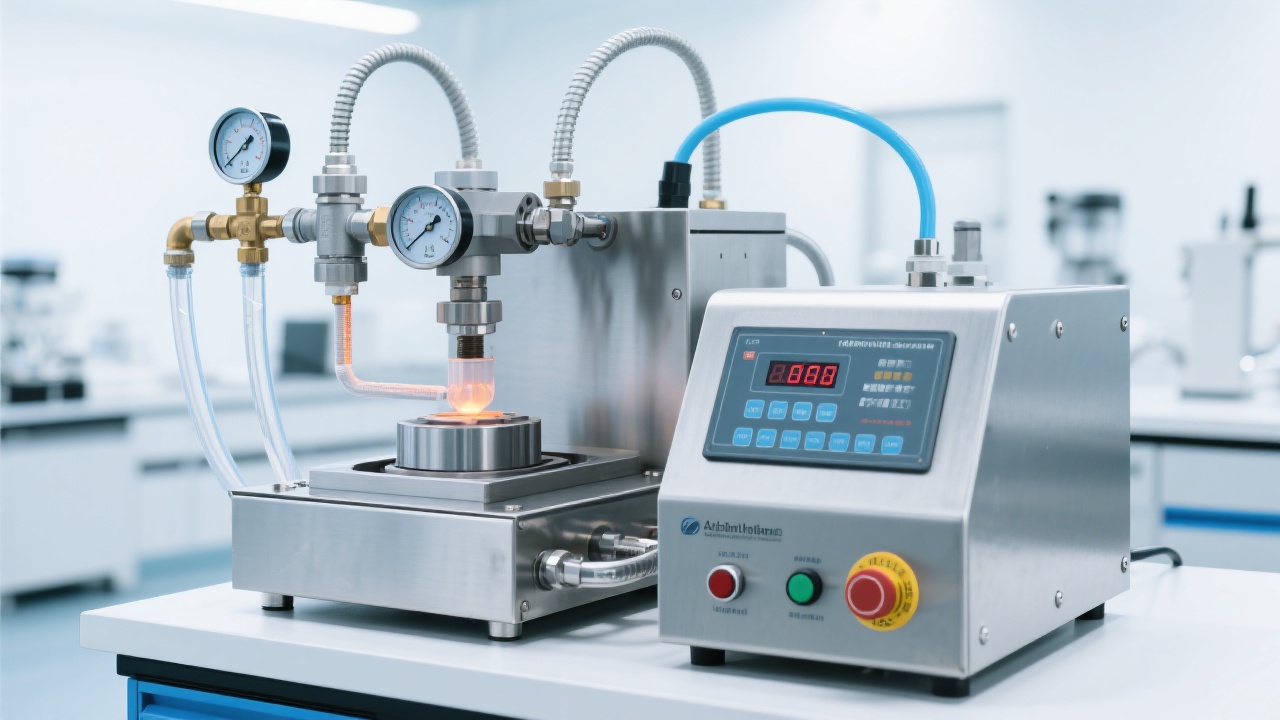
Maintaining sample edge integrity is crucial for accurate microstructural analysis, particularly for failure analysis and coating thickness measurements. The edge integrity test involves examining the interface between the sample and mounting material using a metallurgical microscope at 50-100x magnification.
According to ASTM E3-11, acceptable edge rounding should not exceed 10% of the sample thickness, while ISO 3189 specifies a maximum allowable rounding of 5μm for critical applications. Both standards require complete encapsulation of the sample without gaps at the interface.
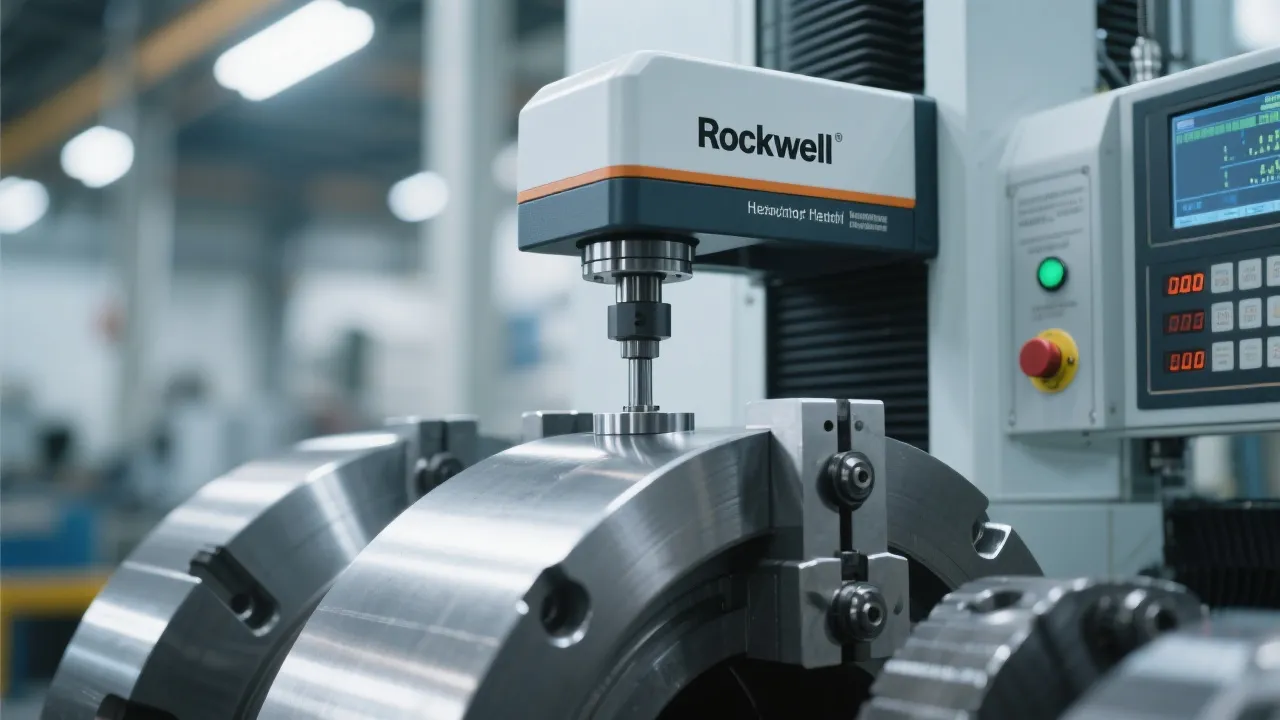
Indirect assessment of mounting quality can be performed through hardness testing of the mounting material. While not specified in the core standards, industry best practice suggests that mounting material hardness should be within 80-95 Shore D for optimal performance during grinding and polishing.
Significant variations in hardness (±10 Shore D) across a single mount indicate improper curing, which can lead to differential wear during preparation and subsequent analysis errors.
| Quality Parameter | ASTM E3-11 Standard | ISO 3189 Standard |
|---|---|---|
| Maximum Bubble Size | 0.3mm diameter | 0.2mm diameter |
| Edge Rounding Allowance | 10% of sample thickness | 5μm maximum |
| Mounting Material Hardness | Not specified | 85-95 Shore D (recommended) |
| Temperature Resistance | Not specified | Minimum 60°C during grinding |
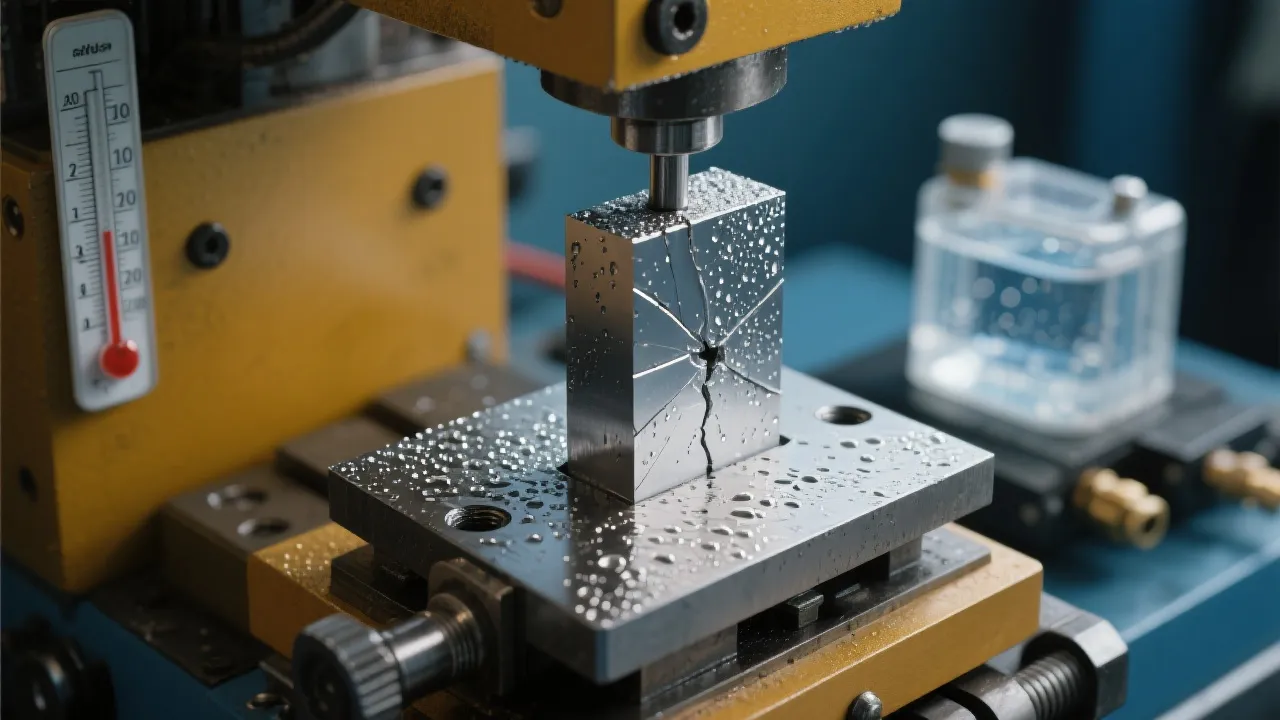
In a recent study conducted across 12 manufacturing quality labs, researchers found that 43% of mounting failures could be attributed to improper temperature control during the mounting process. This often results in either incomplete curing or thermal stress cracks in the mounting material.
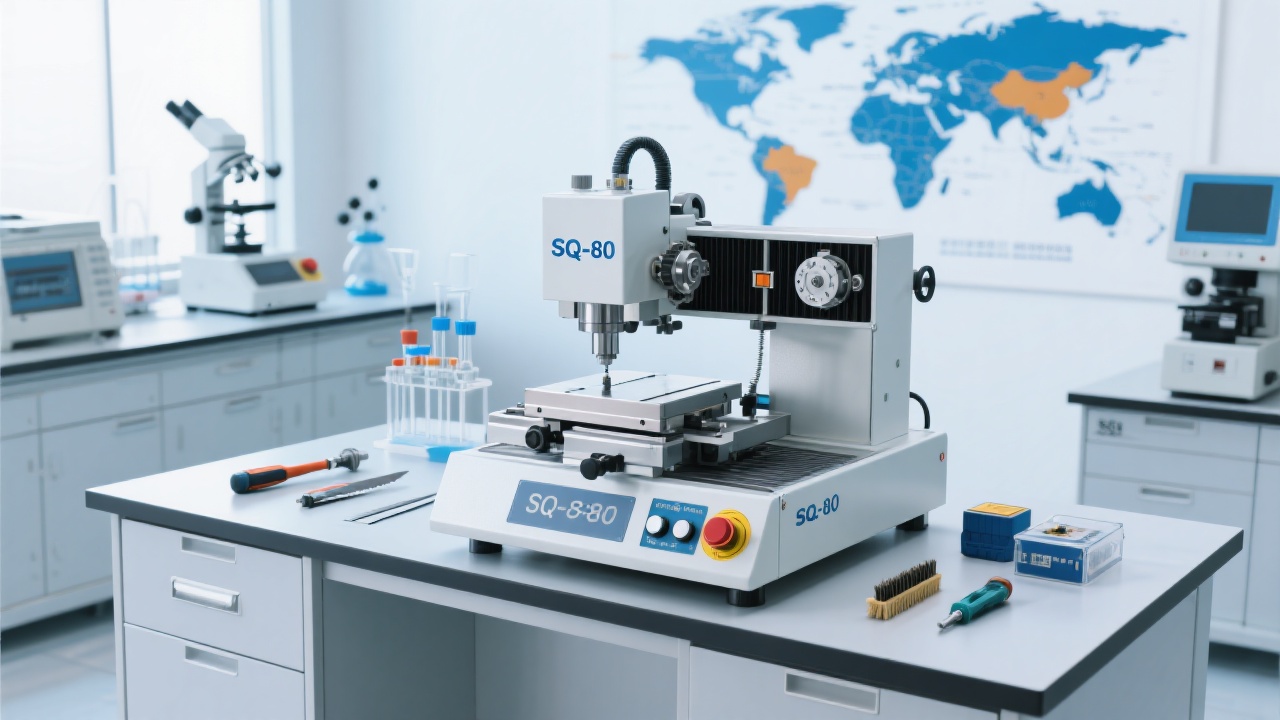
Consistency in mounting quality is not just about meeting standards—it's about ensuring reliable, repeatable results across all samples. Laboratory managers should implement regular calibration of mounting equipment (at least quarterly), operator training programs, and standardized mounting procedures.
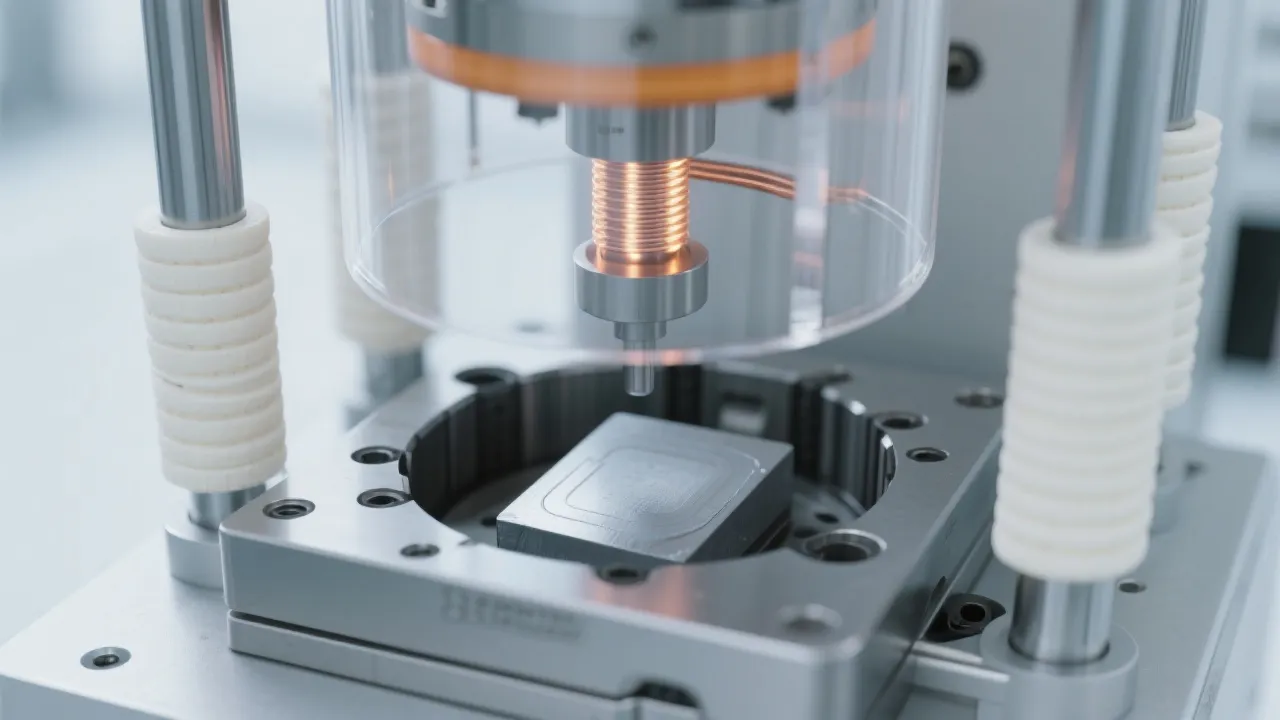
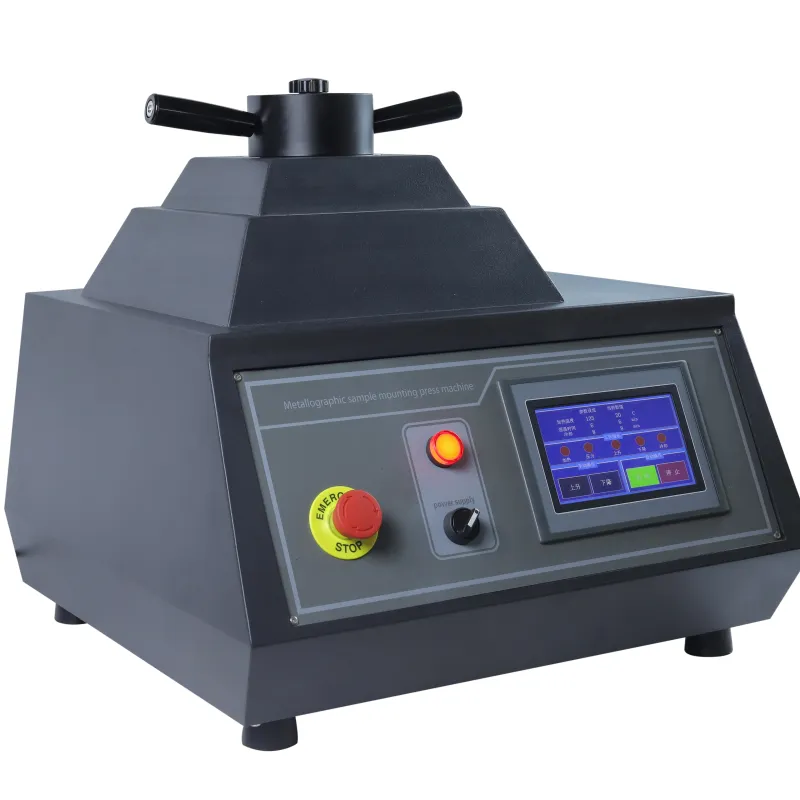
The choice of mounting equipment plays a significant role in achieving consistent results. Modern mounting systems offer precise control over temperature, pressure, and curing time—factors that directly impact mount quality. When selecting equipment, consider models that provide digital process control and programmable cycles to ensure repeatability.
Discover how the ZXQ-2 High-Precision Metallographic Mounting Machine from Laizhou Jincheng Industrial Equipment can help you achieve consistent, standard-compliant results with every sample.
Learn About ZXQ-2 Mounting MachineBy implementing the assessment methods outlined in ASTM E3-11 and ISO 3189, laboratories can significantly reduce analysis errors and improve the reliability of their metallographic results. Remember that quality mounting is not just a preparatory step but the foundation upon which all subsequent analysis depends.
Have questions about implementing these standards in your lab? Join our upcoming webinar series on metallographic sample preparation techniques, where our technical experts will provide live demonstrations and answer your specific questions.
 385
|
385
|
 Brinell hardness tester daily maintenance
automatic loading hardness tester fault identification
hardness tester maintenance skills
HBS - 3000Z maintenance guide
hardness tester calibration cycle
453
|
manual dual-disc metallographic polisher
LCD speed control
polishing machine maintenance
fiberglass body durability
metallographic polishing operation
346
|
metallographic sample mounting quality
ASTM E3-11 standard
ISO 3189 specification
sample mounting defects
metallography quality control
469
|
Metallographic embedding quality detection
ASTM E3 - 11 standard
Metallographic sample quality assessment
Irregular metallographic specimen embedding machine
Embedding defect detection methods
103
|
GB/T 231.2
Brinell hardness testing
steel quality control
portable hardness tester
international trade steel inspection
Brinell hardness tester daily maintenance
automatic loading hardness tester fault identification
hardness tester maintenance skills
HBS - 3000Z maintenance guide
hardness tester calibration cycle
453
|
manual dual-disc metallographic polisher
LCD speed control
polishing machine maintenance
fiberglass body durability
metallographic polishing operation
346
|
metallographic sample mounting quality
ASTM E3-11 standard
ISO 3189 specification
sample mounting defects
metallography quality control
469
|
Metallographic embedding quality detection
ASTM E3 - 11 standard
Metallographic sample quality assessment
Irregular metallographic specimen embedding machine
Embedding defect detection methods
103
|
GB/T 231.2
Brinell hardness testing
steel quality control
portable hardness tester
international trade steel inspection



Hardness-TesterHVS-5103050-1.jpg?x-oss-process=image/resize,m_fill,h_800,w_800/format,webp)