
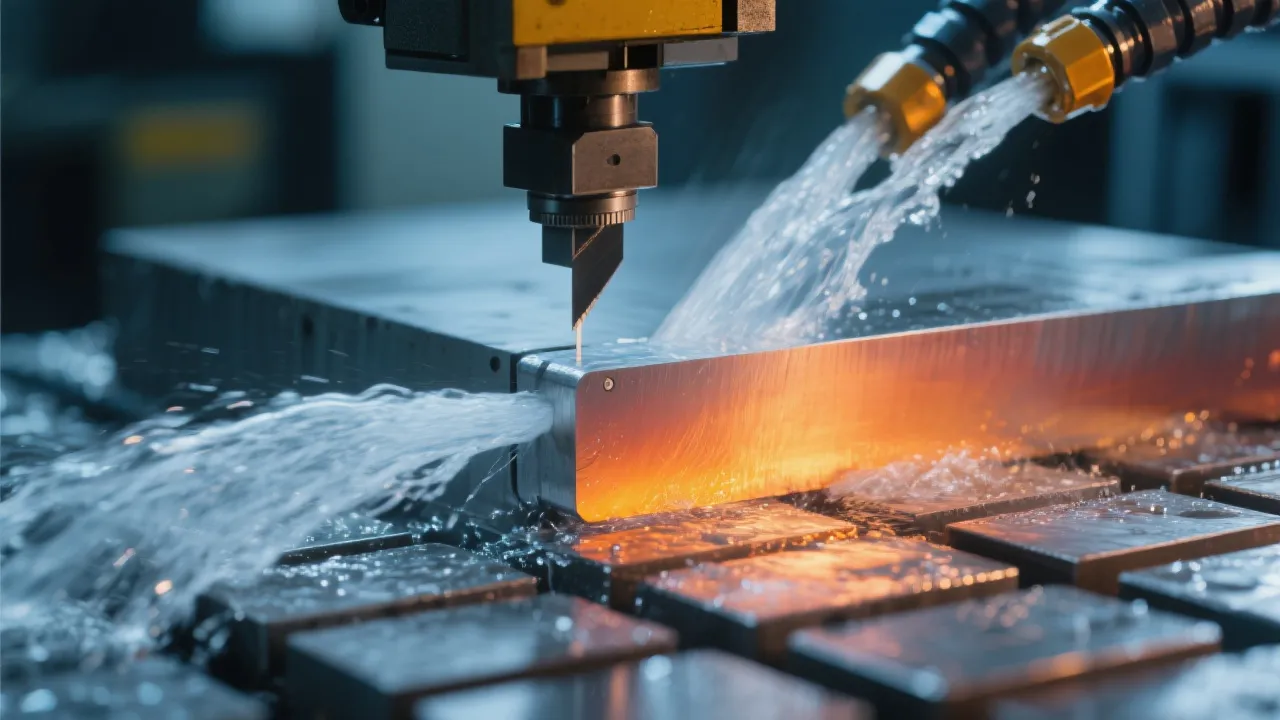
Metallographic analysis hinges on consistent and defect-free sample preparation. However, many laboratories struggle with repeatability due to a lack of standardized evaluation methods for mounting quality. Variations in mounting can introduce bubbles, cracks, and edge damages—ultimately compromising microscopic observations and test data reliability. This article dissects seven pivotal inspection points underpinning high-quality metallographic mounting, anchored in internationally recognized standards ASTM E3-11 and ISO 3189. It further explores practical inspection techniques, offers benchmarking thresholds, and presents equipment recommendations to elevate sample preparation precision and efficiency.
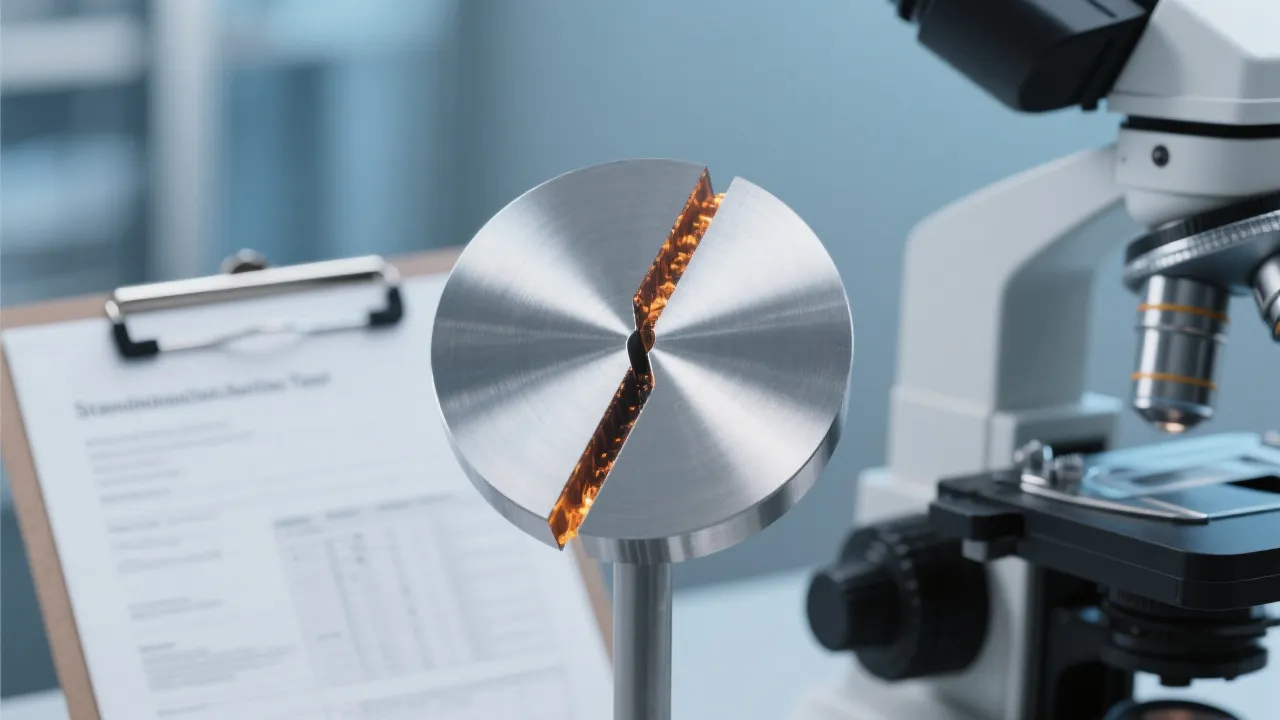
Air inclusions and cracks embedded during the mounting process cause distortion during microscopic observation, undermining analysis. According to ASTM E3-11, inclusions exceeding 0.1 mm in diameter or propagating cracks beyond 0.05 mm warrant rejection. A thorough visual check under 10× magnification with controlled illumination can reveal subtle defects invisible to the naked eye. Laboratory personnel should be trained to differentiate harmless inclusions from critical flaws.
Edges are particularly vulnerable in irregularly shaped specimens. A robust mounting must maintain at least 90% edge retention without chips or delamination, as per ISO 3189. Edge defects create shadowing effects and measurement inaccuracies in metallographic imaging. Applying a low-force edge adhesion test helps detect weak bonding zones pre-analysis.
ASTM E3-11 Key Quote:
"Metallographic mounts shall be free from defects larger than 0.1 mm inclusions and maintain edge integrity greater than 90% to ensure reliable microscopic examination."
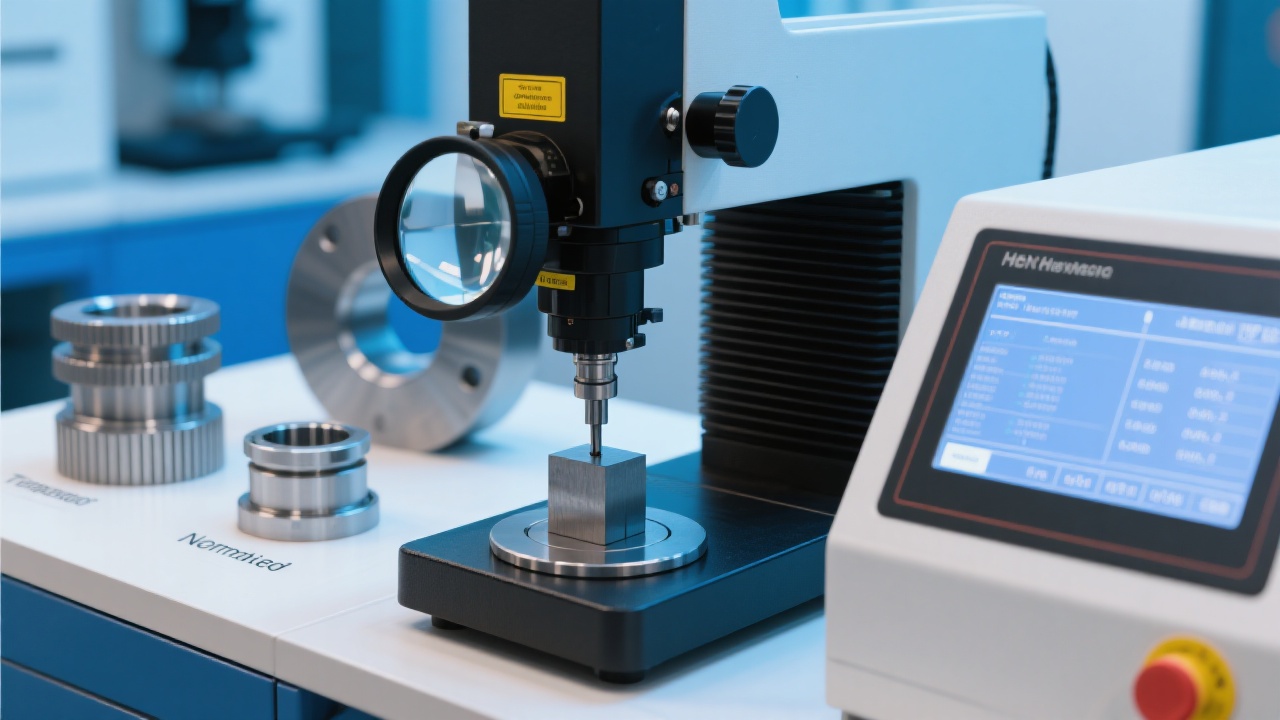
A lesser-known but effective technique involves measuring hardness variations near the mount interface. Significant deviations may signal internal voids or stresses caused by uneven curing or material incompatibility. Implementing microhardness tests following ASTM E384 can indirectly verify mounting consistency, especially for high-precision applications in aerospace and automotive sectors.
Precise dimensions control is vital, especially when samples have irregular shapes. Overfilling or underfilling mounts distort orientation and can affect cross-section accuracy. Employ calipers to verify mounting dimensions conform within ±0.1 mm tolerance aligned with the sample geometry.
Improper polymerization causes shrinkage cracks and weak zones. Utilize automated mounting machines capable of controlled heating, pressure, and cooling cycles to standardize curing parameters for different resin materials, ensuring homogeneity.
When mounting composites, differential thermal expansion can induce stresses and delamination. Choose mounting media and equipment capable of adapting to varied materials by modulating pressure and temperature profiles automatically, ensuring integrity across heterogeneous samples.
Establish standardized inspection logs integrating photographed defects with quantitative metrics tied to ASTM and ISO acceptance criteria. Digital traceability supports continuous improvement and audit readiness.
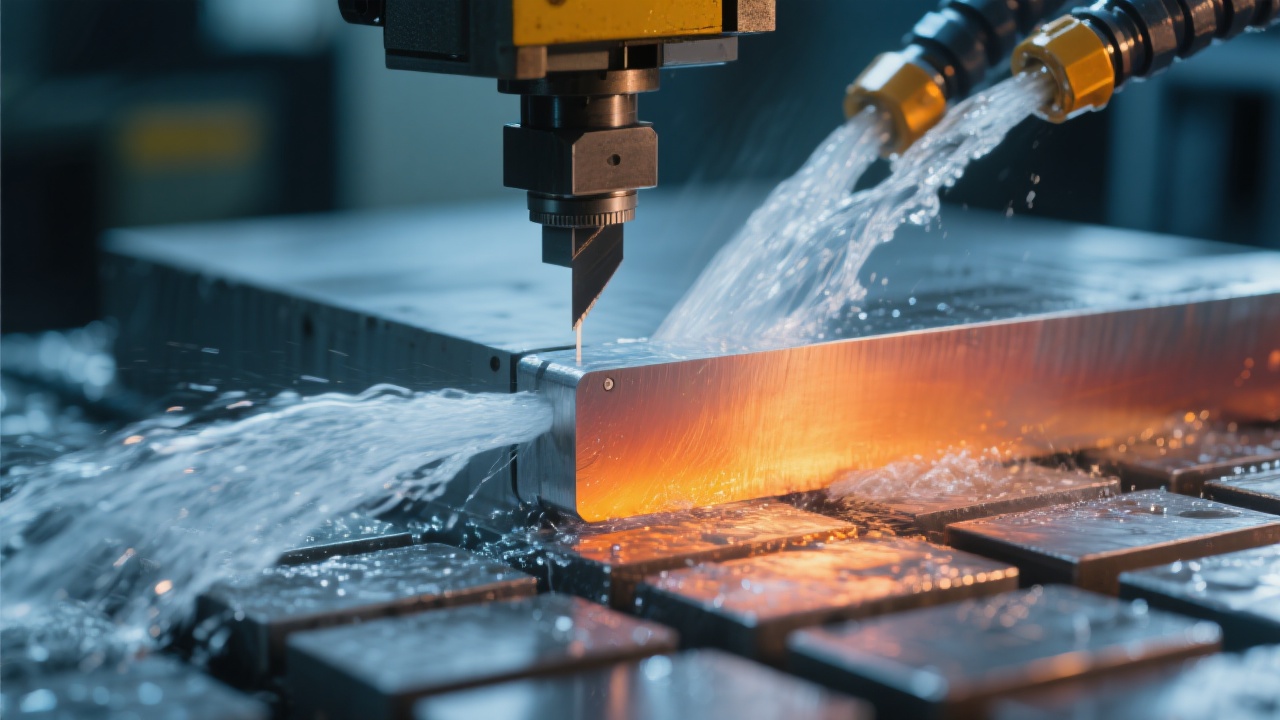
Several research laboratories and industrial quality control teams have reported erroneous microstructural interpretations traced back to inconsistent mounting quality. One university lab encountered a 15% deviation in grain size measurement due to microvoids in mounts. Following adoption of rigorous inspection aligned with ASTM E3-11 and upgrading to an automated mounting system, repeatability stabilized with coefficient of variation (CV) under 5%. These examples highlight the criticality of comprehensive quality checks and standard-compliant procedures.
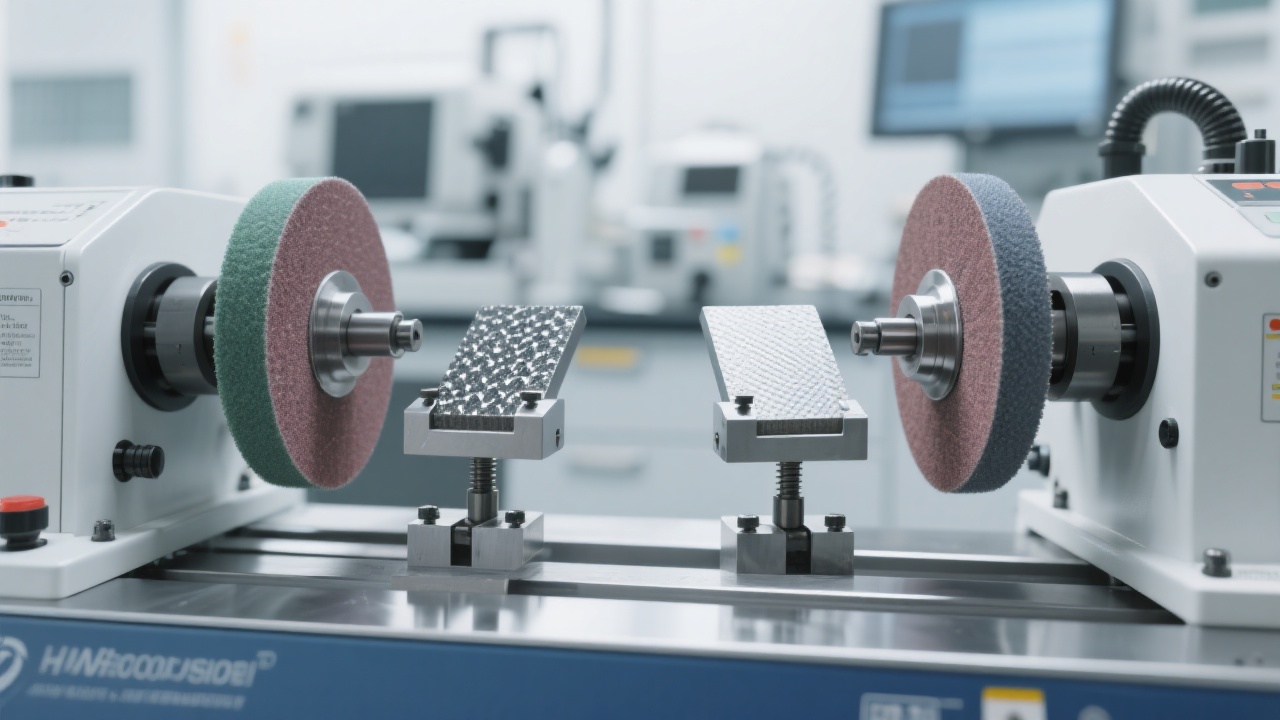
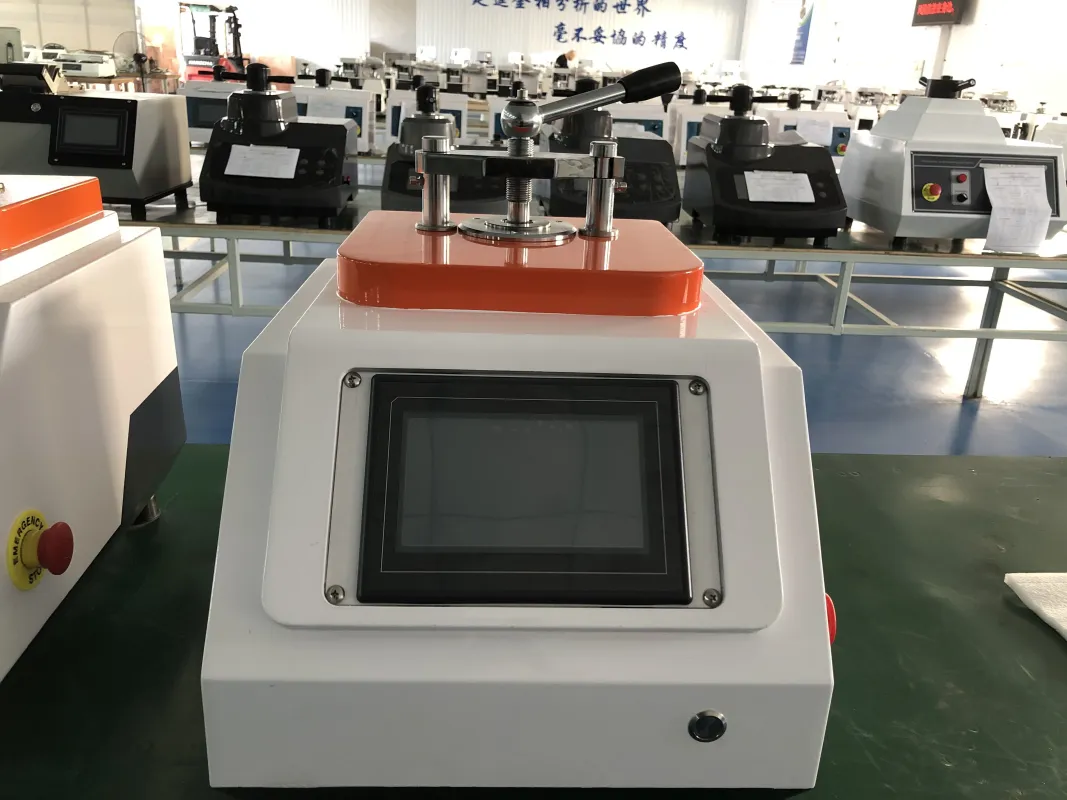
For laboratories demanding reliability and efficiency, the ZXQ-2 metallographic mounting machine offers cutting-edge features: automatic heating, pressurizing, and cooling cycles, tailored for irregular and composite samples. It supports multiple mounting media and adapts performance parameters dynamically, minimizing operator variability and enhancing throughput by up to 40%. The ZXQ-2’s integration of uniform curing and pressure control optimizes sample integrity to meet or exceed ASTM E3-11 and ISO 3189 standards.
This guide is segmented to serve diverse user groups:
 201
|
201
|
 manual dual-disc metallographic polisher
LCD interface variable speed control
fiberglass equipment durability
metallographic polishing maintenance
after-sales service customer cases
490
|
hardness tester selection guide
Rockwell hardness test parameter settings
automatic load control hardness tester
metallographic inspection equipment
material hardness testing standards
308
|
micro Vickers hardness tester
intelligent touch hardness testing
high-precision hardness measurement
mechanical processing hardness
metallurgical research hardness testing
60
|
metal microstructure analysis
standardized microscopy workflow
metallographic microscope
quality control in metallurgy
ASTM metallography standards
320
|
sample cutting machine selection guide
industrial sample preparation equipment
cutting efficiency improvement
cooling system performance evaluation
grinding wheel type selection
manual dual-disc metallographic polisher
LCD interface variable speed control
fiberglass equipment durability
metallographic polishing maintenance
after-sales service customer cases
490
|
hardness tester selection guide
Rockwell hardness test parameter settings
automatic load control hardness tester
metallographic inspection equipment
material hardness testing standards
308
|
micro Vickers hardness tester
intelligent touch hardness testing
high-precision hardness measurement
mechanical processing hardness
metallurgical research hardness testing
60
|
metal microstructure analysis
standardized microscopy workflow
metallographic microscope
quality control in metallurgy
ASTM metallography standards
320
|
sample cutting machine selection guide
industrial sample preparation equipment
cutting efficiency improvement
cooling system performance evaluation
grinding wheel type selection





-1.jpg?x-oss-process=image/resize,m_fill,h_800,w_800/format,webp)


