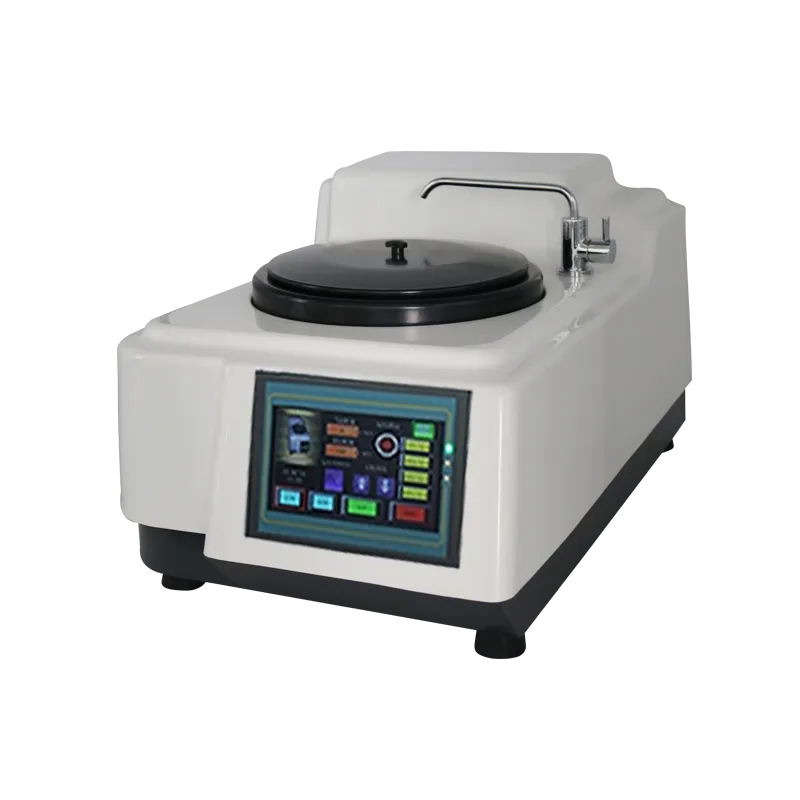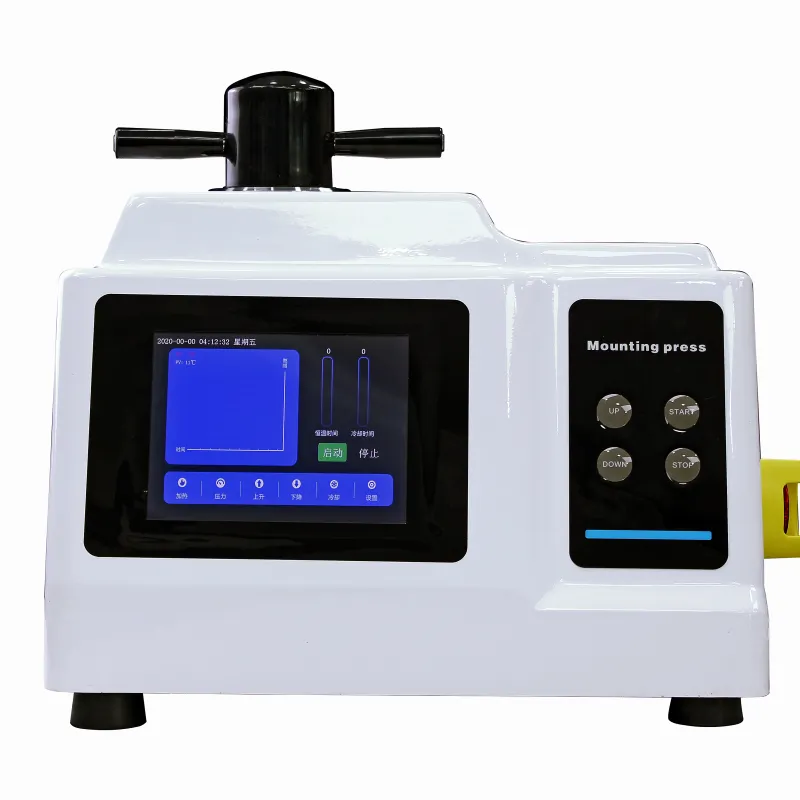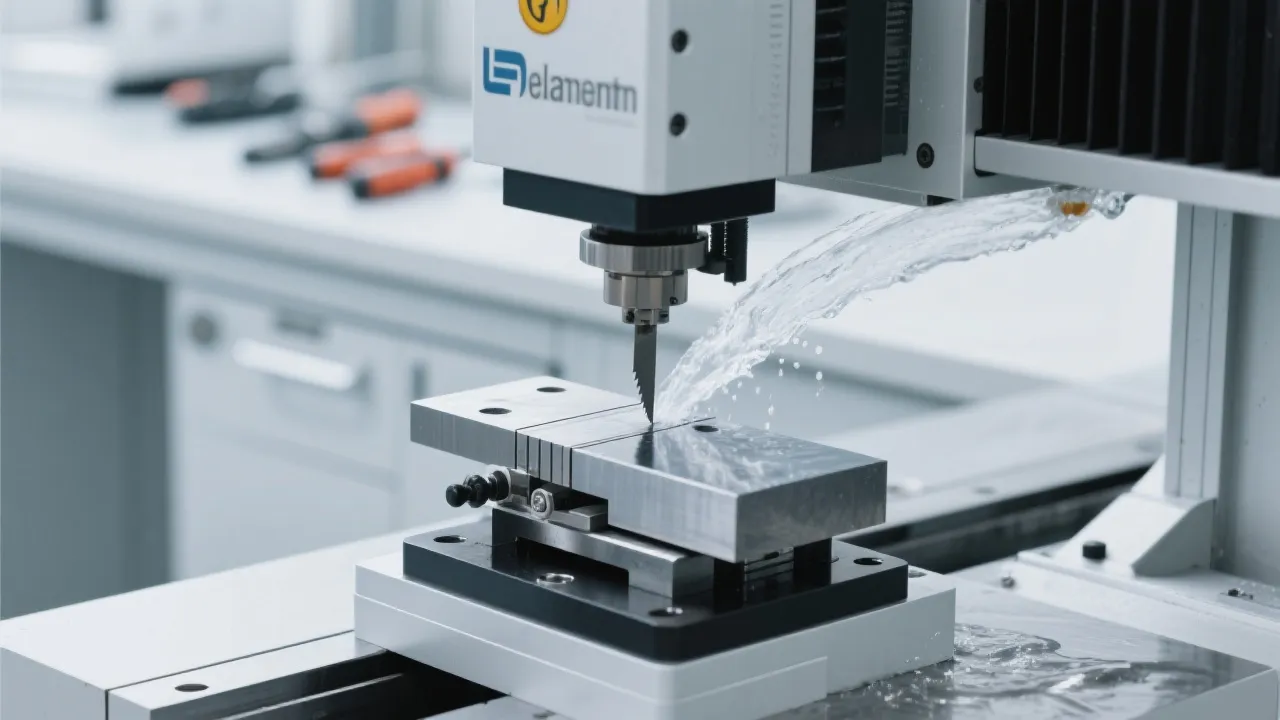
For engineers, quality managers, and researchers working with heat-treated metals, visualizing microstructure isn’t just a best practice—it’s a necessity. According to ASTM E3-11, standardized metallographic preparation ensures consistent results across labs, which is critical when evaluating processes like quenching, tempering, or annealing.
“A properly prepared sample allows for accurate identification of grain size, phase distribution, and defect types—key indicators that directly affect mechanical performance.” — ASTM E3-11 Standard
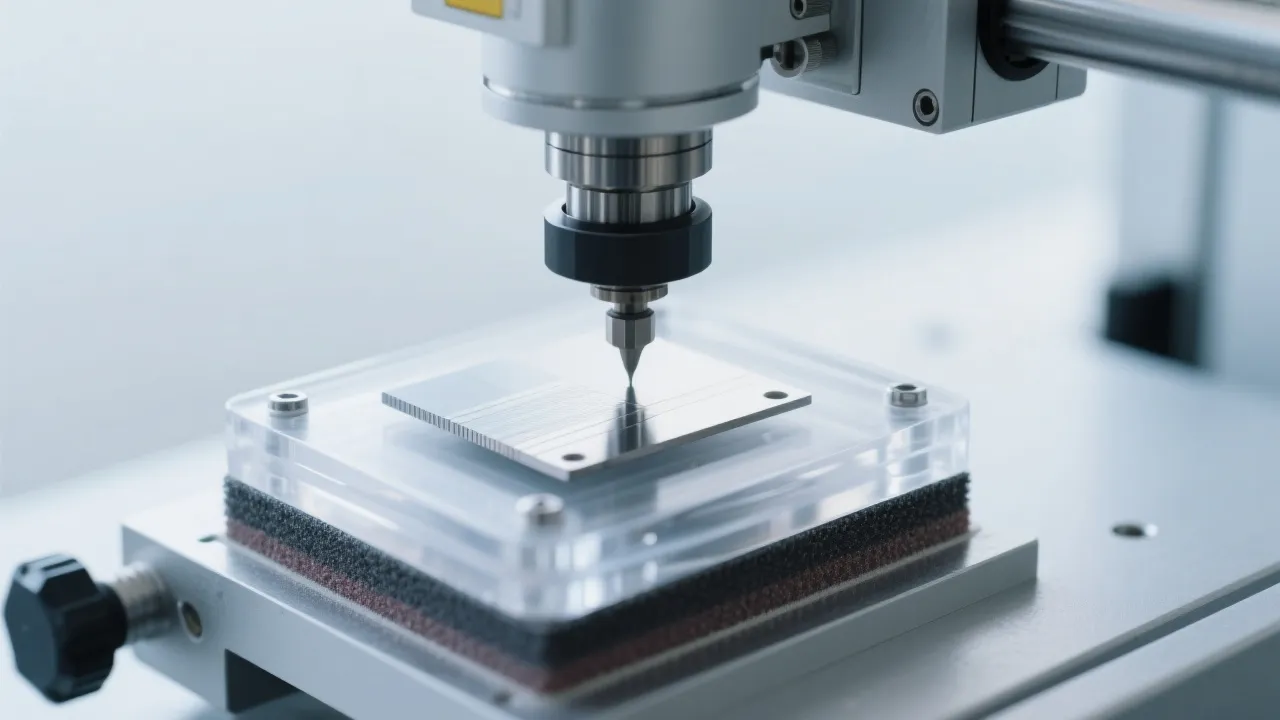
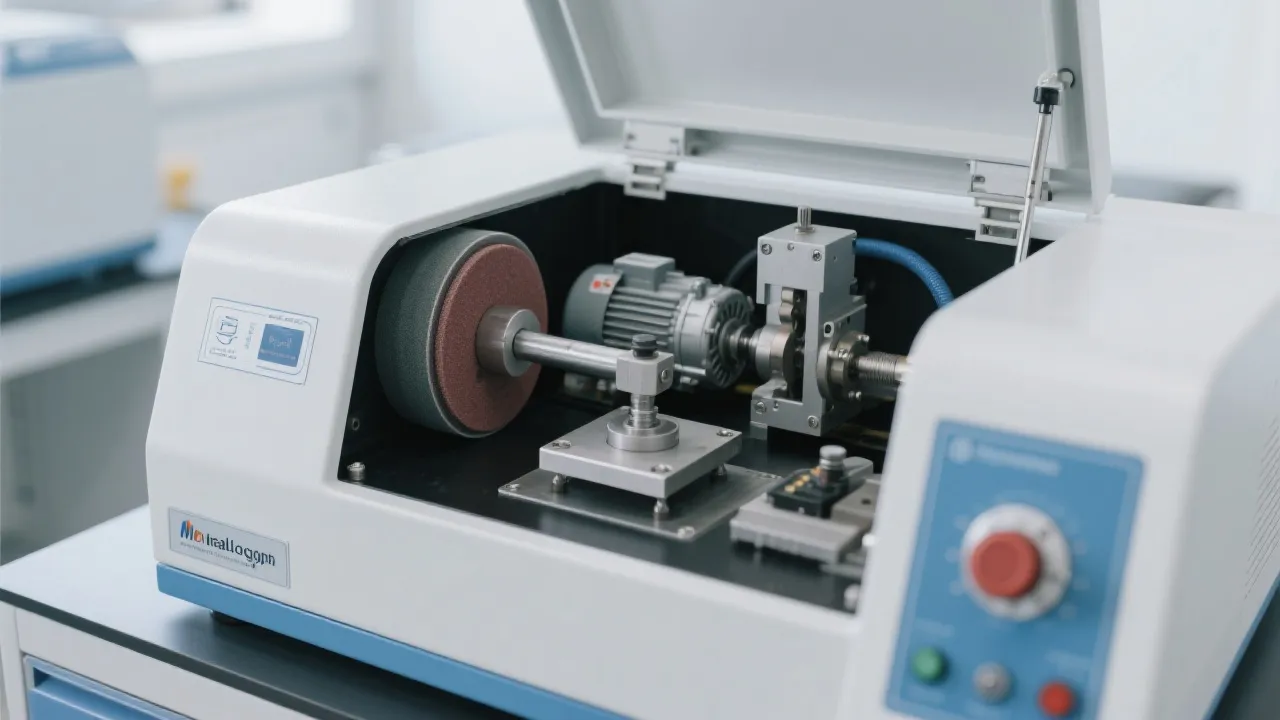
Start with precision cutting at 90° angles using diamond blades—this minimizes deformation. Then apply controlled polishing (typically 1–3 µm final finish) to avoid artifacts that obscure true microstructure. For example, over-polishing can flatten grain boundaries, leading to misclassification of ferrite vs. pearlite regions.
Next, choose the right etchant: Nital (5% nitric acid in ethanol) works well for low-carbon steels, while picral is ideal for high-alloy materials where you need to highlight carbides. These small choices impact how clearly you see defects like non-metallic inclusions or micro-cracks.
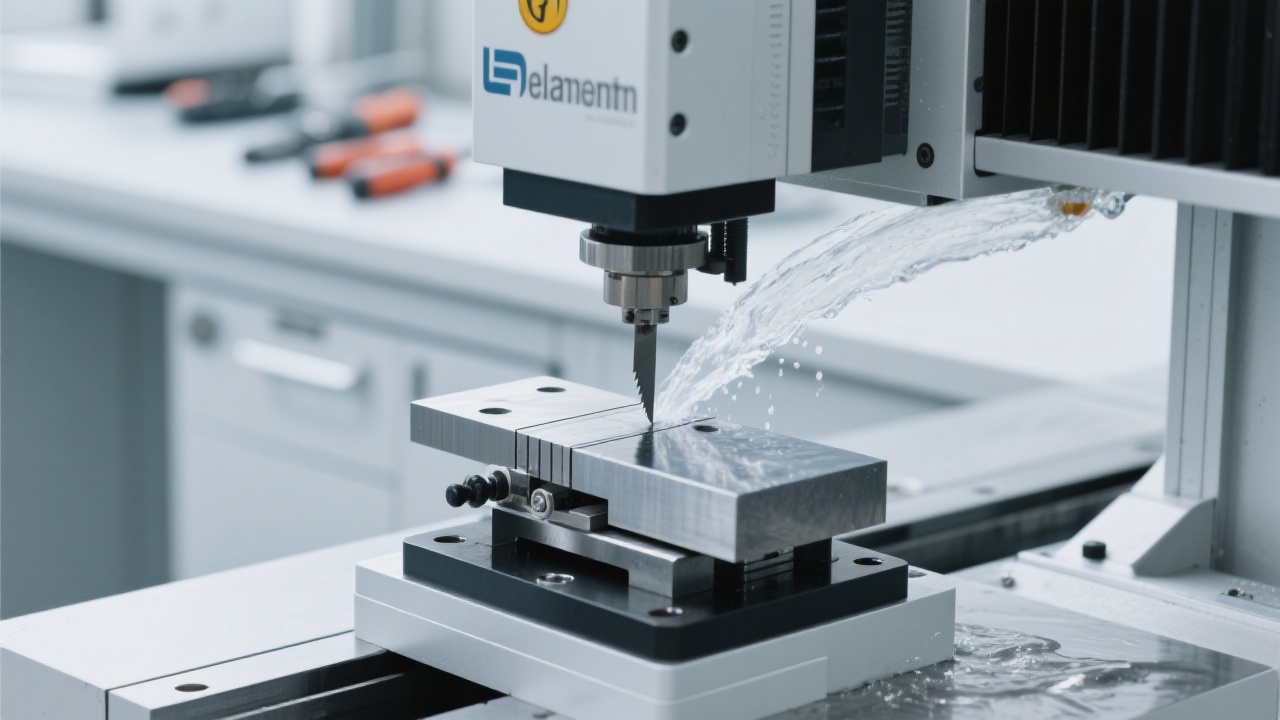
In today’s global supply chains, consistency is currency. When your team uses the same protocols—from specimen prep to image capture—you reduce variability by up to 40%, per data from ISO 17674-1 compliance studies. This means fewer rejections, faster approvals, and stronger customer trust.
Key features to monitor include:
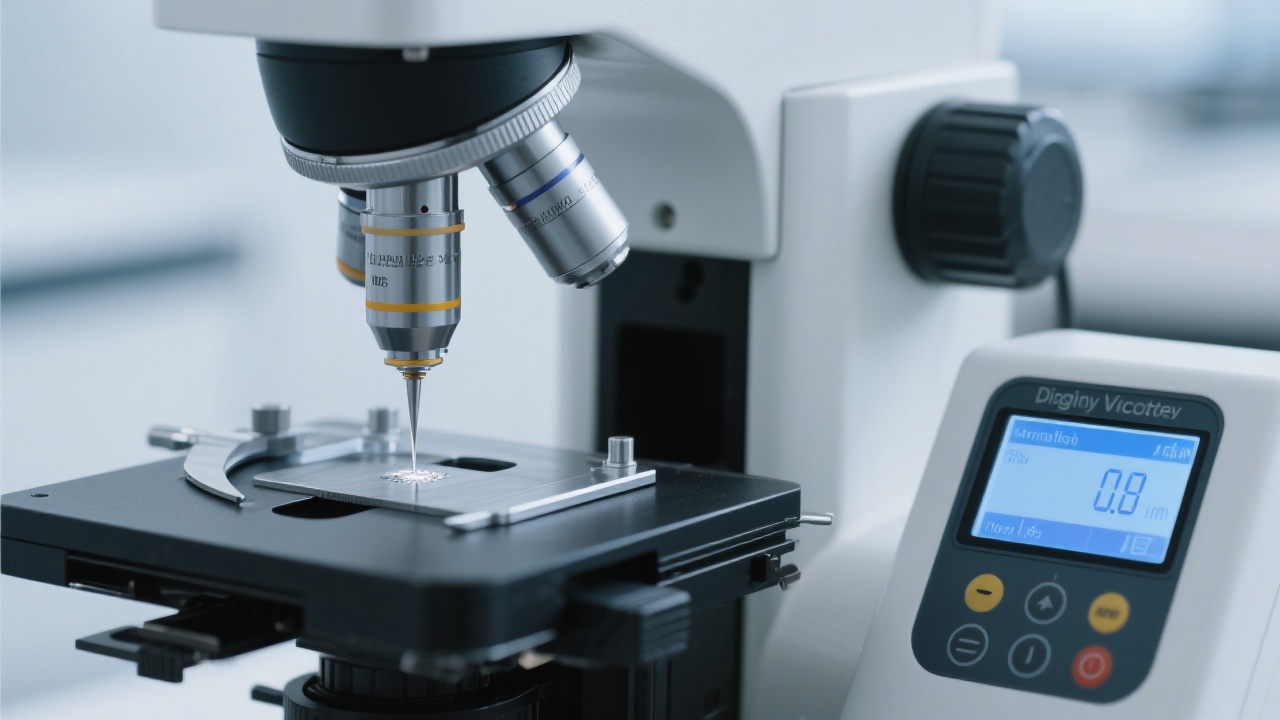
With tools like FMIA2025 software, teams can automate classification accuracy—reducing manual error rates from ~25% to under 5%. That’s not just efficiency—it’s confidence in every batch.
Whether you're in a lab in Germany, a plant in India, or a university in the U.S., standardization ensures your findings are replicable. By embedding workflows into digital systems—like automated metadata tagging and cloud-based storage—you enable real-time collaboration and audit-ready documentation.
Discover how our advanced imaging solutions help global manufacturers achieve ISO/ASTM compliance—and turn inspection into insight.
Explore Our Metallography Solutions →
 201
|
201
|
 manual dual-disc metallographic polisher
LCD interface variable speed control
fiberglass equipment durability
metallographic polishing maintenance
after-sales service customer cases
357
|
manual metallographic cutting machine
metallographic sample preparation
scientific research equipment
metallography consumables
sample cutting technology
306
|
micro Vickers hardness tester
intelligent touch hardness testing
high-precision hardness measurement
mechanical processing hardness
metallurgical research hardness testing
421
|
Industrial-grade indenter accessories installation
Equipment commissioning tutorial
Indenter installation precautions
Industrial equipment maintenance
Precision CNC machining accessories
136
|
metal microstructure inspection standardization
ASTM metallography procedures
ISO material analysis
gold phase microscope quality control
microstructure analysis in metallurgy
manual dual-disc metallographic polisher
LCD interface variable speed control
fiberglass equipment durability
metallographic polishing maintenance
after-sales service customer cases
357
|
manual metallographic cutting machine
metallographic sample preparation
scientific research equipment
metallography consumables
sample cutting technology
306
|
micro Vickers hardness tester
intelligent touch hardness testing
high-precision hardness measurement
mechanical processing hardness
metallurgical research hardness testing
421
|
Industrial-grade indenter accessories installation
Equipment commissioning tutorial
Indenter installation precautions
Industrial equipment maintenance
Precision CNC machining accessories
136
|
metal microstructure inspection standardization
ASTM metallography procedures
ISO material analysis
gold phase microscope quality control
microstructure analysis in metallurgy