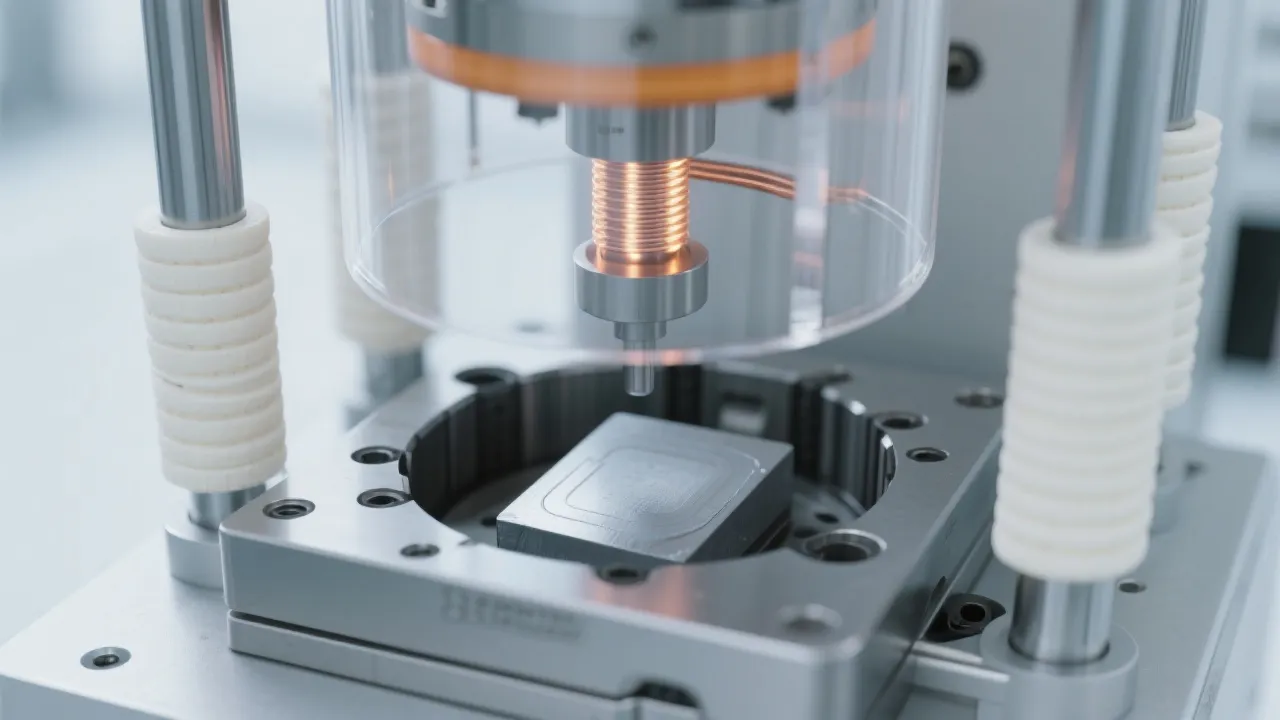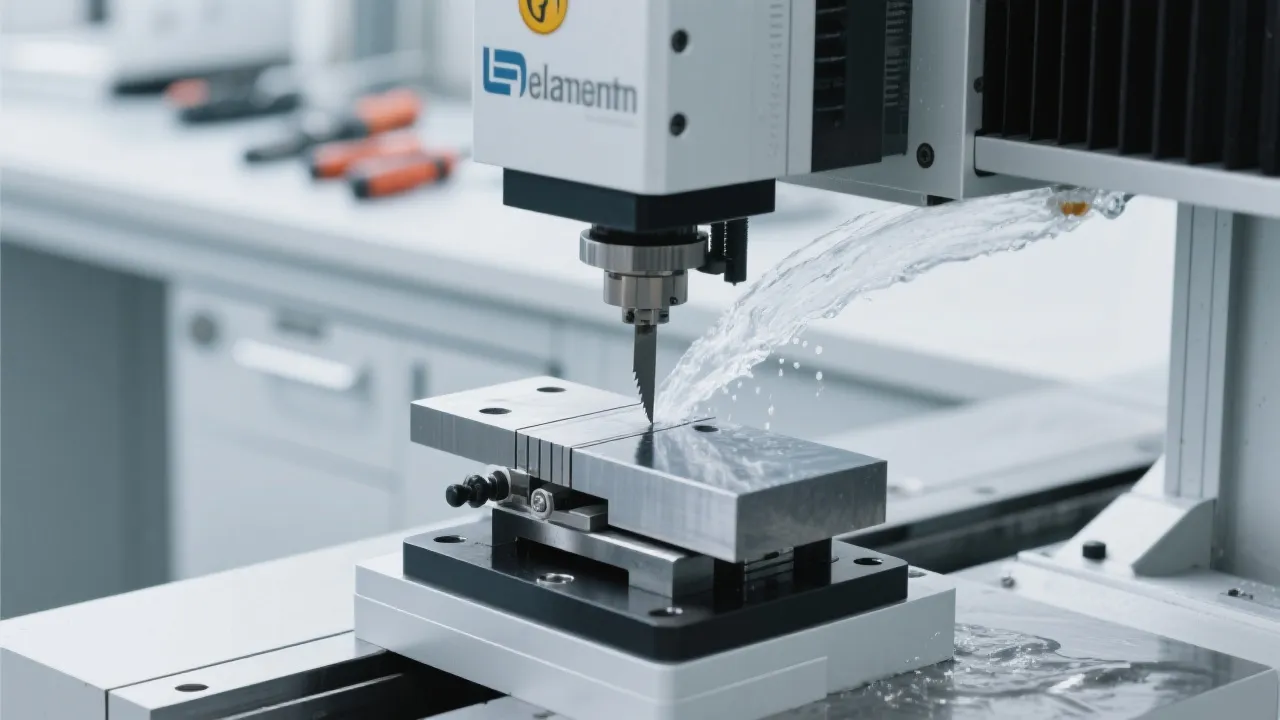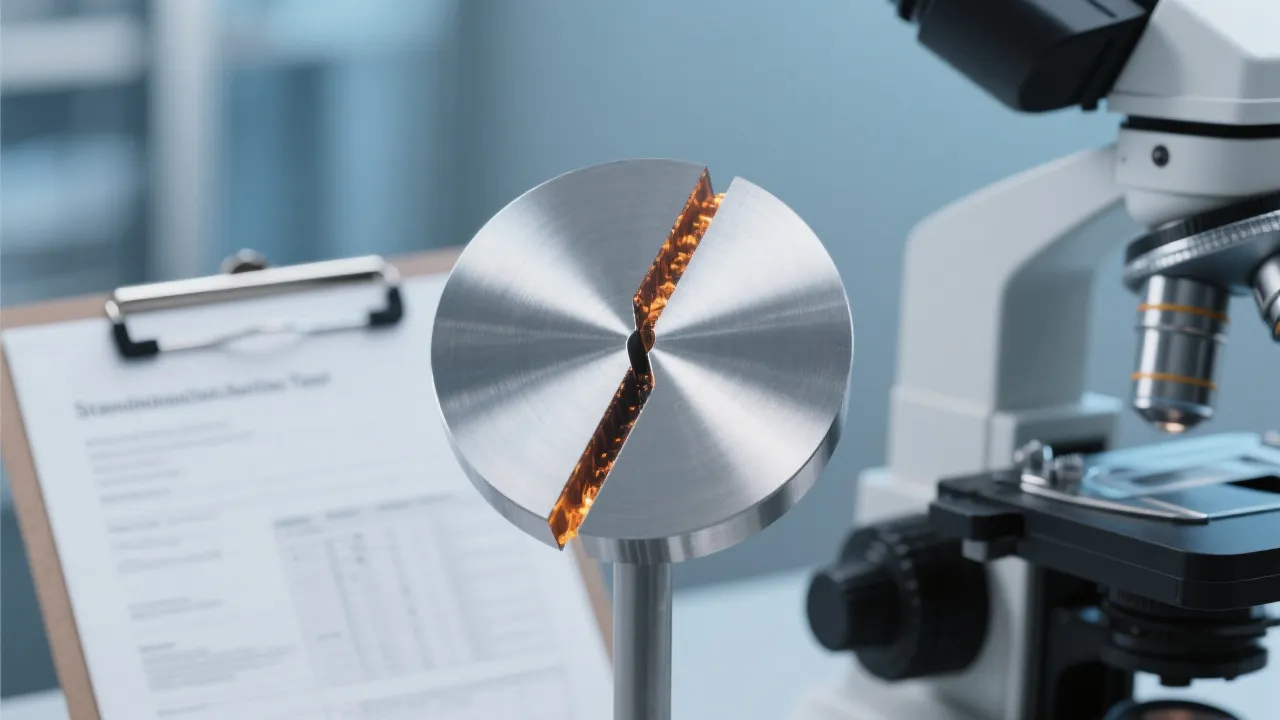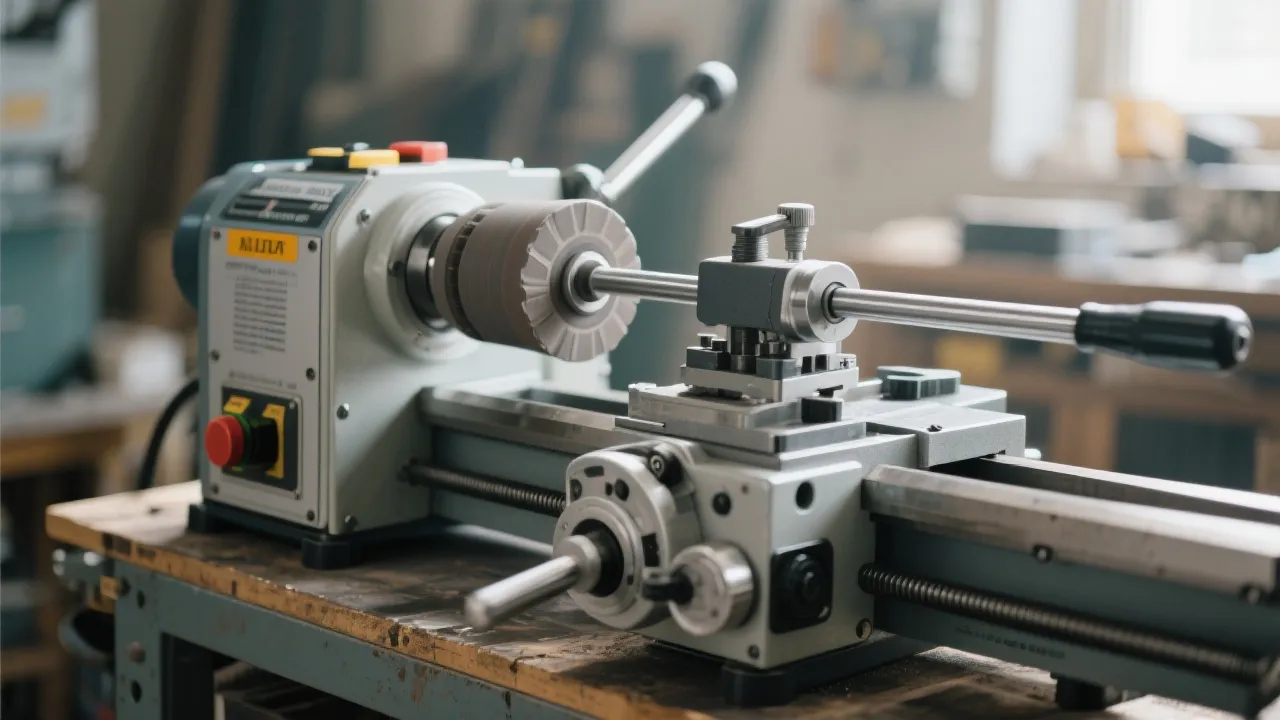
Metallographic mounting is a crucial step in the preparation of metallographic samples. The quality of mounting directly affects the accuracy of subsequent microscopic analysis and material property evaluation. Common defects in mounting, such as cracks, voids, and poor adhesion, can lead to inaccurate test results and misinterpretation of material properties.
Visual inspection is the first step in assessing the quality of metallographic mounting. By carefully observing the surface of the mounted sample, inspectors can identify obvious defects such as cracks, voids, and uneven surfaces. The specific steps of visual inspection include observing the overall appearance of the sample under normal lighting conditions, using a magnifying glass to check for small defects, and comparing the sample with a standard sample. For example, if a crack with a width of more than 0.1mm is found on the surface of the sample, it can be considered a defective product.
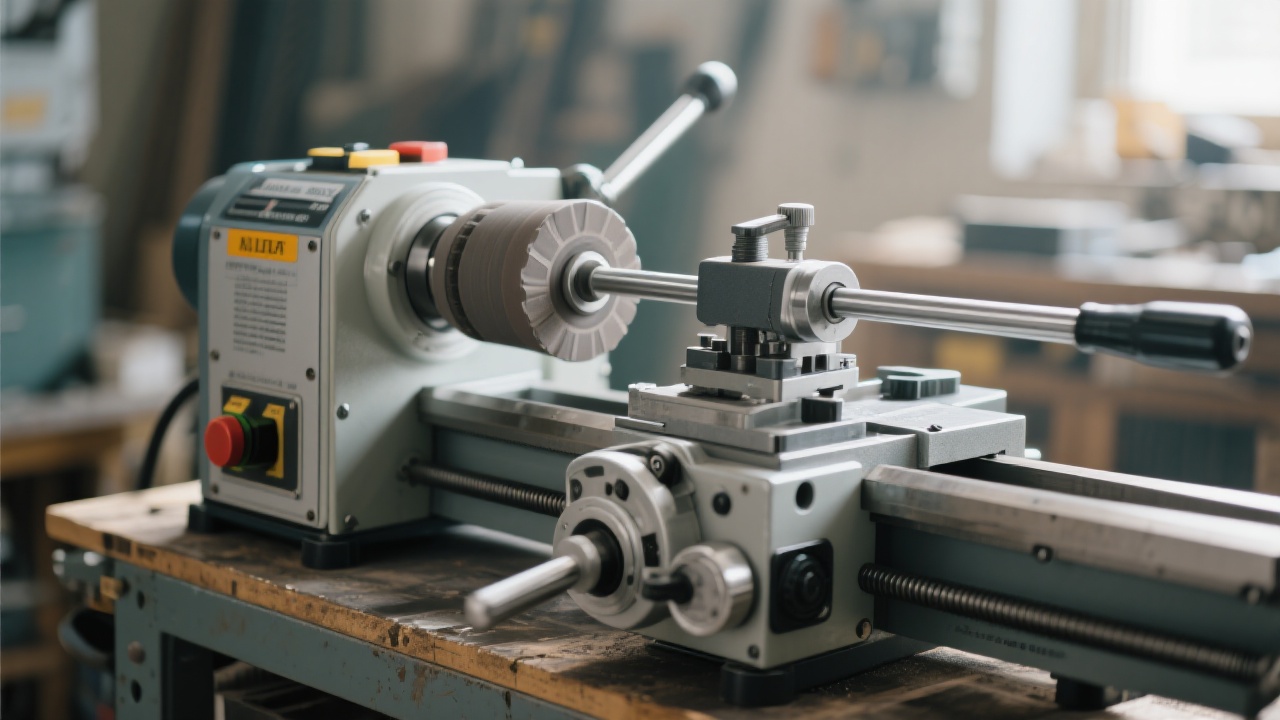
Edge integrity is an important indicator of metallographic mounting quality. A good mounting should have a complete and smooth edge without chipping or peeling. The operation of the edge integrity test involves using a sharp tool to gently scrape the edge of the sample and then observing the condition of the edge. According to ASTM E3 - 11 and ISO 3189 standards, if the length of the chipped edge exceeds 1mm or the peeling area exceeds 0.5mm², the sample is considered to have failed the edge integrity test.
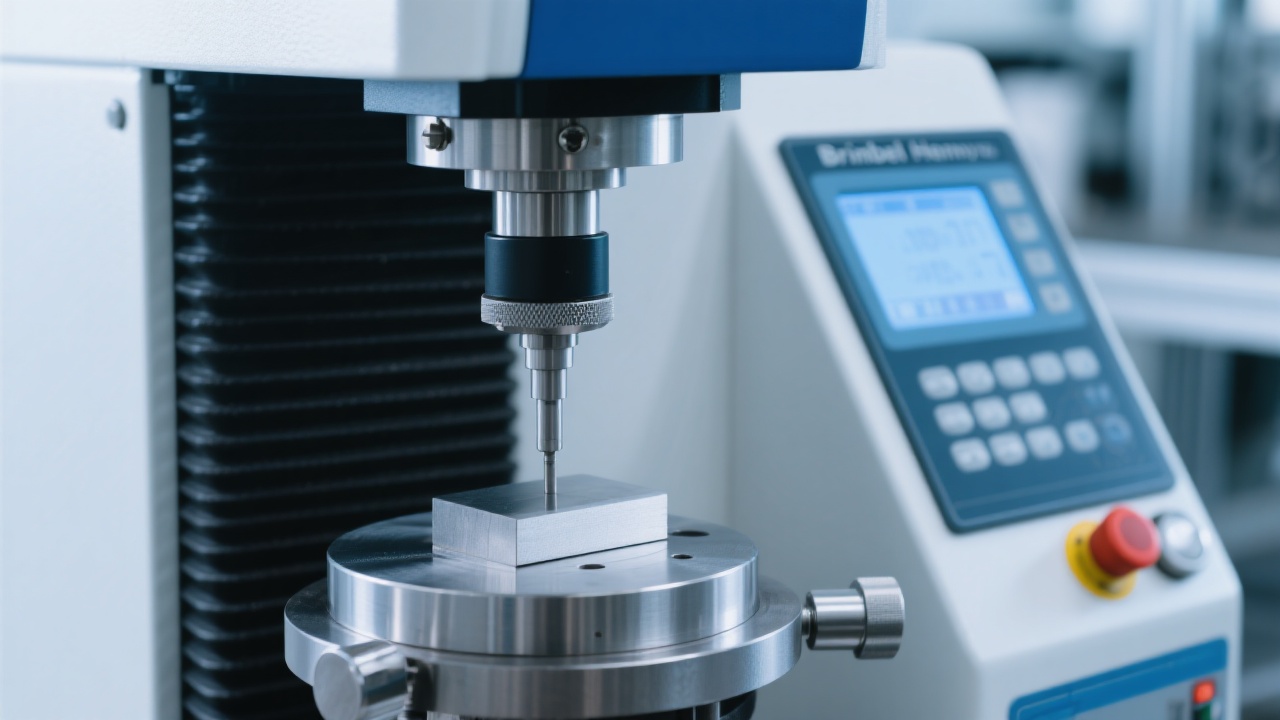
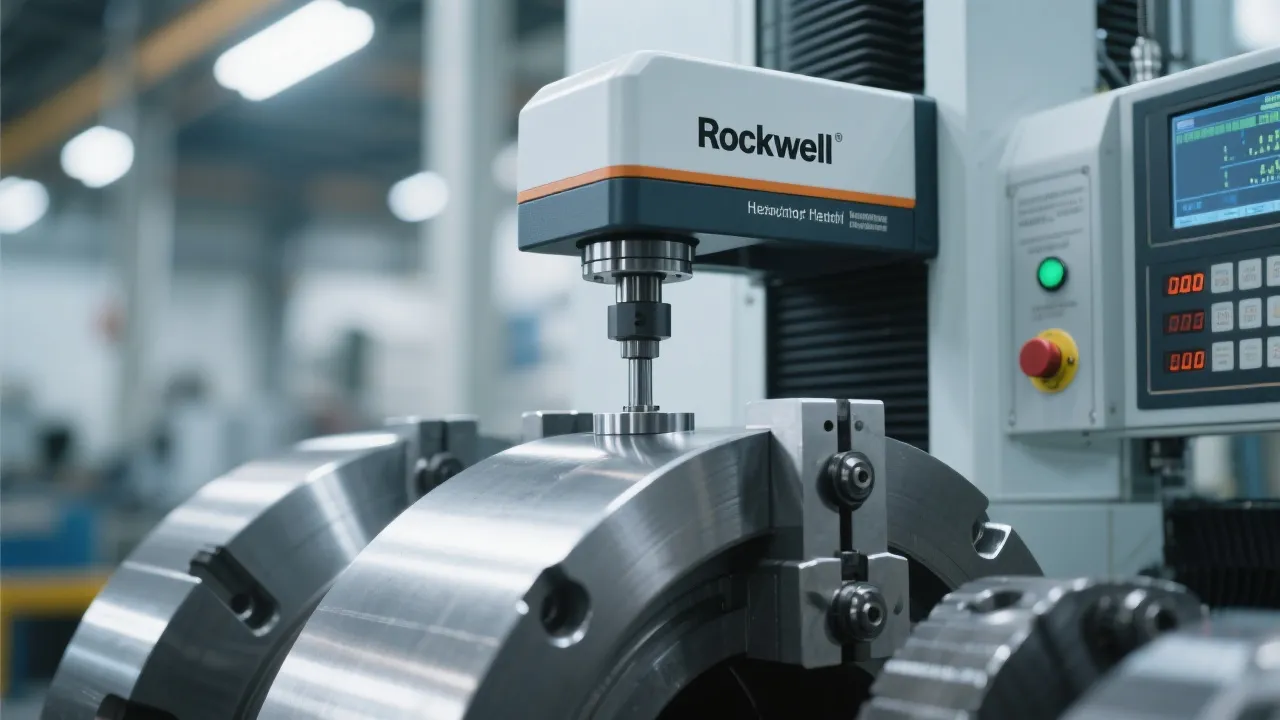
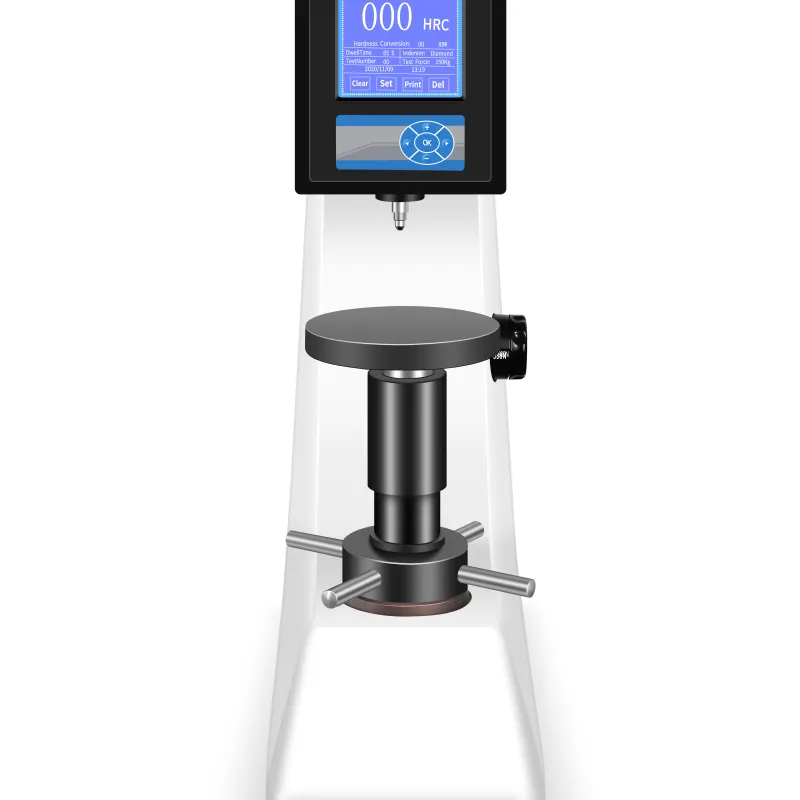
Hardness testing can also be used to infer the firmness of metallographic mounting. By measuring the hardness of the sample at different positions and comparing it with the standard hardness value, the firmness of the mounting can be judged. If the measured hardness value deviates from the standard value by more than 10%, it may indicate that the mounting is not firm enough. For example, if the standard hardness of a certain type of mounting material is 50 HRC, and the measured hardness of the sample is less than 45 HRC or greater than 55 HRC, further inspection of the mounting quality is required.
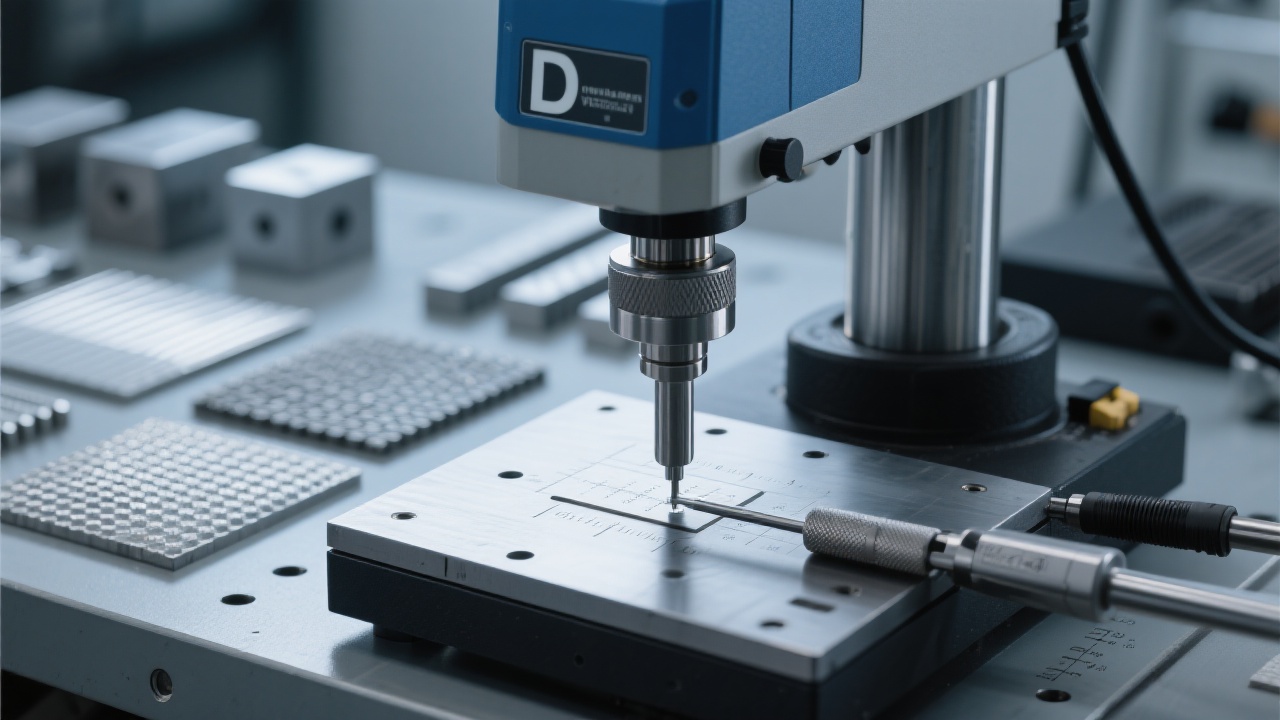
To ensure the accuracy and standardization of metallographic mounting quality assessment, it is necessary to refer to international standards such as ASTM E3 - 11 and ISO 3189. These standards provide detailed requirements and guidelines for metallographic sample preparation and quality assessment. By comparing the test results with the standards, a standardized evaluation system can be established.
In summary, the quality assessment of metallographic mounting is a complex process that requires a combination of multiple methods and reference to international standards. Whether you are a novice or a professional quality inspector, the methods and guidelines provided in this article can help you improve the accuracy and standardization of quality assessment. If you want to optimize your sample preparation process and quality control, the ZXQ - 2 high - precision irregular metallographic sample mounting machine from Laizhou Jincheng Industrial Equipment Co., Ltd. can provide you with powerful technical support. Click here to learn more about the ZXQ - 2 mounting machine and our technical support services!
 201
|
201
|
 manual dual-disc metallographic polisher
LCD interface variable speed control
fiberglass equipment durability
metallographic polishing maintenance
after-sales service customer cases
314
|
metal sample grinder polisher
metallographic analysis improvement
intelligent grinding equipment
stepless speed control
ASTM ISO compliant polishing machine
306
|
micro Vickers hardness tester
intelligent touch hardness testing
high-precision hardness measurement
mechanical processing hardness
metallurgical research hardness testing
136
|
metal microstructure inspection standardization
ASTM metallography procedures
ISO material analysis
gold phase microscope quality control
microstructure analysis in metallurgy
320
|
sample cutting machine selection guide
industrial sample preparation equipment
cutting efficiency improvement
cooling system performance evaluation
grinding wheel type selection
manual dual-disc metallographic polisher
LCD interface variable speed control
fiberglass equipment durability
metallographic polishing maintenance
after-sales service customer cases
314
|
metal sample grinder polisher
metallographic analysis improvement
intelligent grinding equipment
stepless speed control
ASTM ISO compliant polishing machine
306
|
micro Vickers hardness tester
intelligent touch hardness testing
high-precision hardness measurement
mechanical processing hardness
metallurgical research hardness testing
136
|
metal microstructure inspection standardization
ASTM metallography procedures
ISO material analysis
gold phase microscope quality control
microstructure analysis in metallurgy
320
|
sample cutting machine selection guide
industrial sample preparation equipment
cutting efficiency improvement
cooling system performance evaluation
grinding wheel type selection