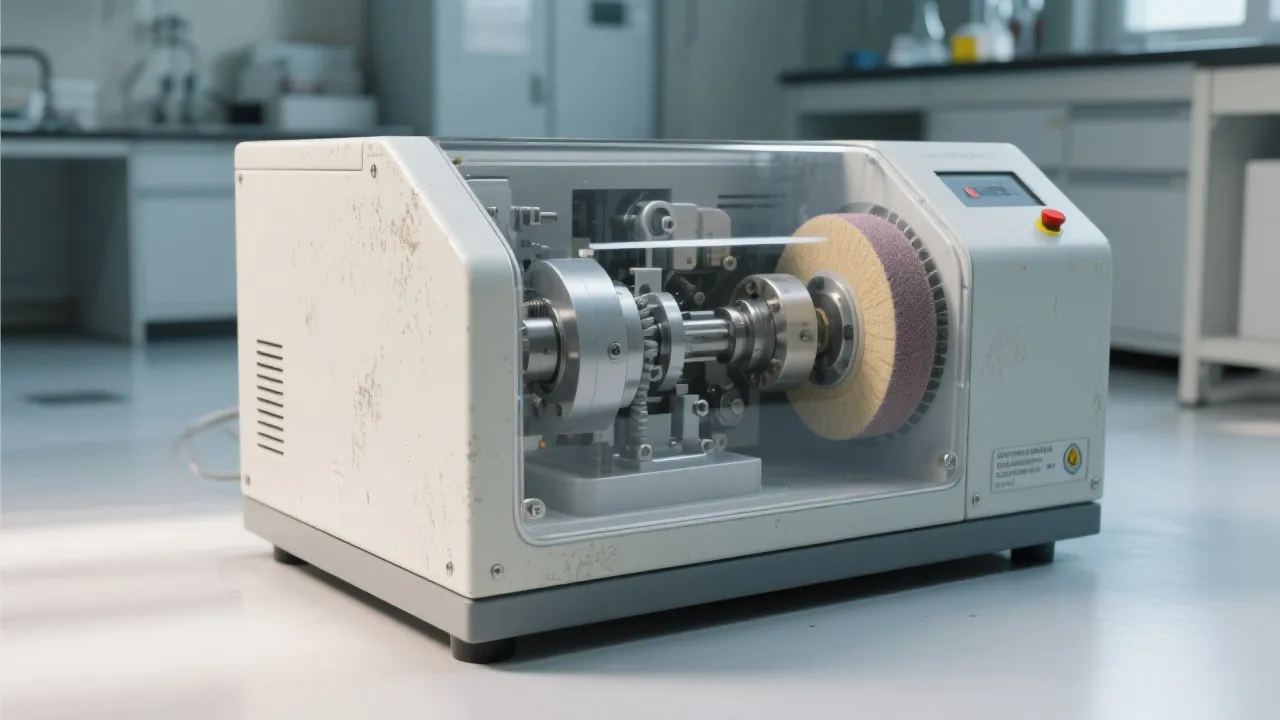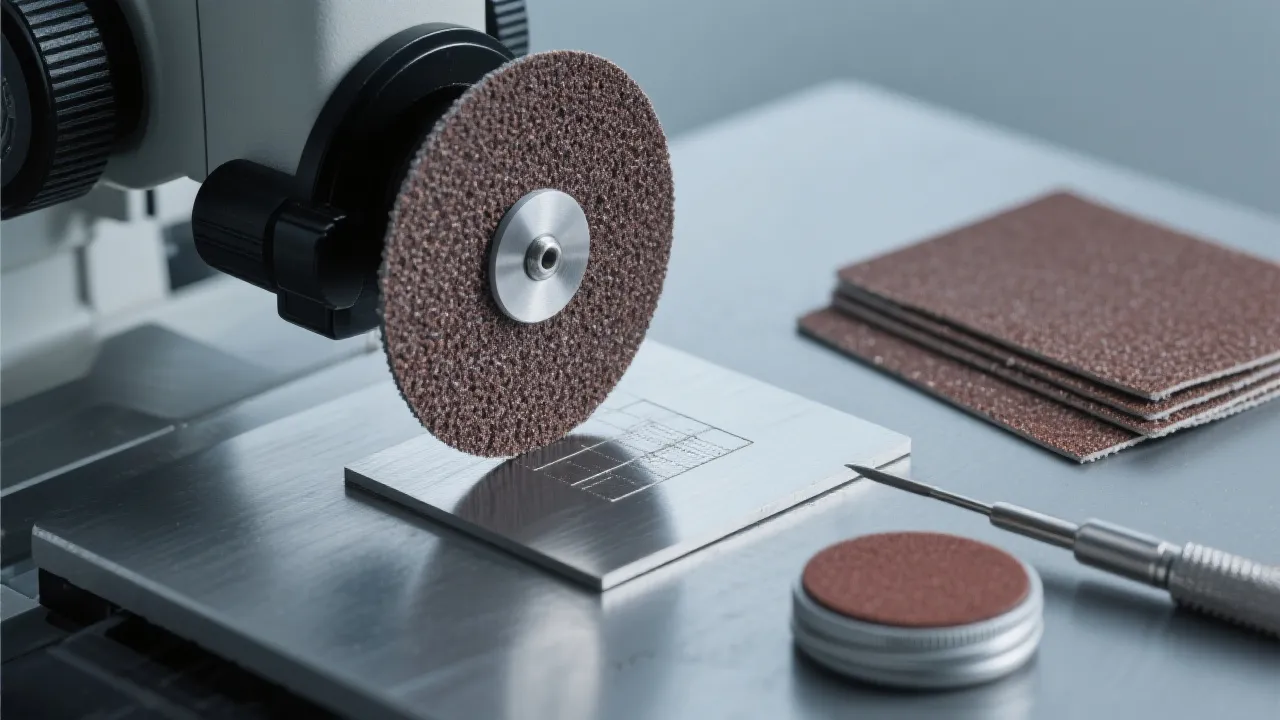
In the process of metallographic sample preparation, cutting precision directly affects the reliability of subsequent analysis results. This article delves into how to improve the consistency of cutting metal and non - metal samples by optimizing key aspects such as clamping stability, feed rate control, and the effectiveness of the cooling system. Combining ASTM/ISO standard practices, it provides practical guides for teaching and research scenarios, helping laboratories establish standardized processes, reduce human errors, and improve the credibility and repeatability of experimental data.
You may have noticed that in your laboratory, when different people operate on the same sample, the cutting results vary significantly. This is a common problem in many laboratories. The reasons behind this include differences in operation skills, lack of standardized processes, and inconsistent understanding of key control points.
Let's break down the entire sample preparation process into stages: sampling, fixing, pre - treatment, cutting, and post - treatment. Each stage has its core control elements. For example, during sampling, you need to ensure that the sample is representative. In the fixing stage, proper clamping is crucial to maintain stability during cutting.
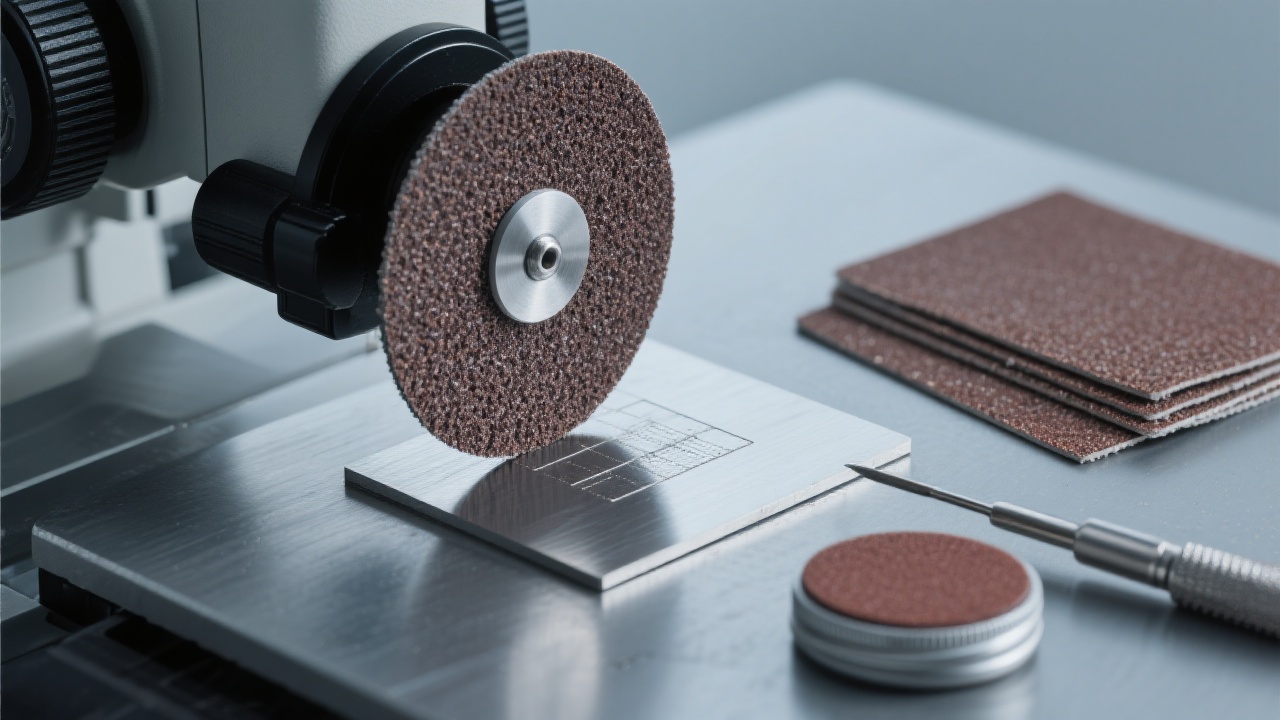
The cutting stage is particularly important. The feed rate adjustment strategy is a key factor. A too - fast feed rate may cause excessive heat generation and damage the sample, while a too - slow rate will reduce efficiency. As a general rule, for soft metals, a feed rate of 0.1 - 0.3 mm/s is recommended, and for hard metals, 0.05 - 0.1 mm/s.
Clamping stability also plays a vital role. You can use specialized fixtures to ensure that the sample does not move during cutting. Additionally, the coolant flow rate should be set appropriately. A sufficient coolant flow can effectively reduce heat and prevent sample damage. For most samples, a coolant flow rate of 5 - 10 L/min is suitable.
| Sample Type | Feed Rate (mm/s) | Coolant Flow Rate (L/min) |
|---|---|---|
| Soft Metals | 0.1 - 0.3 | 5 - 10 |
| Hard Metals | 0.05 - 0.1 | 5 - 10 |
To achieve high - quality sample preparation, it is necessary to comply with ASTM/ISO international standards. For example, according to ASTM E3 - 11 standard (ASTM E3 - 11 standard provides detailed guidelines on metallographic sample preparation, including sampling, mounting, grinding, and polishing.), specific requirements are set for each step of sample preparation. Adhering to these standards can ensure the accuracy and repeatability of your experimental results.
We have prepared a checklist of common errors and corresponding corrective measures for you. Some common errors include improper clamping, incorrect feed rate, and insufficient coolant. By referring to this checklist, you can quickly identify and correct problems in the sample preparation process.
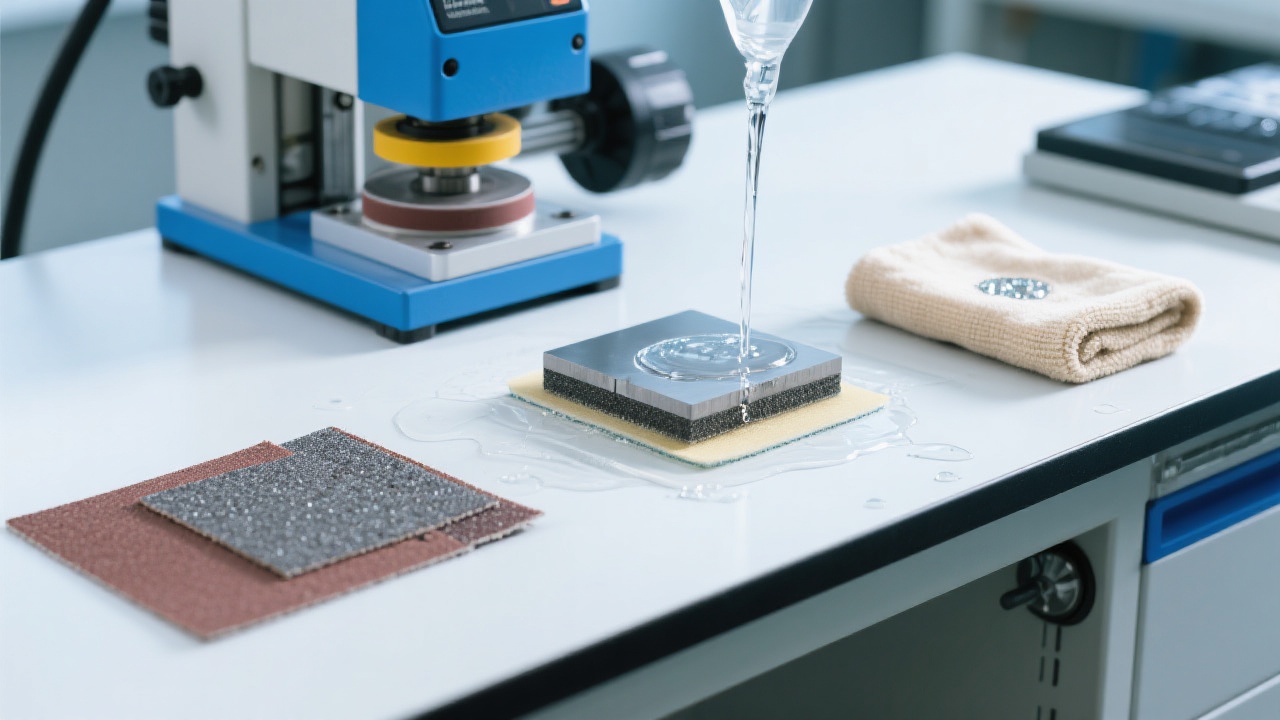
Long - term stable sample preparation capabilities rely on proper equipment maintenance and personnel training. Regularly maintain your cutting equipment, such as checking the blade sharpness and the coolant system. Provide systematic training to your laboratory staff to ensure they understand and follow standardized processes.
In teaching scenarios, standardization is crucial to ensure that students can learn and master correct sample preparation methods. In research scenarios, repeatability is the key to ensuring the reliability of research results. You need to adopt different strategies according to these different requirements.
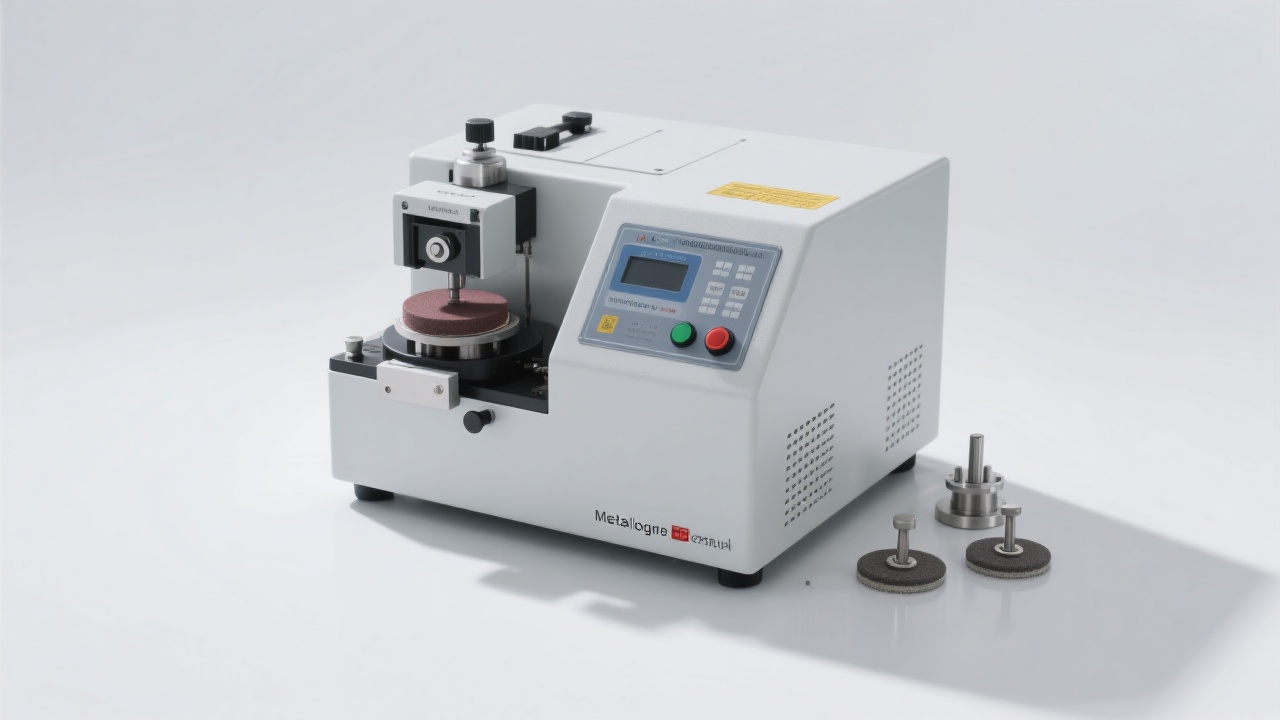
Are you ready to take on the sample preparation challenge? Try to follow the methods and guidelines in this article, and you will surely see an improvement in the cutting precision of your metal samples. If you want to learn more about high - efficiency sample preparation solutions, such as the SQ - 100 efficient cooling system that can ensure sample integrity, click here to explore further!
 377
|
377
|
 metal sample cutting precision
clamping stability in metallography
cooling efficiency in metal cutting
ASTM E3-13 standard
metallographic sample preparation
445
|
metallographic pre-milling machine maintenance
equipment lifespan extension
preventive maintenance in industrial labs
grinding disc cleaning frequency
motor temperature monitoring
320
|
sample cutting machine selection guide
industrial sample preparation equipment
cutting efficiency improvement
cooling system performance evaluation
grinding wheel type selection
463
|
Brinell hardness tester daily maintenance
high - precision hardness tester maintenance
automatic loading hardness tester calibration
hardness tester fault prevention
equipment operation and maintenance guide
265
|
metallographic mounting quality inspection
edge integrity test
ASTM E3-11 standard
ISO 3189 specification
metallographic sample preparation
metal sample cutting precision
clamping stability in metallography
cooling efficiency in metal cutting
ASTM E3-13 standard
metallographic sample preparation
445
|
metallographic pre-milling machine maintenance
equipment lifespan extension
preventive maintenance in industrial labs
grinding disc cleaning frequency
motor temperature monitoring
320
|
sample cutting machine selection guide
industrial sample preparation equipment
cutting efficiency improvement
cooling system performance evaluation
grinding wheel type selection
463
|
Brinell hardness tester daily maintenance
high - precision hardness tester maintenance
automatic loading hardness tester calibration
hardness tester fault prevention
equipment operation and maintenance guide
265
|
metallographic mounting quality inspection
edge integrity test
ASTM E3-11 standard
ISO 3189 specification
metallographic sample preparation