
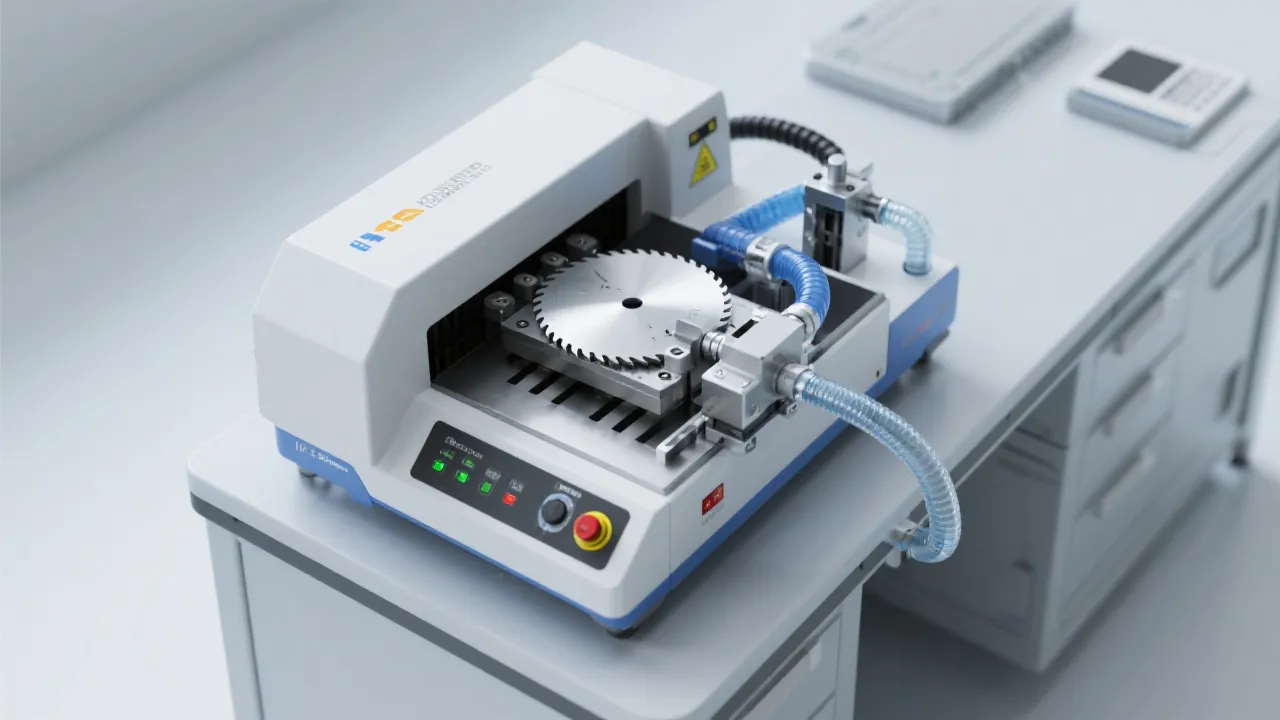
In the industrial and educational fields, preparing metal and non - metal samples often presents challenges. This article delves deep into how to significantly improve cutting precision and sample consistency by enhancing clamping stability and optimizing the cooling system. It systematically outlines the key points of the entire process from sampling to cutting.
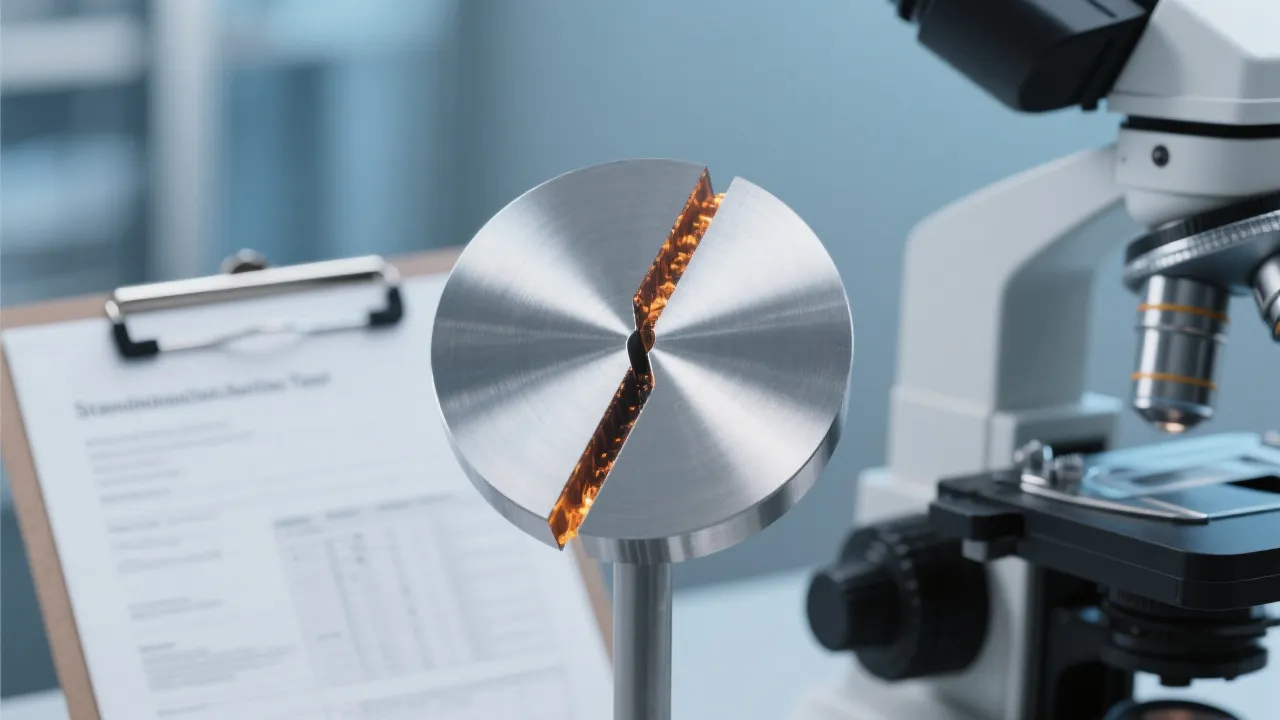
Clamping stability is crucial in the sample cutting process. A stable clamping can prevent the sample from moving during cutting, which directly affects the cutting precision. According to ASTM and ISO standards, a well - clamped sample can ensure that the cutting force is evenly distributed, reducing the deviation of the cutting path. For example, in a high - precision cutting experiment, a stable clamping can reduce the cutting error from 2% to 0.5%, greatly improving the consistency of the sample.
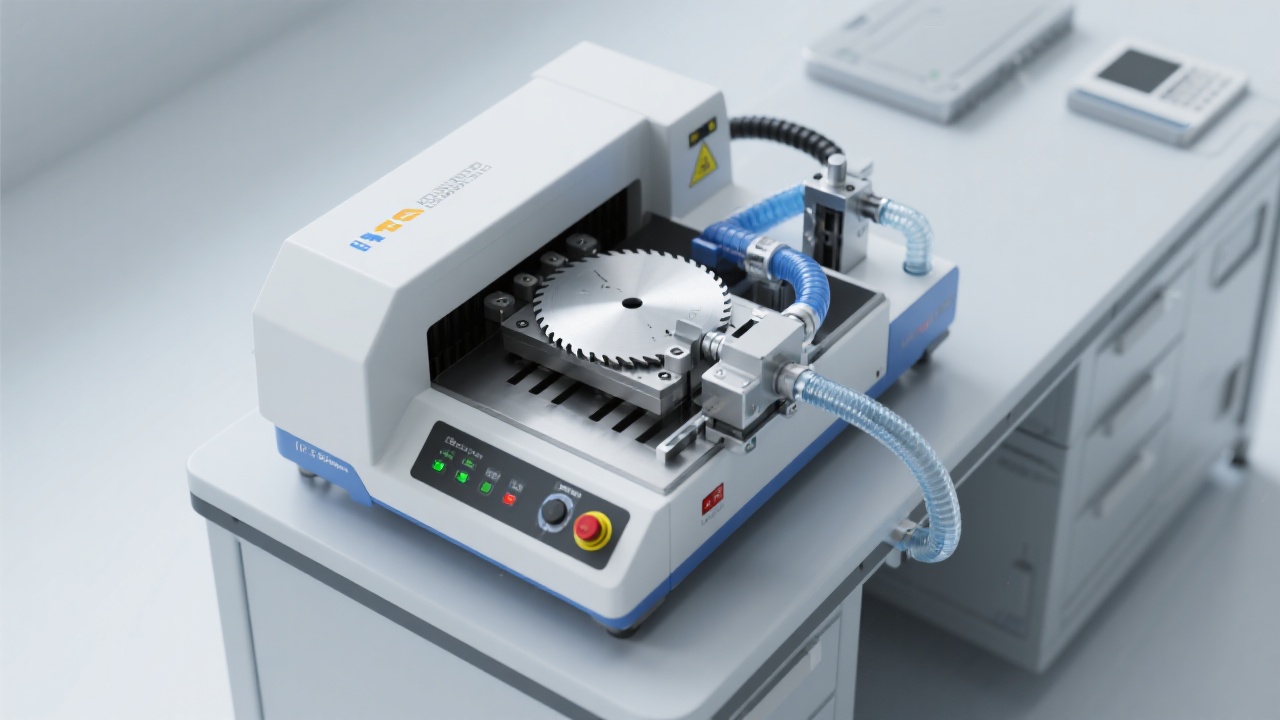
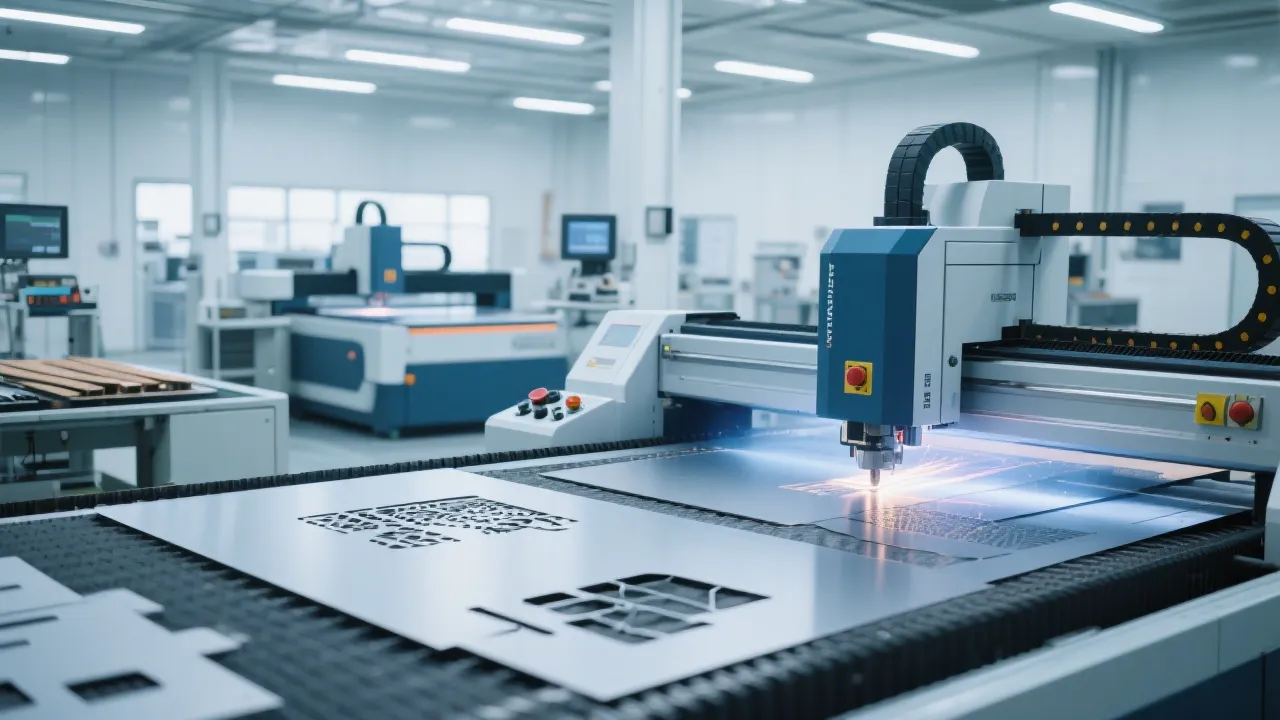
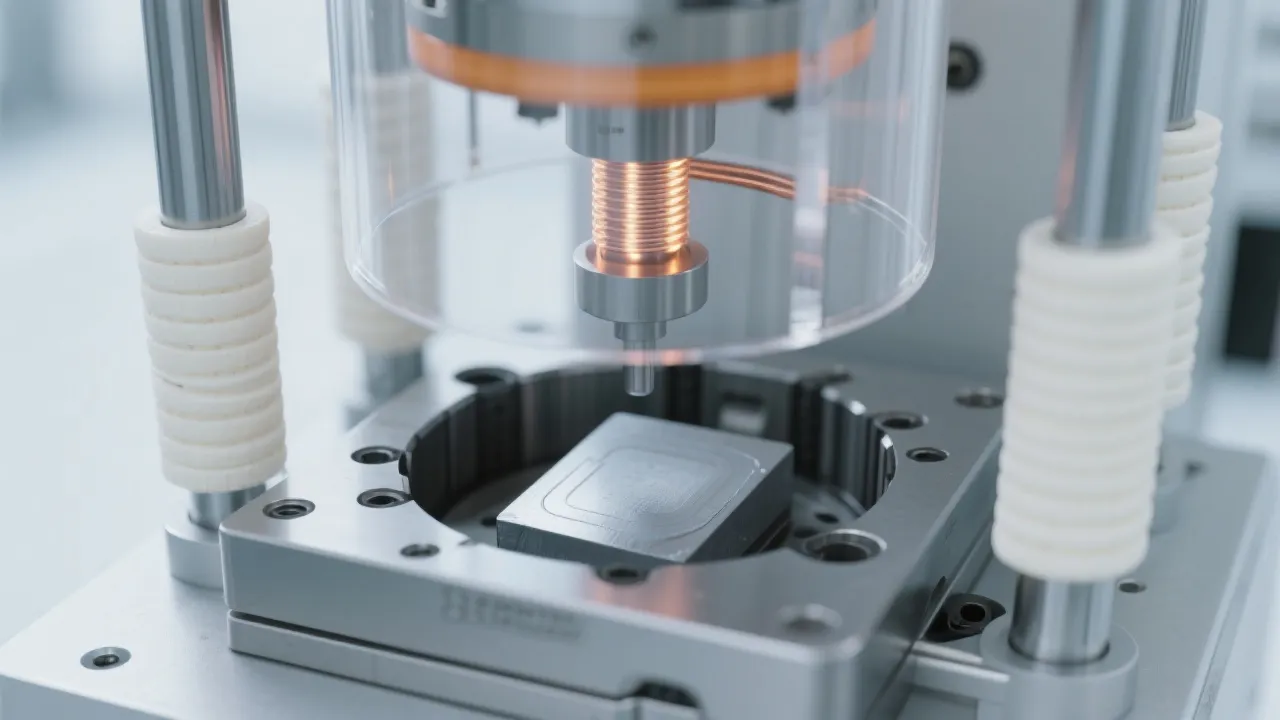
An efficient cooling system can prevent the sample from overheating and deforming during cutting. When the metal sample is cut at high speed, a large amount of heat is generated. If not properly cooled, the sample may expand, leading to inaccurate cutting. The SQ - 100 cutter is equipped with an efficient cooling configuration. By adjusting the coolant flow rate, the temperature of the cutting area can be effectively controlled. For instance, when the coolant flow rate is increased from 5L/min to 8L/min, the cutting temperature can be reduced by about 30°C, ensuring the quality of the sample.
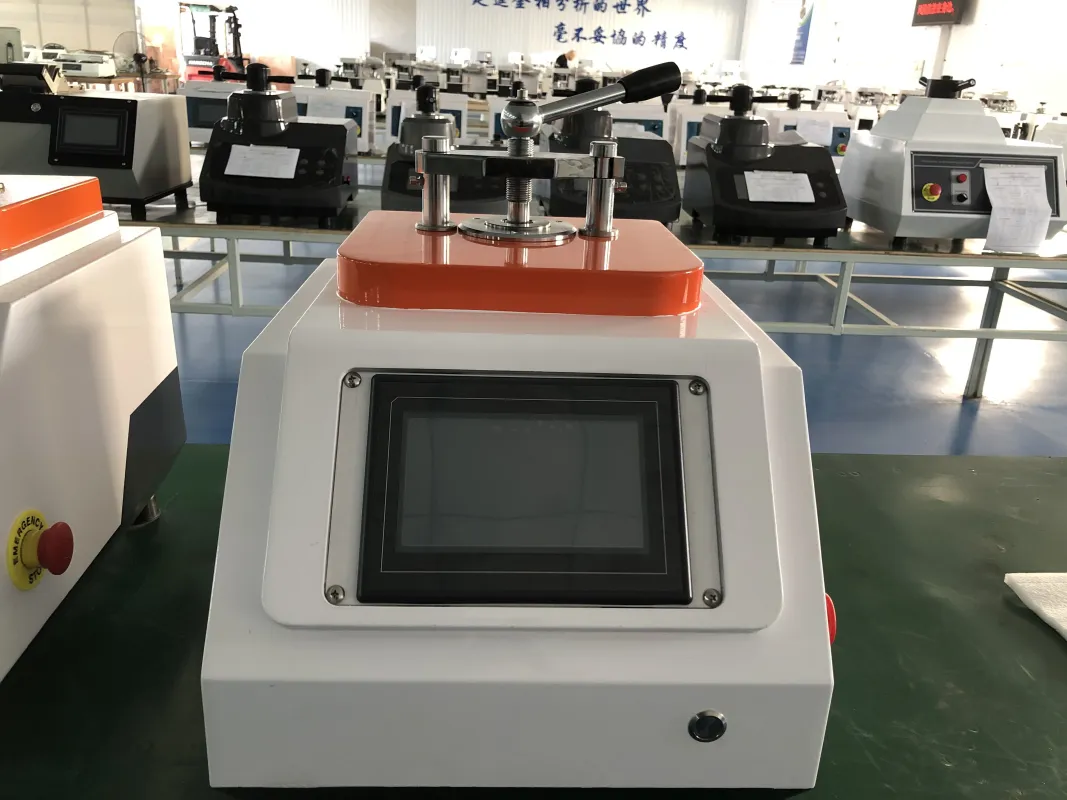
The SQ - 100 cutter has high - speed cutting blades and an efficient cooling system. Its high - speed cutting blades can cut through various metal and non - metal materials quickly, improving the cutting efficiency. At the same time, the efficient cooling system can ensure the stability of the cutting process. Based on ASTM and ISO standards, the SQ - 100 cutter can meet the requirements of high - precision sample preparation in laboratories.
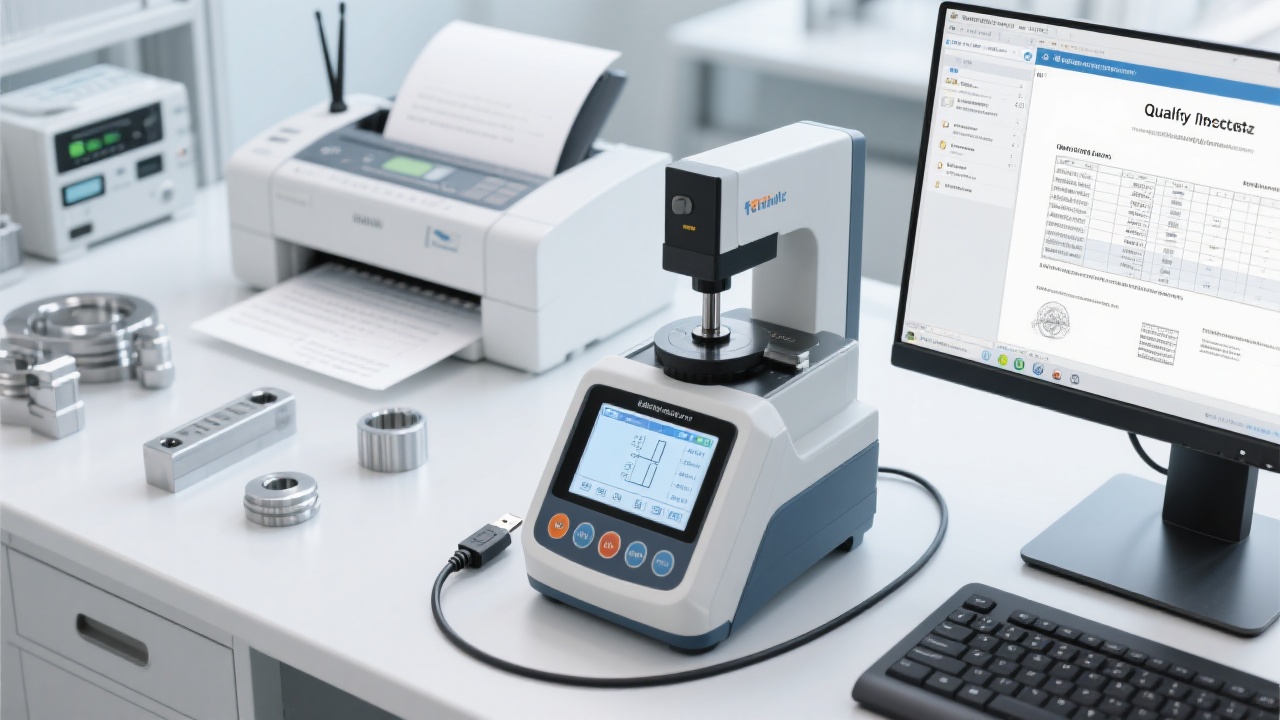
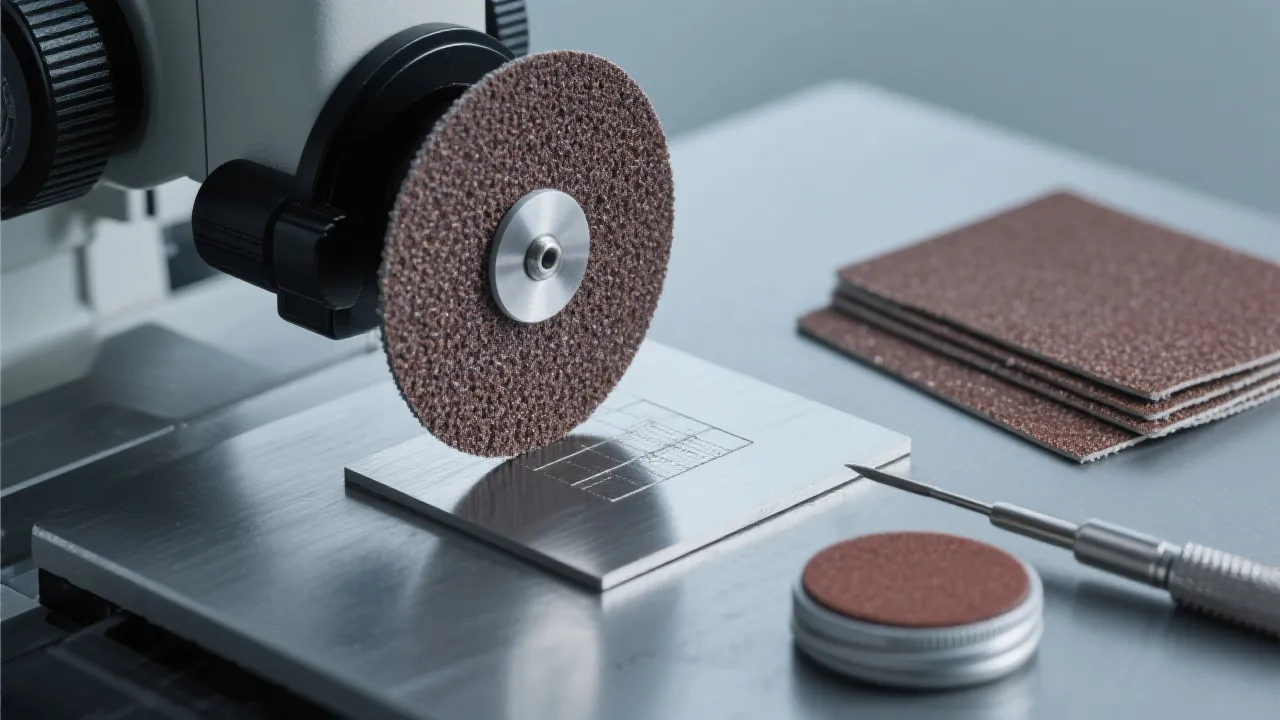
In the actual operation process, it is necessary to adjust the cutting speed, coolant flow rate, and monitor the tool wear. For different materials, the cutting speed should be adjusted accordingly. For example, when cutting soft metals, the cutting speed can be set at about 3000 rpm, while for hard metals, it should be reduced to about 2000 rpm. Regularly monitoring the tool wear can ensure the cutting quality. When the tool wear reaches 0.3mm, it should be replaced in time.
There are some common errors in the sample preparation process. For example, improper clamping may lead to sample movement, and insufficient coolant flow may cause overheating. Here is a list of common errors and corrective measures:
| Common Errors | Corrective Measures |
|---|---|
| Improper clamping | Check and adjust the clamping device to ensure stable clamping |
| Insufficient coolant flow | Increase the coolant flow rate or check for blockages in the coolant pipeline |
To help users better master the high - quality cutting technology, we suggest a 'Sample Preparation Challenge Task Card'. Users can complete different tasks on the card, such as adjusting the cutting speed, checking the tool wear, etc. By completing these tasks, users can improve their practical operation ability and the quality of sample preparation.
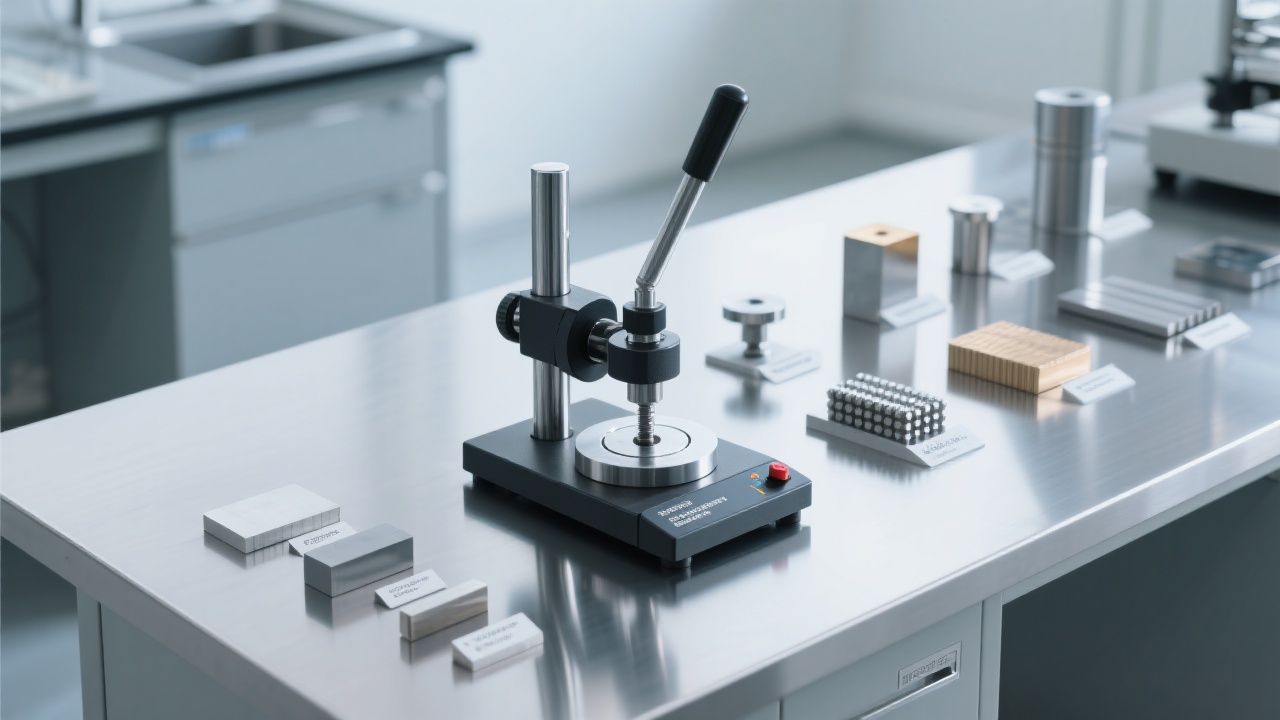
In conclusion, by enhancing clamping stability, optimizing the cooling system, and using high - performance equipment like the SQ - 100 cutter, laboratories can significantly improve the precision and consistency of sample preparation. Click here to download the 'Efficient Sample Preparation Self - Check List' PDF to enhance your laboratory sample preparation efficiency.
 201
|
201
|
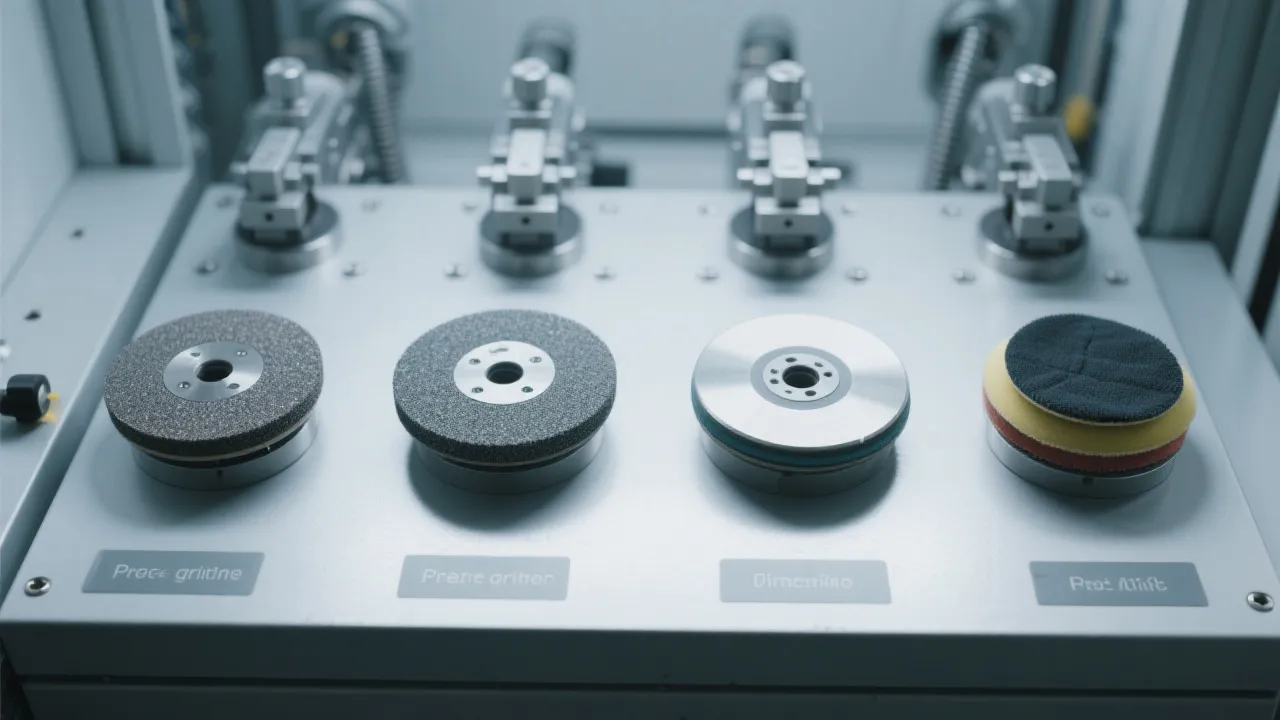
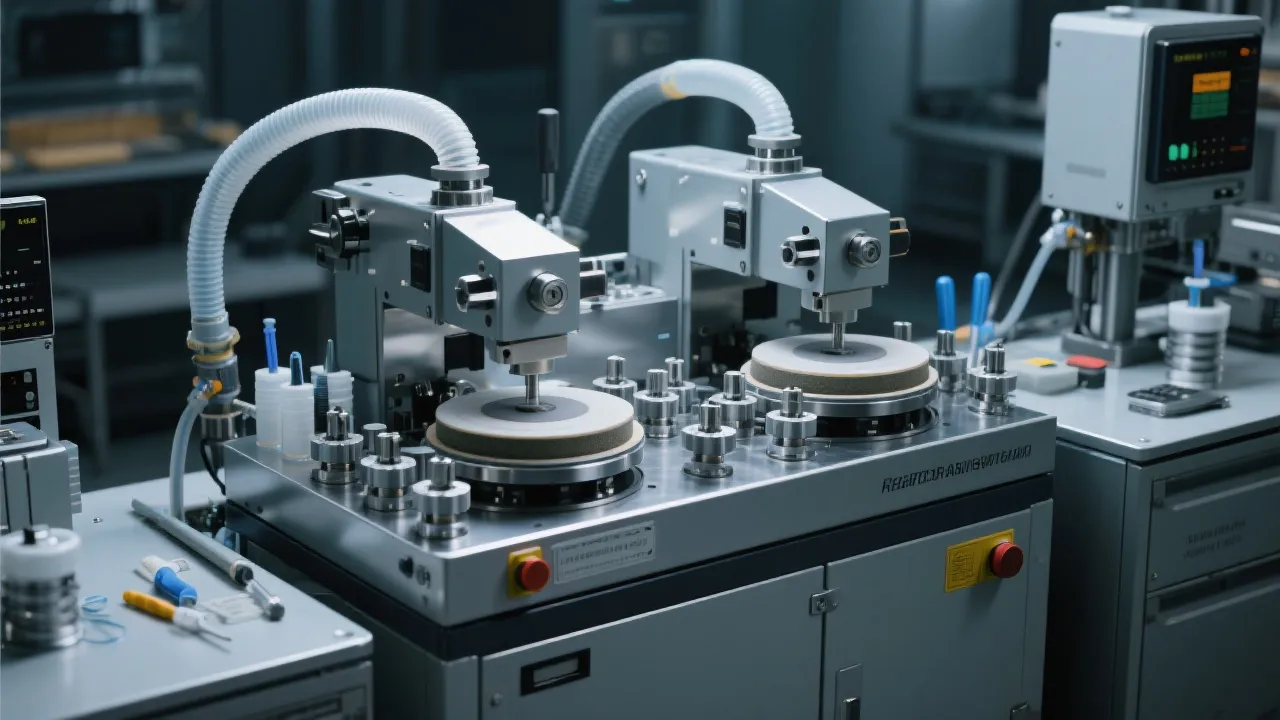
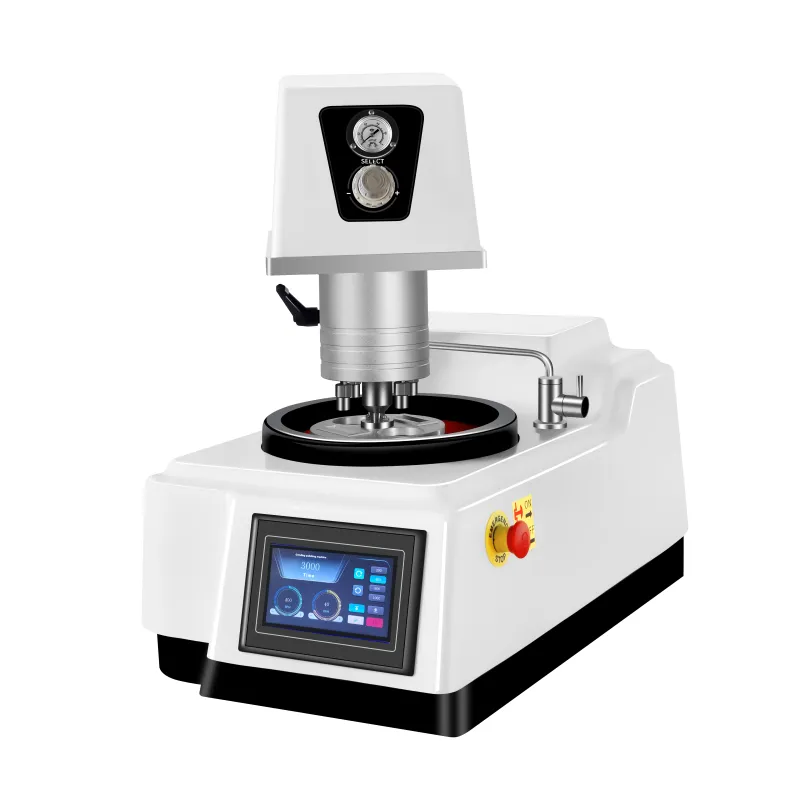
 manual dual-disc metallographic polisher
LCD interface variable speed control
fiberglass equipment durability
metallographic polishing maintenance
after-sales service customer cases
55
|
Metallographic embedding quality detection
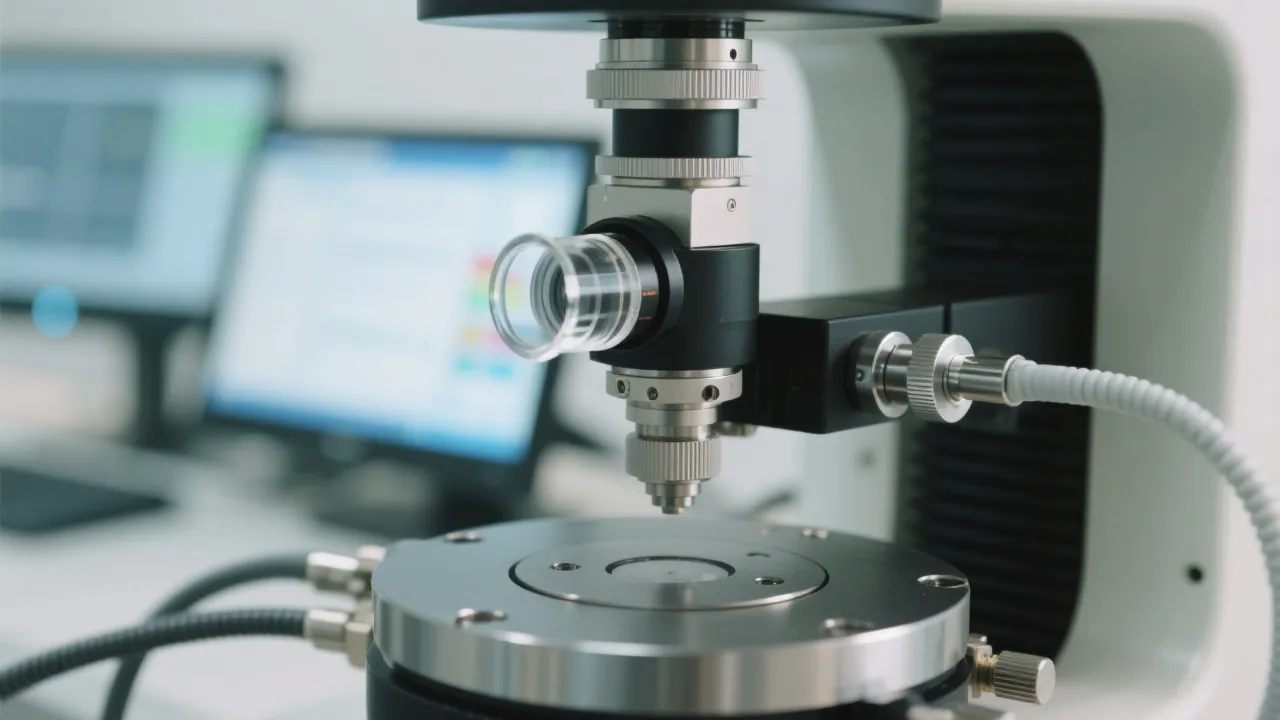
Hardness testing to determine embedding firmness
ASTM E3 - 11 standard
ISO 3189 specification
Metallographic specimen preparation skills
110
|
metallographic mounting quality
ASTM E3-11 standard
ISO 3189 compliance
mounting defect detection
ZXQ-2 precision mounting machine
185
|
MP-2S manual dual-disc metallographic polisher
LCD variable speed control
metallographic polishing accuracy
dual-disc polishing machine maintenance
metallography sample preparation tips
413
|
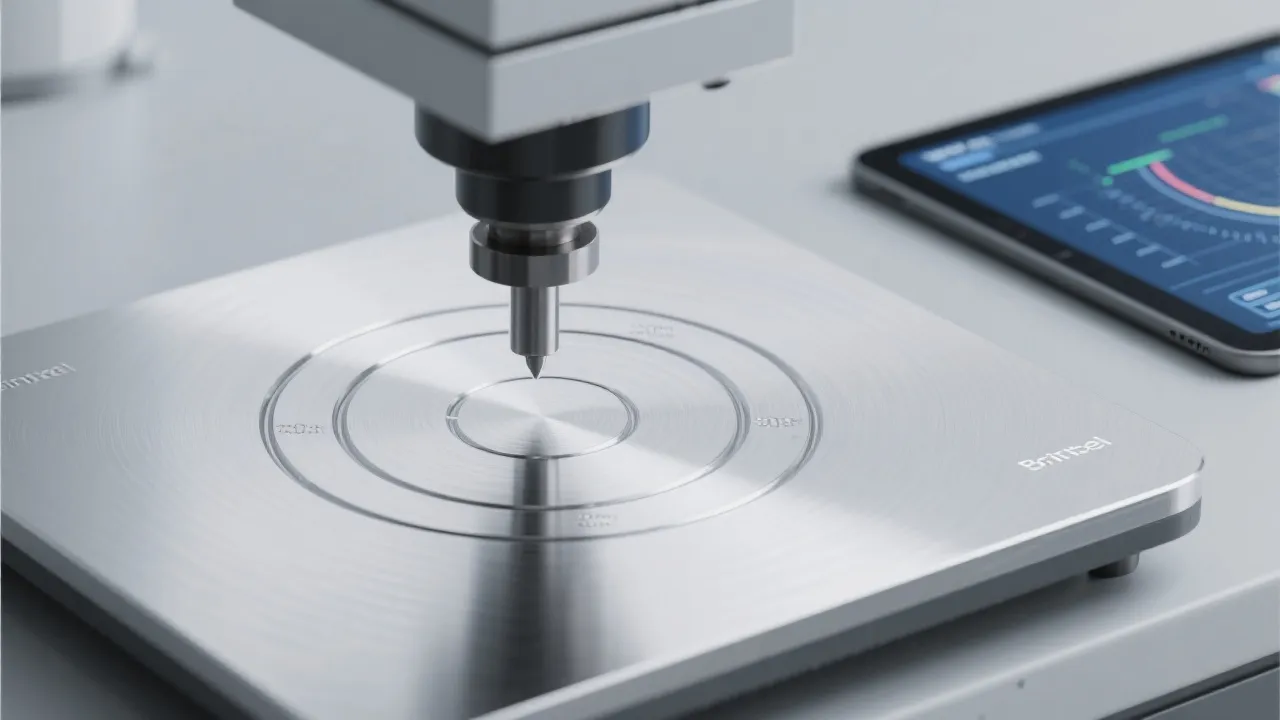
Brinell hardness tester daily maintenance
hardness testing equipment maintenance
sensor cleaning and lubrication
turret mechanism maintenance
equipment operation and maintenance standard process
manual dual-disc metallographic polisher
LCD interface variable speed control
fiberglass equipment durability
metallographic polishing maintenance
after-sales service customer cases
55
|
Metallographic embedding quality detection
Hardness testing to determine embedding firmness
ASTM E3 - 11 standard
ISO 3189 specification
Metallographic specimen preparation skills
110
|
metallographic mounting quality
ASTM E3-11 standard
ISO 3189 compliance
mounting defect detection
ZXQ-2 precision mounting machine
185
|
MP-2S manual dual-disc metallographic polisher
LCD variable speed control
metallographic polishing accuracy
dual-disc polishing machine maintenance
metallography sample preparation tips
413
|
Brinell hardness tester daily maintenance
hardness testing equipment maintenance
sensor cleaning and lubrication
turret mechanism maintenance
equipment operation and maintenance standard process





Hardness-TesterHVS-5103050-1.jpg?x-oss-process=image/resize,m_fill,h_800,w_800/format,webp)


