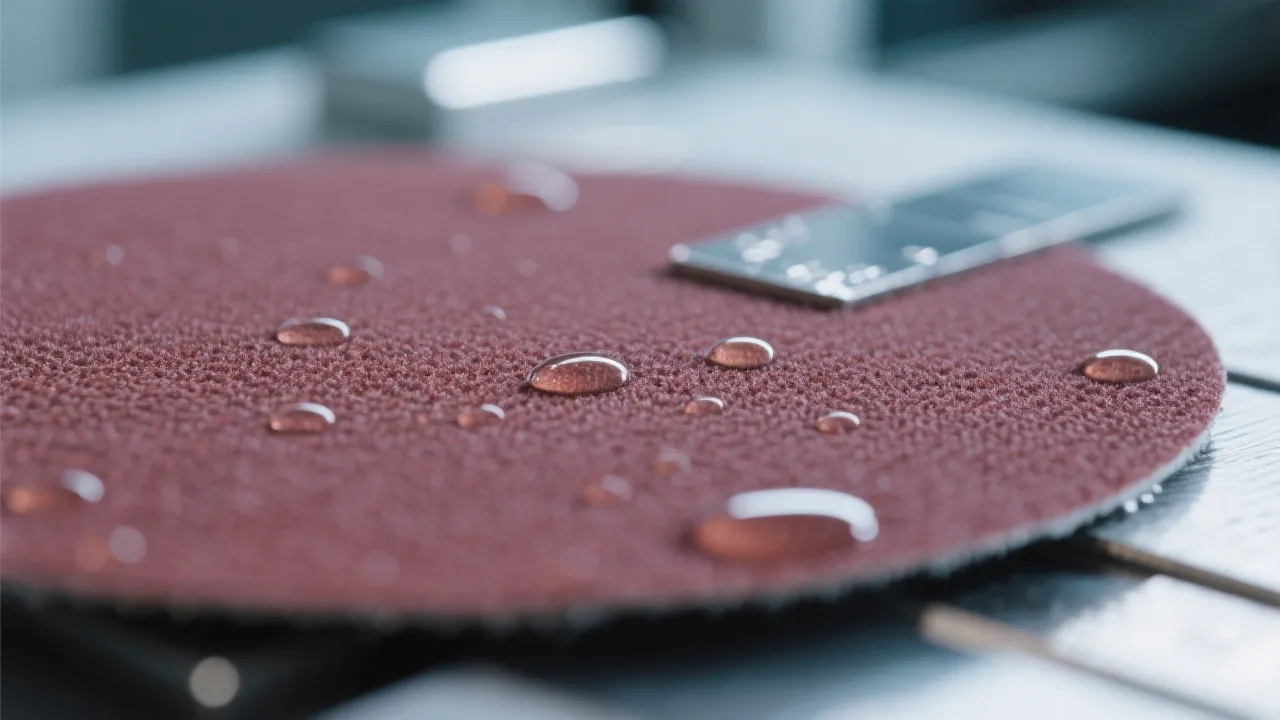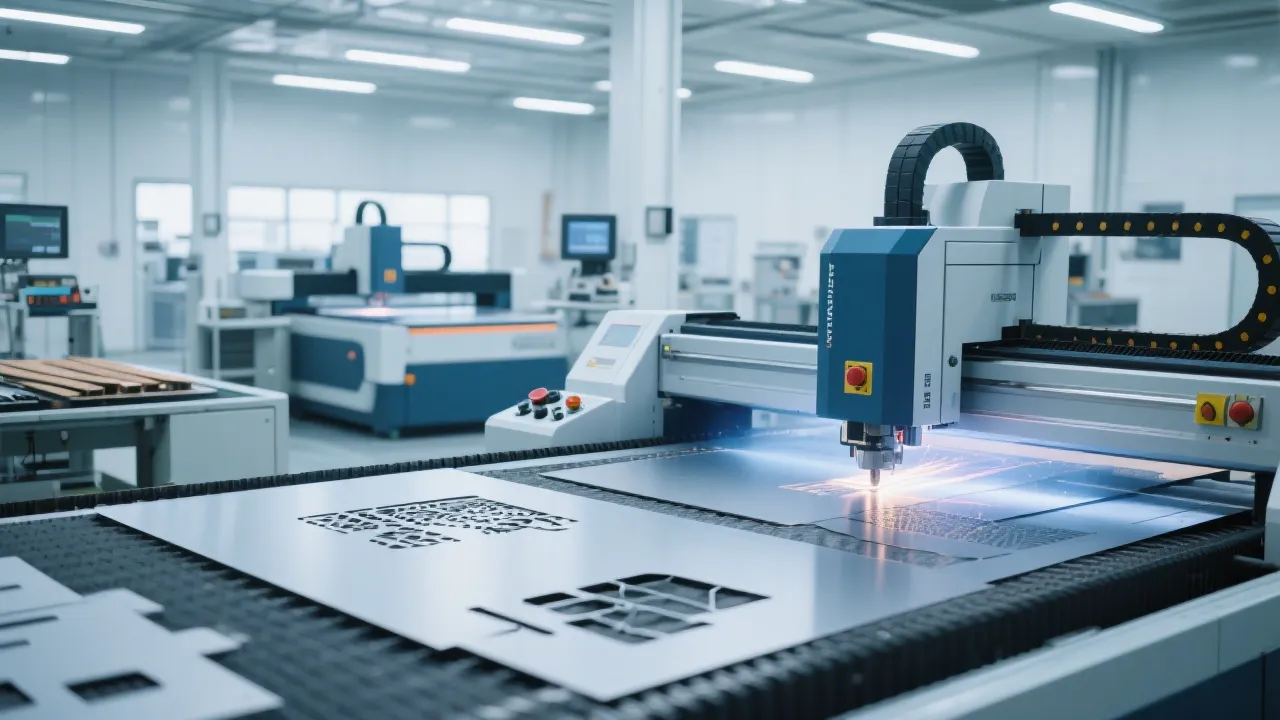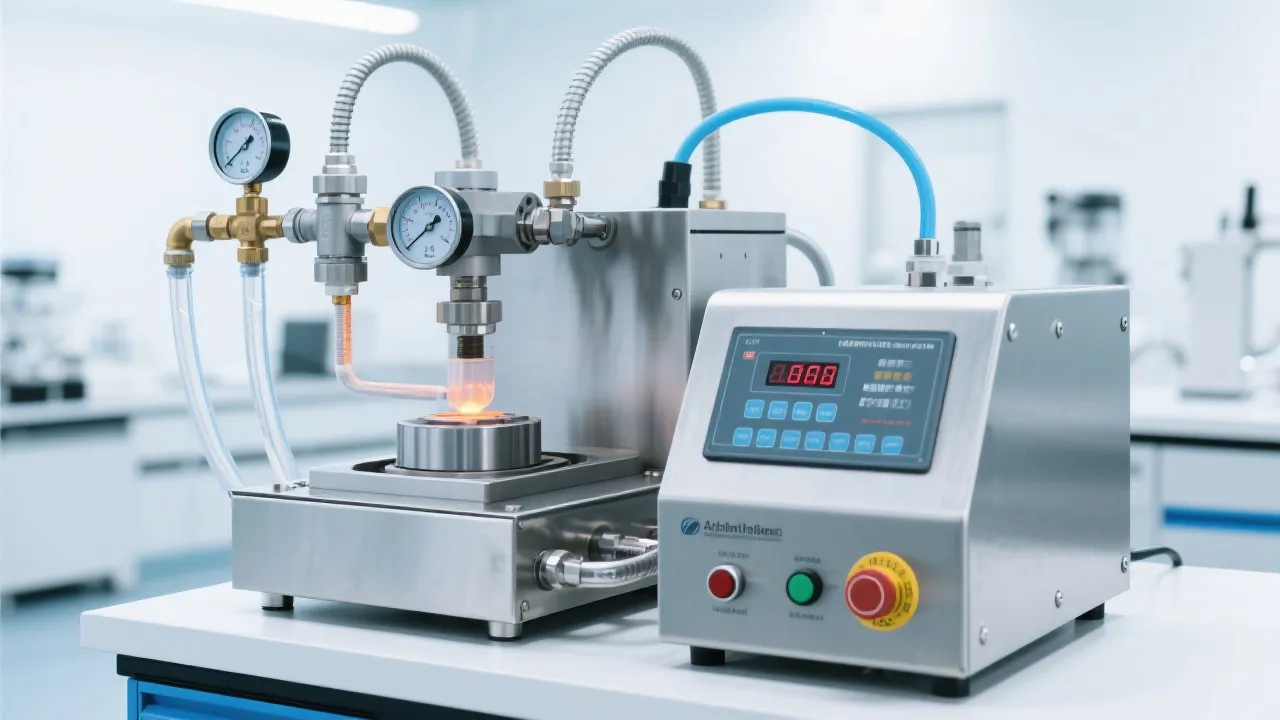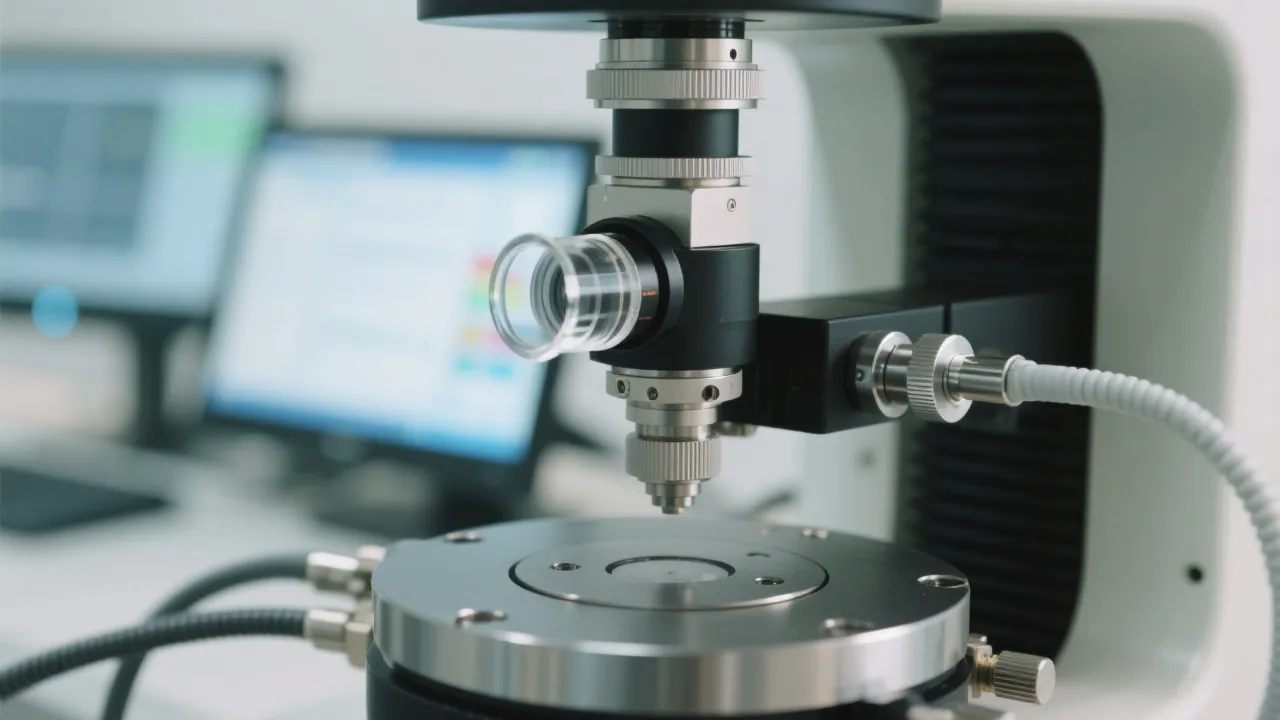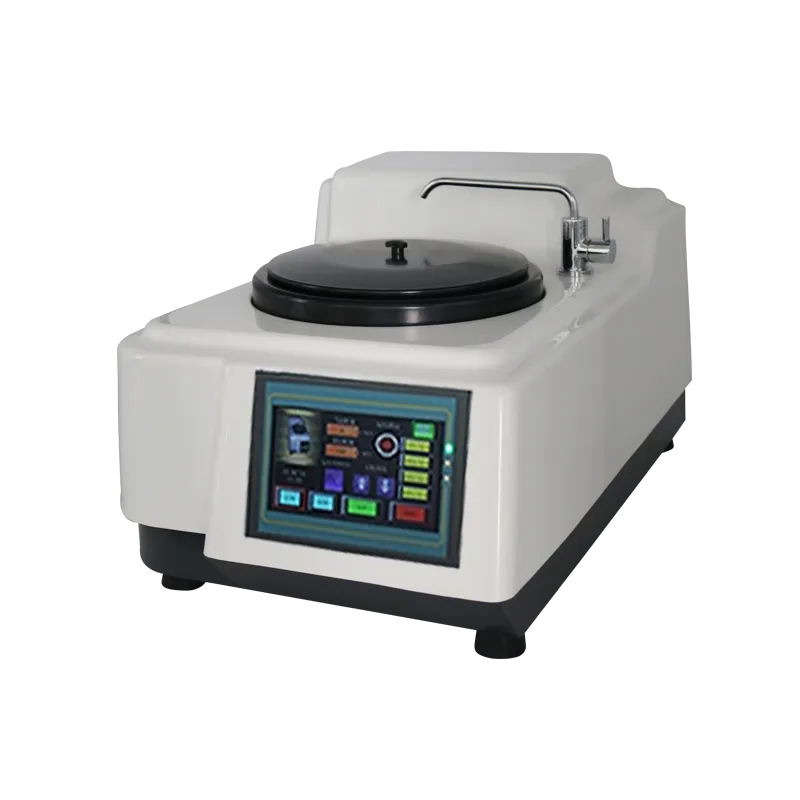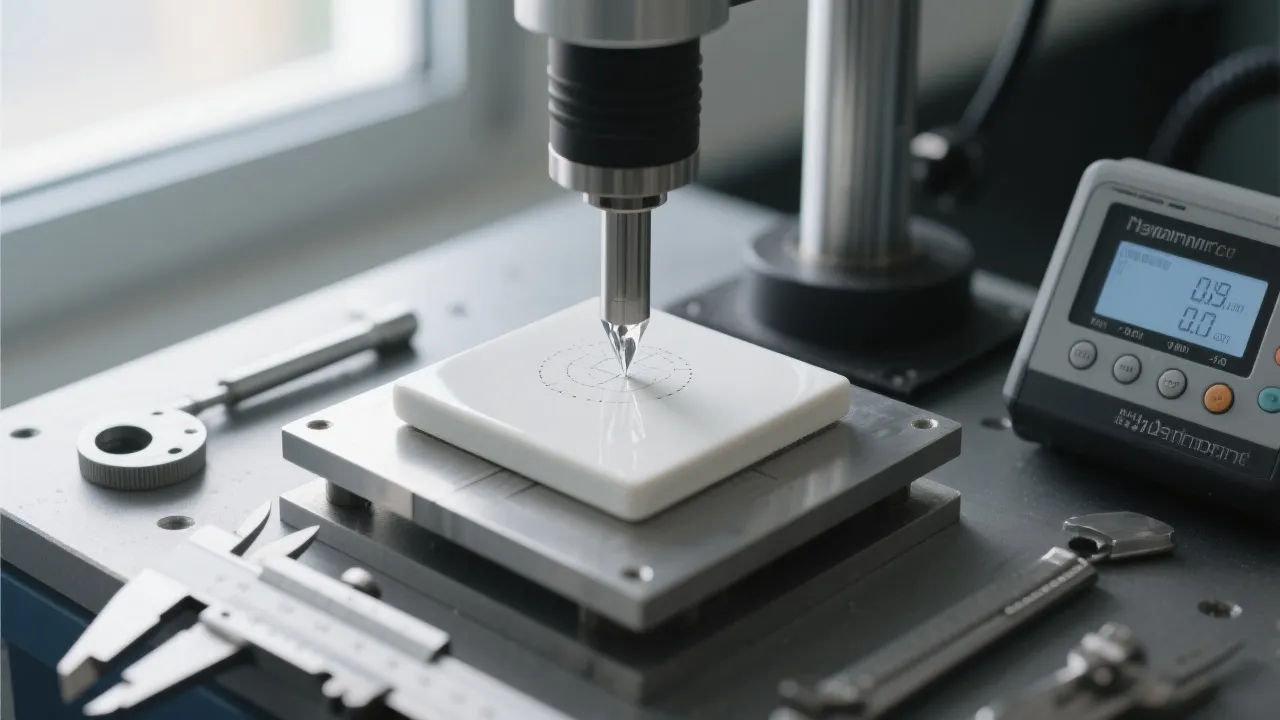
In the process of metal sample preparation, unstable clamping is a common cause of cutting accuracy deviation and unreliable data. When a metal sample is not properly clamped during cutting, it can lead to a series of negative consequences. For example, the cutting surface may be uneven, resulting in inaccurate measurement data. This can waste a lot of time and resources for laboratories, as they may need to repeat the sample preparation process to obtain reliable results.
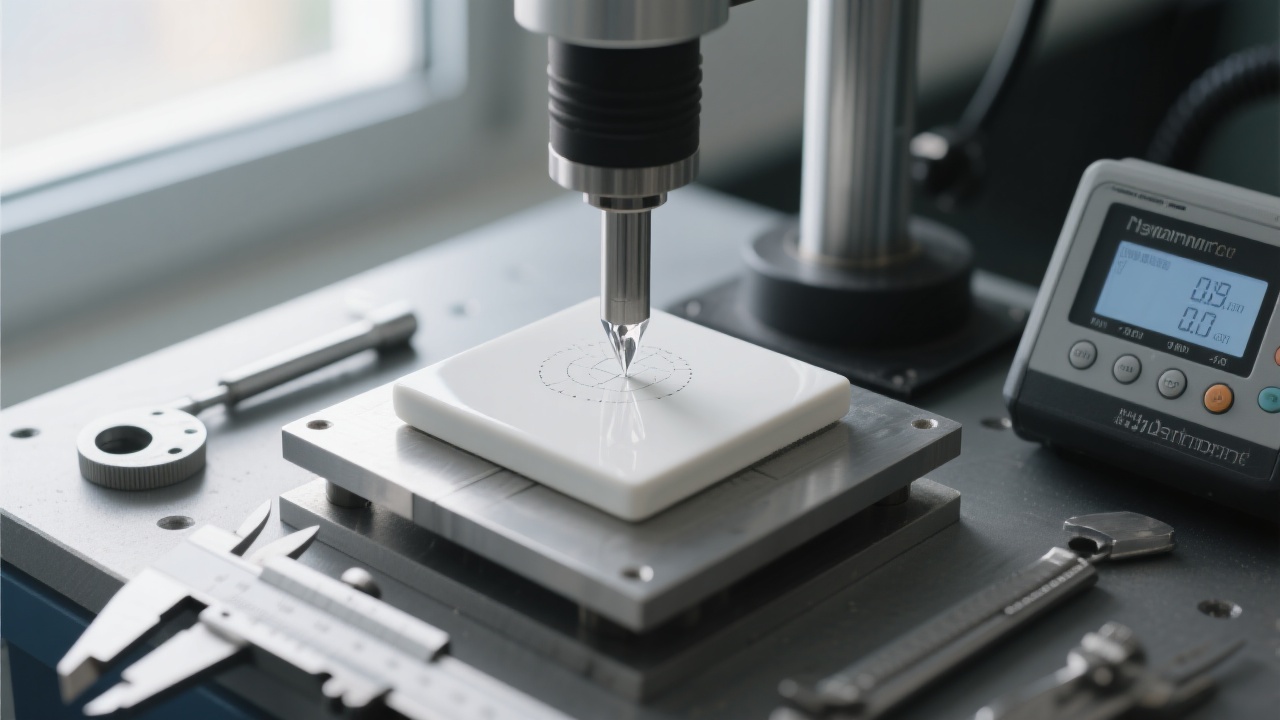
To improve the cutting accuracy of metal samples, it is necessary to pay attention to several key control points in the cutting process. First, the adaptability of the fixture is crucial. Different metal samples may require different types of fixtures. For example, for small and irregularly shaped samples, a more precise and adjustable fixture may be needed. Second, pressure adjustment is also an important factor. If the pressure is too high, it may damage the sample; if the pressure is too low, the sample may not be firmly fixed. In addition, the cutting rhythm, such as the feed rate and cutting speed, also affects the cutting accuracy. A reasonable cutting rhythm can ensure a smooth cutting process and reduce the impact on the sample.
ASTM and ISO standards provide technical basis and industry best practices for ensuring the stability of sample clamping. These standards specify detailed requirements for sample preparation, including the choice of fixtures, clamping methods, and cutting parameters. For example, according to ASTM standards, certain types of metal samples should use specific fixtures to ensure cutting accuracy. By following these standards, laboratories can ensure that their sample preparation processes are in line with industry norms and improve the credibility of their results.
"According to ASTM E3 - 11 Standard Guide for Preparation of Metallographic Specimens, proper clamping is essential for accurate metallographic analysis."
To enhance the practicality of this guide, we provide a common error identification list and a corrective measures quick - reference table. For example, one common error is using an inappropriate fixture for a particular sample. The corrective measure is to select a fixture that is compatible with the sample size, shape, and material. By referring to this list, laboratory personnel can quickly identify and correct errors in the sample preparation process.
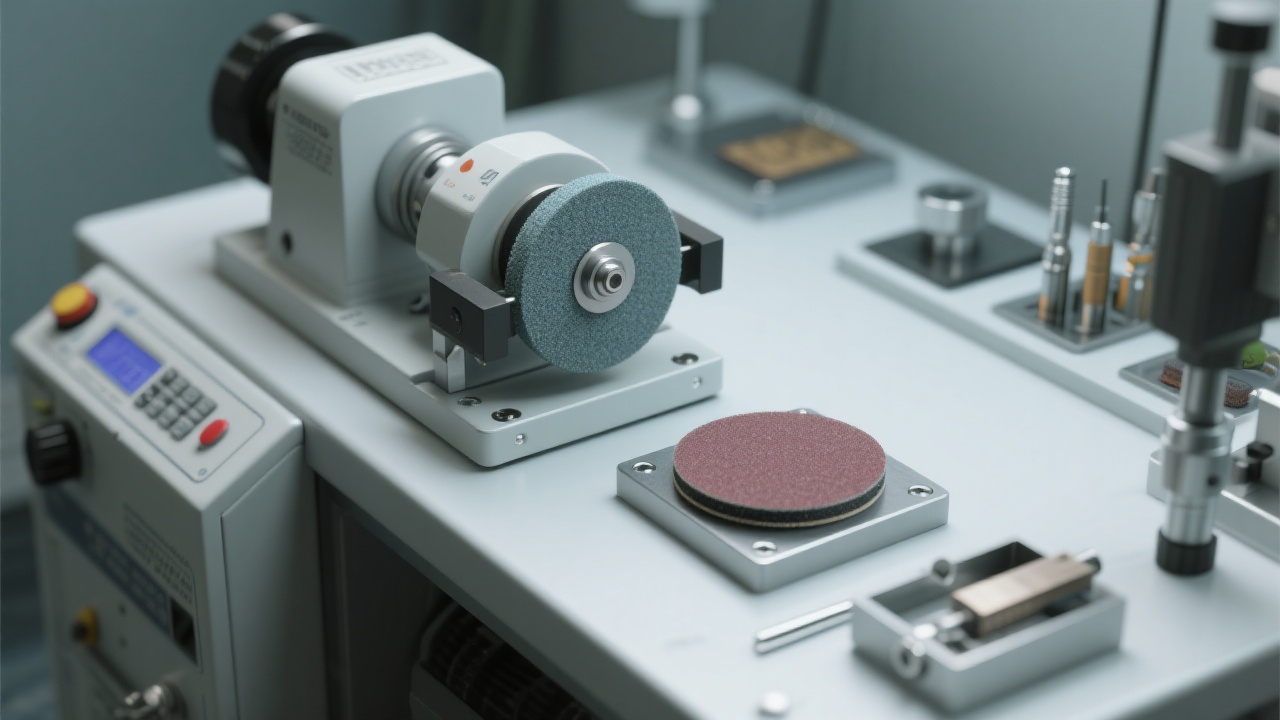
Long - term stable sample preparation requires good equipment maintenance and personnel training. Regular maintenance of cutting equipment, such as checking the cooling system, monitoring tool wear, and ensuring the normal operation of fixtures, can ensure the stability of the cutting process. In addition, proper personnel training can improve the operation skills of laboratory staff, enabling them to better understand and follow the correct sample preparation procedures.
Different scenarios, such as teaching standardization and scientific research repeatability requirements, may have different needs for sample preparation. For teaching scenarios, it is necessary to ensure that students can master the correct sample preparation methods according to standardized procedures. In scientific research, higher requirements are placed on the repeatability and accuracy of sample preparation to ensure the reliability of research results. Therefore, corresponding strategies should be adopted according to different scenarios.
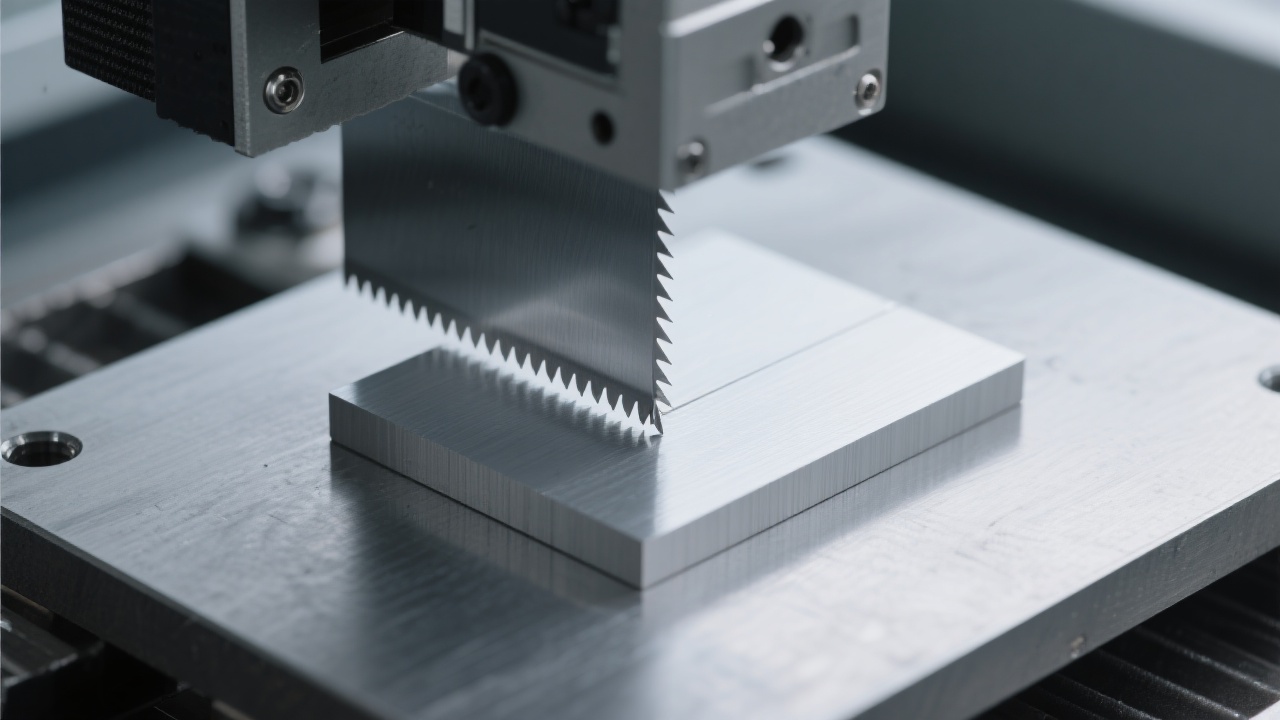
Ready to revolutionize your metal sample cutting accuracy? Discover the power of SQ - 100 with its efficient cooling and stable clamping design! Learn More
 193
|
193
|
 Metallographic mounting quality detection
ASTM E3 - 11 standard
ISO 3189 specification
Mounting machine quality evaluation
Metallographic sample preparation
369
|
Metallographic pre - grinder maintenance
Equipment lifespan extension
Preventive maintenance
Industrial laboratory equipment maintenance
Metallographic sample processing
110
|
metallographic mounting quality
ASTM E3-11 standard
ISO 3189 compliance
mounting defect detection
ZXQ-2 precision mounting machine
289
|
non-metallic material hardness testing
Rockwell hardness testing standards
ceramic hardness measurement
plastic material hardness evaluation
composite indentation analysis
413
|
Brinell hardness tester daily maintenance
hardness testing equipment maintenance
sensor cleaning and lubrication
turret mechanism maintenance
equipment operation and maintenance standard process
Metallographic mounting quality detection
ASTM E3 - 11 standard
ISO 3189 specification
Mounting machine quality evaluation
Metallographic sample preparation
369
|
Metallographic pre - grinder maintenance
Equipment lifespan extension
Preventive maintenance
Industrial laboratory equipment maintenance
Metallographic sample processing
110
|
metallographic mounting quality
ASTM E3-11 standard
ISO 3189 compliance
mounting defect detection
ZXQ-2 precision mounting machine
289
|
non-metallic material hardness testing
Rockwell hardness testing standards
ceramic hardness measurement
plastic material hardness evaluation
composite indentation analysis
413
|
Brinell hardness tester daily maintenance
hardness testing equipment maintenance
sensor cleaning and lubrication
turret mechanism maintenance
equipment operation and maintenance standard process