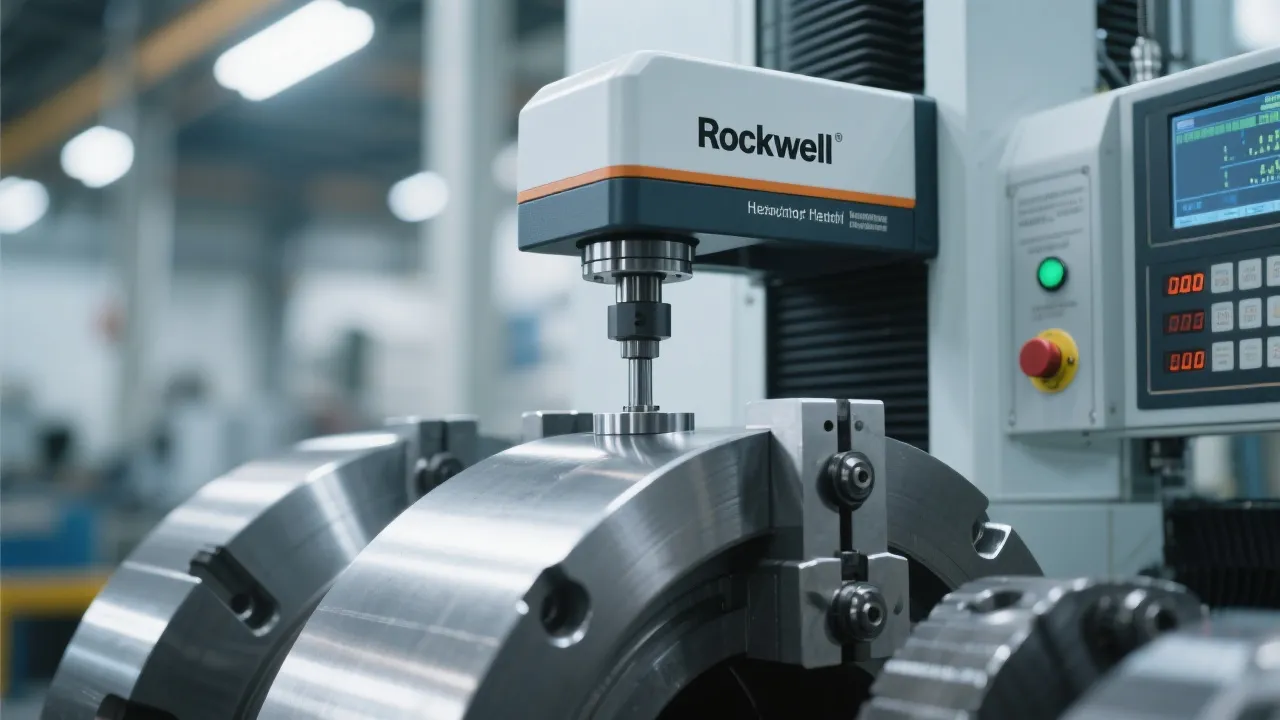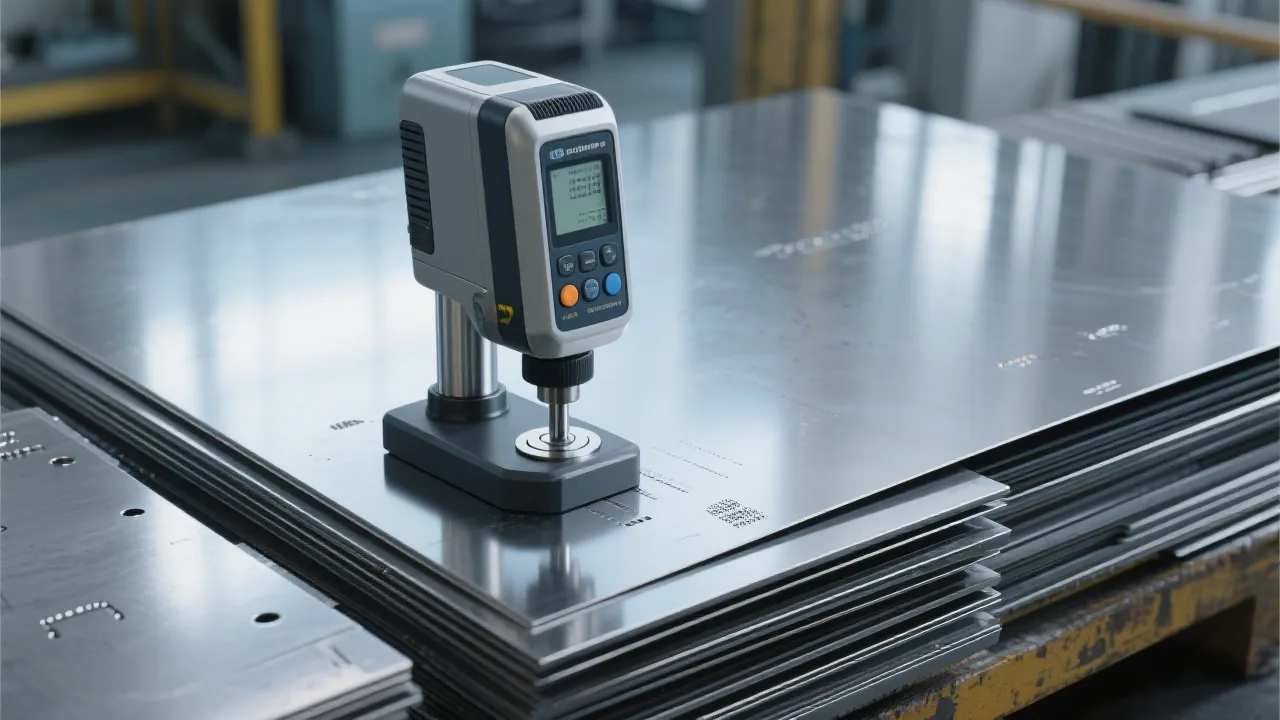
In today’s competitive global manufacturing landscape, consistency isn’t just a goal—it’s a requirement. Whether you’re producing automotive components for European OEMs or aerospace alloys for Middle Eastern contractors, the ability to prove your material quality through standardized microscopic analysis is no longer optional.
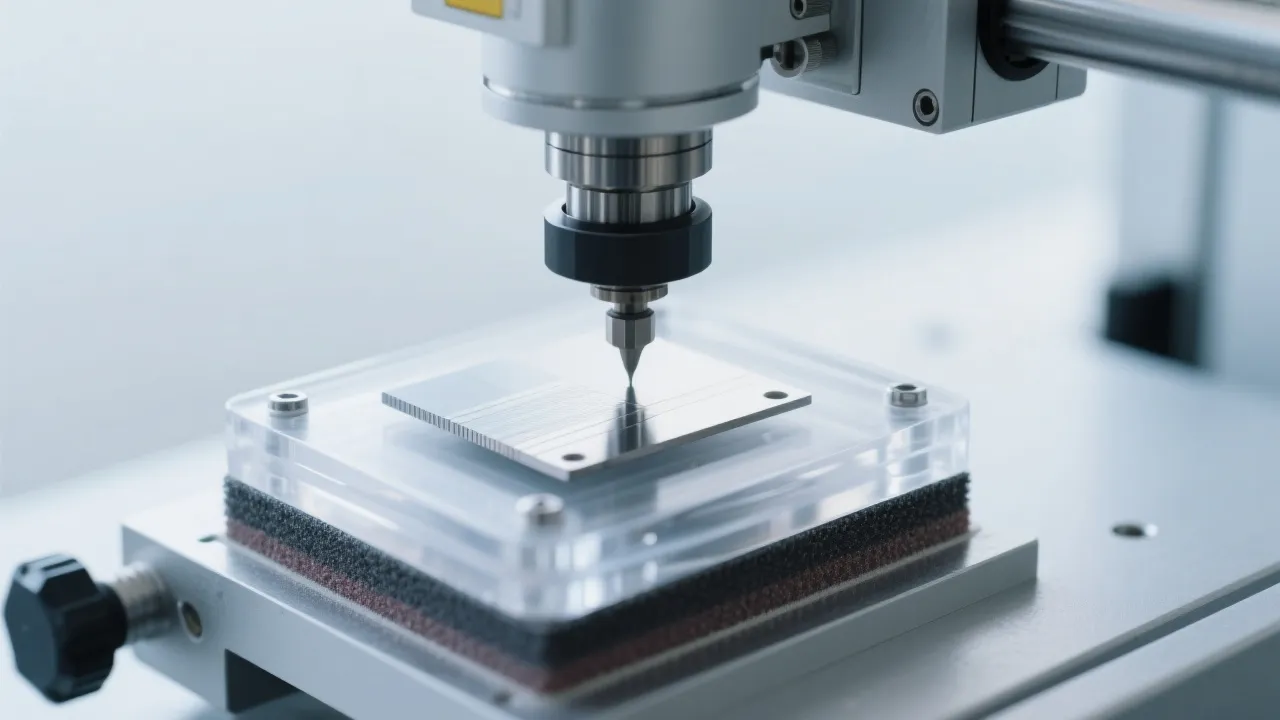
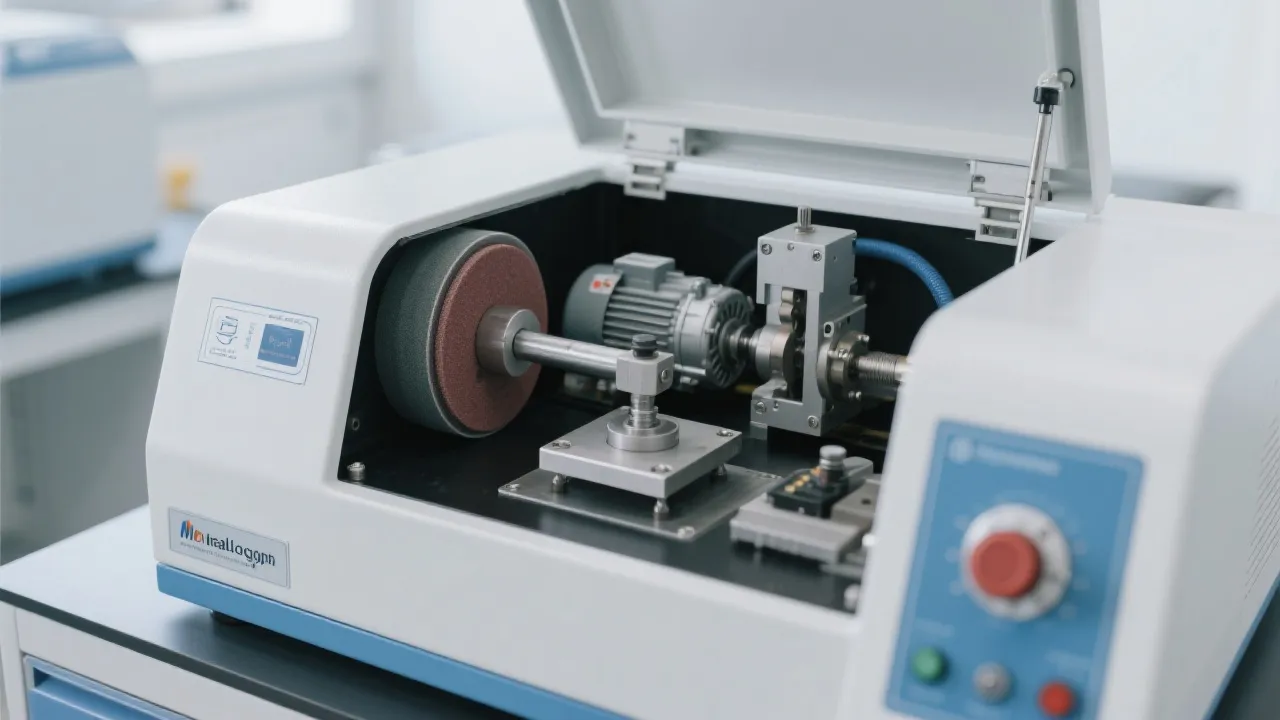
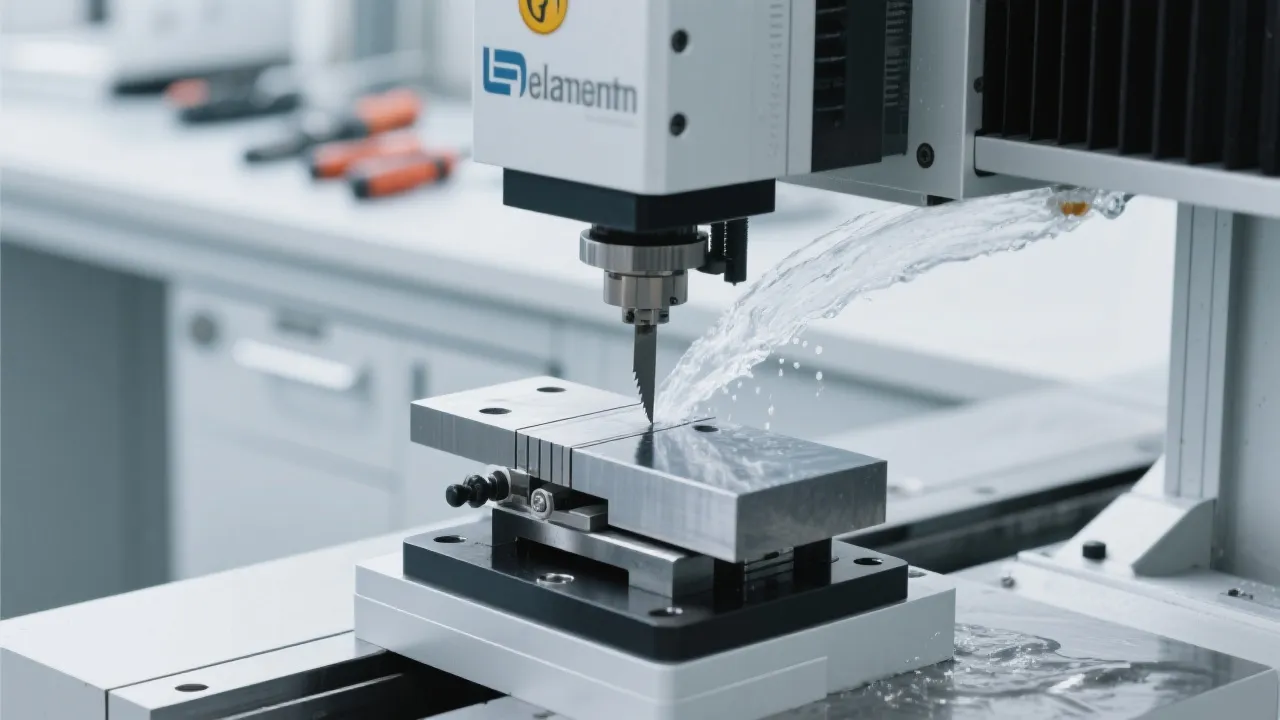
According to ASTM E3 and ISO 14104 standards, accurate metal microstructure evaluation starts long before the microscope is even turned on. For instance, improper sample cutting angles (especially in high-strength steels) can introduce artifacts that mimic real defects—leading to false rejection rates as high as 15% in non-standardized labs.
Here’s what matters most:
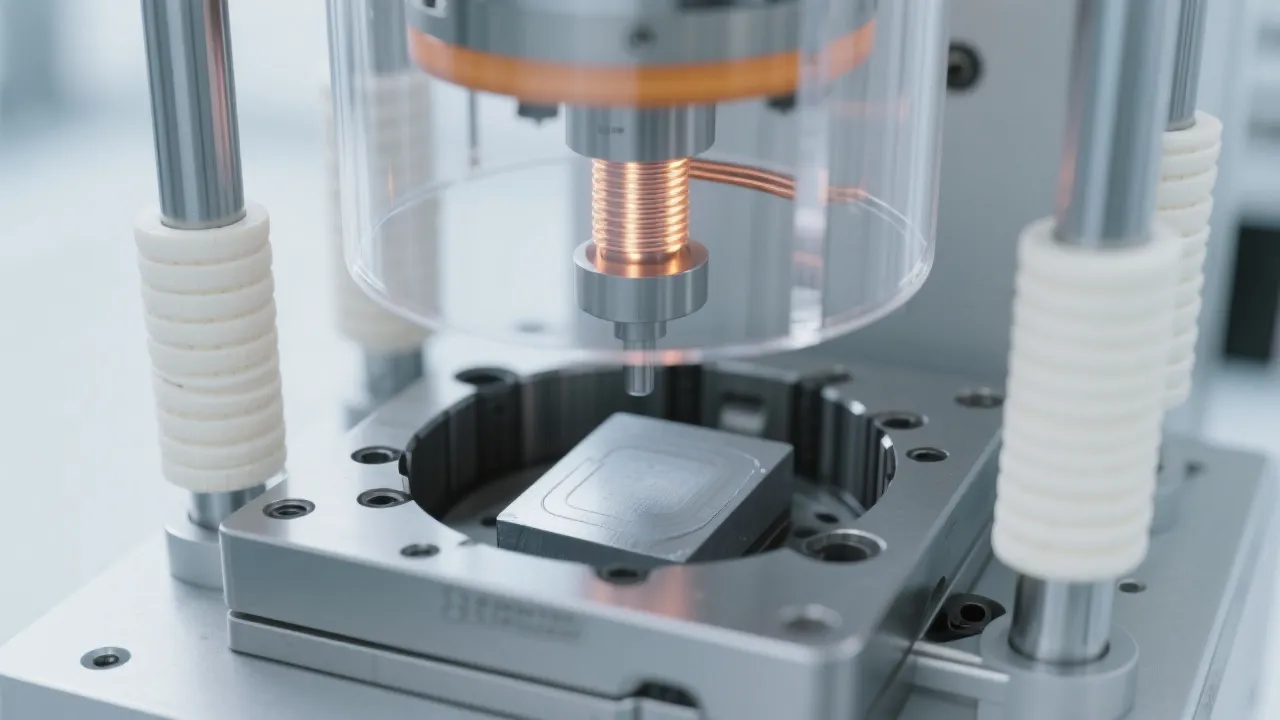
With consistent procedures, your team can reliably identify critical features such as pearlite content, martensite formation, or inclusion distribution—all essential for verifying heat treatment compliance. For example, a 30% increase in carbide network density after quenching may indicate under-tempering, which can be caught early if images are analyzed against baseline data from previous batches.
Real-world case: One German automotive supplier reduced scrap rates by 12% after implementing inter-lab comparison protocols. By sharing images and metadata via FMIA2025 software, they identified inconsistent etching times as the root cause—and standardized their workflow across three facilities.
Modern labs now rely on tools like FMIA2025 to manage image libraries, annotate findings automatically, and generate audit-ready reports in minutes—not hours. This isn’t just efficiency—it’s trust-building. Buyers in the U.S., UAE, and Japan increasingly demand digital proof of consistency, not just paper certificates.
Consider this: companies using structured data management see a 40% faster response time to customer inquiries about material certifications—and a 25% higher conversion rate on B2B RFQs.
Quote from ASTM E3: “The validity of microstructural observations depends on the reproducibility of the entire procedure—from specimen preparation to image interpretation.”
If your current lab lacks a clear path to standardization—or if your clients are asking for more than just a photo—you’re missing an opportunity to differentiate. The right tools don’t just improve accuracy—they build credibility at scale.
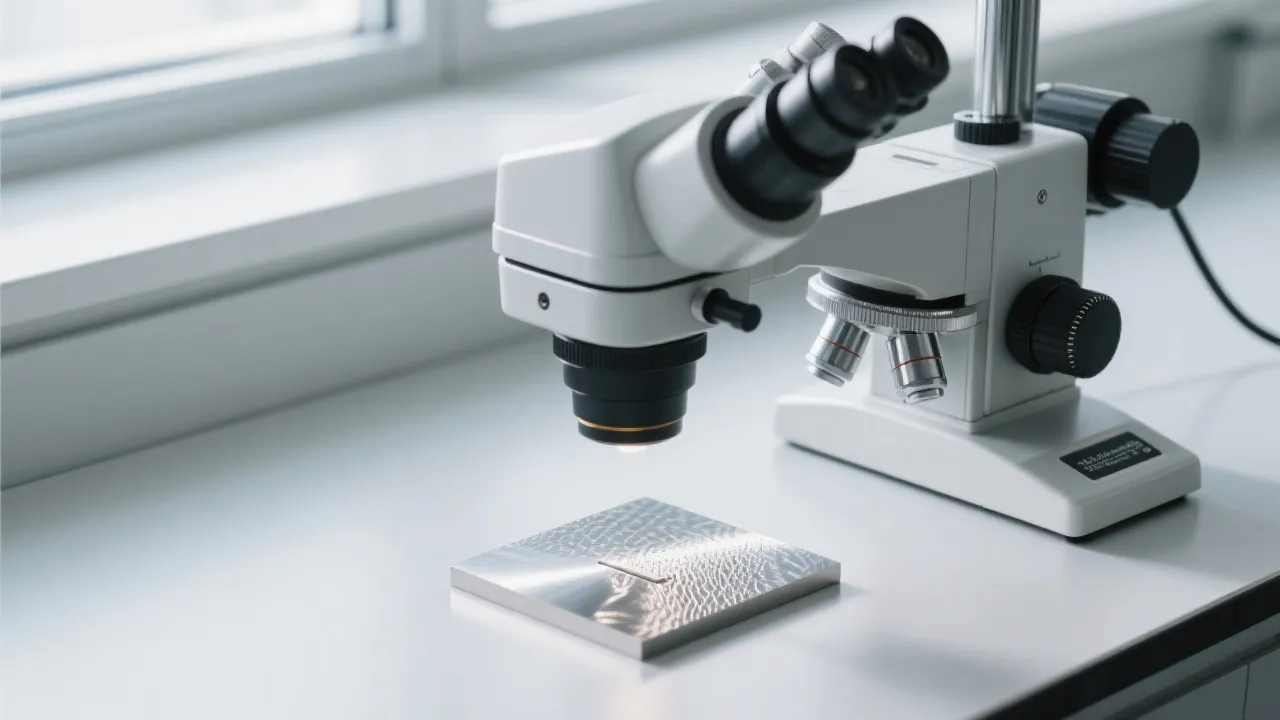
Discover how the 4XC-W High-Resolution Metallographic Microscope helps labs achieve ISO/ASTM compliance—with built-in guidance for sample prep, automated image capture, and seamless integration with FMIA2025.
See How It Works → 201
|
201
|
 manual dual-disc metallographic polisher
LCD interface variable speed control
fiberglass equipment durability
metallographic polishing maintenance
after-sales service customer cases
357
|
manual metallographic cutting machine
metallographic sample preparation
scientific research equipment
metallography consumables
sample cutting technology
490
|
hardness tester selection guide
Rockwell hardness test parameter settings
automatic load control hardness tester
metallographic inspection equipment
material hardness testing standards
421
|
Industrial-grade indenter accessories installation
Equipment commissioning tutorial
Indenter installation precautions
Industrial equipment maintenance
Precision CNC machining accessories
170
|
metallographic image analysis
heat treatment quality control
microstructure defect identification
ASTM E3-11 standard
metallography software application
manual dual-disc metallographic polisher
LCD interface variable speed control
fiberglass equipment durability
metallographic polishing maintenance
after-sales service customer cases
357
|
manual metallographic cutting machine
metallographic sample preparation
scientific research equipment
metallography consumables
sample cutting technology
490
|
hardness tester selection guide
Rockwell hardness test parameter settings
automatic load control hardness tester
metallographic inspection equipment
material hardness testing standards
421
|
Industrial-grade indenter accessories installation
Equipment commissioning tutorial
Indenter installation precautions
Industrial equipment maintenance
Precision CNC machining accessories
170
|
metallographic image analysis
heat treatment quality control
microstructure defect identification
ASTM E3-11 standard
metallography software application