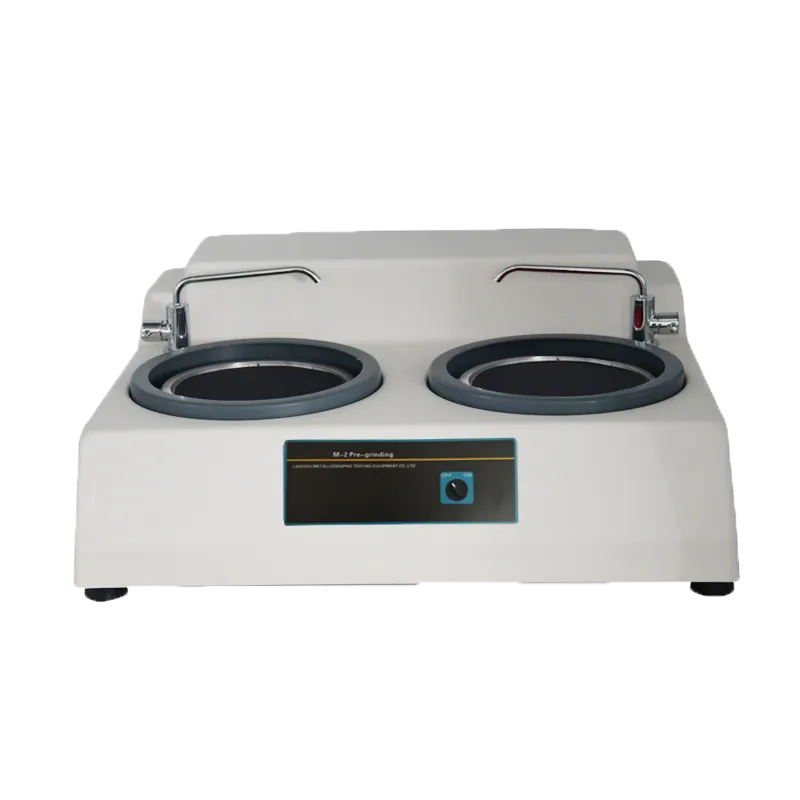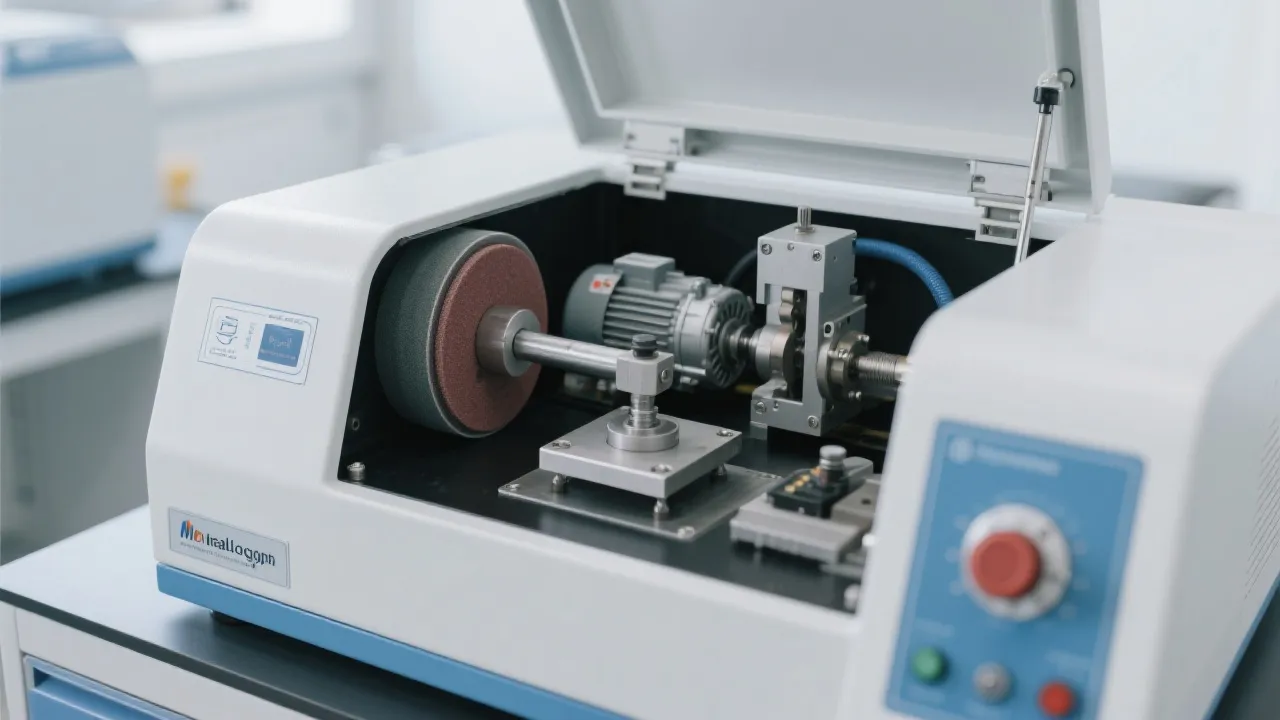
In academic and industrial research labs, consistent and high-quality metallographic sample preparation is the foundation of reliable microstructure analysis. Whether you're studying alloy fatigue, weld metallurgy, or additive manufacturing materials, the first step—accurate sample cutting—is often where variability begins. According to ASTM E3-11 and ISO 3856 standards, improper cutting can introduce thermal distortion, surface deformation, or even phase changes that compromise your results.
While automated systems are gaining traction, manual cutters like the LaiZhou JinCheng Q-2 offer unmatched flexibility for small-batch, multi-material workflows common in university labs and R&D centers. Studies show that researchers using precision-adjustable manual cutters report up to 35% fewer repeat samples due to better control over pressure (0.5–2.0 MPa range) and speed (50–150 rpm), compared to fixed-speed machines.
The Q-2’s intelligent water-cooling system reduces heat-affected zones by maintaining blade temperatures below 45°C during prolonged use—a critical factor when working with sensitive materials like aluminum alloys or thin-walled components. This feature alone can reduce post-cutting polishing time by an average of 20%, according to user feedback from 12+ universities across Europe and Asia.
Handling irregularly shaped specimens—such as turbine blades, wire rods, or composite laminates—requires more than just a standard vise. The Q-2 comes with interchangeable fixtures designed specifically for cylindrical, angular, and curved surfaces. Proper clamping not only prevents slippage but also minimizes edge chipping, which is crucial for SEM/TEM imaging applications.
A recent survey among 78 lab managers revealed that 72% of respondents saw improved reproducibility in their data after adopting standardized cutting parameters based on material hardness (e.g., soft metals vs. hardened steels). Key settings include:
Choosing the right abrasive blades, cooling fluids, and polishing pads isn’t optional—it’s part of a robust quality management system. For instance, using diamond-coated blades instead of conventional carbide ones can extend tool life by up to 40% while reducing surface defects.
Regular maintenance—such as cleaning the cooling channel every 10 hours of operation and inspecting the blade holder alignment monthly—has been shown to prevent 80% of mechanical failures reported in older models. These practices align directly with ISO 3856 guidelines for equipment calibration and process consistency.
Discover how the LaiZhou JinCheng Q-2 manual metallographic sample cutter can transform your workflow—from precise cutting to reliable data output.
Explore the Q-2 Solution Now → 201
|
201
|
 manual dual-disc metallographic polisher
LCD interface variable speed control
fiberglass equipment durability
metallographic polishing maintenance
after-sales service customer cases
314
|
metal sample grinder polisher
metallographic analysis improvement
intelligent grinding equipment
stepless speed control
ASTM ISO compliant polishing machine
490
|
hardness tester selection guide
Rockwell hardness test parameter settings
automatic load control hardness tester
metallographic inspection equipment
material hardness testing standards
306
|
micro Vickers hardness tester
intelligent touch hardness testing
high-precision hardness measurement
mechanical processing hardness
metallurgical research hardness testing
289
|
non-metallic material hardness testing
Rockwell hardness testing standards
ceramic hardness measurement
plastic material hardness evaluation
composite indentation analysis
manual dual-disc metallographic polisher
LCD interface variable speed control
fiberglass equipment durability
metallographic polishing maintenance
after-sales service customer cases
314
|
metal sample grinder polisher
metallographic analysis improvement
intelligent grinding equipment
stepless speed control
ASTM ISO compliant polishing machine
490
|
hardness tester selection guide
Rockwell hardness test parameter settings
automatic load control hardness tester
metallographic inspection equipment
material hardness testing standards
306
|
micro Vickers hardness tester
intelligent touch hardness testing
high-precision hardness measurement
mechanical processing hardness
metallurgical research hardness testing
289
|
non-metallic material hardness testing
Rockwell hardness testing standards
ceramic hardness measurement
plastic material hardness evaluation
composite indentation analysis