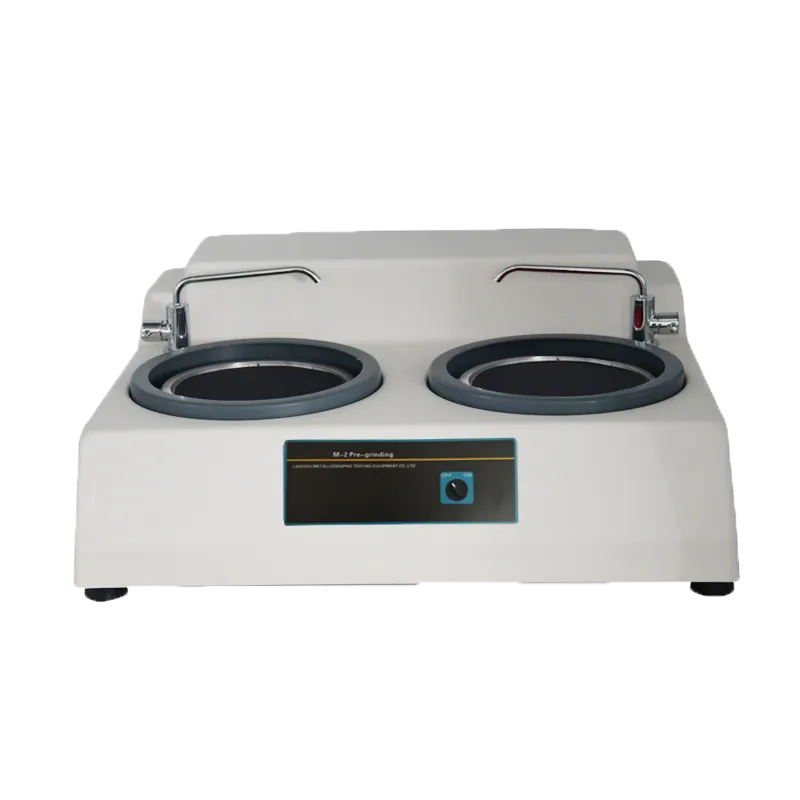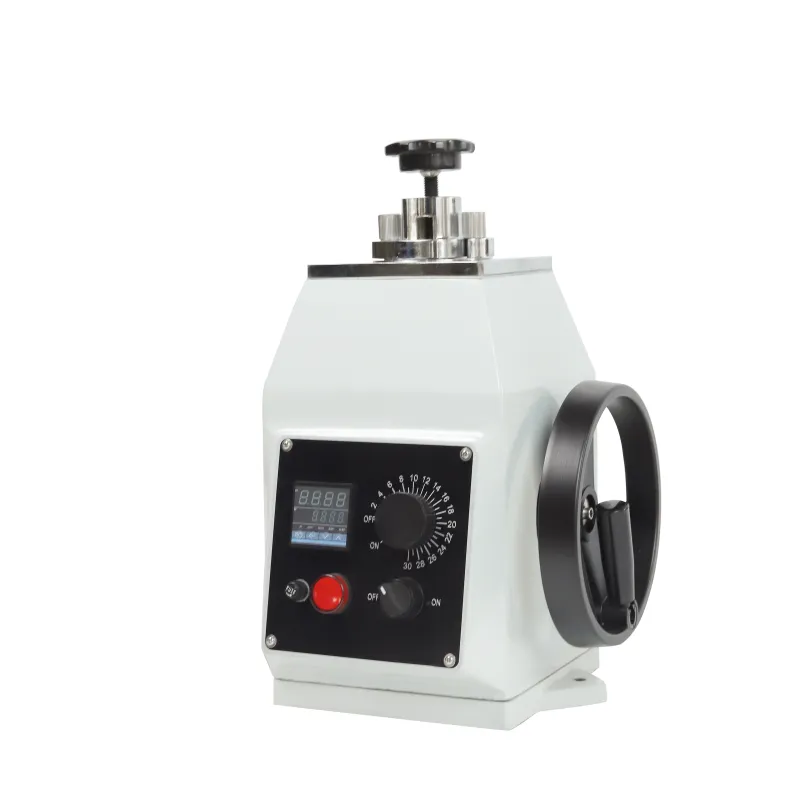
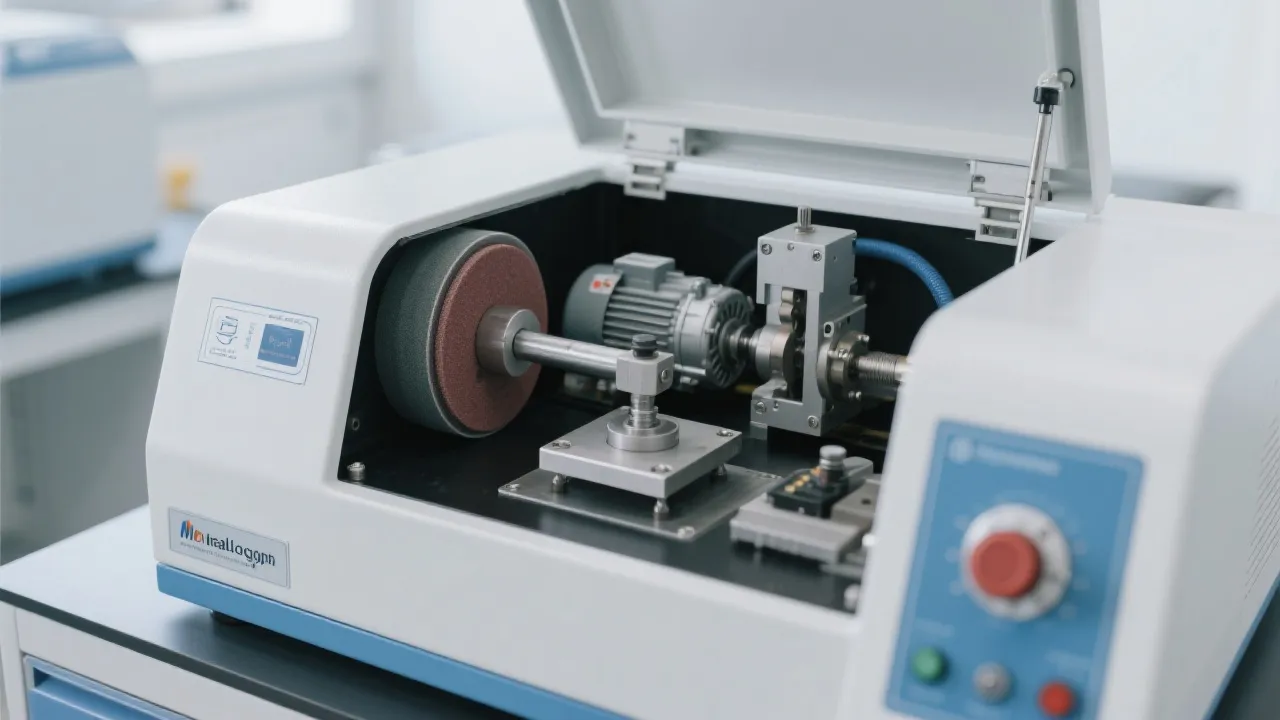
In industrial laboratories, metallographic pre - grinders are essential equipment. However, due to high - frequency use, they often face various maintenance challenges. This guide will provide in - depth insights into the maintenance of metallographic pre - grinders, helping laboratory managers in the metallurgical quality inspection field establish a preventive maintenance mechanism.
The high - strength glass fiber shell of the metallographic pre - grinder has unique structural characteristics. It is lightweight, corrosion - resistant, and has high strength. In daily use, it is necessary to avoid scratches and impacts. Regularly clean the shell with a soft cloth to prevent the accumulation of dust and debris. According to industry experience, proper shell protection can reduce the risk of shell damage by up to 30%.
The transmission system is the core part of the metallographic pre - grinder. The lubrication cycle is crucial. Generally, it is recommended to lubricate the transmission parts every 500 operating hours. When abnormal noises are detected, it is necessary to stop the machine immediately for inspection. The standard for replacing parts is mainly based on wear. If the wear of gears or belts exceeds 20%, they should be replaced in time. A well - maintained transmission system can ensure the stable operation of the equipment and reduce the error rate to within 0.5%.
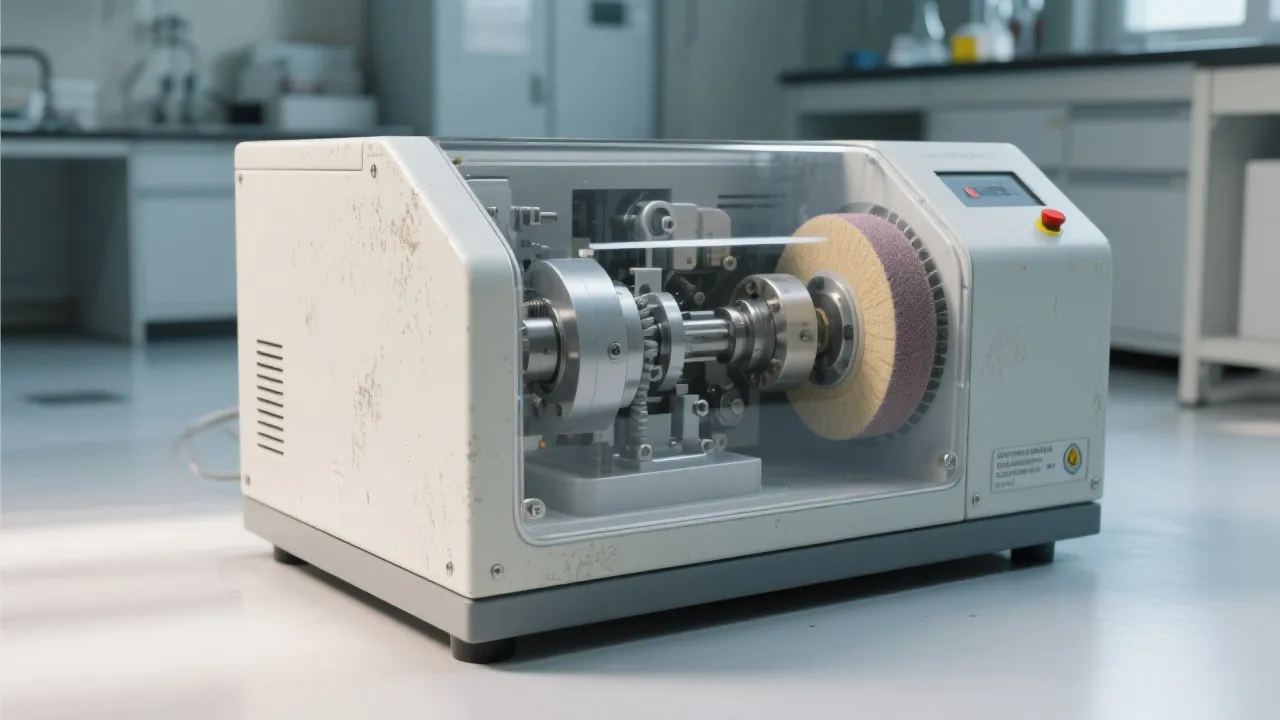
The cleaning frequency of the grinding disc directly affects the accuracy of the grinding. It is recommended to clean the grinding disc after every 20 grinding operations. Dust accumulation on the grinding disc can cause uneven grinding, which may lead to an error of up to 1% in the sample processing. Regular cleaning can effectively avoid this problem.
The motor is the power source of the metallographic pre - grinder. Monitoring the motor temperature is very important. The normal operating temperature of the motor should be controlled between 40 - 60 degrees Celsius. When the temperature exceeds 60 degrees Celsius, an over - heat warning should be issued. In case of over - heating, the machine should be stopped immediately and the cooling system should be checked. According to statistics, proper motor temperature control can extend the motor life by 2 - 3 years.
Common faults such as speed fluctuations and abnormal noises often occur in metallographic pre - grinders. For speed fluctuations, first check the power supply and the control system. For abnormal noises, check the transmission system and the grinding disc. A quick diagnosis and repair process can reduce the downtime of the equipment. On average, it can reduce the downtime from 3 days to 1 day.
To achieve a shift from passive maintenance to active management, it is necessary to formulate and execute standardized inspection checklists. The checklist should include daily, weekly, and monthly inspection items. For example, daily inspections can include checking the shell, power supply, and lubrication; weekly inspections can focus on the transmission system and the grinding disc; monthly inspections can comprehensively evaluate the overall performance of the equipment. A well - executed checklist can reduce the failure rate of the equipment by 40%.
In conclusion, proper maintenance of metallographic pre - grinders can significantly extend their service life to more than 5 years and reduce the risk of downtime. By following the above - mentioned maintenance methods, both novice operators and senior equipment supervisors can find practical solutions. "Proper maintenance is the key to ensuring the long - term stable operation of equipment," said an on - site engineer. For more information on metallographic pre - grinder solutions, consider checking out Laizhou Jincheng Industrial Equipment's metallographic pre - grinder solutions, which can assist in laboratory equipment management.
 377
|
377
|
 metal sample cutting precision
clamping stability in metallography
cooling efficiency in metal cutting
ASTM E3-13 standard
metallographic sample preparation
421
|
Industrial-grade indenter accessories installation
Equipment commissioning tutorial
Indenter installation precautions
Industrial equipment maintenance
Precision CNC machining accessories
385
|
Brinell hardness tester daily maintenance
automatic loading hardness tester fault identification
hardness tester maintenance skills
HBS - 3000Z maintenance guide
hardness tester calibration cycle
108
|
Metallographic pre - grinder maintenance
Equipment lifespan extension
Preventive maintenance
Industrial laboratory equipment maintenance
Metallographic equipment maintenance
99
|
metal microstructure inspection
ASTM standards
ISO standards
metallographic microscope
quality control process
metal sample cutting precision
clamping stability in metallography
cooling efficiency in metal cutting
ASTM E3-13 standard
metallographic sample preparation
421
|
Industrial-grade indenter accessories installation
Equipment commissioning tutorial
Indenter installation precautions
Industrial equipment maintenance
Precision CNC machining accessories
385
|
Brinell hardness tester daily maintenance
automatic loading hardness tester fault identification
hardness tester maintenance skills
HBS - 3000Z maintenance guide
hardness tester calibration cycle
108
|
Metallographic pre - grinder maintenance
Equipment lifespan extension
Preventive maintenance
Industrial laboratory equipment maintenance
Metallographic equipment maintenance
99
|
metal microstructure inspection
ASTM standards
ISO standards
metallographic microscope
quality control process



Hardness-Tester7MHVS-1000A-1.jpg?x-oss-process=image/resize,m_fill,h_800,w_800/format,webp)