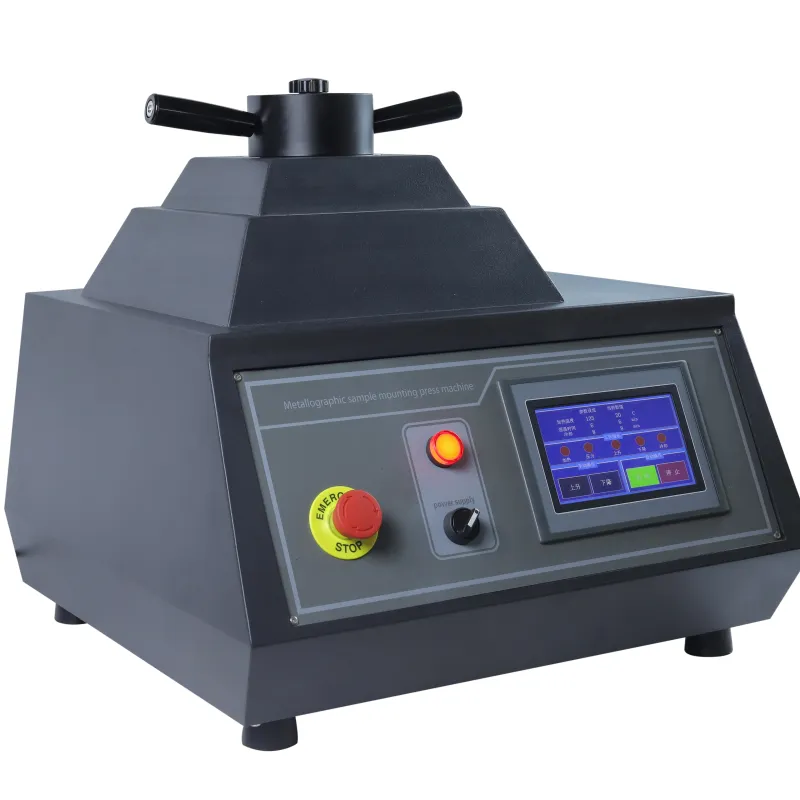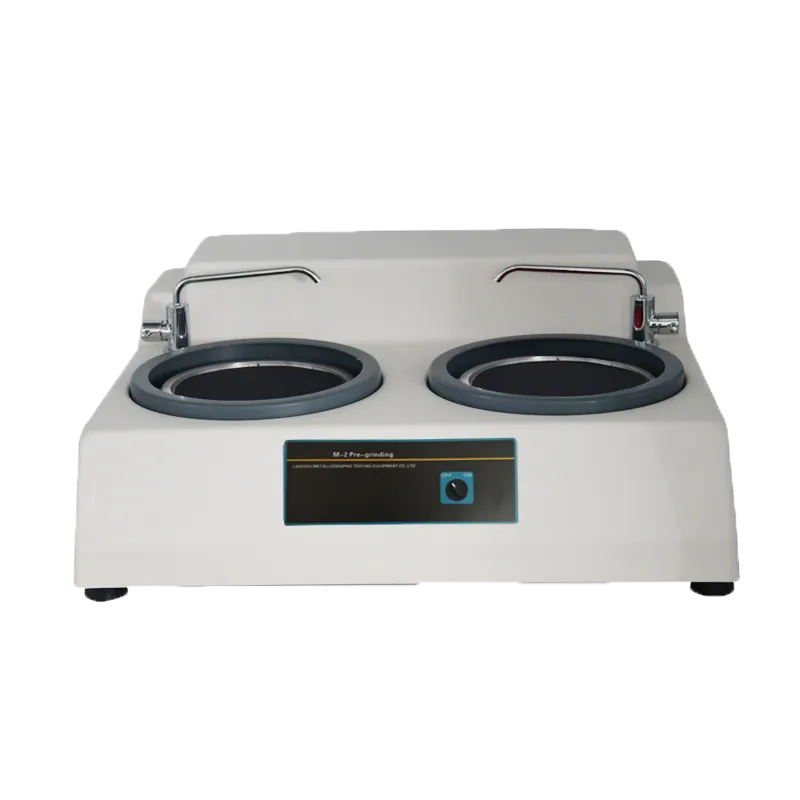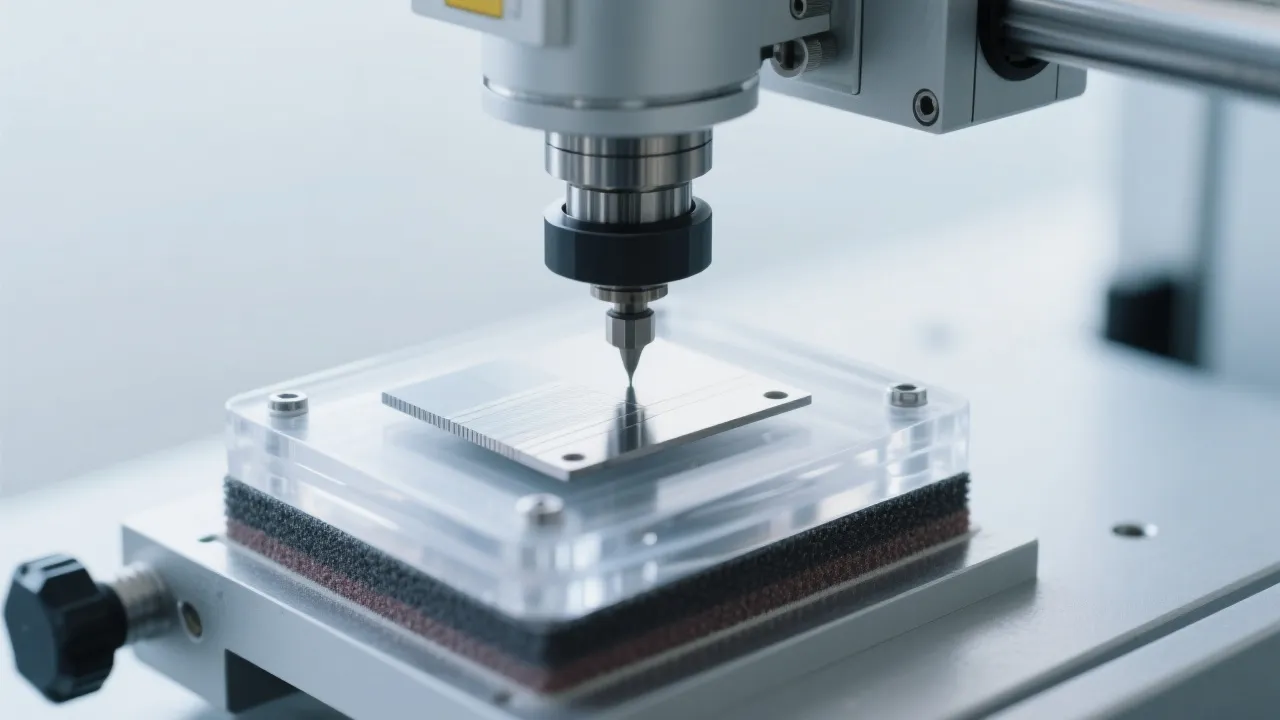
In the industrial sector, the proper installation and maintenance of indenter accessories are crucial for the efficient operation of machinery. This article provides a comprehensive guide to the installation and debugging process of industrial-grade indenter accessories, aiming to help on-site engineers enhance efficiency and ensure safety.
The installation of industrial-grade indenter accessories involves several key steps: disassembly, cleaning, positioning, fastening, and calibration. Firstly, the disassembly process should be carried out carefully to avoid any damage to the original parts. It is estimated that about 80% of installation failures are caused by improper disassembly. After disassembly, thorough cleaning is necessary to remove dirt, oil, and other contaminants. This can significantly improve the performance and lifespan of the accessories. Research shows that regular cleaning can extend the service life of indenter accessories by up to 30%.
Next, accurate positioning is essential for the proper functioning of the accessories. Precise alignment can reduce vibration and noise during operation, improving the overall stability of the equipment. Once positioned, proper fastening is crucial to prevent loosening during operation. Finally, calibration ensures that the indenter operates within the specified parameters, providing accurate and reliable results.
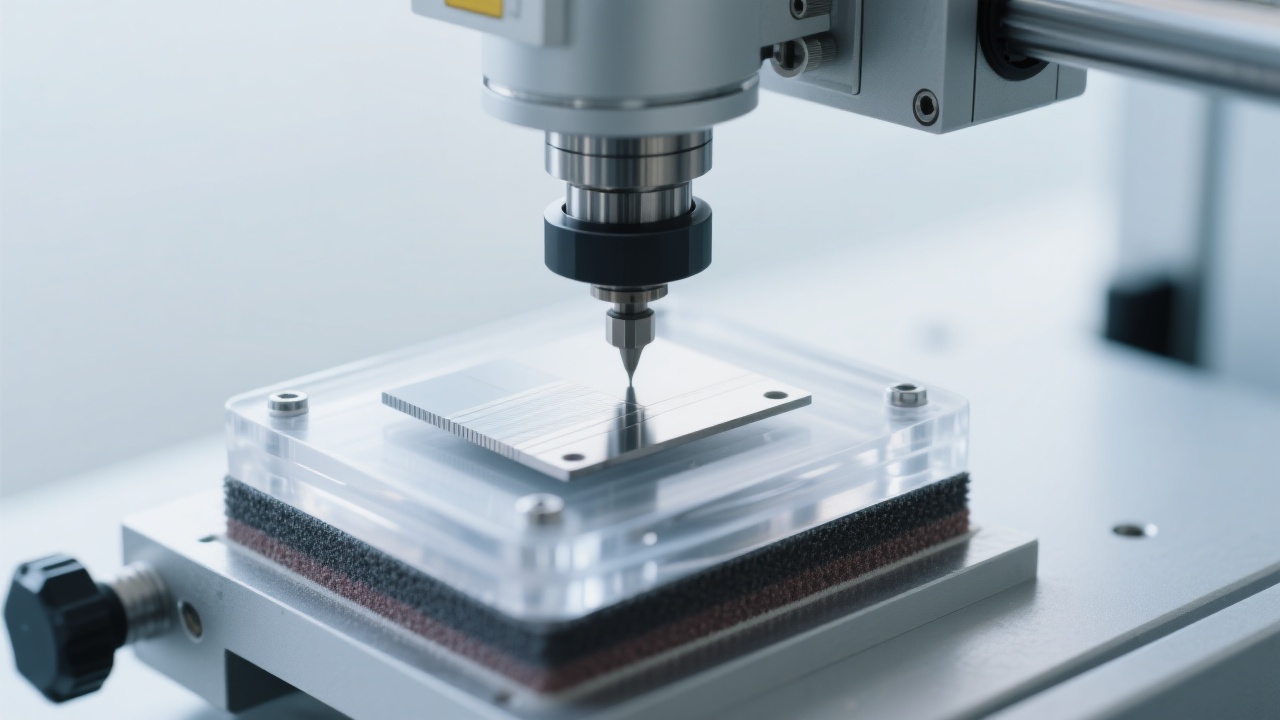
Despite the importance of proper installation, many engineers still make common mistakes. For example, incorrect tightening torque can lead to component damage or failure. Approximately 30% of equipment malfunctions are due to improper fastening. Another common mistake is neglecting the calibration process, which can result in inaccurate measurements and reduced product quality. These mistakes not only increase the risk of equipment downtime but also lead to higher maintenance costs.
To address these issues, we have prepared a video demonstration that clearly shows the correct installation procedures. You can check it to strengthen your understanding of the operation specifications and avoid potential risks.
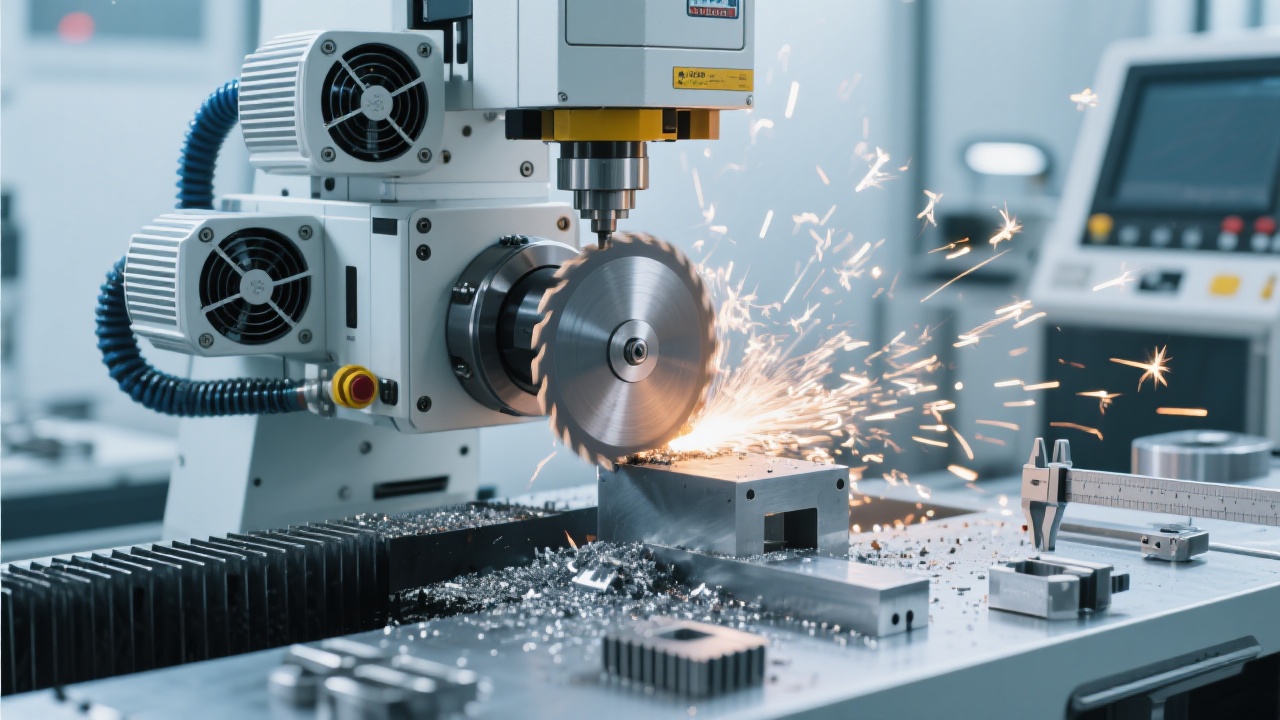
Proper equipment parameter setting is vital for the stable operation of indenter accessories in complex industrial environments. Different working conditions require different parameter settings. For example, in high-temperature environments, the oil viscosity of the indenter may decrease, requiring appropriate adjustments to the pressure and flow parameters. Additionally, strict safety measures should be implemented to prevent accidents. For instance, installing safety guards and emergency stop buttons can effectively reduce the risk of injury.
We understand that every industrial setting is unique, and we are here to provide customized technical support. Whether you need assistance with parameter setting or safety measure implementation, our team of experts is ready to help.
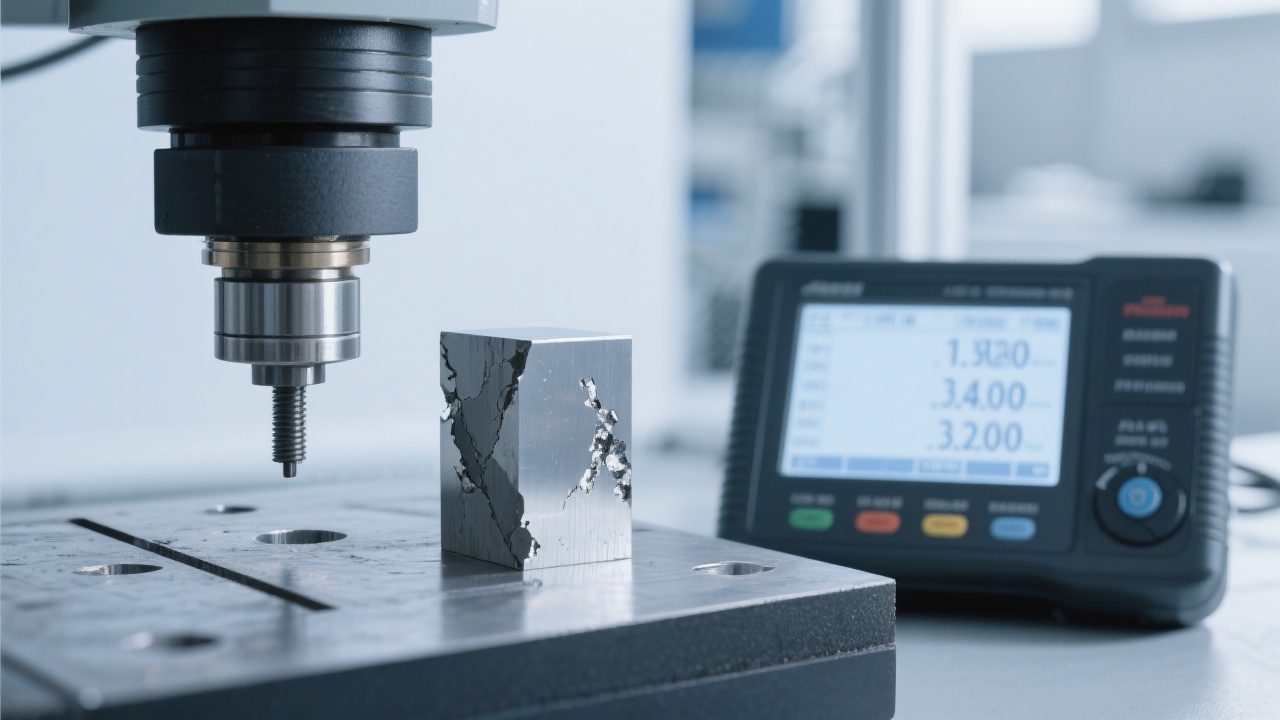
To better meet the needs of our users, we have set up an interactive Q&A section. Here, you can ask any questions related to the installation, debugging, and maintenance of indenter accessories. Our experienced engineers will respond promptly to provide you with professional answers and solutions.
If you need professional installation services or further technical support, please do not hesitate to contact us. Our contact information is available on our website, and our dedicated team is committed to providing you with the highest level of service.
Ready to enhance the efficiency and reliability of your industrial equipment? Get professional installation support for industrial-grade indenter accessories now!
 201
|
201
|
 manual dual-disc metallographic polisher
LCD interface variable speed control
fiberglass equipment durability
metallographic polishing maintenance
after-sales service customer cases
314
|
metal sample grinder polisher
metallographic analysis improvement
intelligent grinding equipment
stepless speed control
ASTM ISO compliant polishing machine
306
|
micro Vickers hardness tester
intelligent touch hardness testing
high-precision hardness measurement
mechanical processing hardness
metallurgical research hardness testing
490
|
hardness tester selection guide
Rockwell hardness test parameter settings
automatic load control hardness tester
metallographic inspection equipment
material hardness testing standards
289
|
non-metallic material hardness testing
Rockwell hardness testing standards
ceramic hardness measurement
plastic material hardness evaluation
composite indentation analysis
manual dual-disc metallographic polisher
LCD interface variable speed control
fiberglass equipment durability
metallographic polishing maintenance
after-sales service customer cases
314
|
metal sample grinder polisher
metallographic analysis improvement
intelligent grinding equipment
stepless speed control
ASTM ISO compliant polishing machine
306
|
micro Vickers hardness tester
intelligent touch hardness testing
high-precision hardness measurement
mechanical processing hardness
metallurgical research hardness testing
490
|
hardness tester selection guide
Rockwell hardness test parameter settings
automatic load control hardness tester
metallographic inspection equipment
material hardness testing standards
289
|
non-metallic material hardness testing
Rockwell hardness testing standards
ceramic hardness measurement
plastic material hardness evaluation
composite indentation analysis

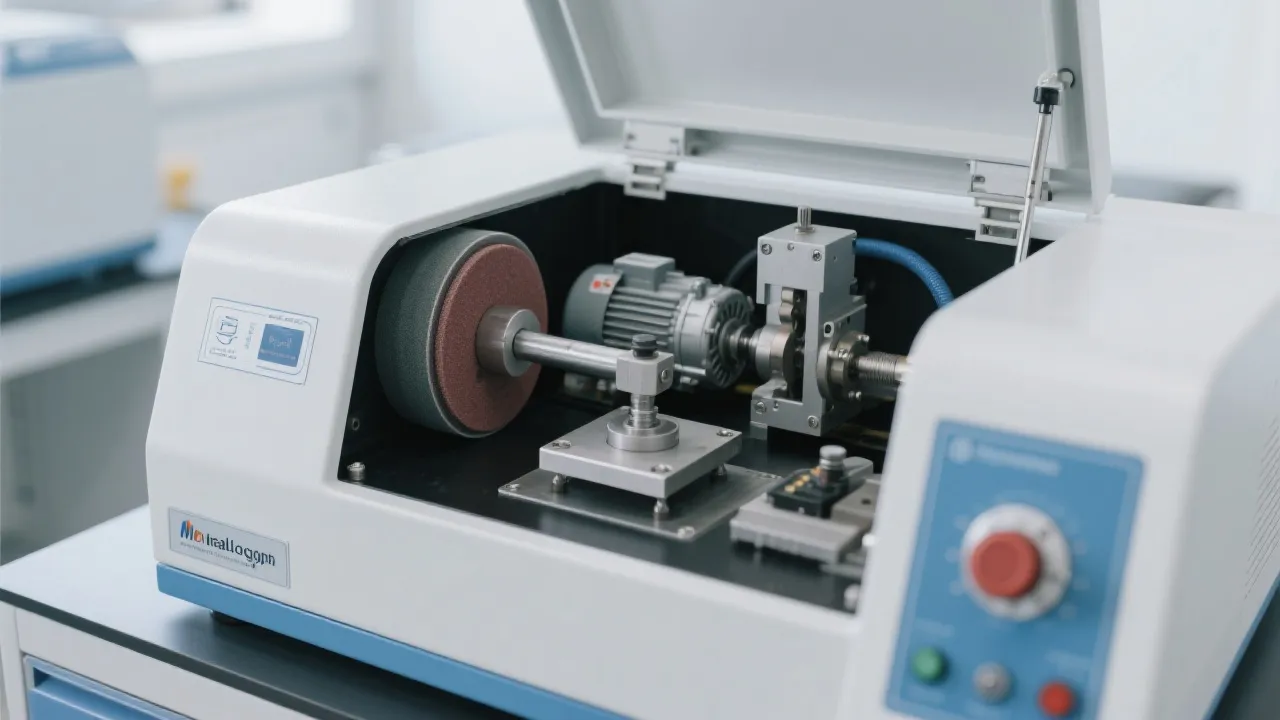
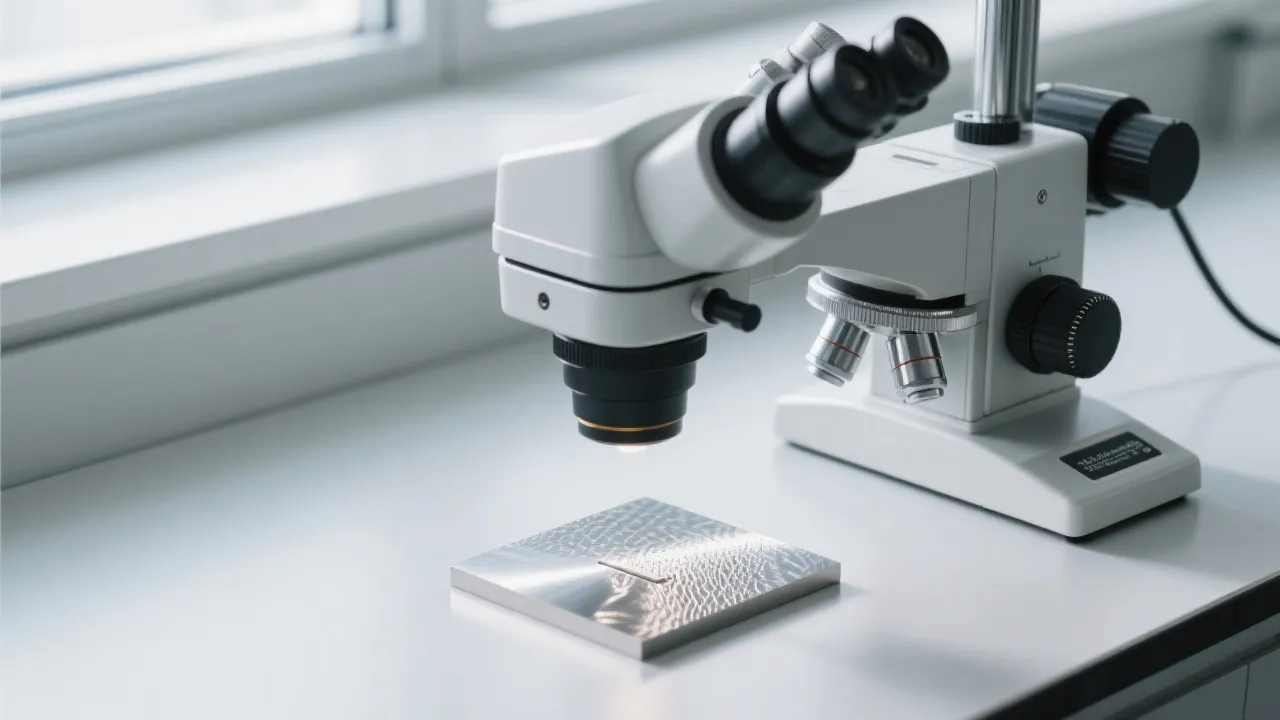


Hardness-Tester7MHVS-5103050A-1.jpg?x-oss-process=image/resize,m_fill,h_800,w_800/format,webp)