
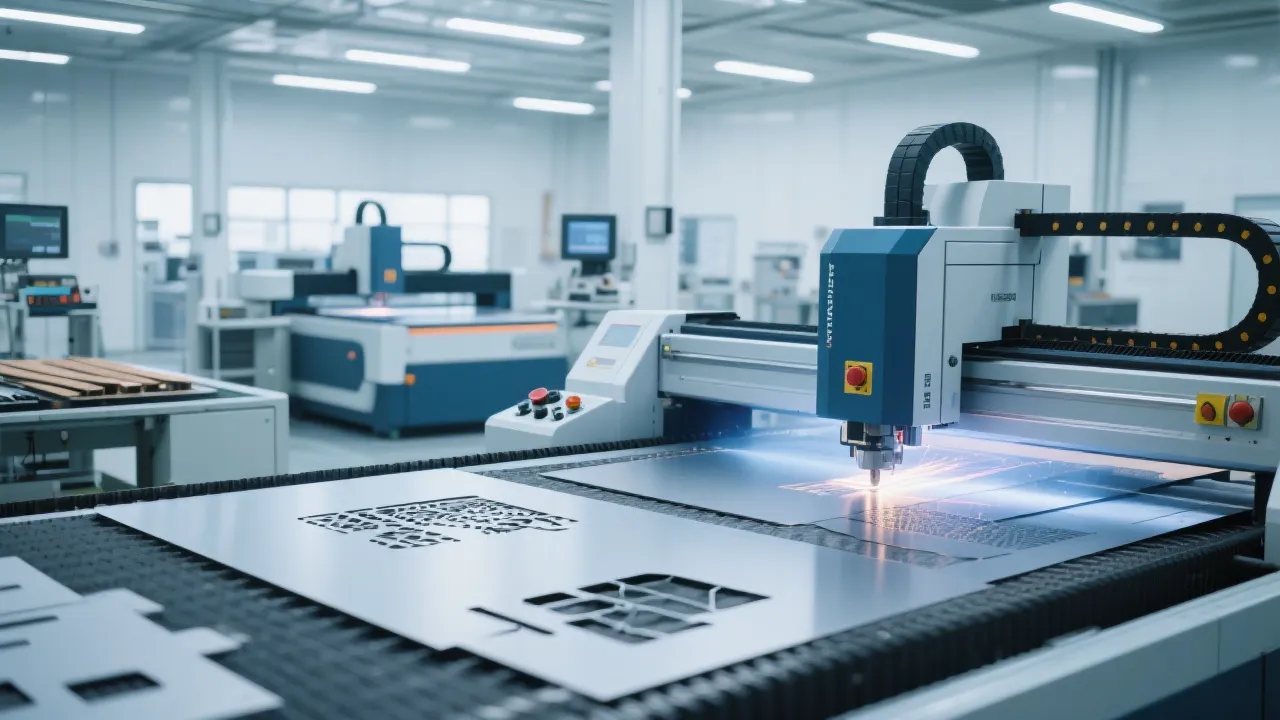
You’re not alone if your lab’s metal samples are showing signs of overheating, uneven cuts, or unwanted burrs—these issues often stem from overlooked control points in the cutting process. But here's what most labs don’t realize: up to 40% of sample inconsistencies can be traced back to poor clamping and suboptimal cooling systems.
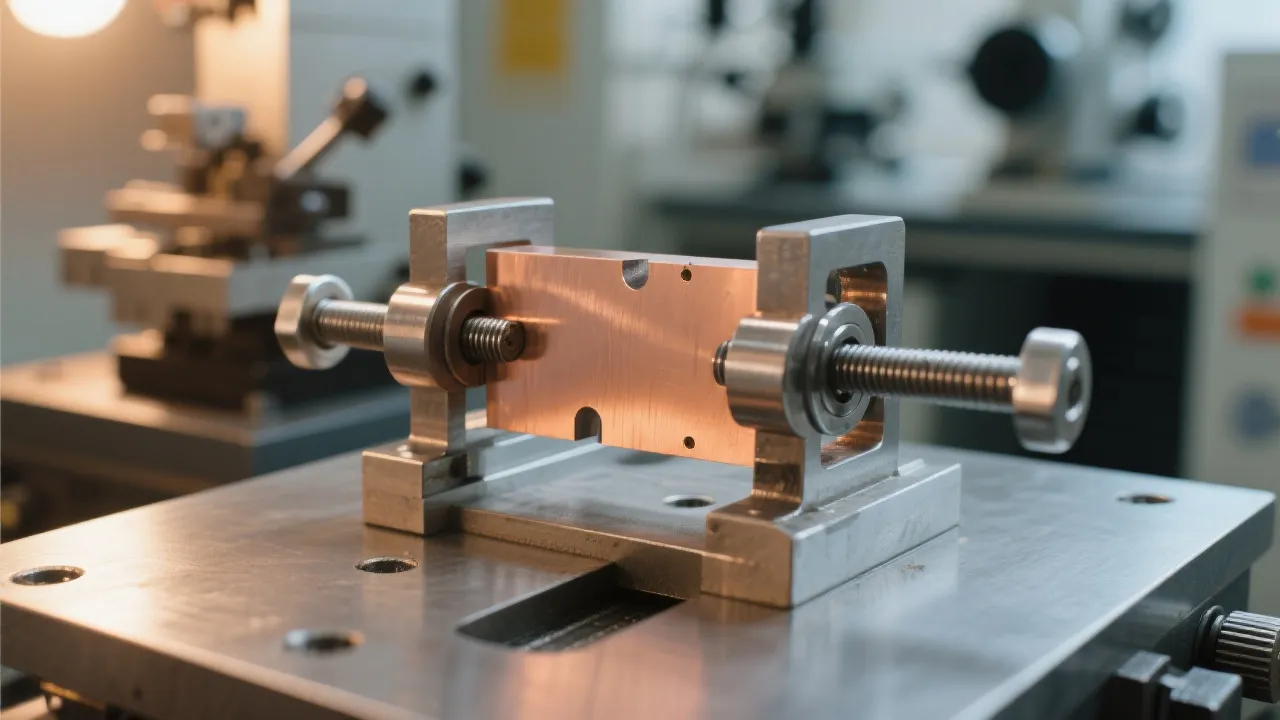
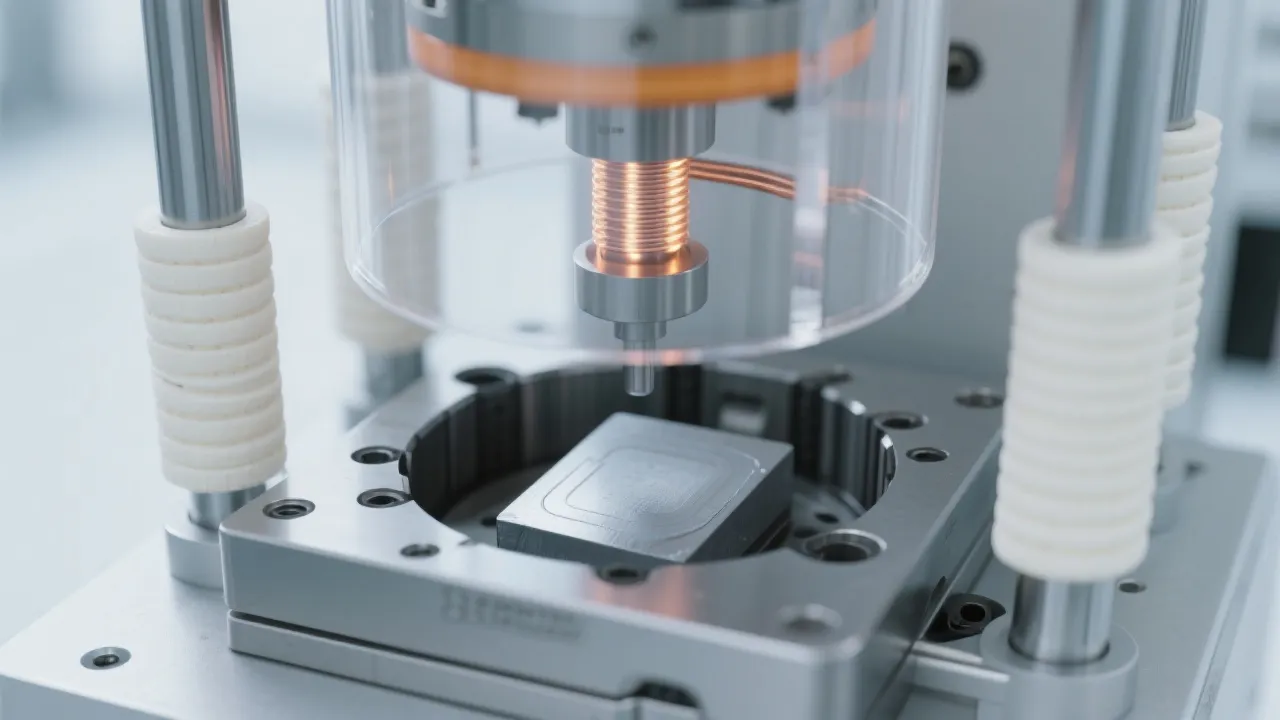
When a sample shifts even slightly during cutting—even by 0.1 mm—it introduces stress concentrations that lead to micro-cracks, distortion, or inaccurate grain structure analysis. According to ASTM E3-13, “the specimen must remain rigidly fixed throughout preparation.” That means using a high-torque vise with adjustable jaws (not just any clamp!) is non-negotiable for consistent results.
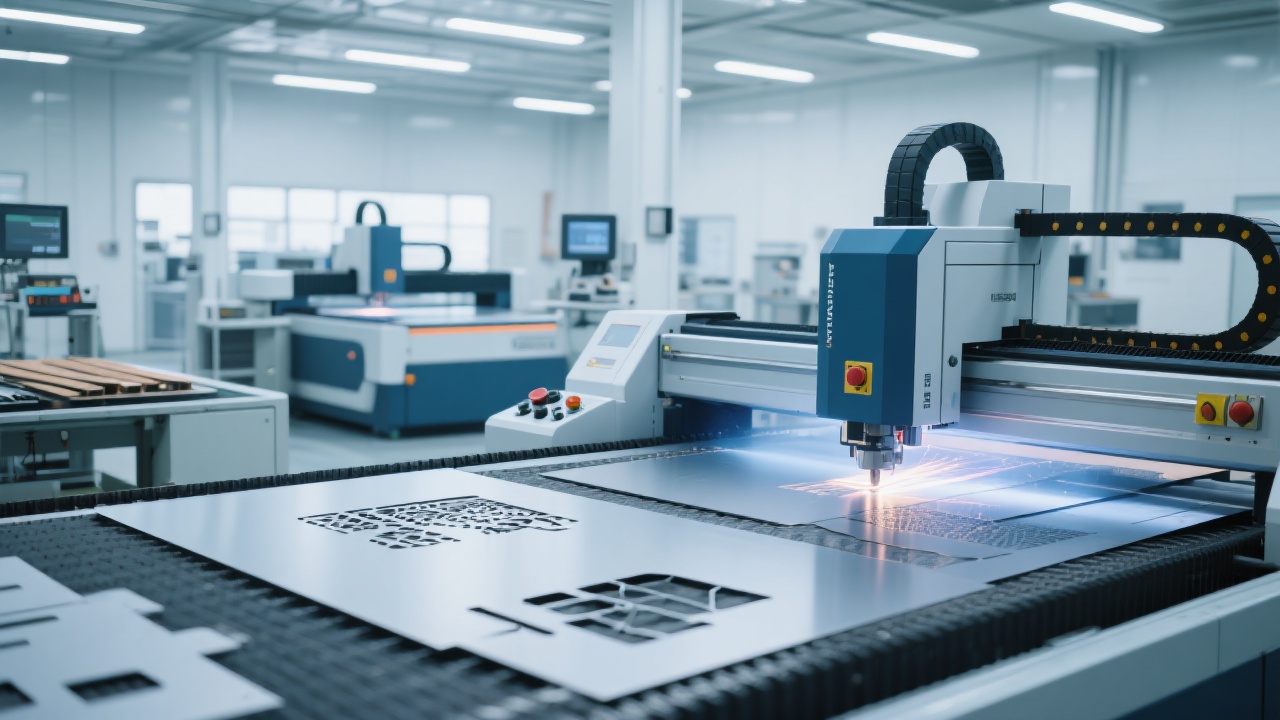
Many operators assume more coolant = better. Wrong. In fact, incorrect flow rate or spray angle increases localized heat buildup by up to 30%, accelerating tool wear and compromising surface integrity. For aluminum alloys, use a low-pressure mist system at 2–3 bar; for stainless steel, switch to a focused jet at 5–6 bar. This small adjustment ensures thermal stability without flooding your workbench.
Pro Tip: Always check the coolant nozzle alignment before each batch. A misaligned spray creates hotspots—especially critical when preparing thin-walled tubes or precision aerospace components.
Aluminum requires gentle feed rates (0.05–0.1 mm/rev) and minimal clamping force to avoid extrusion. Stainless steel? Higher rigidity and faster coolant flow are essential to prevent edge work-hardening. These aren't just recommendations—they're based on decades of industrial best practices used in ISO-certified labs worldwide.
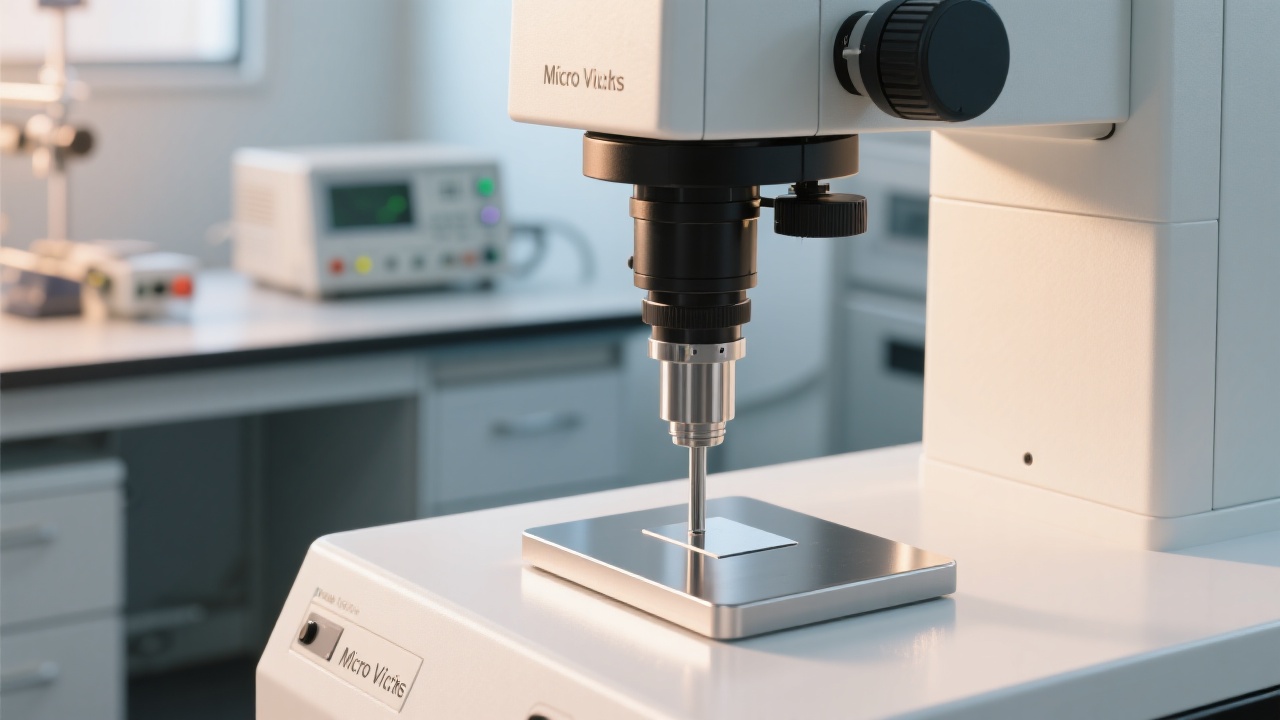
Don’t wait until your next quality audit reveals inconsistent data. Use this checklist now:
Our precision clamping kits and adjustable coolant nozzles help labs reduce variability by over 35%. Whether you're teaching undergrads or running R&D tests, consistency starts here.
Get the Tools That Make Precision Routine 61
|
61
|
 metal microstructure analysis standards
ASTM E3-11 standard
ISO 14104 standard
metallographic image defect identification
inter-laboratory comparison methods
193
|
Metallographic mounting quality detection
ASTM E3 - 11 standard
ISO 3189 specification
Mounting machine quality evaluation
Metallographic sample preparation
308
|
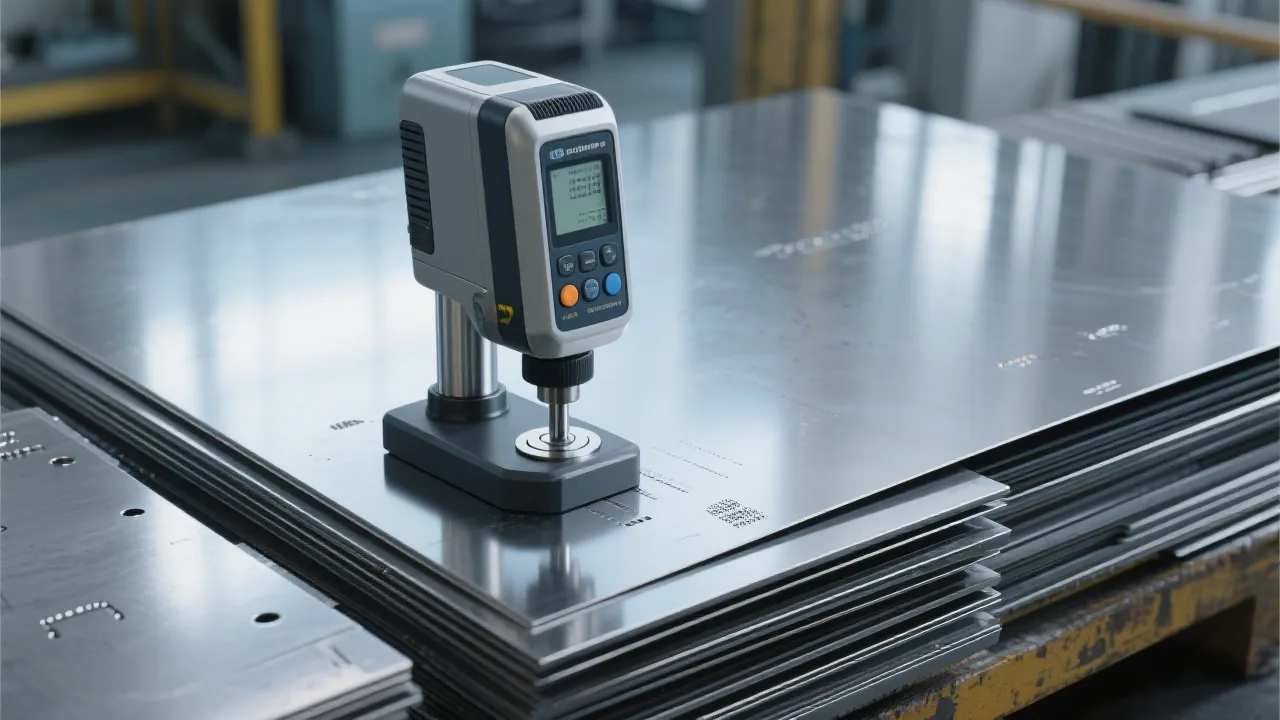
micro Vickers hardness tester
intelligent touch hardness testing
high-precision hardness measurement
mechanical processing hardness
metallurgical research hardness testing
469
|
Metallographic embedding quality detection
ASTM E3 - 11 standard
Metallographic sample quality assessment
Irregular metallographic specimen embedding machine
Embedding defect detection methods
185
|
metal microstructure analysis
ASTM E3 standard
ISO 14104
microscopy best practices
laboratory intercomparison
metal microstructure analysis standards
ASTM E3-11 standard
ISO 14104 standard
metallographic image defect identification
inter-laboratory comparison methods
193
|
Metallographic mounting quality detection
ASTM E3 - 11 standard
ISO 3189 specification
Mounting machine quality evaluation
Metallographic sample preparation
308
|
micro Vickers hardness tester
intelligent touch hardness testing
high-precision hardness measurement
mechanical processing hardness
metallurgical research hardness testing
469
|
Metallographic embedding quality detection
ASTM E3 - 11 standard
Metallographic sample quality assessment
Irregular metallographic specimen embedding machine
Embedding defect detection methods
185
|
metal microstructure analysis
ASTM E3 standard
ISO 14104
microscopy best practices
laboratory intercomparison



Hardness-Tester7MHVS-1000A-1.jpg?x-oss-process=image/resize,m_fill,h_800,w_800/format,webp)

Hardness-TesterHVS-1000A-1.jpg?x-oss-process=image/resize,m_fill,h_800,w_800/format,webp)


