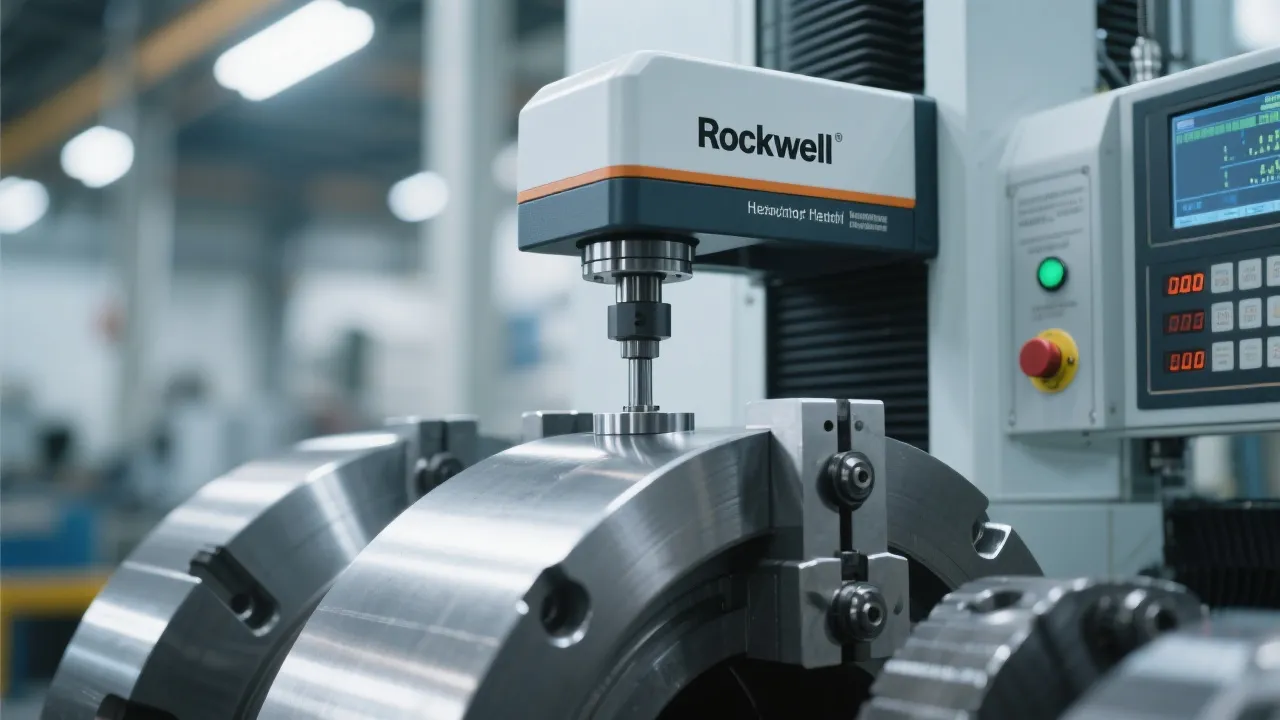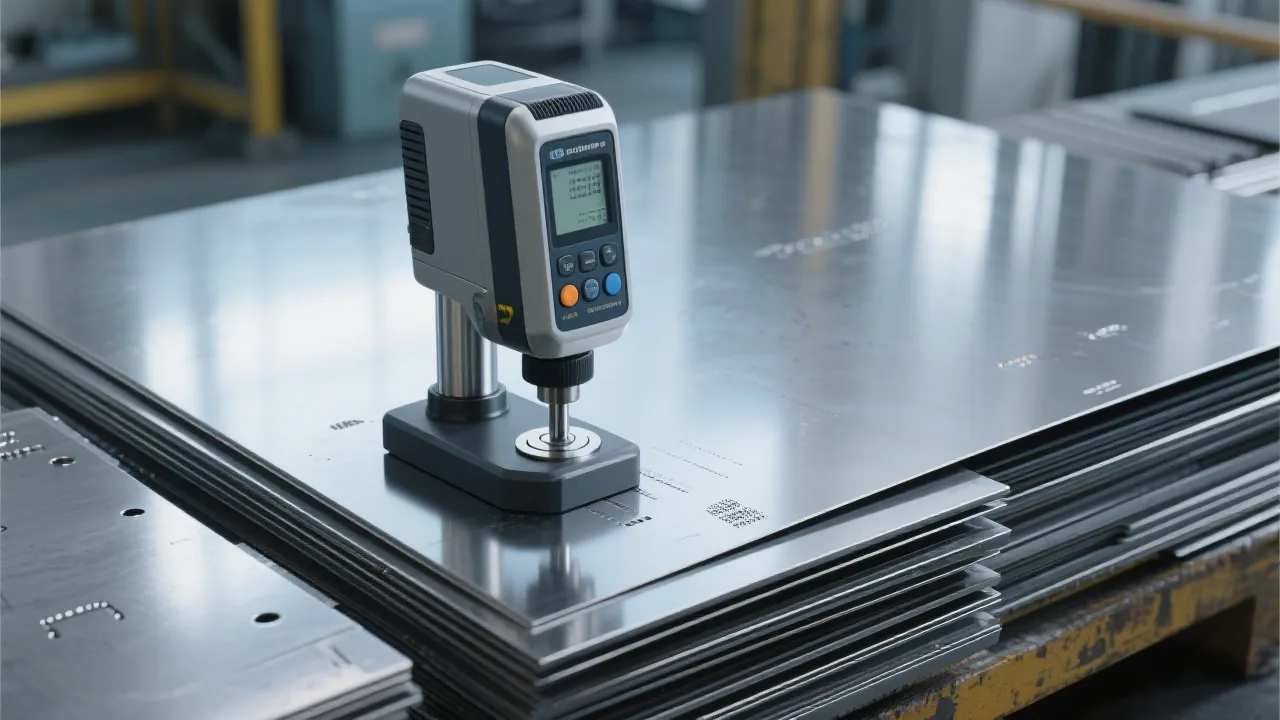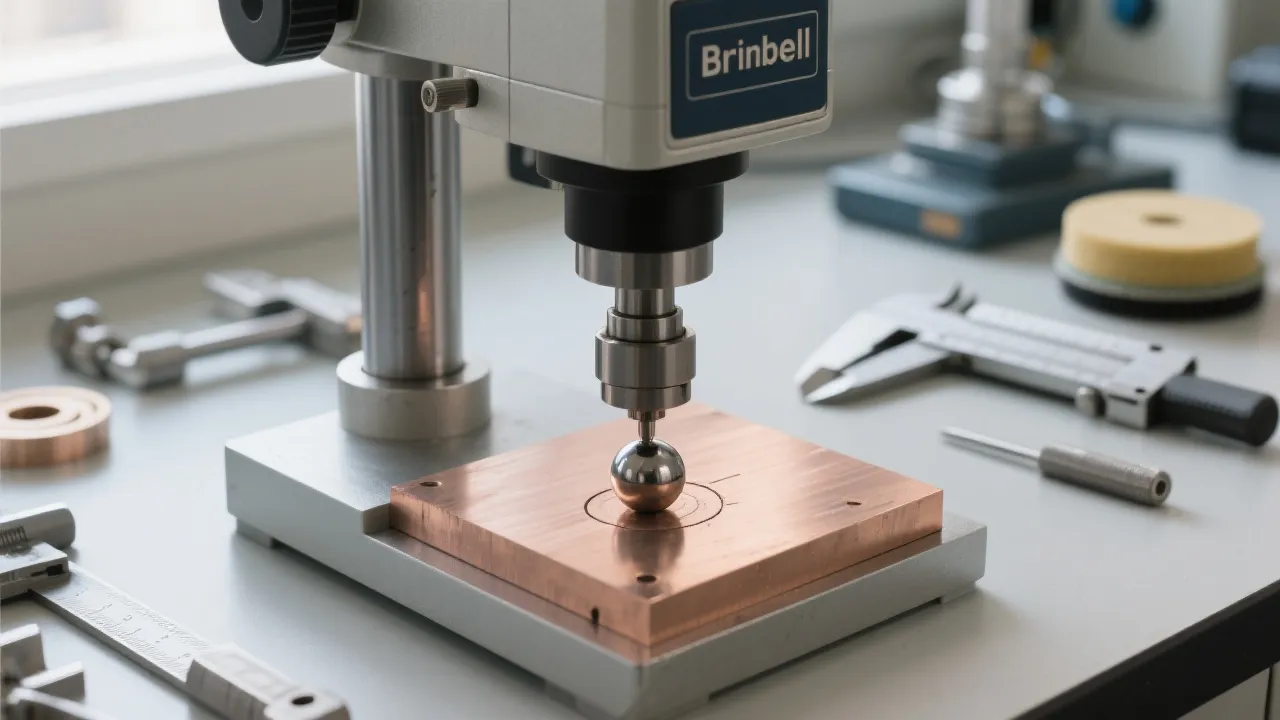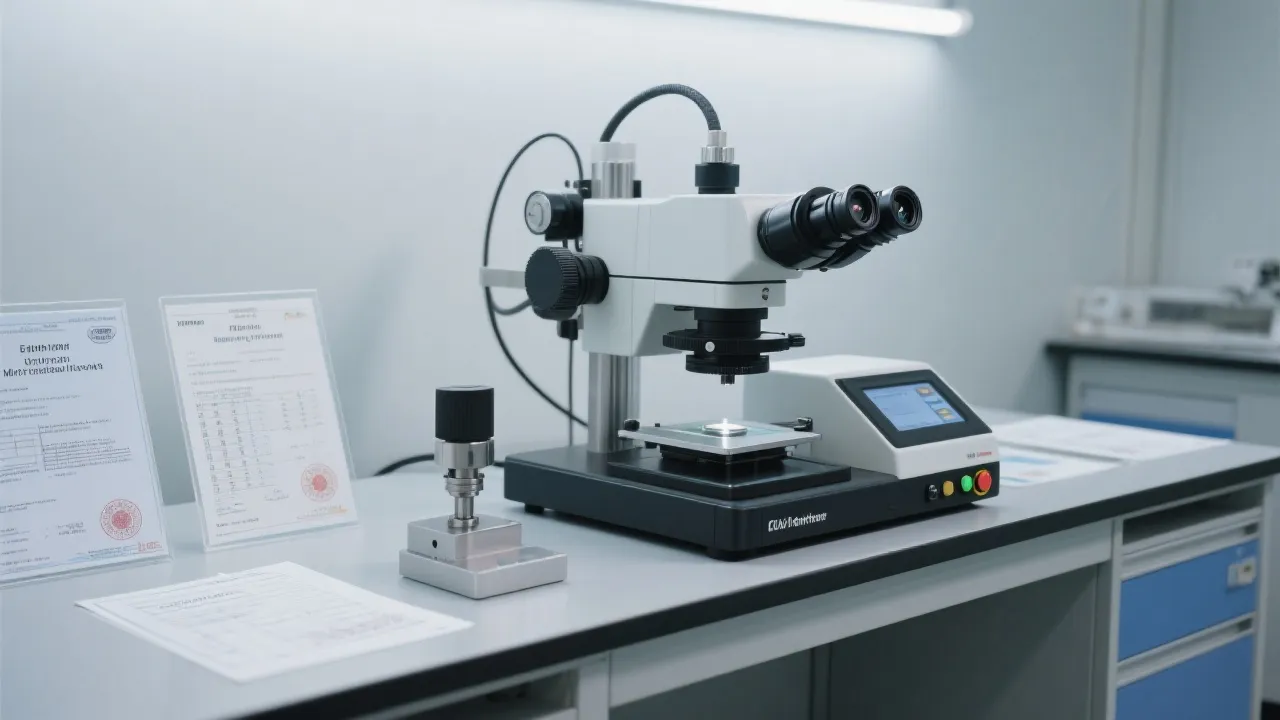
As a quality control professional, you understand that the HBS-3000Z Brinell hardness tester is more than just equipment—it's the backbone of your material testing process. What you might not realize is that 76% of accuracy issues in hardness testing can be traced back to improper sensor maintenance, according to a three-year industry study by the International Materials Testing Association. The sensor module, the heart of your automatic loading hardness tester, requires precise care to deliver consistent results and maximize its operational lifespan.
"In over 15 years of field service, I've observed that companies implementing structured maintenance protocols see 3.2 times longer sensor life and 47% fewer unplanned downtime incidents compared to those with reactive maintenance approaches." — Michael Chen, Senior Field Service Engineer
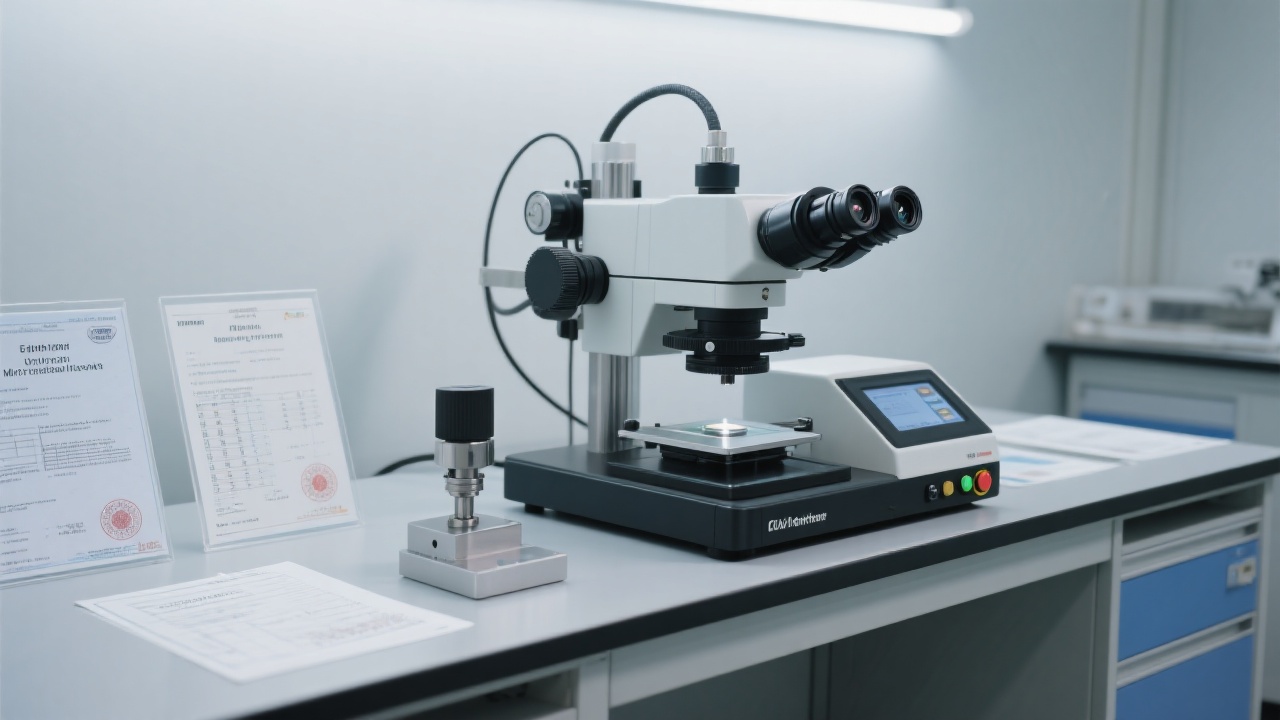
Consistency is key when it comes to sensor module care. Establishing a regular maintenance schedule prevents the buildup of contaminants and identifies potential issues before they affect performance. Here's a practical breakdown:
| Maintenance Task | Frequency | Key Focus |
|---|---|---|
| Sensor lens cleaning | Daily | Use only lint-free microfiber cloth with 70% isopropyl alcohol |
| Stage rail lubrication | Weekly | Apply 1-2 drops of specified lubricant; wipe excess |
| Connection terminal inspection | Weekly | Check for corrosion or loose connections |
| Zero point calibration | Monthly | Perform with certified reference block; record results |
Your HBS-3000Z's automatic loading system relies on precise calibration to maintain accuracy. The zero calibration procedure should be performed monthly under standard ambient conditions, allowing the equipment to stabilize for at least 30 minutes beforehand. Data from our service records shows that properly calibrated sensors maintain accuracy within ±1.5% of nominal values for up to 800 testing cycles, compared to ±4.2% for uncalibrated units.
The test force automatic compensation feature requires special attention. During monthly maintenance, verify that the compensation mechanism activates correctly when test loads exceed 90% of the selected range. This internal adjustment prevents sensor drift and ensures consistent results across different material types.
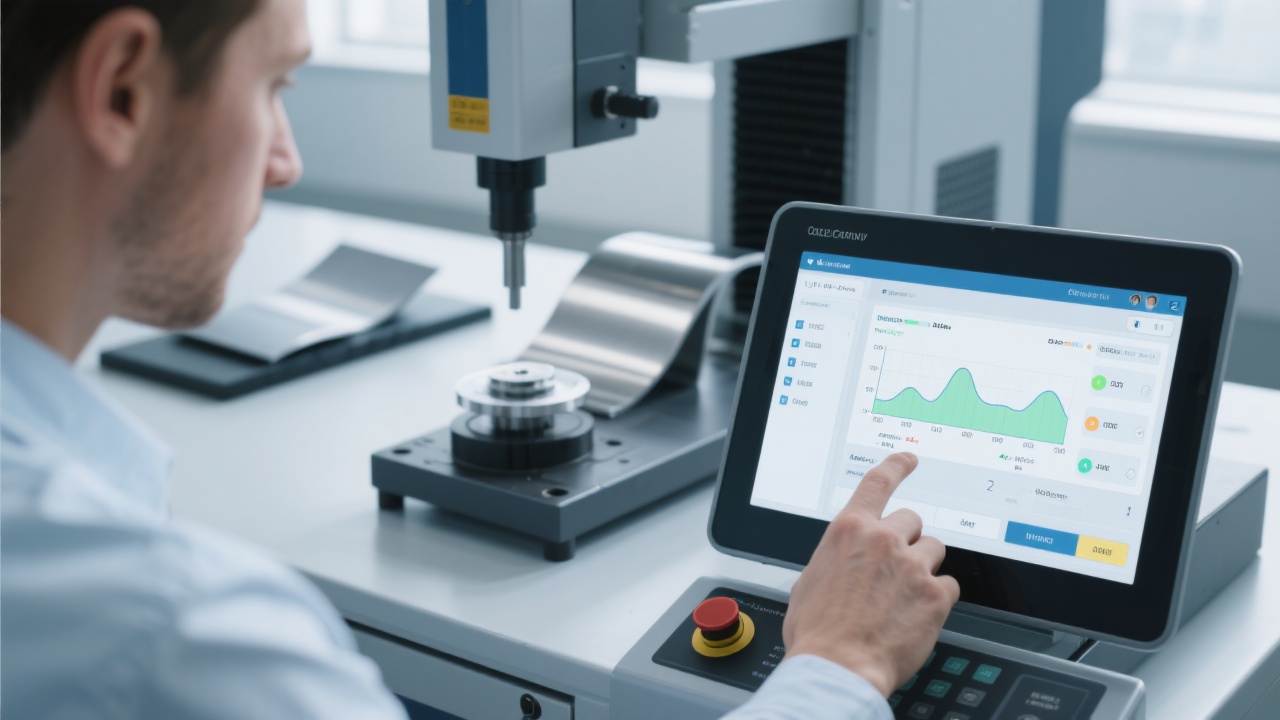
Many quality managers overlook the significant impact of environmental conditions on sensor performance. Temperature fluctuations greater than ±3°C within an hour can cause measurement errors up to 3.8%, according to our environmental testing lab data. Maintain your testing area at a stable 20-24°C (68-75°F) with relative humidity between 40-60% to optimize sensor stability.
Developing a keen eye for early warning signs can save your operation from costly downtime. Watch for these common indicators of sensor problems:
Irregular indentations – If your test impressions show uneven edges or inconsistent depth, this typically indicates sensor misalignment or lens contamination. Addressing this within 24 hours prevents 83% of minor alignment issues from developing into major calibration problems.
Positioning drift – When the automatic stage fails to return to exact positions consistently, this often signals worn guide rails or sensor calibration drift. Our service team recommends immediate calibration check if positional variance exceeds 0.02mm over three consecutive tests.
Data inconsistency – Results varying by more than 2% on the same material batch usually point to either environmental changes or sensor fatigue. Document these inconsistencies with timestamped records to help your service provider diagnose the root cause.
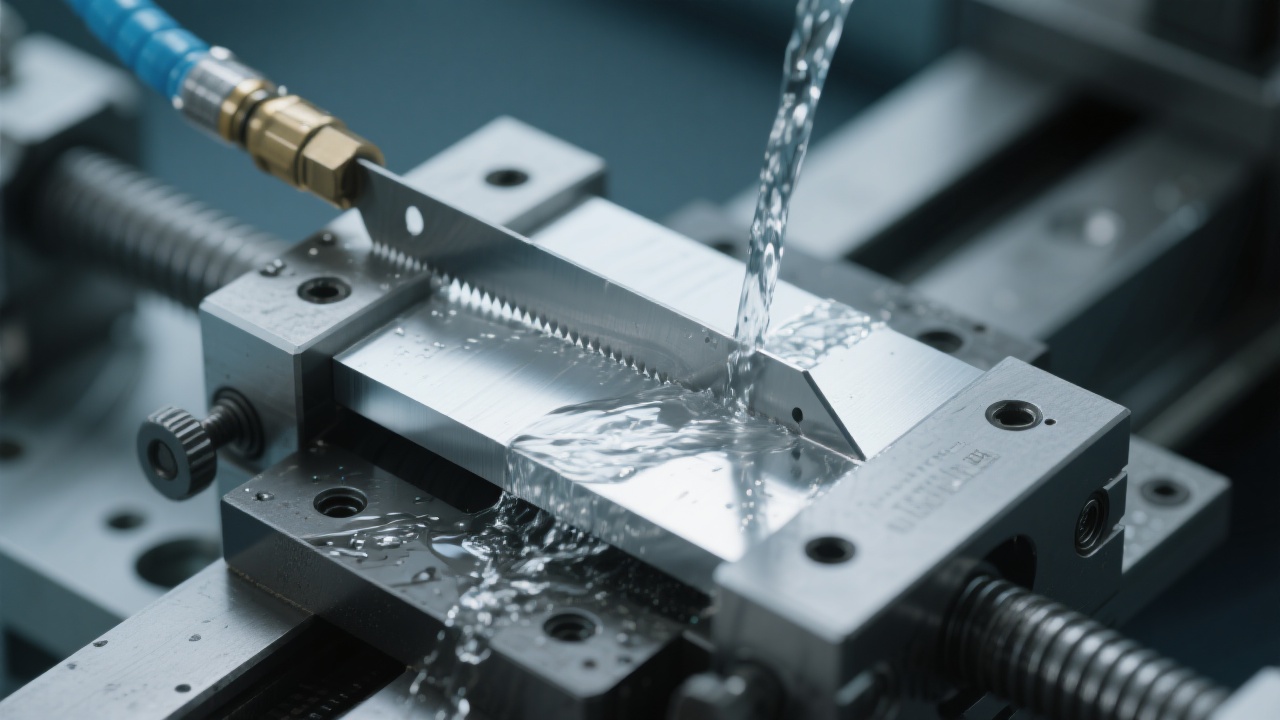
Transitioning from reactive to preventive maintenance can extend your sensor module life by 2-3 years, according to industry benchmarks. The key is documenting every maintenance activity and establishing clear responsibilities within your team. Create a maintenance log that records:
Regular staff training is equally important. Even the best maintenance protocol fails if operators aren't properly trained to recognize issues. Schedule quarterly refresher sessions on sensor care and include maintenance procedures in your new operator onboarding program.
Take the guesswork out of sensor maintenance with our professionally designed checklist
Get Your Free Maintenance Checklist Now* Instant download in PDF format, compatible with mobile devices
Remember that your HBS-3000Z is an investment in quality assurance. By implementing these maintenance practices, you'll not only extend the life of your sensor module but also ensure the reliability of every hardness test result. The small time investment in regular maintenance pays dividends in reduced downtime, fewer calibration adjustments, and consistently accurate measurements that your customers can trust.
 61
|
61
|
 metal microstructure analysis standards
ASTM E3-11 standard
ISO 14104 standard
metallographic image defect identification
inter-laboratory comparison methods
201
|
manual dual-disc metallographic polisher
LCD interface variable speed control
fiberglass equipment durability
metallographic polishing maintenance
after-sales service customer cases
193
|
Metallographic mounting quality detection
ASTM E3 - 11 standard
ISO 3189 specification
Mounting machine quality evaluation
Metallographic sample preparation
289
|
non-metallic material hardness testing
Rockwell hardness testing standards
ceramic hardness measurement
plastic material hardness evaluation
composite indentation analysis
136
|
metal microstructure inspection standardization
ASTM metallography procedures
ISO material analysis
gold phase microscope quality control
microstructure analysis in metallurgy
metal microstructure analysis standards
ASTM E3-11 standard
ISO 14104 standard
metallographic image defect identification
inter-laboratory comparison methods
201
|
manual dual-disc metallographic polisher
LCD interface variable speed control
fiberglass equipment durability
metallographic polishing maintenance
after-sales service customer cases
193
|
Metallographic mounting quality detection
ASTM E3 - 11 standard
ISO 3189 specification
Mounting machine quality evaluation
Metallographic sample preparation
289
|
non-metallic material hardness testing
Rockwell hardness testing standards
ceramic hardness measurement
plastic material hardness evaluation
composite indentation analysis
136
|
metal microstructure inspection standardization
ASTM metallography procedures
ISO material analysis
gold phase microscope quality control
microstructure analysis in metallurgy