
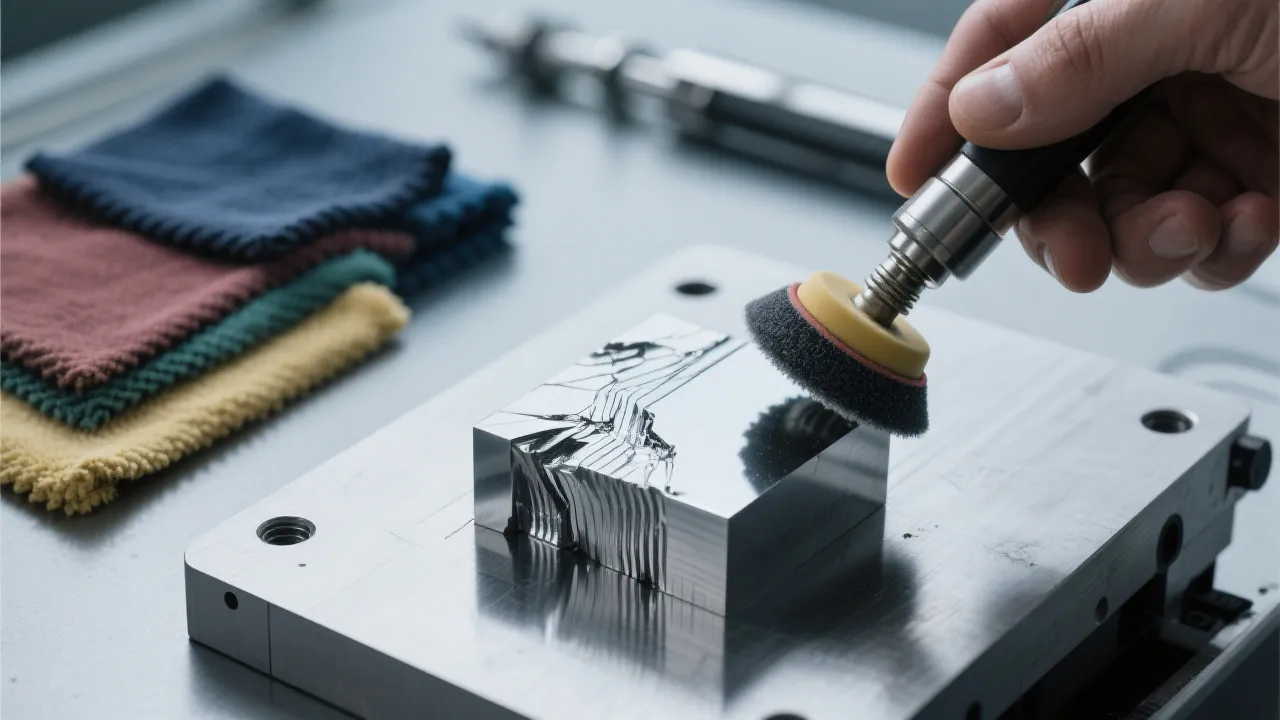
This article delves into the daily maintenance essentials of the Jincheng Brand Brinell Hardness Tester HBS - 3000Z by Laizhou Jincheng Industrial Equipment Co., Ltd. It covers the cleaning frequencies and lubrication points of the sensor module and the automatic turret mechanism. By referencing real - world cases, it analyzes early fault signs and guides users in establishing a scientific and standardized maintenance process.
The sensor module and the turret mechanism are two core components of the HBS - 3000Z Brinell hardness tester. Regular cleaning and lubrication of these components are crucial for the accurate operation of the equipment. For example, in a manufacturing plant in the Midwest of the United States, the improper maintenance of the sensor module in a hardness tester led to inaccurate test results, causing delays in product quality control and production.
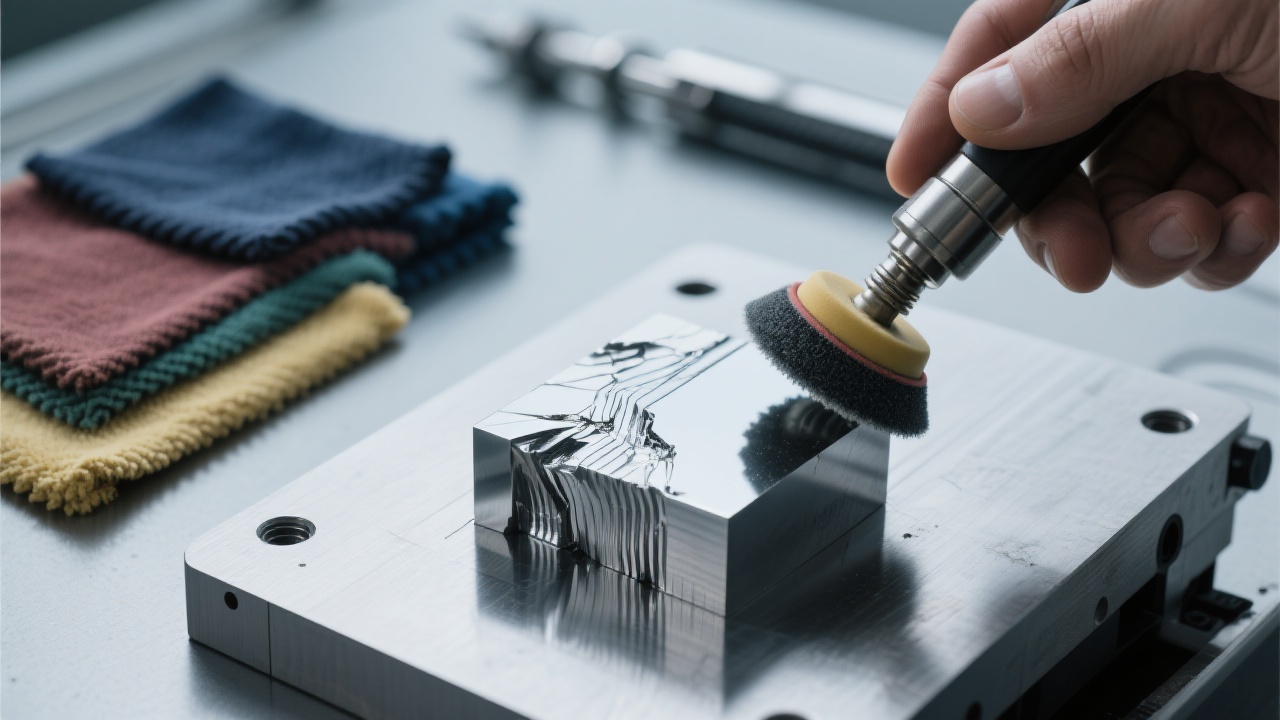
The sensor module should be cleaned at least once a month to prevent dust and debris from affecting its sensitivity. A soft, dry brush can be used for cleaning. When it comes to lubrication, a high - quality lubricant should be applied every three months to ensure smooth operation. The turret mechanism, on the other hand, requires more frequent cleaning, about once every two weeks, due to its mechanical movement. It is recommended to use a non - corrosive solvent for cleaning and lubricate it with a special lubricant every two months.
Based on years of on - site service experience, the automatic loading system and the turret mechanism have their own unique maintenance requirements. The automatic loading system is responsible for applying the correct test force. Any deviation in this system can lead to inaccurate hardness test results. For instance, if the loading speed is not stable, the indentation size will be affected, resulting in incorrect hardness values.
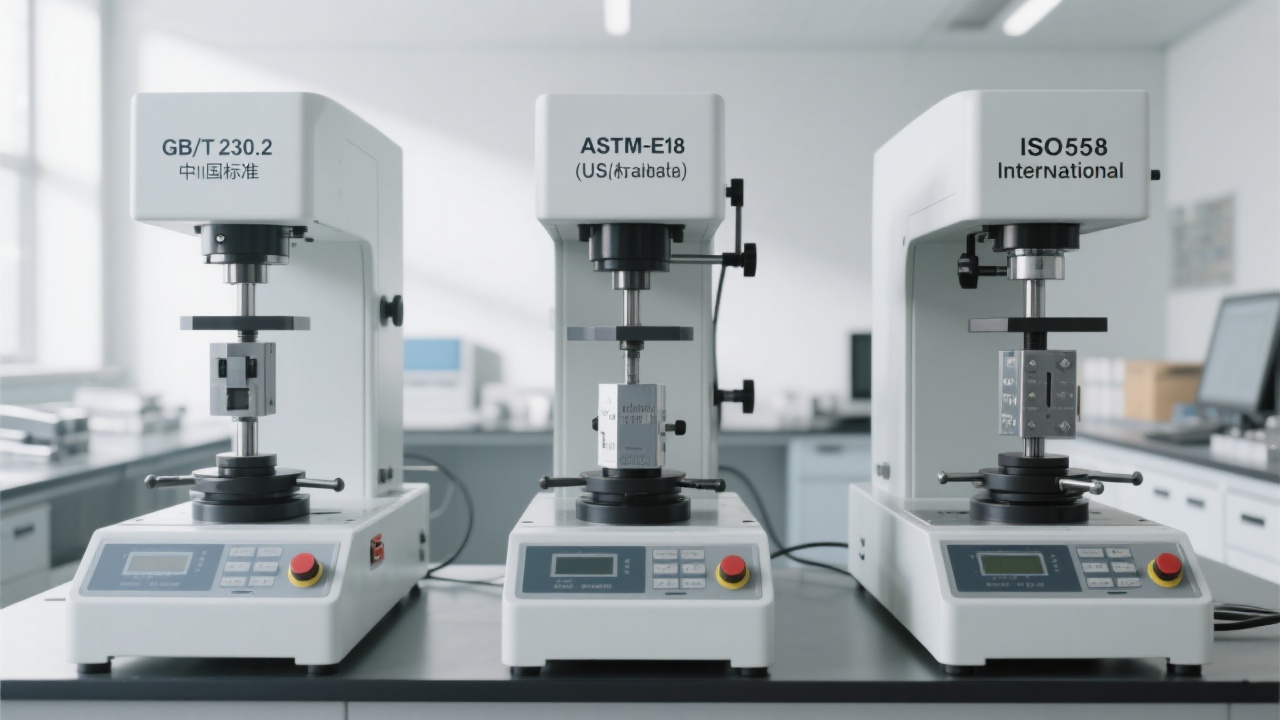
The turret mechanism, which is used to change the indenter and the measuring objective, needs to be checked regularly for its rotation accuracy. A misaligned turret can cause errors in measuring the indentation diameter. To prevent these issues, a preventive maintenance checklist should be established. The checklist should include items such as the inspection of the loading force accuracy (the allowable deviation is within ±1%), the rotation smoothness of the turret, and the cleanliness of the components.
The environment where the hardness tester is placed can significantly impact its performance. High humidity, extreme temperatures, and strong vibrations can all affect the accuracy and stability of the equipment. For example, in a coastal area with high humidity, the metal parts of the hardness tester may rust, which will damage the internal structure of the equipment.
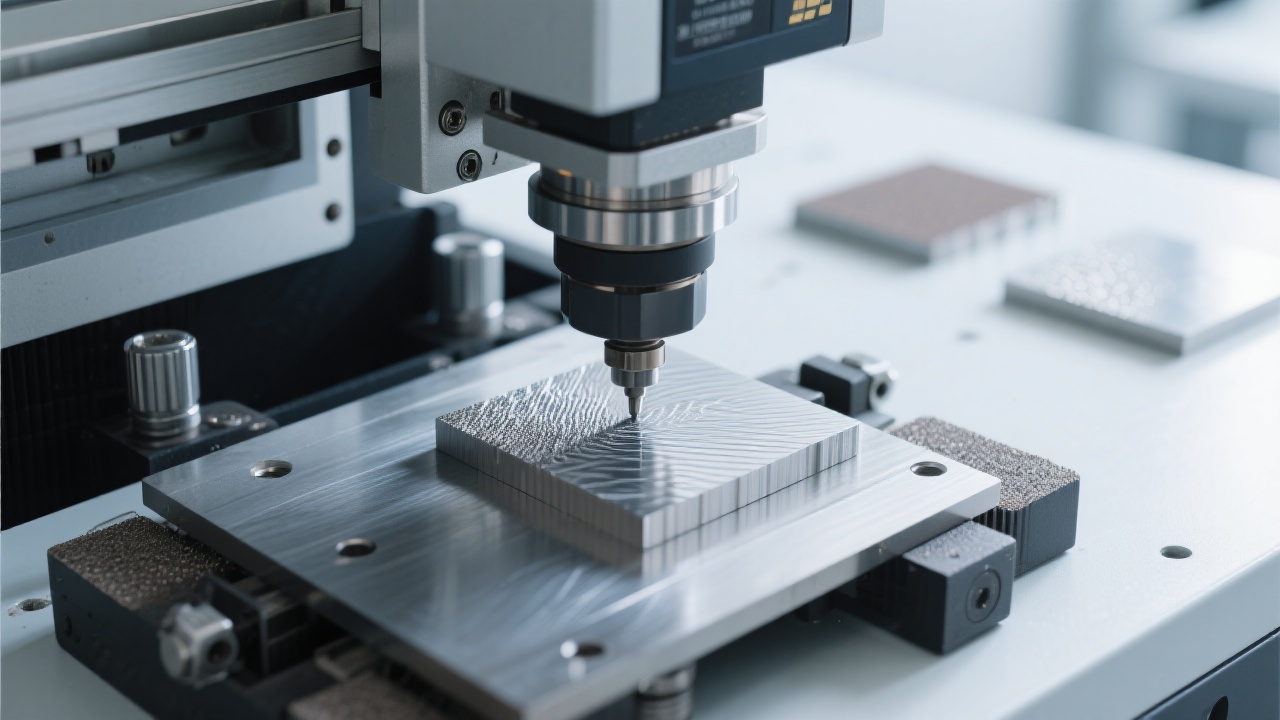
Zero - point calibration is also an important step in maintaining the accuracy of the hardness tester. It should be carried out at least once a week. By performing zero - point calibration, any small errors in the initial state of the equipment can be eliminated, ensuring that the test results are reliable.
| Component | Cleaning Frequency | Lubrication Frequency | Inspection Items |
|---|---|---|---|
| Sensor Module | Once a month | Every three months | Sensitivity, cleanliness |
| Turret Mechanism | Once every two weeks | Every two months | Rotation accuracy, cleanliness |
| Automatic Loading System | Once a month | Every six months | Loading force accuracy, stability |
In conclusion, proper maintenance of the Jincheng Brand HBS - 3000Z Brinell Hardness Tester can extend the equipment's lifespan, ensure accurate test data, reduce equipment downtime, and improve testing efficiency. Don't miss out on the opportunity to optimize your equipment's performance! Download our Equipment Maintenance Self - Check List and book a free remote inspection service now!
 314
|
314
|
 metal sample grinder polisher
metallographic analysis improvement
intelligent grinding equipment
stepless speed control
ASTM ISO compliant polishing machine
193
|
Metallographic mounting quality detection
ASTM E3 - 11 standard
ISO 3189 specification
Mounting machine quality evaluation
Metallographic sample preparation
55
|
Metallographic embedding quality detection
Hardness testing to determine embedding firmness
ASTM E3 - 11 standard
ISO 3189 specification
Metallographic specimen preparation skills
60
|
metal microstructure analysis
standardized microscopy workflow
metallographic microscope
quality control in metallurgy
ASTM metallography standards
185
|
metal microstructure analysis
ASTM E3 standard
ISO 14104
microscopy best practices
laboratory intercomparison
metal sample grinder polisher
metallographic analysis improvement
intelligent grinding equipment
stepless speed control
ASTM ISO compliant polishing machine
193
|
Metallographic mounting quality detection
ASTM E3 - 11 standard
ISO 3189 specification
Mounting machine quality evaluation
Metallographic sample preparation
55
|
Metallographic embedding quality detection
Hardness testing to determine embedding firmness
ASTM E3 - 11 standard
ISO 3189 specification
Metallographic specimen preparation skills
60
|
metal microstructure analysis
standardized microscopy workflow
metallographic microscope
quality control in metallurgy
ASTM metallography standards
185
|
metal microstructure analysis
ASTM E3 standard
ISO 14104
microscopy best practices
laboratory intercomparison






-1.jpg?x-oss-process=image/resize,m_fill,h_800,w_800/format,webp)
Hardness-Tester7MHVS-1000A-1.jpg?x-oss-process=image/resize,m_fill,h_800,w_800/format,webp)


