INDUSTRY INSIGHT | MATERIALS TESTING | QUALITY CONTROL
In today's interconnected global steel trade, quality control has emerged as the critical differentiator that determines market access and competitive advantage. Recent industry reports indicate that over 35% of international steel product disputes stem from inconsistent hardness measurements, leading to an average of 12% revenue loss for manufacturers involved in cross-border transactions. As buyers increasingly demand traceable quality assurance, precision hardness testing under established standards like GB/T 231.2 has become non-negotiable for market entry, particularly in key sectors such as automotive, aerospace, and infrastructure development.
"In the global steel supply chain, a 1% deviation in hardness values can translate to a 15% difference in structural performance, making precise measurement not just a quality issue but a safety imperative." — International Institute of Materials Testing, 2023 Industry Standards Report
International steel procurement has evolved into a complex ecosystem where quality parameters directly impact transaction success. According to data from the World Steel Association, hardness testing represents the single most requested quality verification, appearing in 87% of international steel purchase contracts. This statistic underscores why modern steel producers invest up to 12% of their quality control budget specifically in hardness testing infrastructure.
The consequences of inadequate hardness testing are substantial: a leading Asian steel exporter recently faced a $4.2 million claim when batch testing revealed inconsistent hardness values in critical structural components destined for a European infrastructure project. Such incidents highlight why procurement managers now prioritize suppliers with documented hardness testing protocols that align with both regional and international standards.

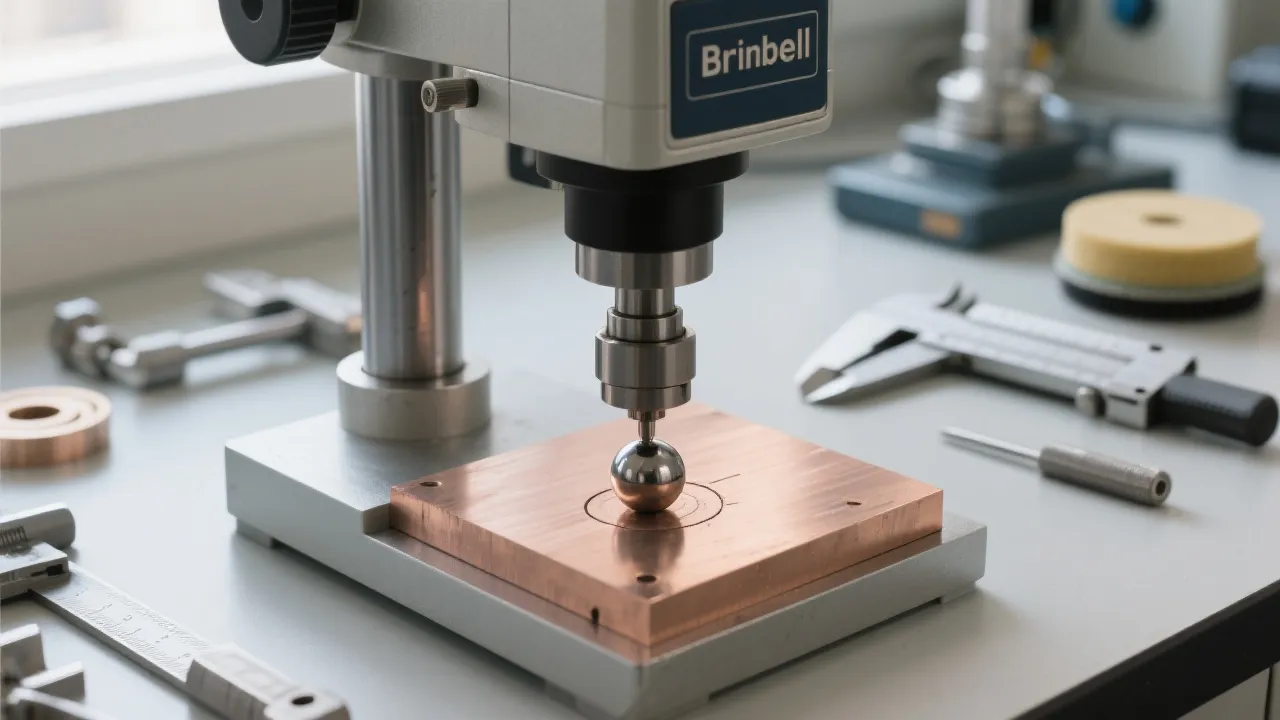
GB/T 231.2 represents China's national standard for Brinell hardness testing, equivalent to ISO 6506-2 and ASTM E10 in international standards frameworks. This technical specification establishes precise methodologies for determining the hardness of metallic materials through indentation testing, with particular relevance for carbon and alloy steels commonly traded globally.
| Parameter | GB/T 231.2 Requirements | Industry Application |
|---|---|---|
| Indenter Diameter | 1mm, 2.5mm, 5mm, 10mm | Adjusts based on material thickness and expected hardness |
| Test Force Range | 9.807N to 29420N | Corresponds to material type and indenter size |
| Dwell Time | 10-15 seconds | Critical for accurate measurement in high-strength steels |
| Measurement Accuracy | ±3% of reading | Meets most international procurement requirements |
For steel manufacturers engaged in international trade, compliance with GB/T 231.2 offers dual advantages: it satisfies the quality documentation requirements of Chinese authorities while demonstrating alignment with global standards. This dual compliance is particularly valuable in Belt and Road Initiative projects, where Chinese engineering standards often serve as the baseline for infrastructure development.
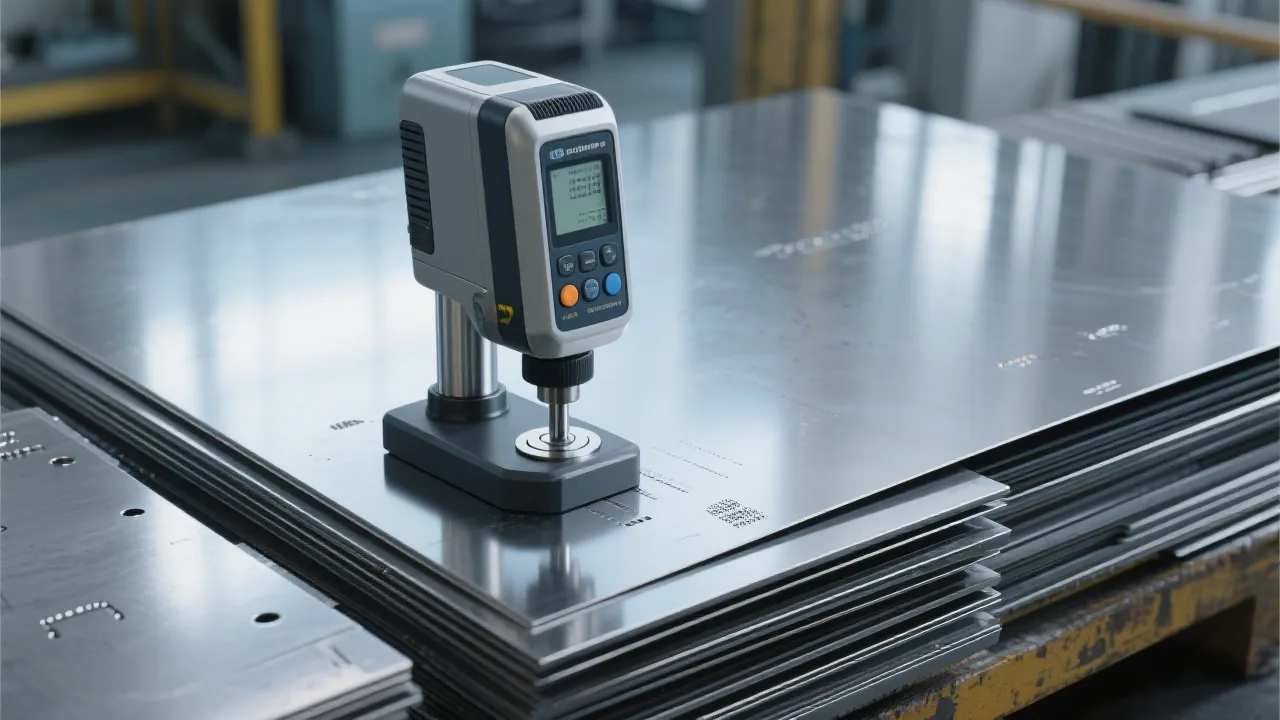
The evolution of portable hardness testing technology has transformed quality control workflows in steel manufacturing. Traditional benchtop testing required sample removal and transportation to laboratories, introducing delays of 24-48 hours in quality verification. Modern portable devices like the HYB-187.5 have eliminated these bottlenecks by enabling on-site testing with laboratory-grade accuracy.

In a recent implementation at a major steel mill in Hebei province, integrating portable Brinell testing reduced quality control bottlenecks by 67% while increasing testing coverage from 15% to 100% of finished products. The HYB-187.5 model, with its precision load cell technology and integrated digital imaging, delivered consistent measurements within ±2% of laboratory results across a range of steel grades from Q235 to high-alloy tool steels.
Global steel industry regulations are undergoing significant transformation, directly impacting hardness testing protocols. The European Union's CE marking requirements now mandate traceable hardness documentation for structural steels used in construction, while the American Petroleum Institute (API) has updated its 5L specification to include more stringent hardness testing for pipeline materials.
China's latest "Made in China 2025" initiative emphasizes quality upgrading, with specific provisions for advanced materials testing. This policy environment has accelerated the adoption of precision testing equipment, with market data showing a 27% year-over-year increase in portable hardness tester purchases among Chinese steel enterprises.
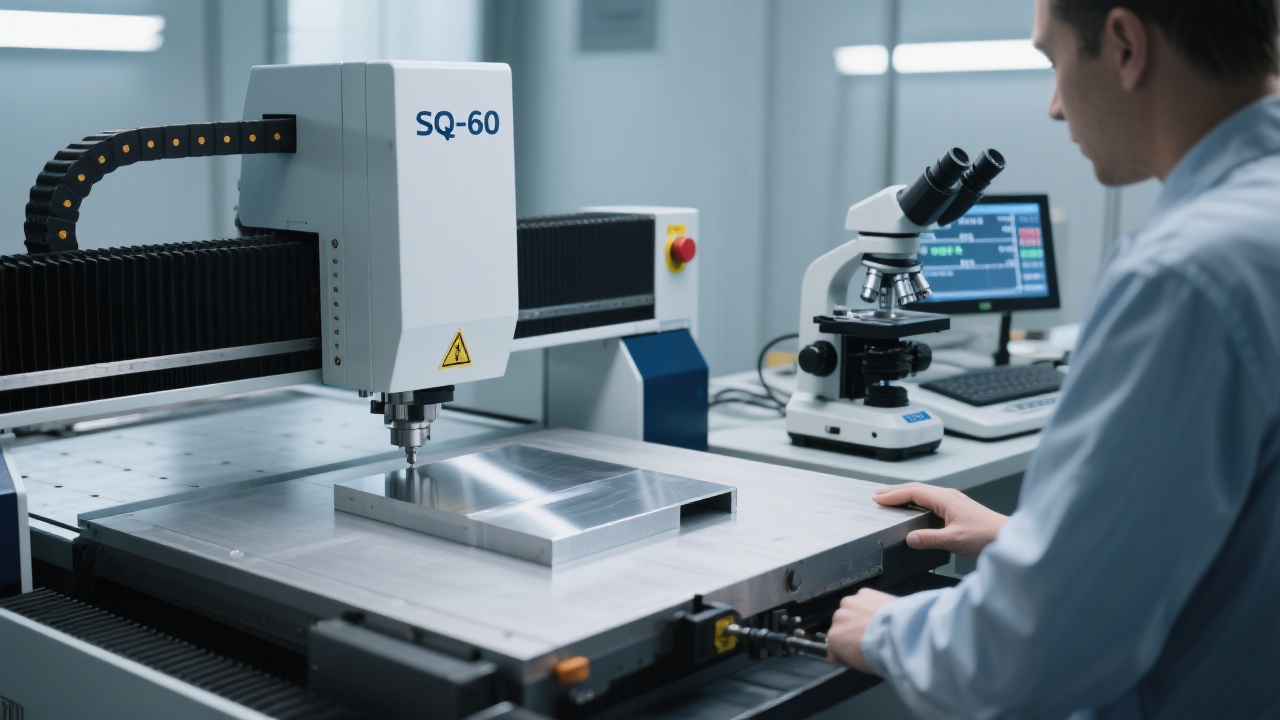
As artificial intelligence and Industry 4.0 technologies reshape manufacturing, hardness testing is evolving beyond simple measurement to become an integrated component of smart quality systems. Forward-thinking steel producers are now implementing connected testing solutions that automatically log results, generate compliance reports, and even predict material performance based on hardness data trends.
For companies looking to strengthen their position in international markets, the selection of hardness testing equipment has become a strategic decision rather than merely a purchasing transaction. The ideal solution must balance laboratory-grade accuracy with field portability, compliance with multiple international standards, and connectivity to broader quality management systems.
Discover how the HYB-187.5 portable Brinell hardness tester can transform your quality control processes, ensure compliance with international standards, and give you a competitive edge in global steel markets.
Evaluate HYB-187.5 for Your Quality Control NeedsManufacturers that proactively upgrade their hardness testing capabilities are positioning themselves to capture growing demand in quality-sensitive sectors. With international steel trade projected to grow by 4.3% annually through 2027, according to the World Trade Organization, the companies that can consistently demonstrate compliance with global quality standards will be best positioned to capitalize on emerging opportunities.
The integration of advanced hardness testing technology represents more than just a quality control upgrade—it's an investment in market access, brand reputation, and long-term business resilience in an increasingly competitive global marketplace.
 377
|
377
|
 metal sample cutting precision
clamping stability in metallography
cooling efficiency in metal cutting
ASTM E3-13 standard
metallographic sample preparation
425
|
metallographic polishing machine maintenance
preventive maintenance checklist
equipment lifespan extension
industrial lab equipment保养
grinding disc cleaning
42
|
metallographic sample preparation mistakes
polishing surface roughness
metallographic polishing tips
manual grinding and polishing machine
metallography process optimization
170
|
metallographic image analysis
heat treatment quality control
microstructure defect identification
ASTM E3-11 standard
metallography software application
469
|
Metallographic embedding quality detection
ASTM E3 - 11 standard
Metallographic sample quality assessment
Irregular metallographic specimen embedding machine
Embedding defect detection methods
metal sample cutting precision
clamping stability in metallography
cooling efficiency in metal cutting
ASTM E3-13 standard
metallographic sample preparation
425
|
metallographic polishing machine maintenance
preventive maintenance checklist
equipment lifespan extension
industrial lab equipment保养
grinding disc cleaning
42
|
metallographic sample preparation mistakes
polishing surface roughness
metallographic polishing tips
manual grinding and polishing machine
metallography process optimization
170
|
metallographic image analysis
heat treatment quality control
microstructure defect identification
ASTM E3-11 standard
metallography software application
469
|
Metallographic embedding quality detection
ASTM E3 - 11 standard
Metallographic sample quality assessment
Irregular metallographic specimen embedding machine
Embedding defect detection methods