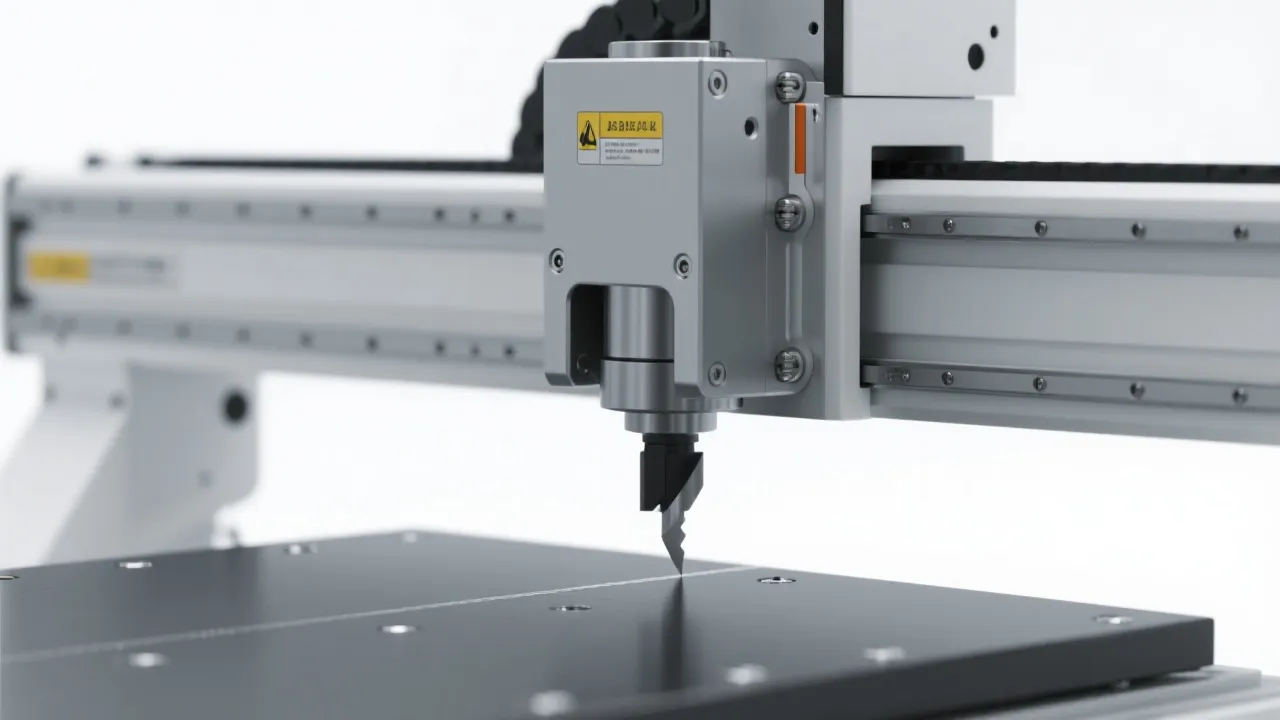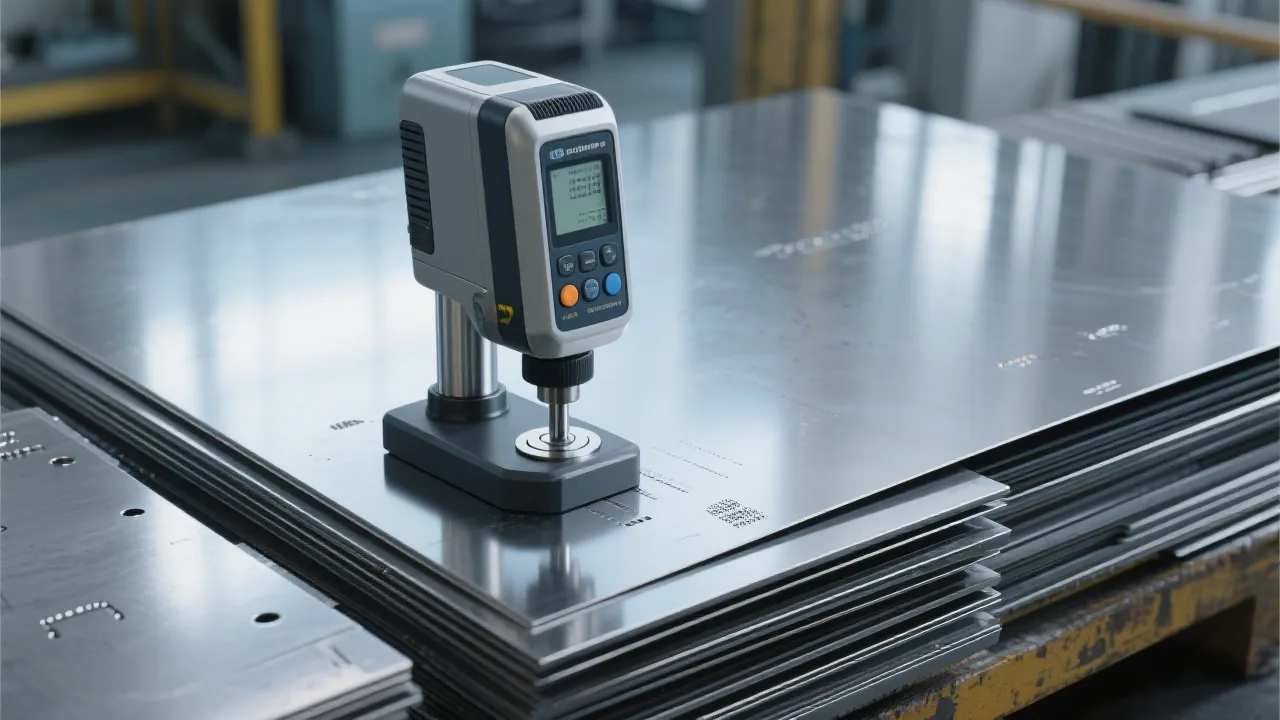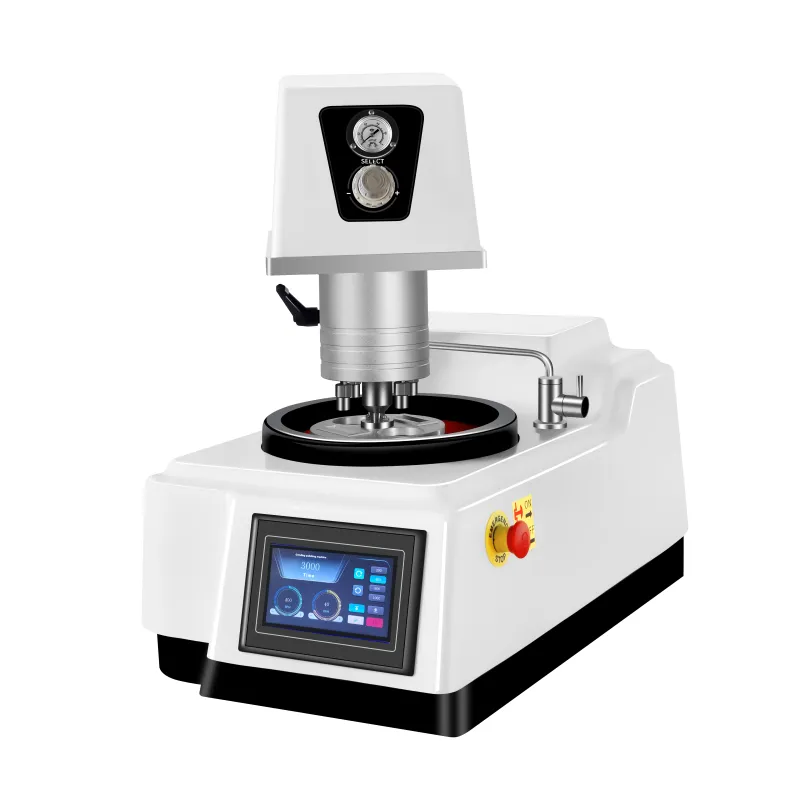
For manufacturers and quality managers using export-grade Brinell hardness testers like the Jincheng HBS-3000Z, long-term performance isn’t just about initial accuracy—it’s about consistent, predictable operation under real-world conditions. In fact, over 70% of unplanned downtime in precision testing equipment stems from preventable maintenance oversights (based on industry data from ISO/TC 137). Let’s break down what you need to do—not just once, but systematically—to keep your machine running smoothly for years.
Sensor Module Cleaning: Dust or oil residue on the sensor can cause false readings. Clean every 30 operating hours—or weekly if used in dusty environments. Use only lint-free cloths and isopropyl alcohol (not water). A single missed cleaning cycle has led to inconsistent indentation measurements in a case study at a German automotive supplier—costing €12k in rework.

Rotary Table Lubrication: The turret mechanism should be lubricated every 500 cycles or monthly. Use a light mineral oil (like ISO VG 68) specifically designed for precision instruments—not grease. Over-lubrication causes contamination; under-lubrication leads to positioning drift—a common issue seen in labs where operators skip this step due to time pressure.
Zero Point Calibration: Perform this check weekly—or after any mechanical adjustment. A misaligned zero point can result in ±0.5 HBW error, which may violate customer specs in aerospace or medical device manufacturing. Keep a logbook with date, operator, and reading—this builds traceability and trust during audits.
Environmental Conditions: Ideal room temperature: 20–25°C. Humidity must stay below 70%. High humidity increases condensation risk inside electronics; high heat accelerates wear on load springs. One factory in Dubai reported 3x more calibration failures when humidity exceeded 75%—even with air conditioning.
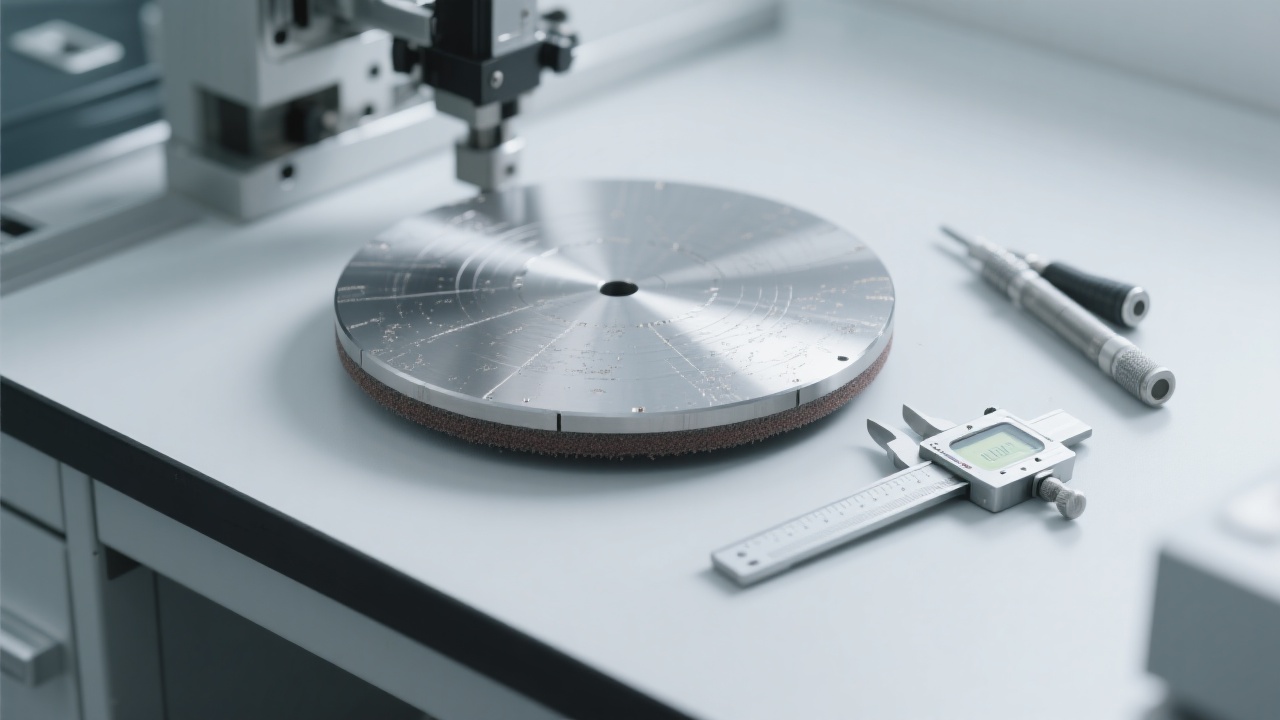
Pro tip: If your facility operates in extreme conditions—such as hot workshops or humid coastal areas—adjust your schedule accordingly. For example, increase sensor checks to bi-weekly in high-dust zones. Document everything. This isn’t just good practice—it’s how top-tier OEMs maintain compliance and reduce warranty claims.
Whether you're managing one unit or 50 across multiple sites, standardizing maintenance is the fastest way to improve uptime, reduce costs, and build confidence among your internal users and external clients.
Download our free Equipment Maintenance Checklist (PDF)—complete with daily, weekly, and monthly tasks tailored to export-grade hardness testers like the HBS-3000Z.
📥 Download Your Free PDF Now 201
|
201
|
 manual dual-disc metallographic polisher
LCD interface variable speed control
fiberglass equipment durability
metallographic polishing maintenance
after-sales service customer cases
308
|
micro Vickers hardness tester
intelligent touch hardness testing
high-precision hardness measurement
mechanical processing hardness
metallurgical research hardness testing
60
|
metal microstructure analysis
standardized microscopy workflow
metallographic microscope
quality control in metallurgy
ASTM metallography standards
346
|
metallographic sample mounting quality
ASTM E3-11 standard
ISO 3189 specification
sample mounting defects
metallography quality control
469
|
Metallographic embedding quality detection
ASTM E3 - 11 standard
Metallographic sample quality assessment
Irregular metallographic specimen embedding machine
Embedding defect detection methods
manual dual-disc metallographic polisher
LCD interface variable speed control
fiberglass equipment durability
metallographic polishing maintenance
after-sales service customer cases
308
|
micro Vickers hardness tester
intelligent touch hardness testing
high-precision hardness measurement
mechanical processing hardness
metallurgical research hardness testing
60
|
metal microstructure analysis
standardized microscopy workflow
metallographic microscope
quality control in metallurgy
ASTM metallography standards
346
|
metallographic sample mounting quality
ASTM E3-11 standard
ISO 3189 specification
sample mounting defects
metallography quality control
469
|
Metallographic embedding quality detection
ASTM E3 - 11 standard
Metallographic sample quality assessment
Irregular metallographic specimen embedding machine
Embedding defect detection methods