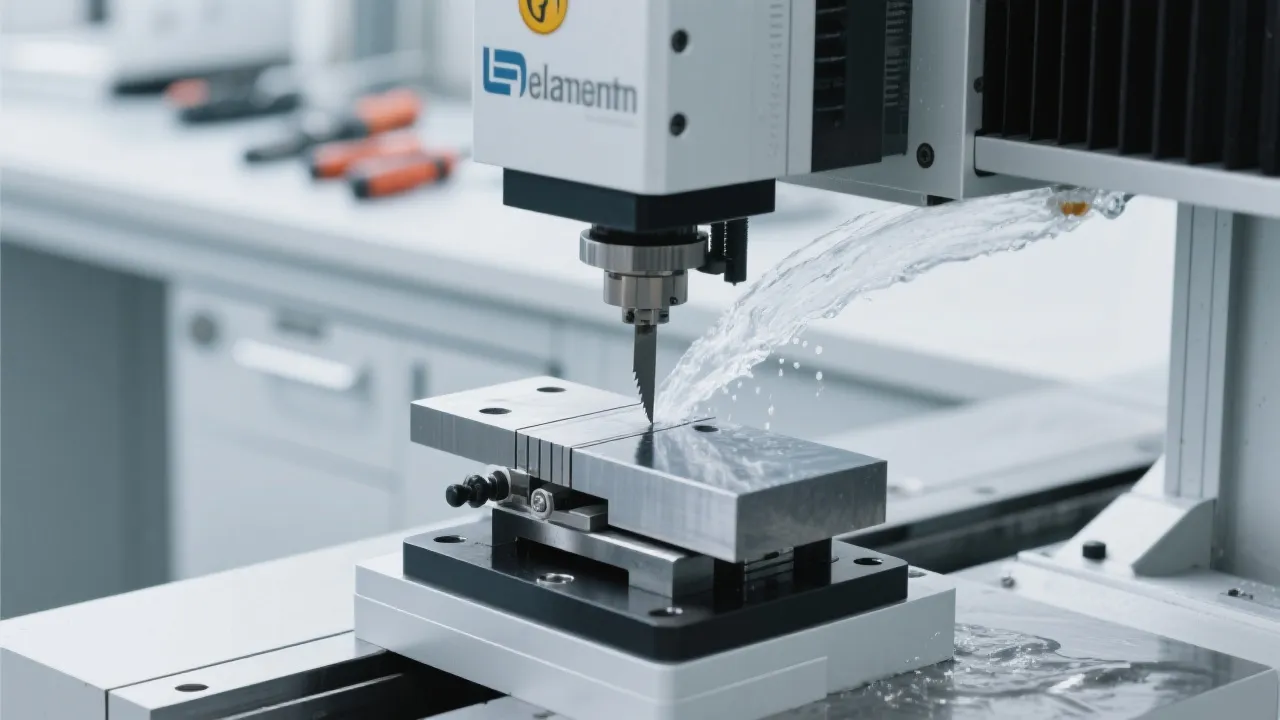
In the field of metallographic sample preparation, ensuring the firmness of inlay is crucial for the accuracy of subsequent analysis. This article will delve into how to judge the firmness of metallographic inlay through hardness testing and provide practical skills for quality control in metallographic sample preparation.
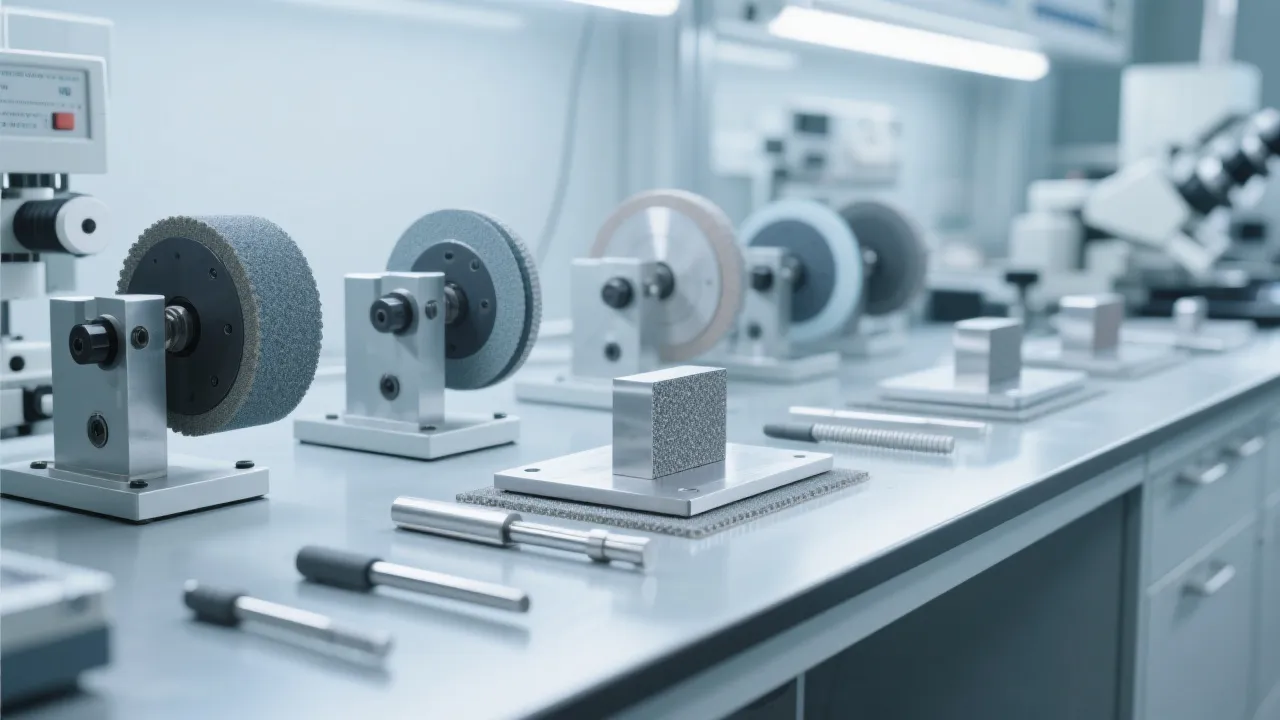
Metallographic inlay quality directly affects the stability of sample preparation and the accuracy of subsequent analysis. Defects such as bubbles and cracks in the inlay can lead to inaccurate test results. Therefore, strict quality control of metallographic inlay is essential. International standards such as ASTM E3 - 11 and ISO 3189 provide guidelines for ensuring the quality of metallographic inlay.
Visual observation is the simplest and most direct method. By visually inspecting the inlay, you can quickly identify obvious defects such as bubbles and cracks. According to ASTM E3 - 11 and ISO 3189, the surface of the inlay should be smooth and free of visible defects. For example, if there are large bubbles on the surface of the inlay, it indicates that the inlay process may have problems.
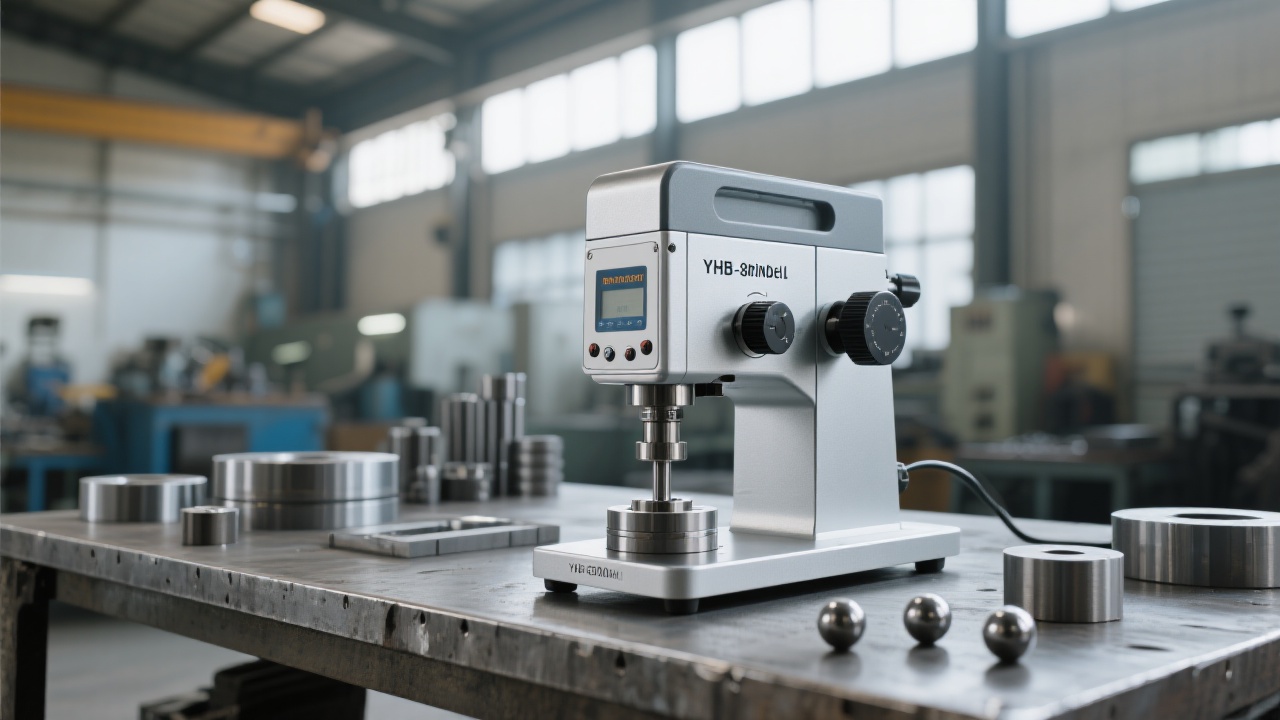
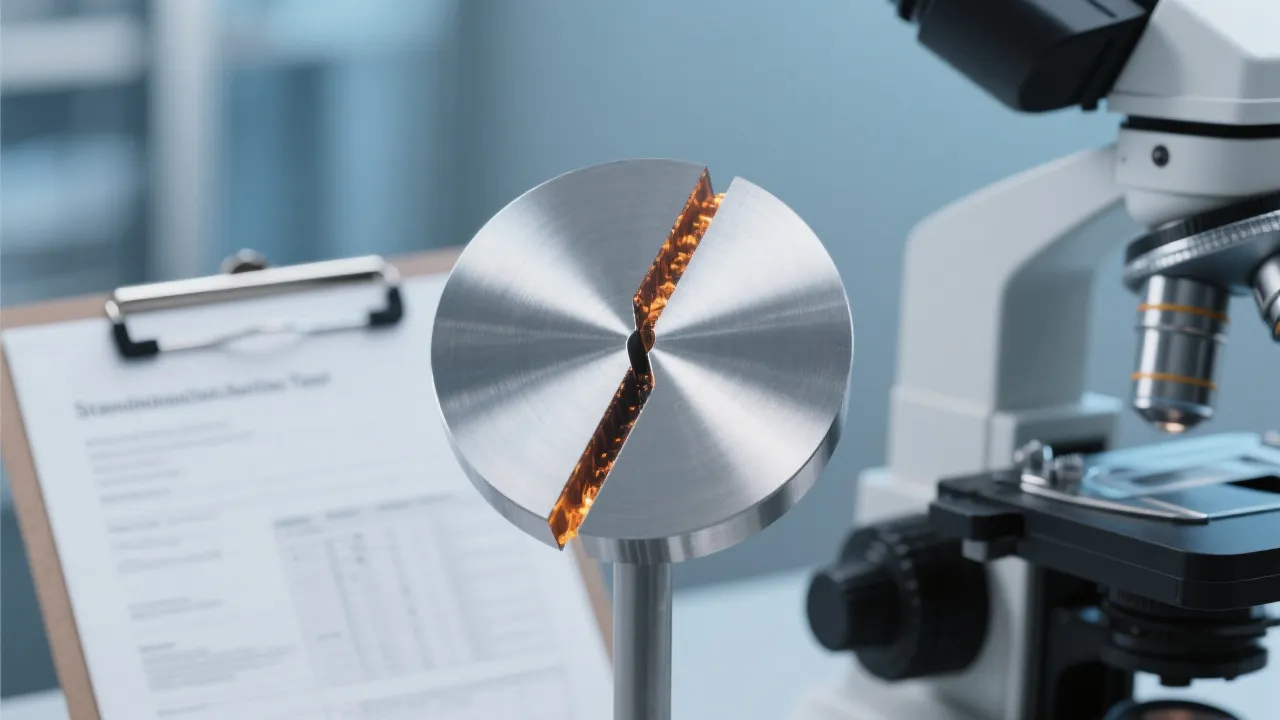
Edge integrity assessment is another important method. The integrity of the edge of the inlay reflects the bonding strength between the inlay material and the sample. A well - inlaid sample should have a complete and smooth edge. You can use a microscope to observe the edge of the inlay. If there are signs of peeling or chipping at the edge, it means that the inlay is not firm enough.
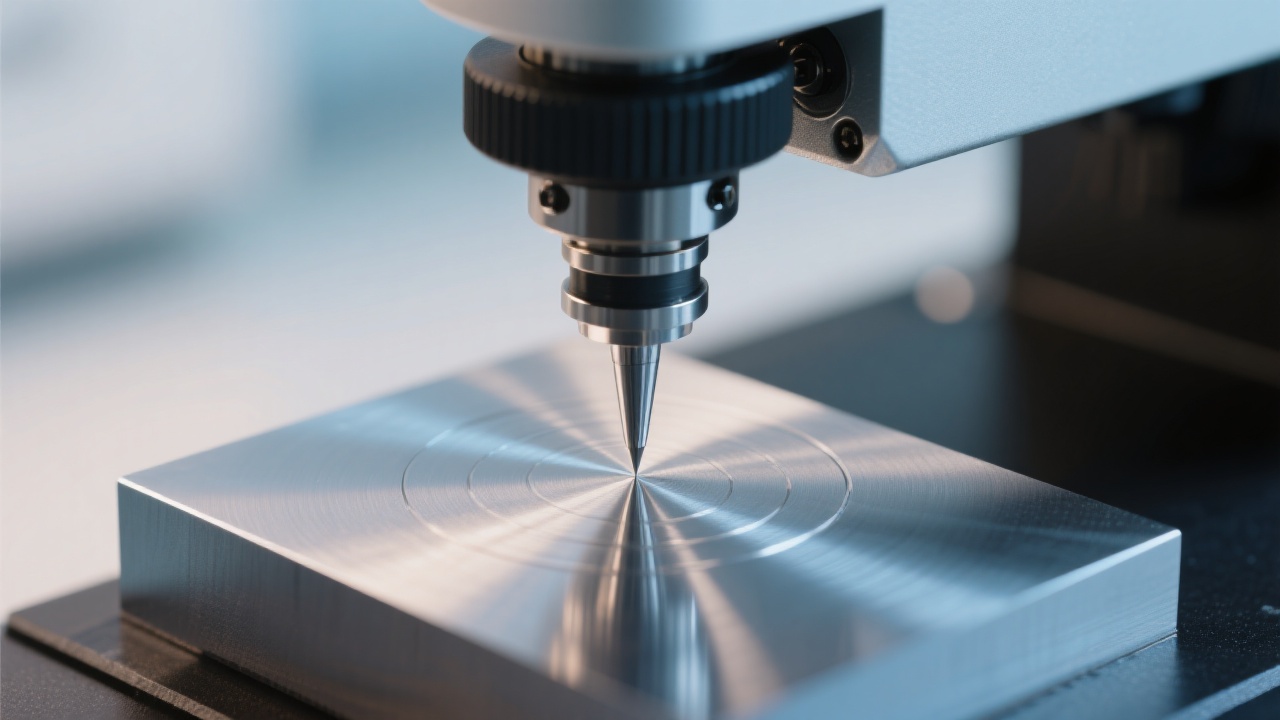
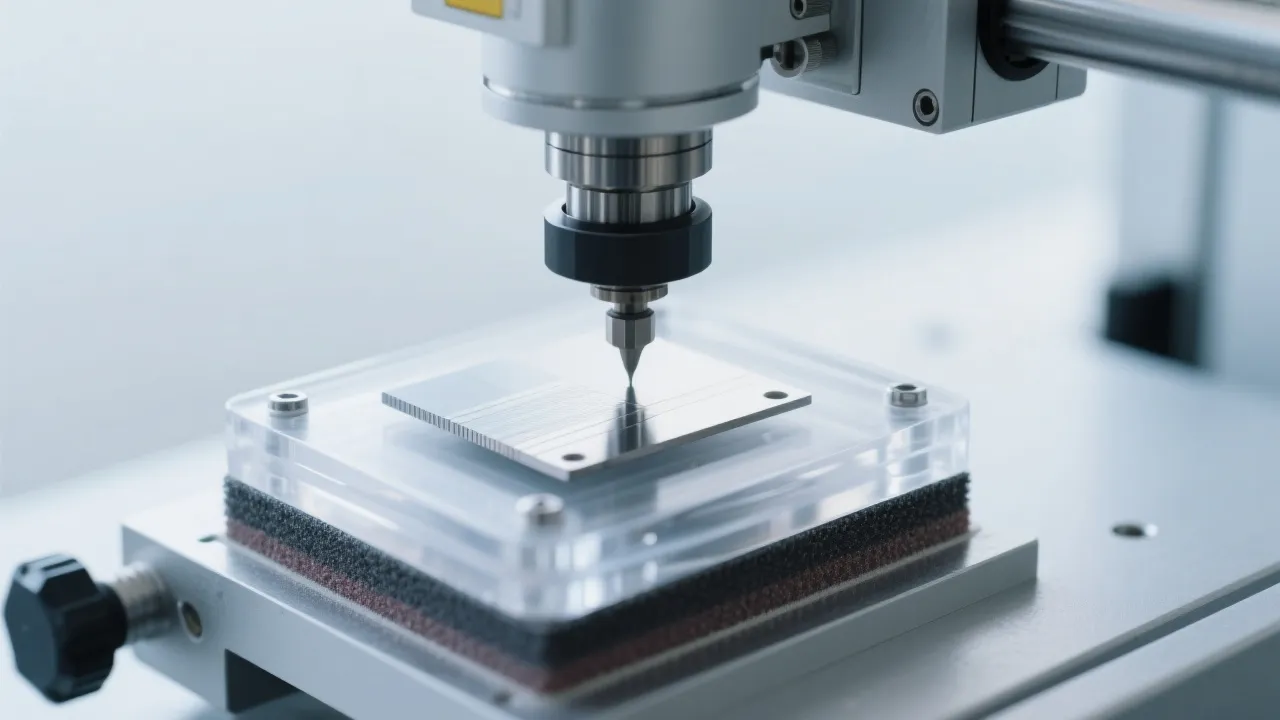
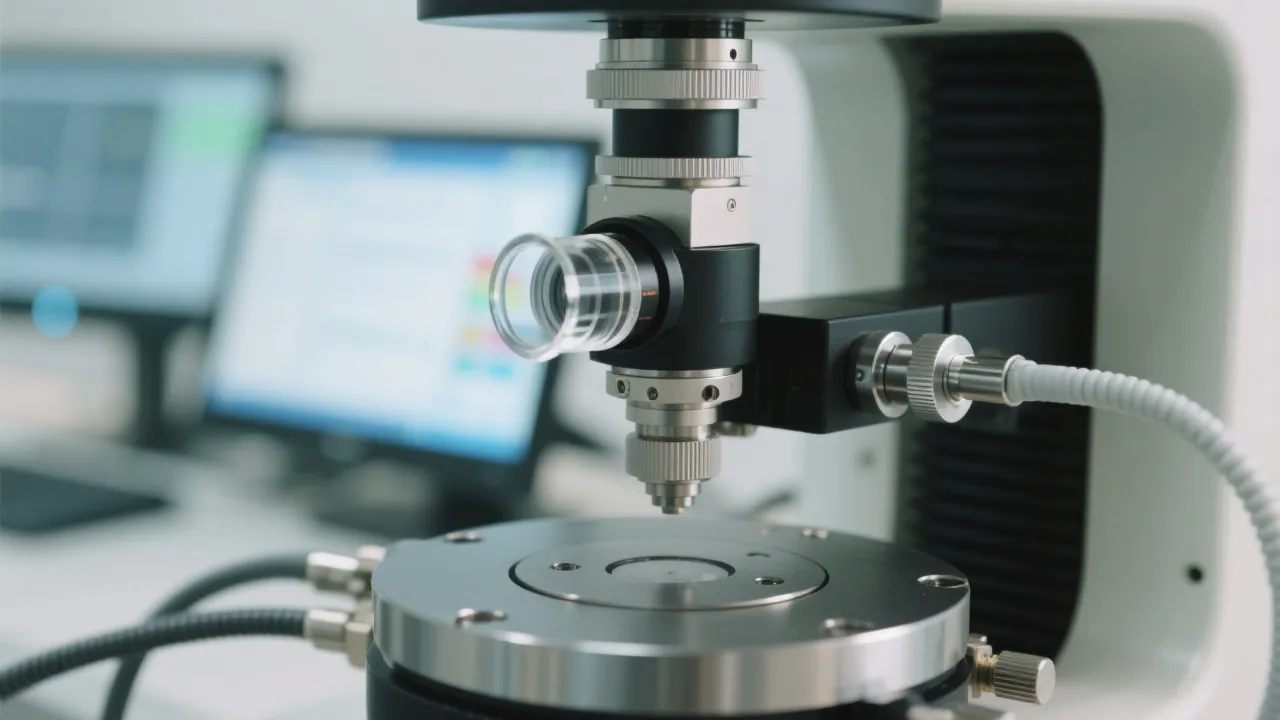
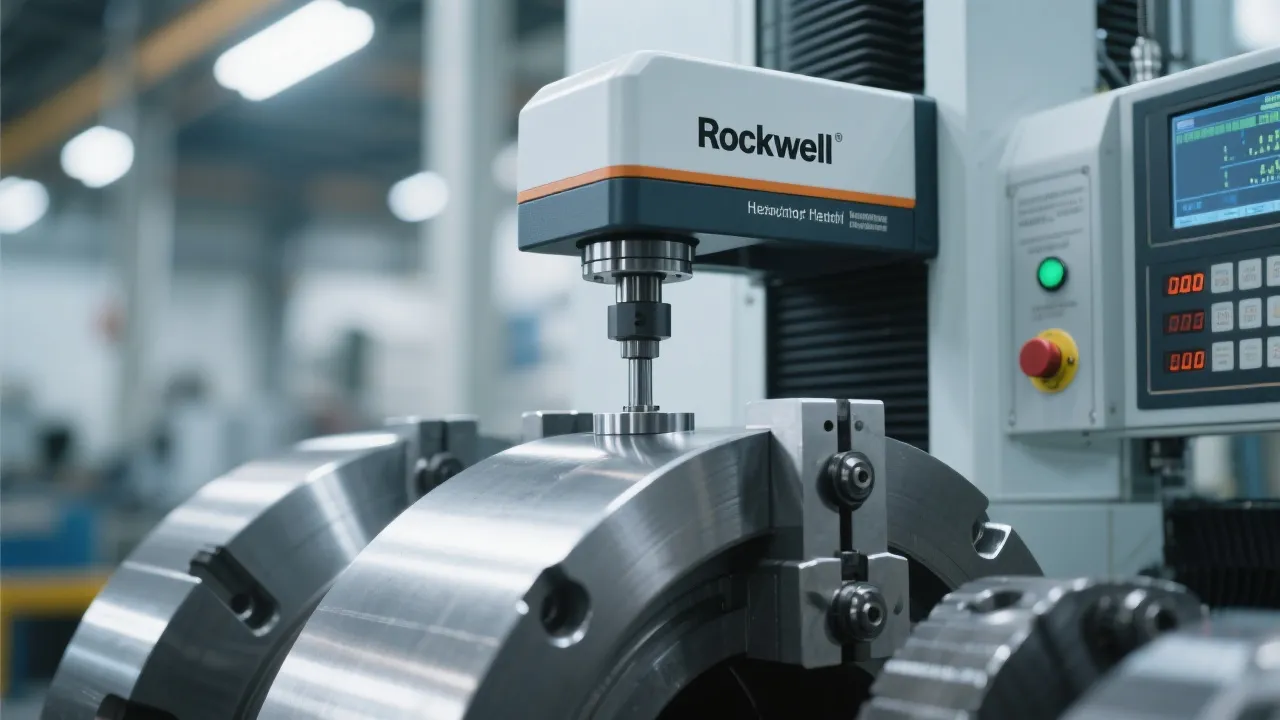
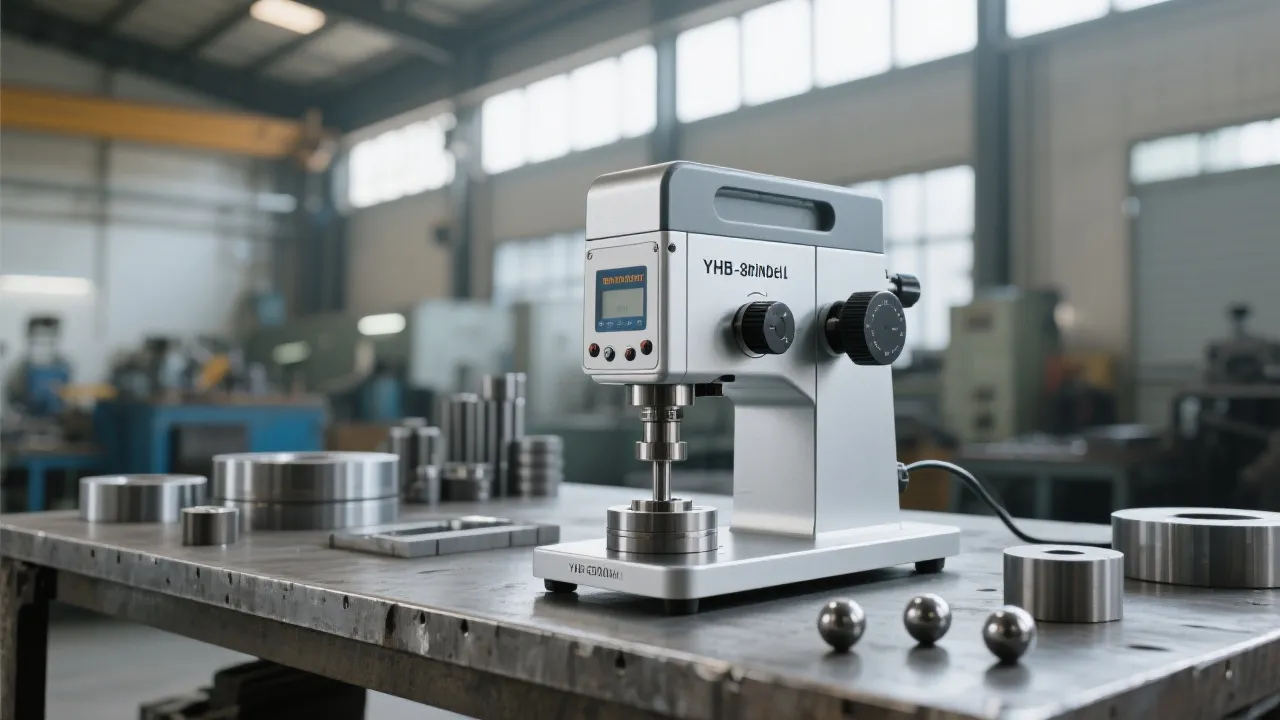
Hardness testing is a more accurate method to judge the firmness of inlay. By measuring the hardness of the inlay, you can indirectly infer the bonding strength between the inlay material and the sample. According to international standards, the hardness of the inlay should be within a certain range. If the hardness is too low, it may indicate that there are defects in the inlay, such as incomplete curing or the presence of voids.
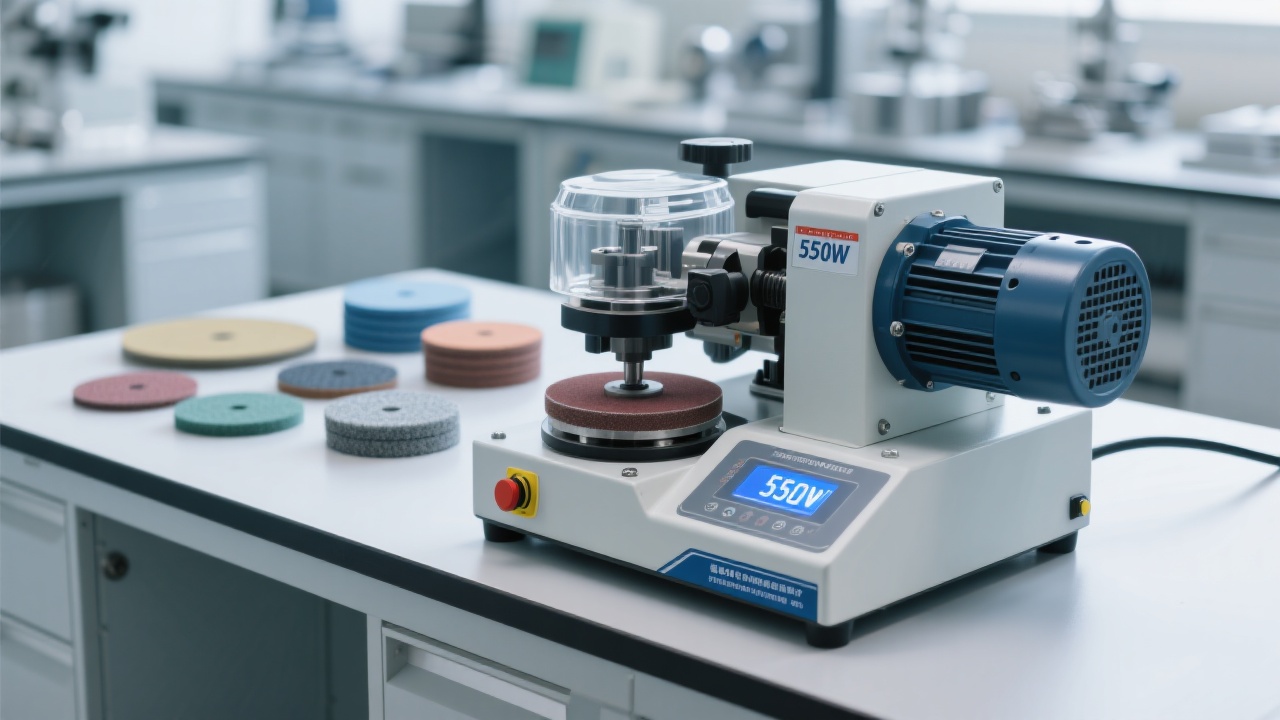
To ensure the quality of metallographic inlay, it is necessary to strictly follow international standards such as ASTM E3 - 11 and ISO 3189. These standards clearly define the qualified thresholds for various indicators. For example, in terms of hardness, the standard may specify a minimum and maximum hardness value. By comparing the test results with these standards, you can quickly determine whether the inlay meets the requirements.
In the process of metallographic inlay, some common problems may occur. For example, if there are too many bubbles in the inlay, it may be because the mixing of the inlay material is not uniform or the degassing process is not sufficient. The solution is to ensure thorough mixing and proper degassing. Another example is that if the edge of the inlay is not intact, it may be due to improper clamping during the inlay process. You can adjust the clamping force to solve this problem.
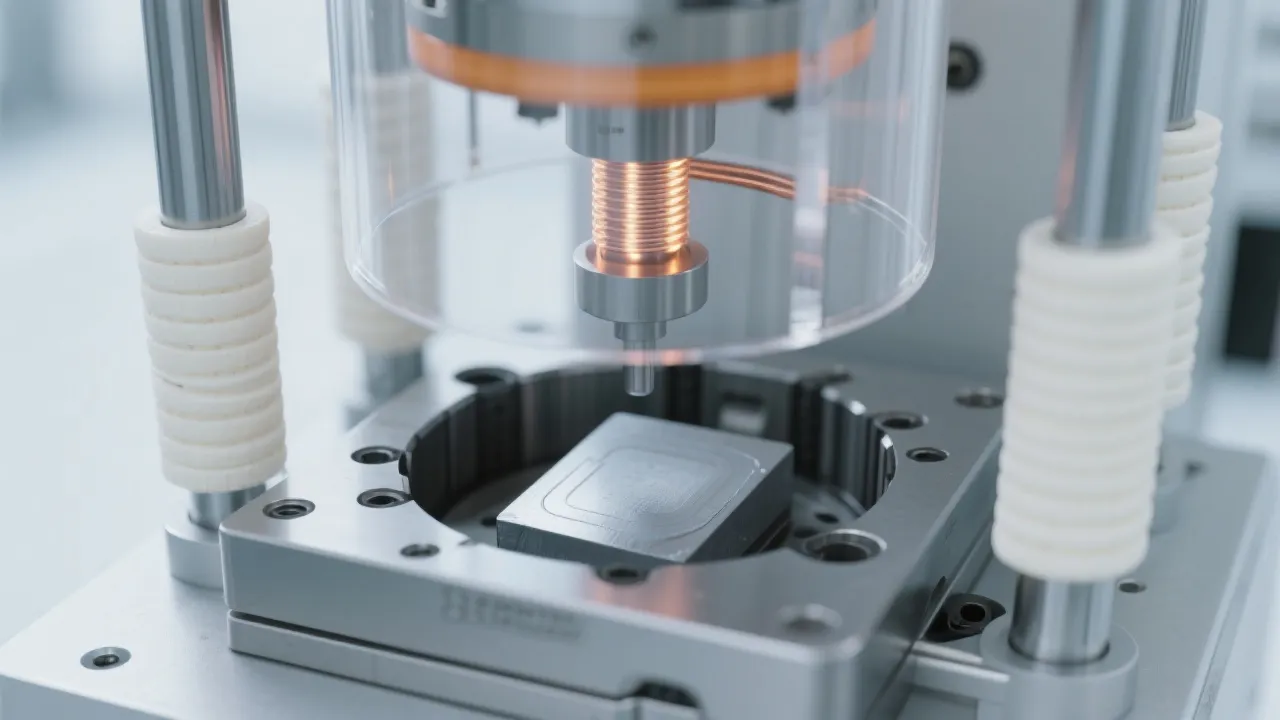
Our company offers advanced technical support services. For example, the ZXQ - 2 high - precision inlay machine can effectively reduce human errors and assist in accurate hardness testing. With our professional equipment and technical guidance, you can improve the quality of metallographic inlay and enhance the standardization level of sample preparation.
Do you have any questions about metallographic inlay quality control? Feel free to leave your questions in the comments section. Also, stay tuned for our subsequent tutorials to continuously improve your skills in metallographic sample preparation. Click here to learn more about our ZXQ - 2 high - precision inlay machine and how it can benefit your laboratory.
 61
|
61
|
 metal microstructure analysis standards
ASTM E3-11 standard
ISO 14104 standard
metallographic image defect identification
inter-laboratory comparison methods
357
|
manual metallographic cutting machine
metallographic sample preparation
scientific research equipment
metallography consumables
sample cutting technology
193
|
Metallographic mounting quality detection
ASTM E3 - 11 standard
ISO 3189 specification
Mounting machine quality evaluation
Metallographic sample preparation
421
|
Industrial-grade indenter accessories installation
Equipment commissioning tutorial
Indenter installation precautions
Industrial equipment maintenance
Precision CNC machining accessories
289
|
non-metallic material hardness testing
Rockwell hardness testing standards
ceramic hardness measurement
plastic material hardness evaluation
composite indentation analysis
metal microstructure analysis standards
ASTM E3-11 standard
ISO 14104 standard
metallographic image defect identification
inter-laboratory comparison methods
357
|
manual metallographic cutting machine
metallographic sample preparation
scientific research equipment
metallography consumables
sample cutting technology
193
|
Metallographic mounting quality detection
ASTM E3 - 11 standard
ISO 3189 specification
Mounting machine quality evaluation
Metallographic sample preparation
421
|
Industrial-grade indenter accessories installation
Equipment commissioning tutorial
Indenter installation precautions
Industrial equipment maintenance
Precision CNC machining accessories
289
|
non-metallic material hardness testing
Rockwell hardness testing standards
ceramic hardness measurement
plastic material hardness evaluation
composite indentation analysis