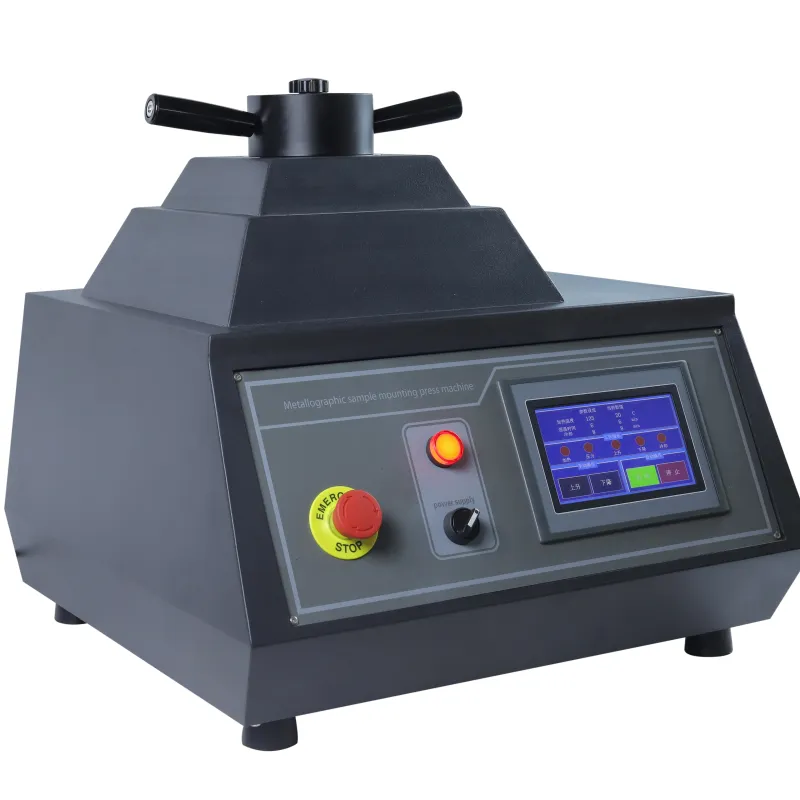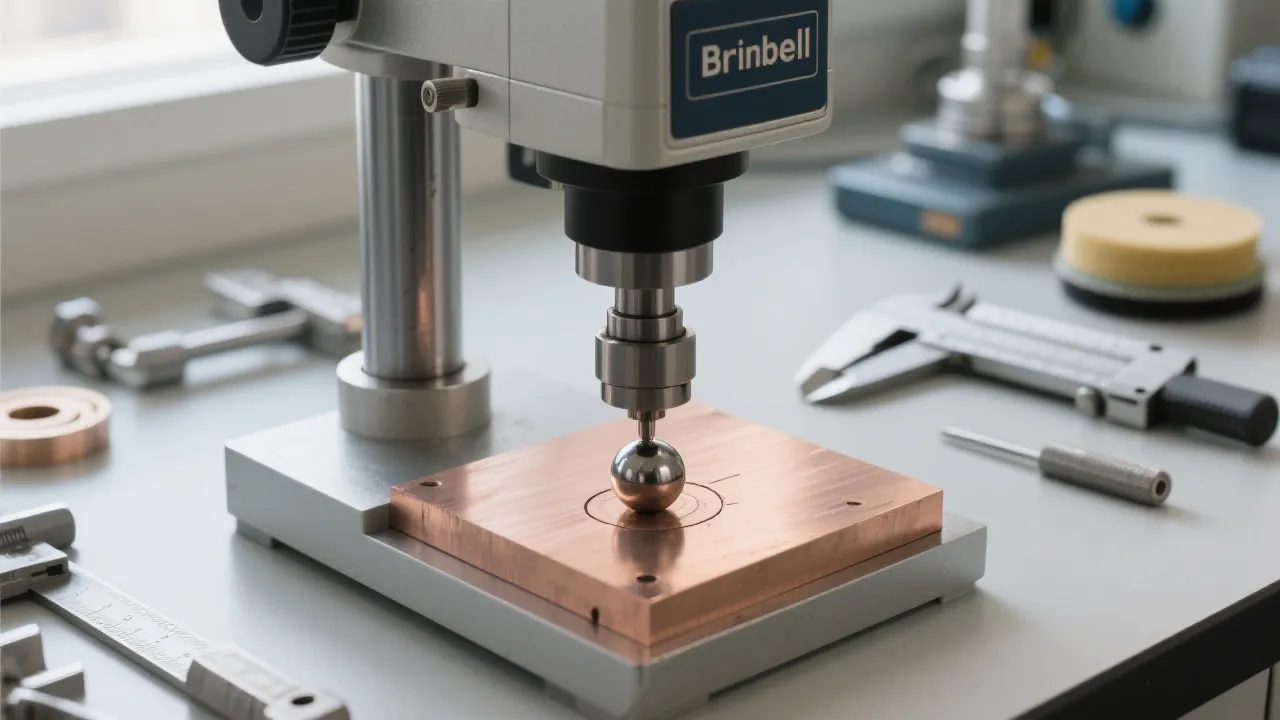
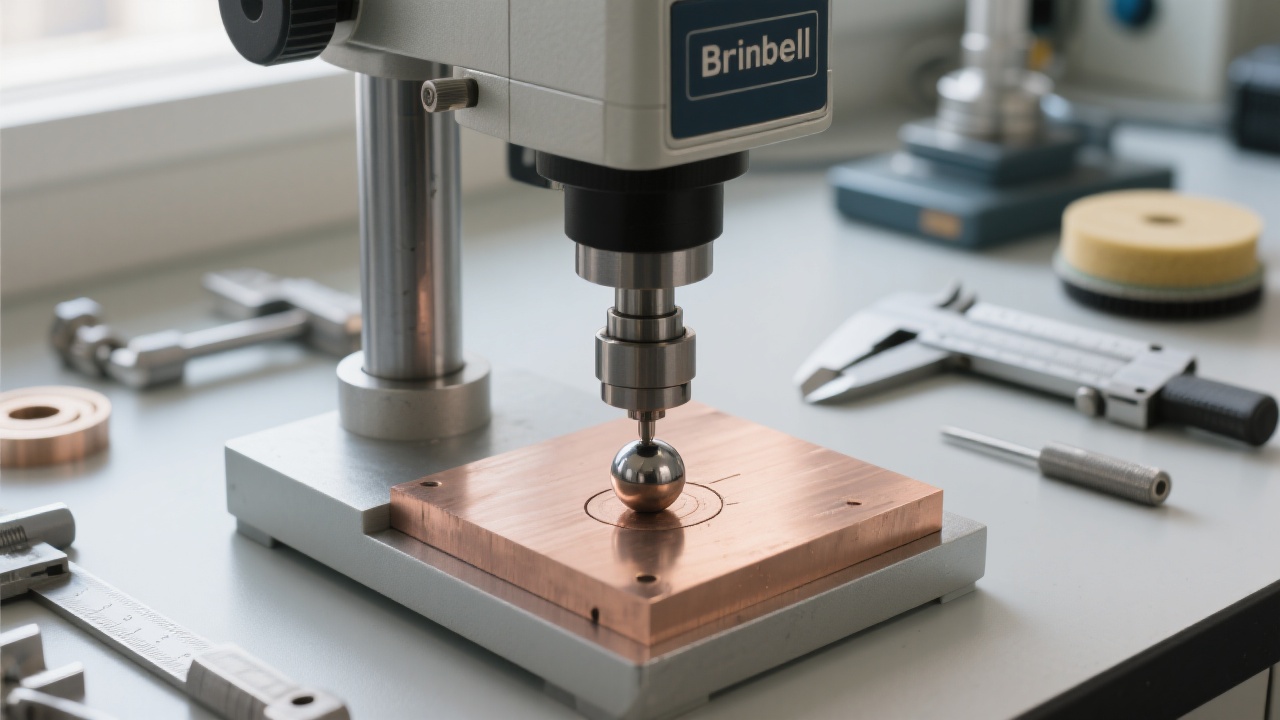
In metallographic sample preparation, achieving a smooth, scratch-free surface isn't just about precision—it's about consistency. According to industry surveys from 2023, over 67% of new lab technicians report inconsistent polishing results within their first month of operation, often due to overlooked variables like improper tool selection or poor environmental control.
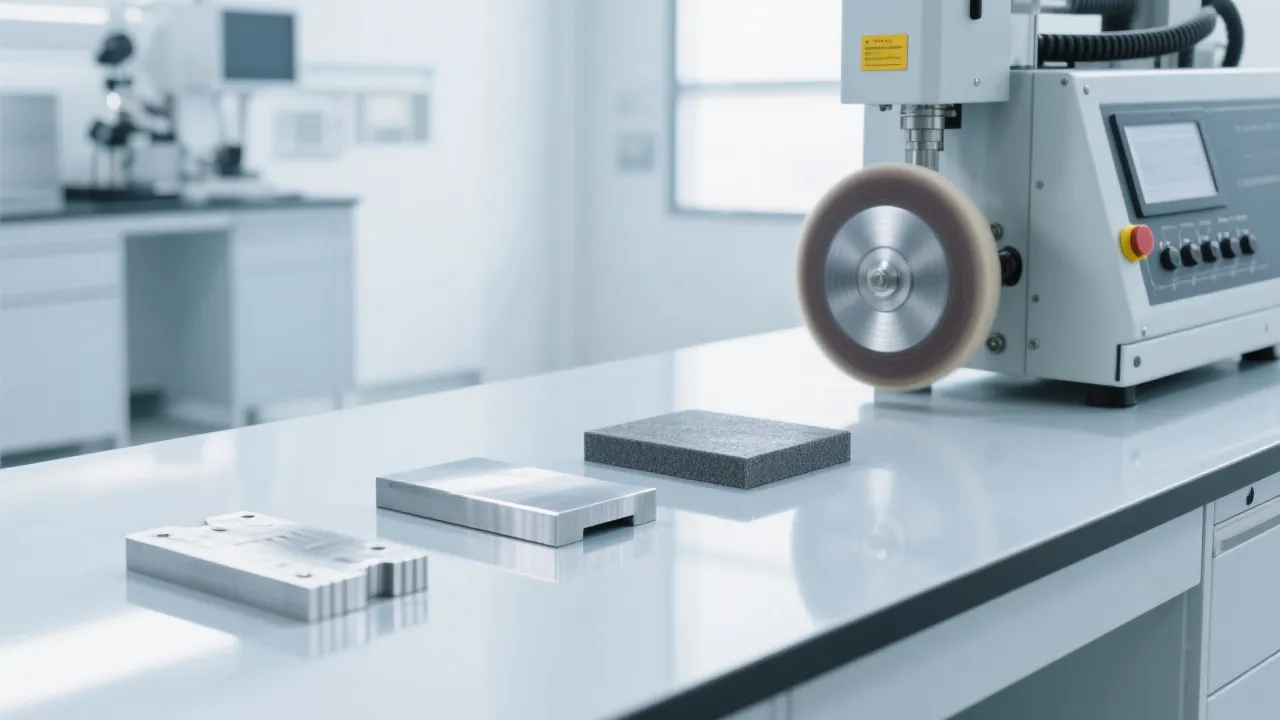
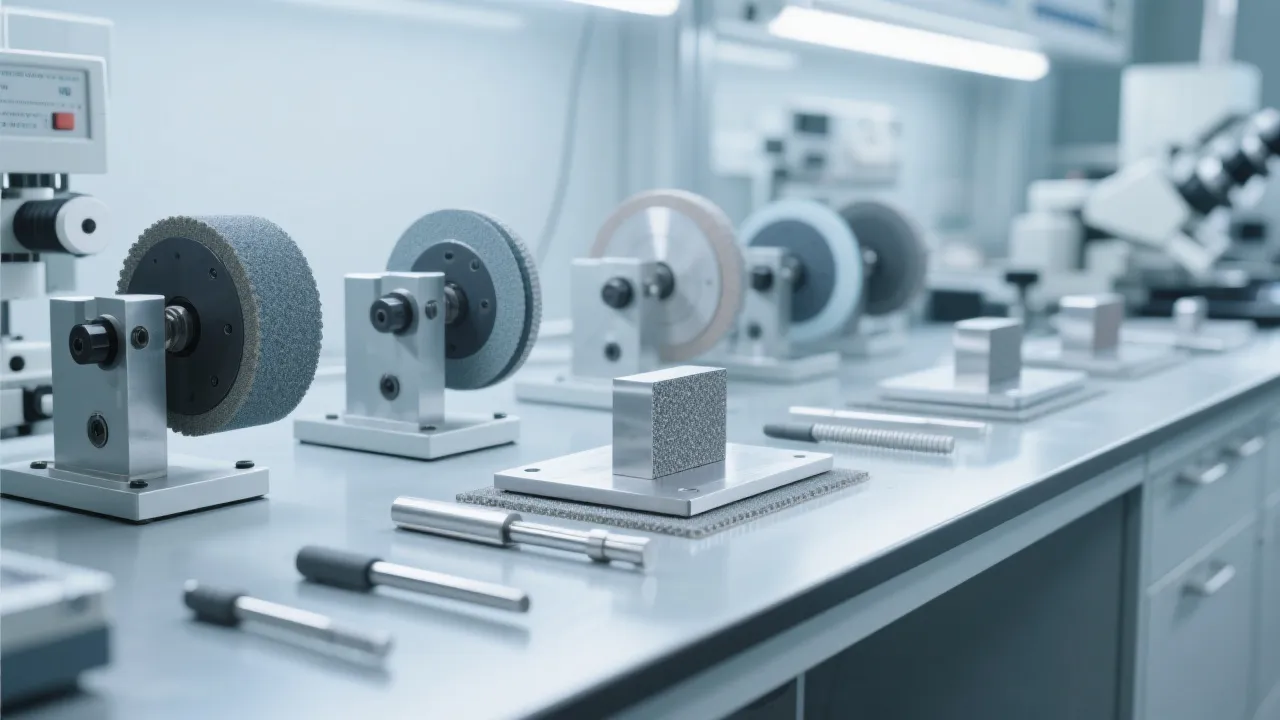
Successful polishing hinges on four core areas: equipment choice, consumable compatibility, technique execution, and environmental stability. Let’s break them down with real-world insights:
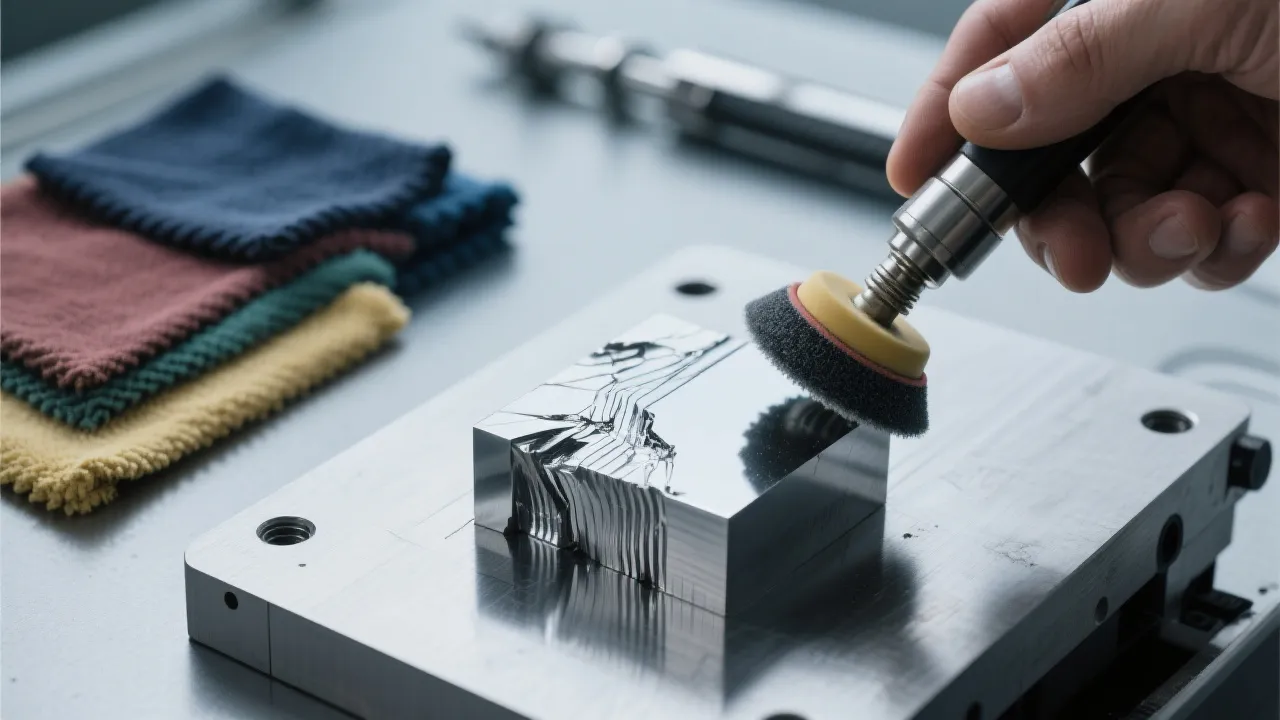
Using the wrong grinding cloth or polishing pad can lead to micro-scratches even at low speeds. For instance, a study by the American Society for Metals found that using coarse-grade (600 grit) cloths for final polishing increased surface roughness by up to 42%. Always match your cloth grade to the stage—start coarse, then progressively finer (e.g., 600 → 1200 → 2500 grit).
Polishing fluids must be matched to both the material being tested and the cloth type. Aluminum samples require oxide-based suspensions, while stainless steel benefits from diamond paste. Misuse here leads to uneven wear and premature disc degradation—a common issue seen in 35% of reported failures in university labs.
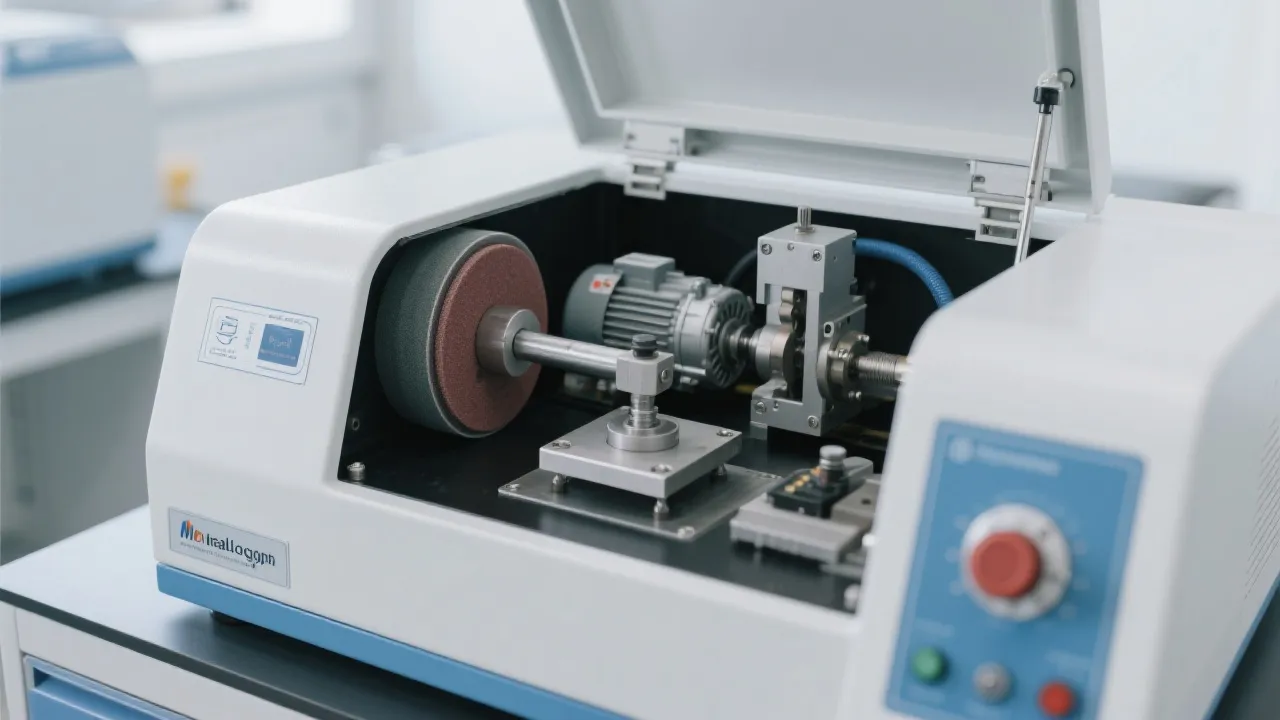
Many beginners believe higher RPM = better finish—but this is a myth. At 300–400 rpm, most metals achieve optimal polish without overheating. A case study from a German materials testing facility showed that reducing speed from 600 to 400 rpm decreased surface defects by 61%, especially in soft alloys like copper and brass.
Humidity above 65% increases oxidation risk during polishing, while temperatures below 18°C slow chemical reactions needed for effective polishing. Labs in humid climates (like Southeast Asia) should use dehumidifiers near workstations—this simple step improves polish quality by up to 30%.
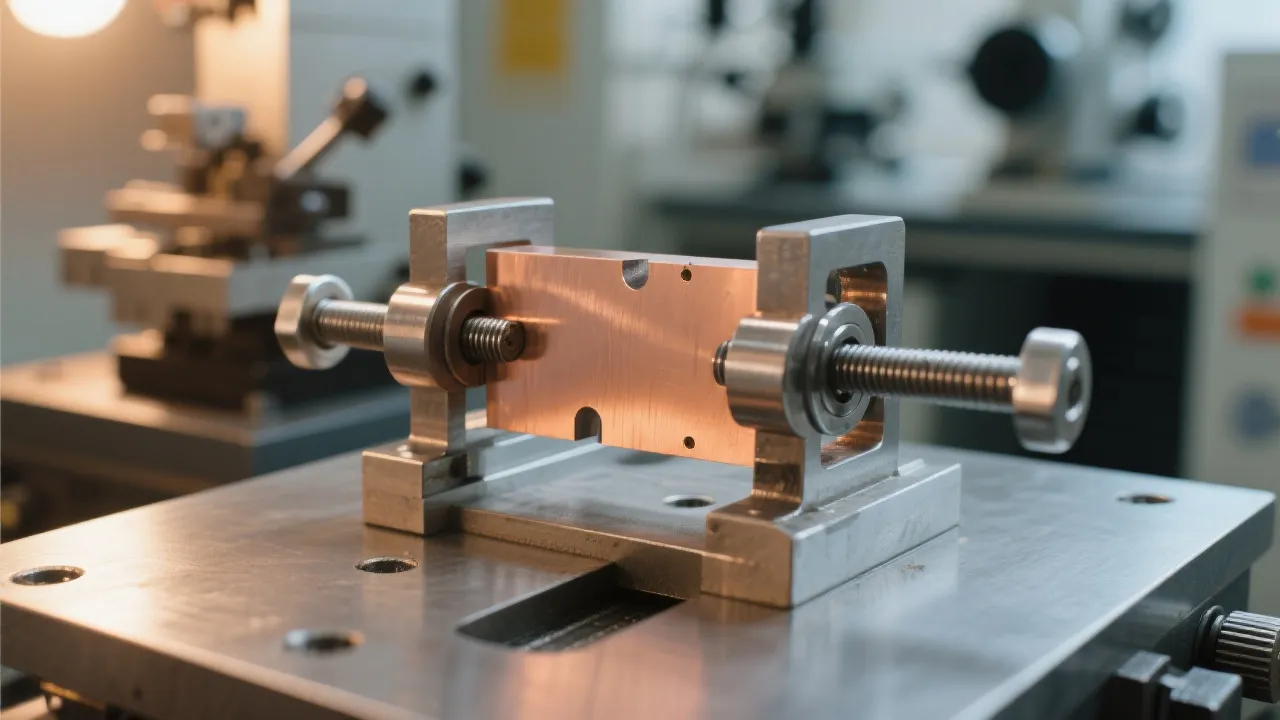
Even experienced users make mistakes—especially when rushing through sample prep. That’s why structured workflows matter. Our team at Leyu Jincheng Industrial Equipment Co., Ltd. has developed a standardized 7-step process based on thousands of user cases. It includes cleaning intervals, rotation checks, and visual inspection points to catch issues early.
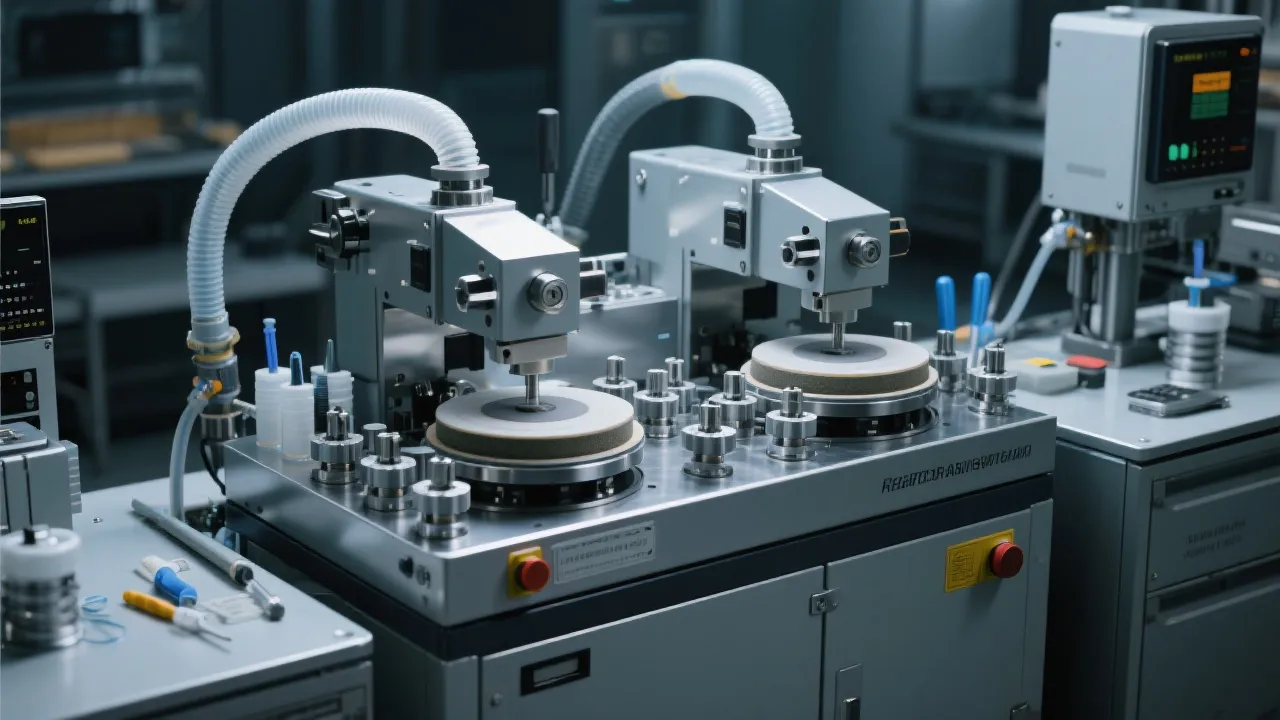
The MP-1B manual gold polishing machine stands out because it allows precise control over pressure, speed, and timing—critical for consistent results. With ergonomic design and easy-to-clean components, it reduces operator fatigue and minimizes contamination risks. Users report an average 25% faster turnaround time after switching from automated systems to MP-1B for routine tasks.
Ready to elevate your lab’s polishing standards?
Explore how the MP-1B Manual Gold Polishing Machine helps you avoid common pitfalls and achieve professional-grade finishes every time.
Whether you're setting up a new lab or refining existing procedures, understanding these fundamentals transforms frustration into mastery. And remember—great results begin not with the machine, but with the mindset.
 308
|
308
|
 micro Vickers hardness tester
intelligent touch hardness testing
high-precision hardness measurement
mechanical processing hardness
metallurgical research hardness testing
110
|
metallographic mounting quality
ASTM E3-11 standard
ISO 3189 compliance
mounting defect detection
ZXQ-2 precision mounting machine
425
|
metallographic polishing machine maintenance
preventive maintenance checklist
equipment lifespan extension
industrial lab equipment保养
grinding disc cleaning
130
|
Brinell hardness tester daily maintenance
hardness tester data fluctuation
environmental temperature and humidity control
high - precision hardness tester calibration
hardness test fault troubleshooting
58
|
metallographic prepolishing machine maintenance
lab equipment utilization optimization
preventive maintenance in metallurgy
fiber glass housing durability
precision drive system care
micro Vickers hardness tester
intelligent touch hardness testing
high-precision hardness measurement
mechanical processing hardness
metallurgical research hardness testing
110
|
metallographic mounting quality
ASTM E3-11 standard
ISO 3189 compliance
mounting defect detection
ZXQ-2 precision mounting machine
425
|
metallographic polishing machine maintenance
preventive maintenance checklist
equipment lifespan extension
industrial lab equipment保养
grinding disc cleaning
130
|
Brinell hardness tester daily maintenance
hardness tester data fluctuation
environmental temperature and humidity control
high - precision hardness tester calibration
hardness test fault troubleshooting
58
|
metallographic prepolishing machine maintenance
lab equipment utilization optimization
preventive maintenance in metallurgy
fiber glass housing durability
precision drive system care



Hardness-Tester7MHXZD-1000A-1.jpg?x-oss-process=image/resize,m_fill,h_800,w_800/format,webp)