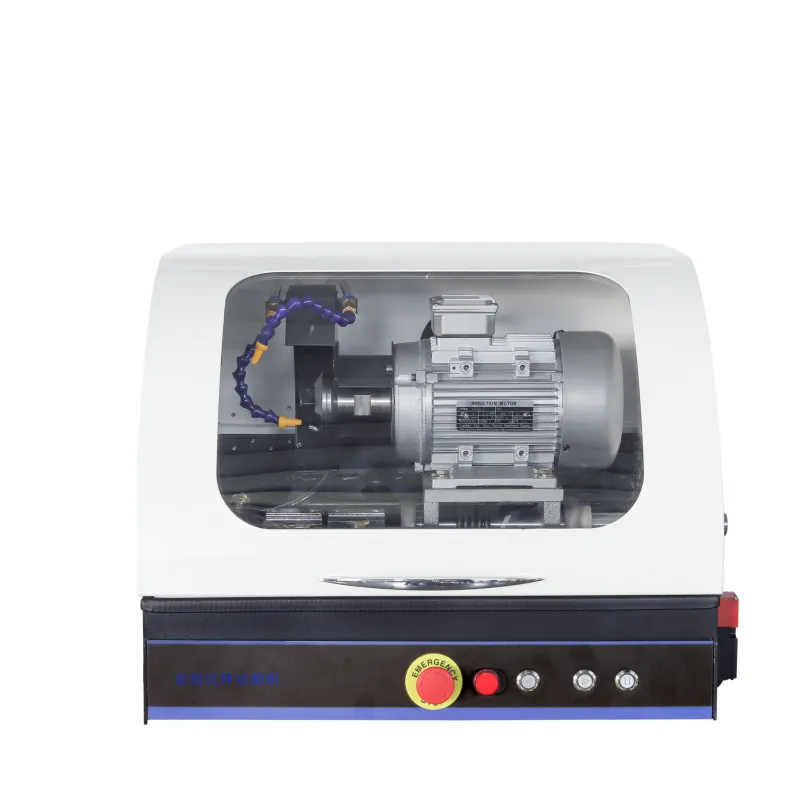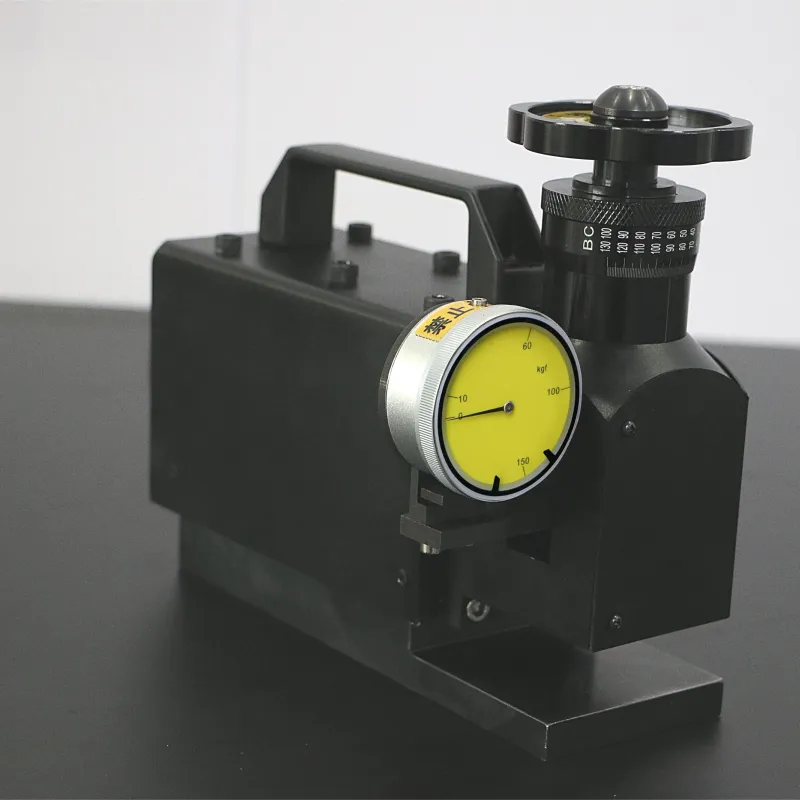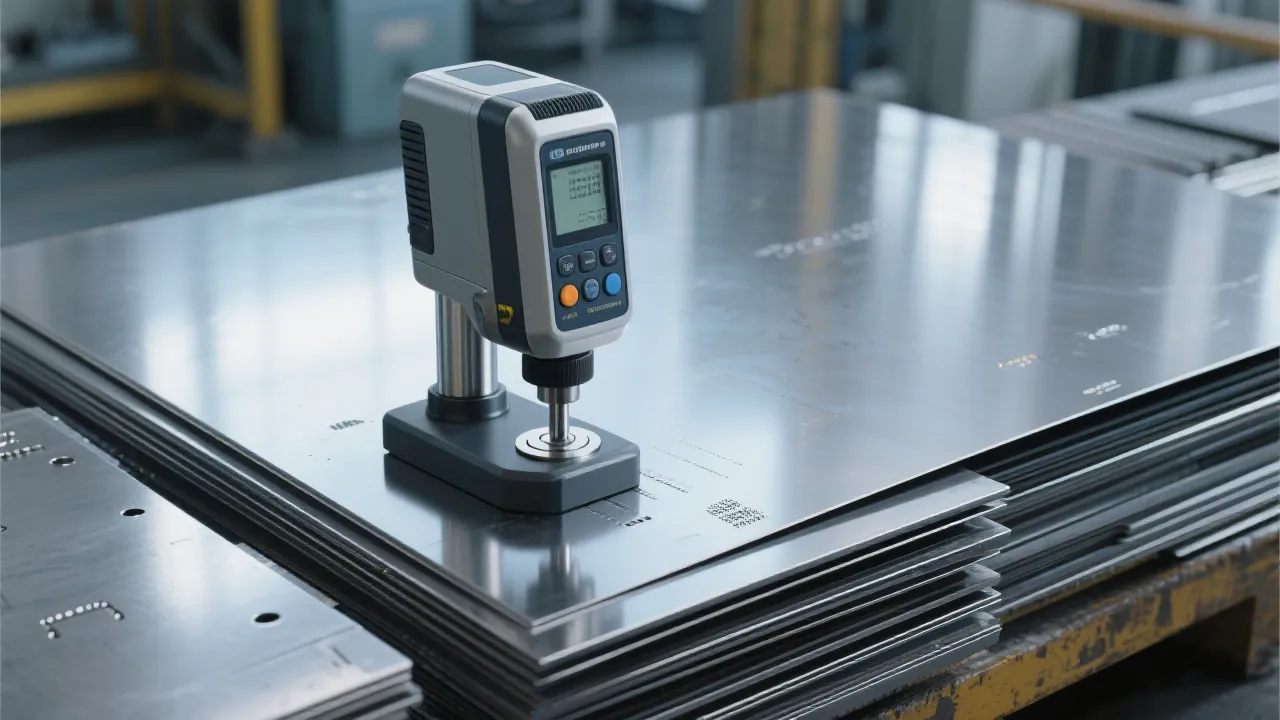
For quality managers, R&D engineers, and academic researchers in metallurgy, inconsistent microstructure analysis results can undermine product reliability and customer trust. The solution lies not just in advanced equipment—but in a standardized workflow governed by internationally recognized protocols like ASTM E3—11 and ISO 14104. These standards ensure that metallographic evaluations—from sample preparation to image documentation—are repeatable across labs and time.
According to ASTM E3—11, improper sample orientation or uneven polishing introduces bias into microstructural interpretation. A study of 37 industrial labs found that over 60% of inconsistent results originated from suboptimal preparation—especially when using incorrect etchants for alloy types (e.g., nitric acid for stainless steel vs. picric acid for tool steels). Proper grinding sequences, controlled polishing pressure (typically 1–2 kg/cm²), and precise etching times (10–30 seconds depending on material) are critical.
“The first rule of reliable metallography is: if it doesn’t look right under the microscope, start again.” — ASTM E3—11 Clause 6.2
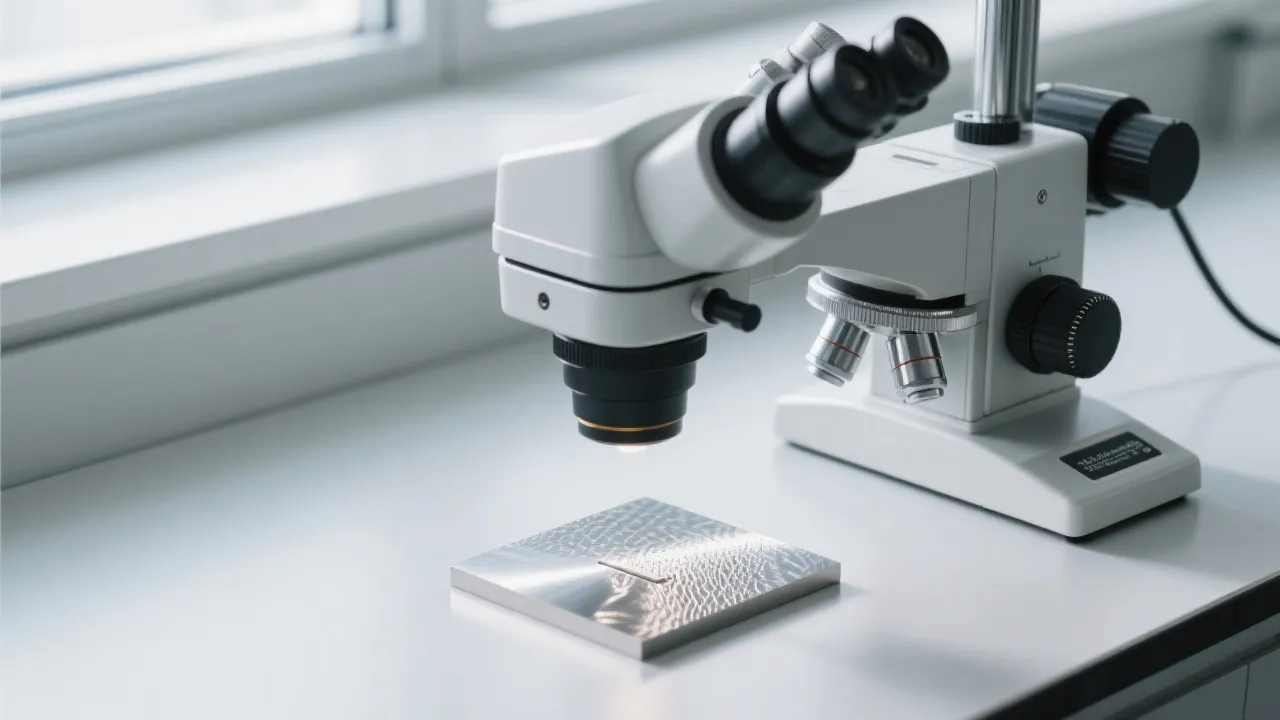
Once prepared, consistent imaging demands calibrated optics and stable lighting. For most applications, magnifications between 100x and 500x capture both macro-defects and fine grain structures effectively. As per ISO 14104, digital image resolution should exceed 1.3 MPixel to enable accurate grain size measurement via software tools like ImageJ or specialized modules in modern microscopes.
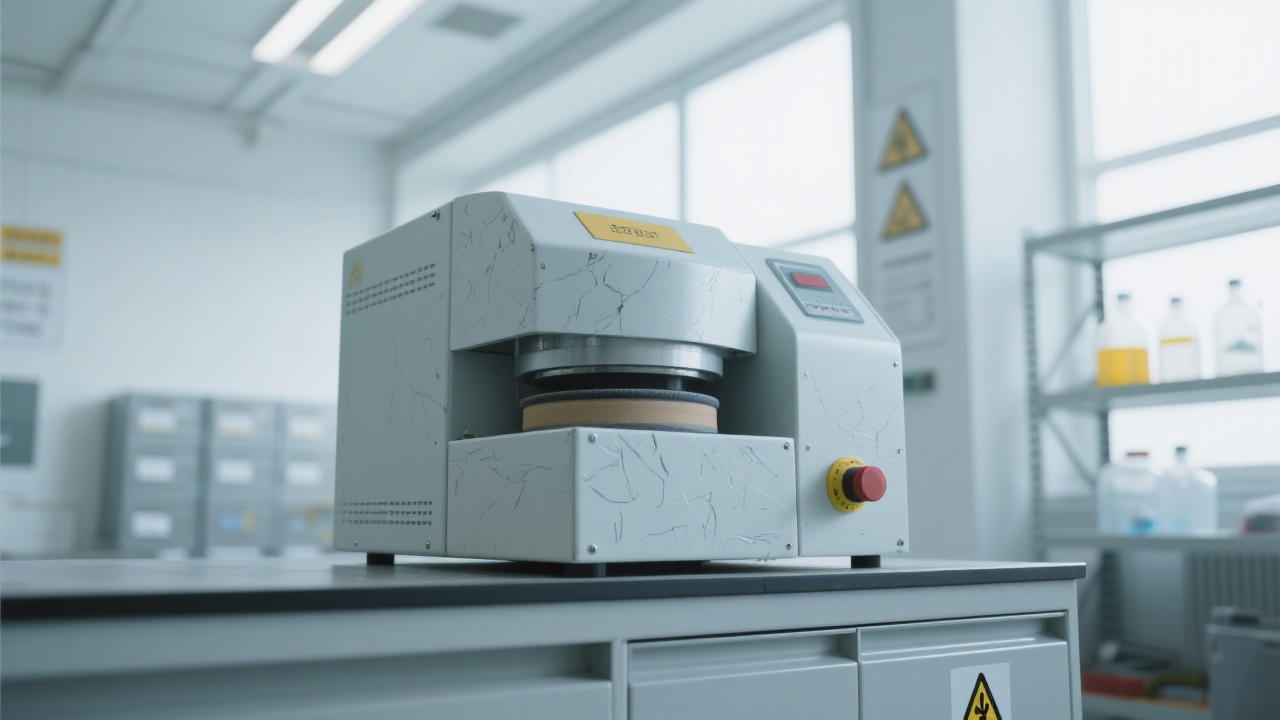
Well-documented images allow engineers to assess whether heat treatments meet specifications—for example, identifying martensite formation after quenching or detecting excessive carbide precipitation in tempered steels. In one cross-lab comparison involving 12 facilities, standardized procedures reduced variability in hardness prediction accuracy from ±15% to within ±5%, demonstrating how consistency directly impacts production decisions.
Moreover, integrating these practices supports internal audits and external certifications like ISO 9001 or AS9100, which increasingly require documented evidence of procedural compliance—not just pass/fail outcomes.
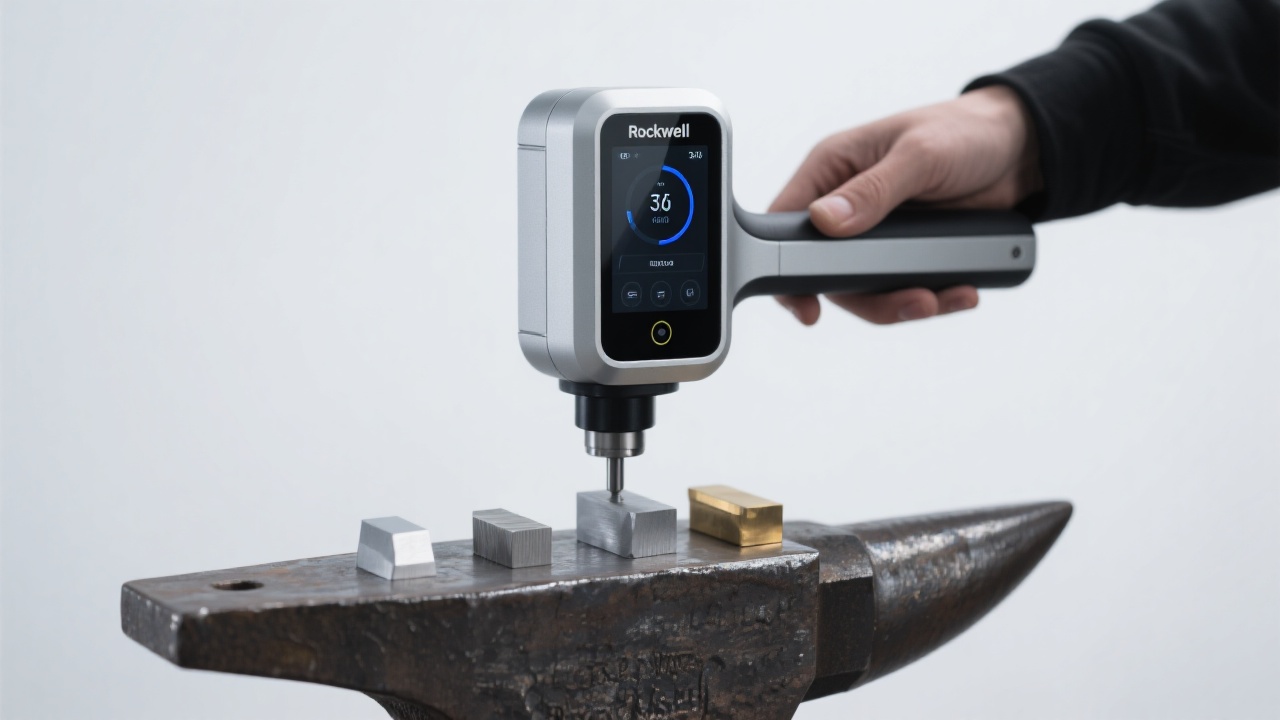
Whether you're optimizing production consistency or preparing for an international audit, adopting standardized metallographic methods isn't optional—it's essential. It turns subjective observations into objective data, builds confidence among stakeholders, and positions your team as leaders in precision materials science.
Explore How Our Microscopes Support Standardized Workflow Execution 201
|
201
|
 manual dual-disc metallographic polisher
LCD interface variable speed control
fiberglass equipment durability
metallographic polishing maintenance
after-sales service customer cases
357
|
manual metallographic cutting machine
metallographic sample preparation
scientific research equipment
metallography consumables
sample cutting technology
490
|
hardness tester selection guide
Rockwell hardness test parameter settings
automatic load control hardness tester
metallographic inspection equipment
material hardness testing standards
289
|
non-metallic material hardness testing
Rockwell hardness testing standards
ceramic hardness measurement
plastic material hardness evaluation
composite indentation analysis
136
|
metal microstructure inspection standardization
ASTM metallography procedures
ISO material analysis
gold phase microscope quality control
microstructure analysis in metallurgy
manual dual-disc metallographic polisher
LCD interface variable speed control
fiberglass equipment durability
metallographic polishing maintenance
after-sales service customer cases
357
|
manual metallographic cutting machine
metallographic sample preparation
scientific research equipment
metallography consumables
sample cutting technology
490
|
hardness tester selection guide
Rockwell hardness test parameter settings
automatic load control hardness tester
metallographic inspection equipment
material hardness testing standards
289
|
non-metallic material hardness testing
Rockwell hardness testing standards
ceramic hardness measurement
plastic material hardness evaluation
composite indentation analysis
136
|
metal microstructure inspection standardization
ASTM metallography procedures
ISO material analysis
gold phase microscope quality control
microstructure analysis in metallurgy





Hardness-Tester7MHVS-1000A-1.jpg?x-oss-process=image/resize,m_fill,h_800,w_800/format,webp)