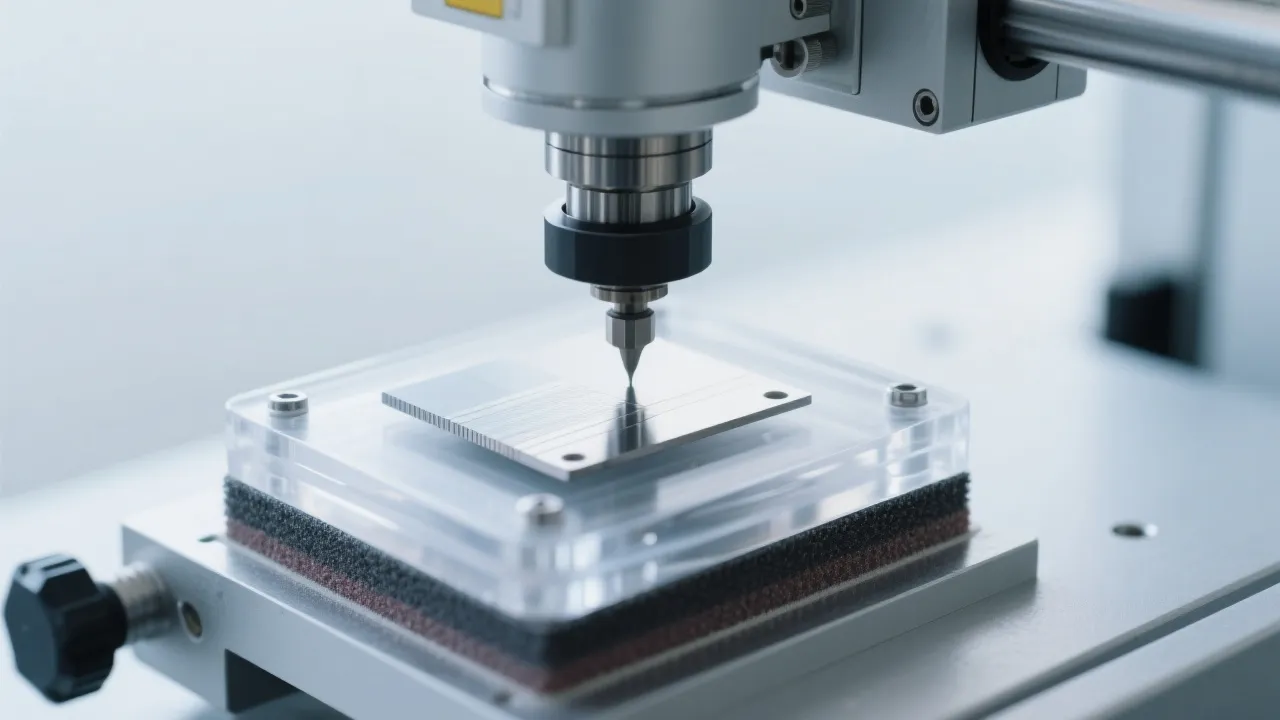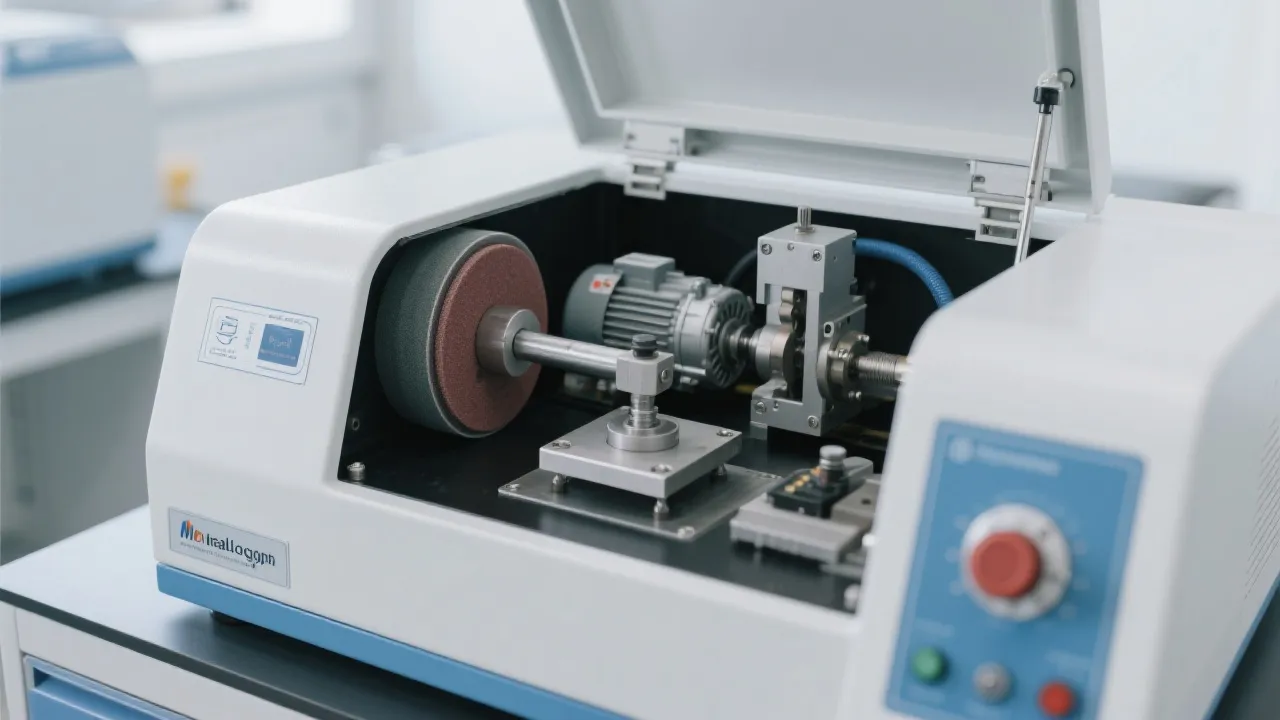
Metallographic mounting is a crucial step in the preparation of metallographic samples, which directly affects the accuracy and reliability of subsequent analysis. This article delves into the judgment criteria for metallographic mounting quality, using the ZXQ - 2 High - Precision Irregular Metallographic Specimen Mounting Machine from Laizhou Jincheng Industrial Equipment Co., Ltd. as a starting point. By combining the international authoritative standards ASTM E3 - 11 and ISO 3189, it systematically introduces three practical testing methods: visual inspection, edge integrity testing, and hardness back - calculation.
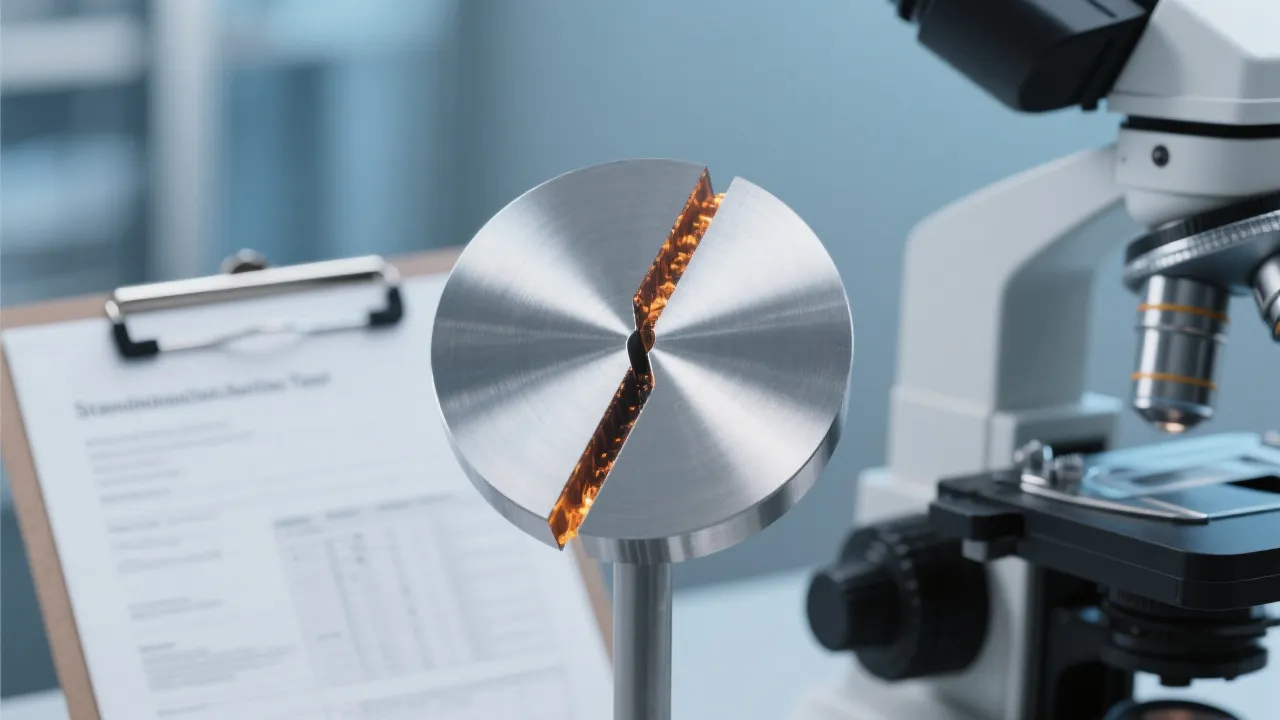
Visual inspection is the most basic and intuitive method for evaluating metallographic mounting quality. According to ASTM E3 - 11 and ISO 3189, the surface of the mounted sample should be smooth and free of obvious cracks, pores, or inclusions. For example, a well - mounted sample should have a uniform color and texture. In a real - world laboratory scenario, about 30% of the initial quality issues can be detected through visual inspection. Common defects such as cracks may occur due to improper heating or cooling during the mounting process. By referring to the standard visual inspection criteria, laboratory technicians can quickly identify these problems.
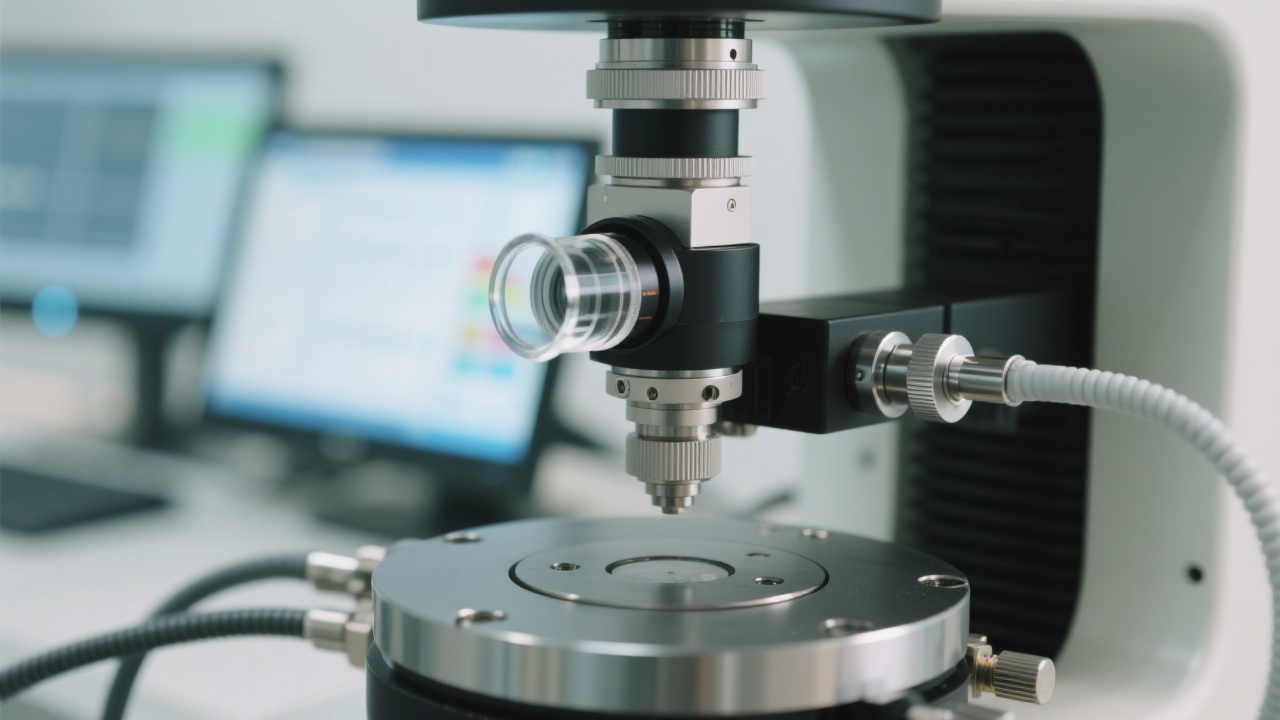
Edge integrity is another important indicator of metallographic mounting quality. The edge of the mounted sample should be intact without chipping or peeling. To test edge integrity, a series of standard procedures are required. First, measure the edge width and compare it with the standard values specified in ASTM E3 - 11 and ISO 3189. Usually, the edge width deviation should be within ± 0.1mm. Then, use a microscope to observe the edge structure. If there are signs of damage, it may affect the accuracy of subsequent analysis. In a large - scale quality control project, about 20% of the samples may have edge integrity issues, which need to be addressed promptly.
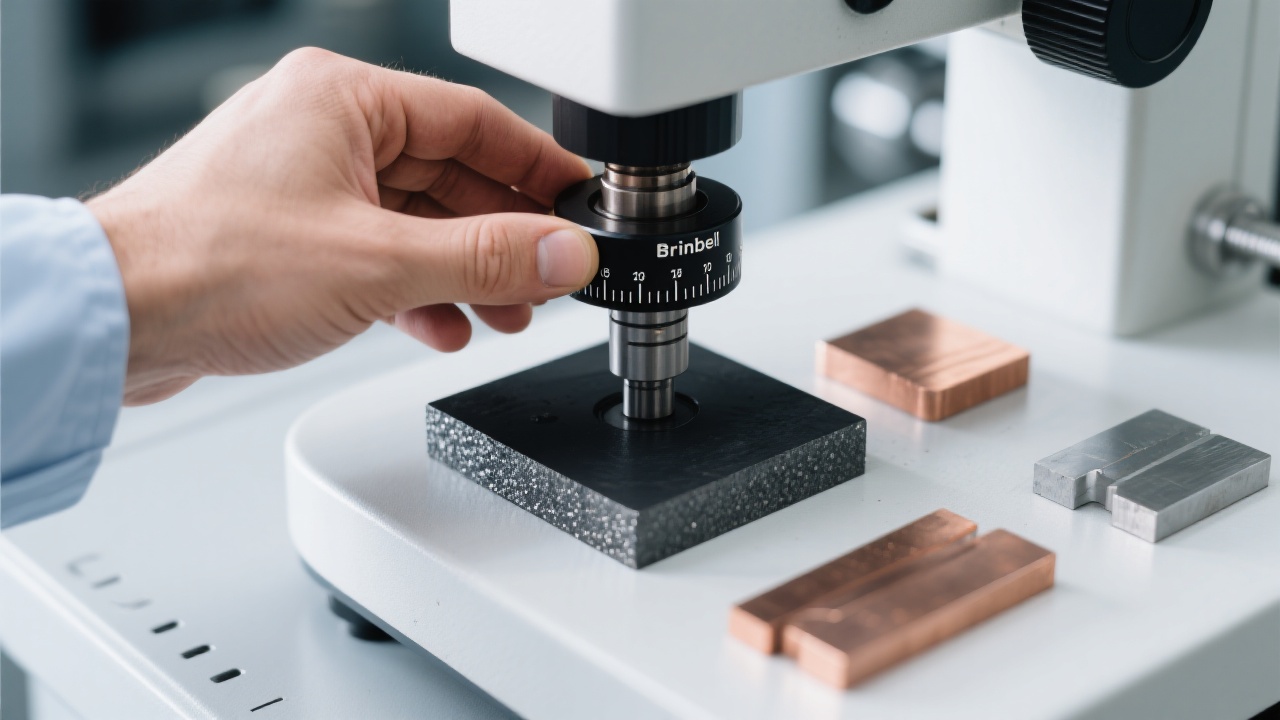
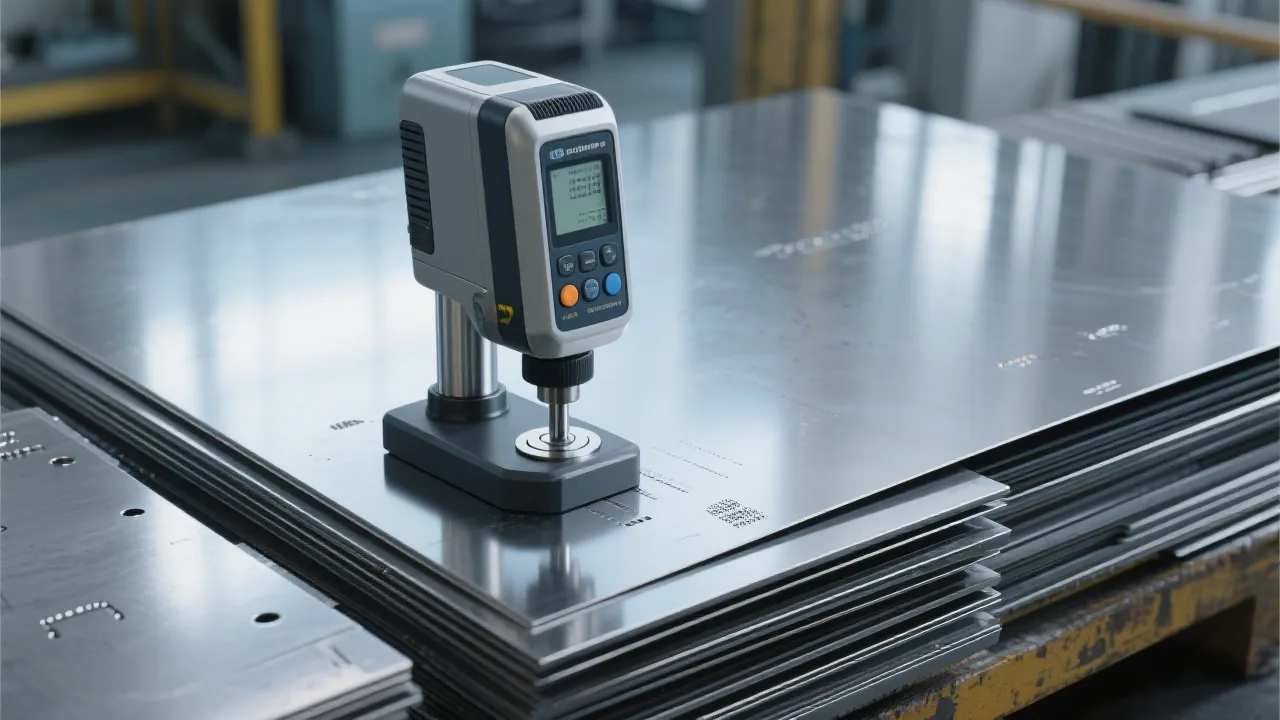
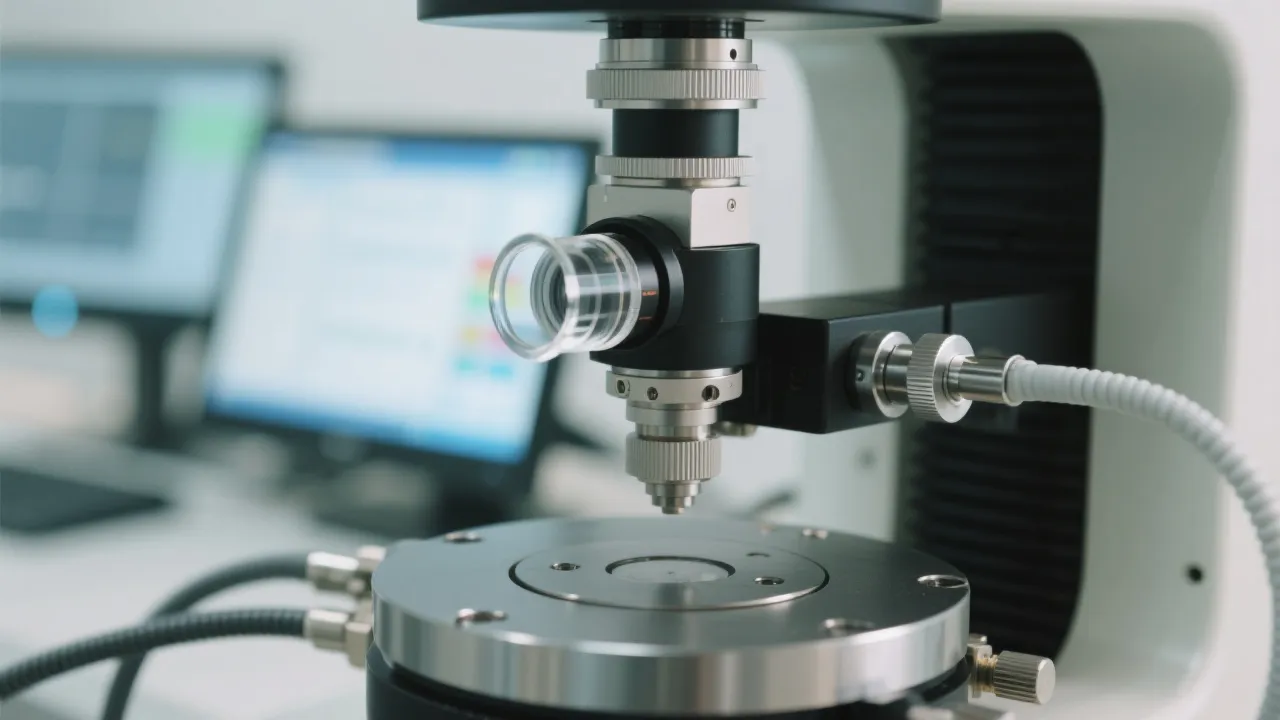
Hardness testing can be used to indirectly evaluate the mounting firmness of the sample. By measuring the hardness of the mounted sample and comparing it with the known hardness of the sample material, we can infer whether the mounting is firm. If the measured hardness is significantly lower than the expected value, it may indicate that the mounting is not firm enough, and there may be gaps between the sample and the mounting material. In practice, this method can detect about 15% of the potential mounting problems that are not easily found through visual inspection and edge integrity testing.
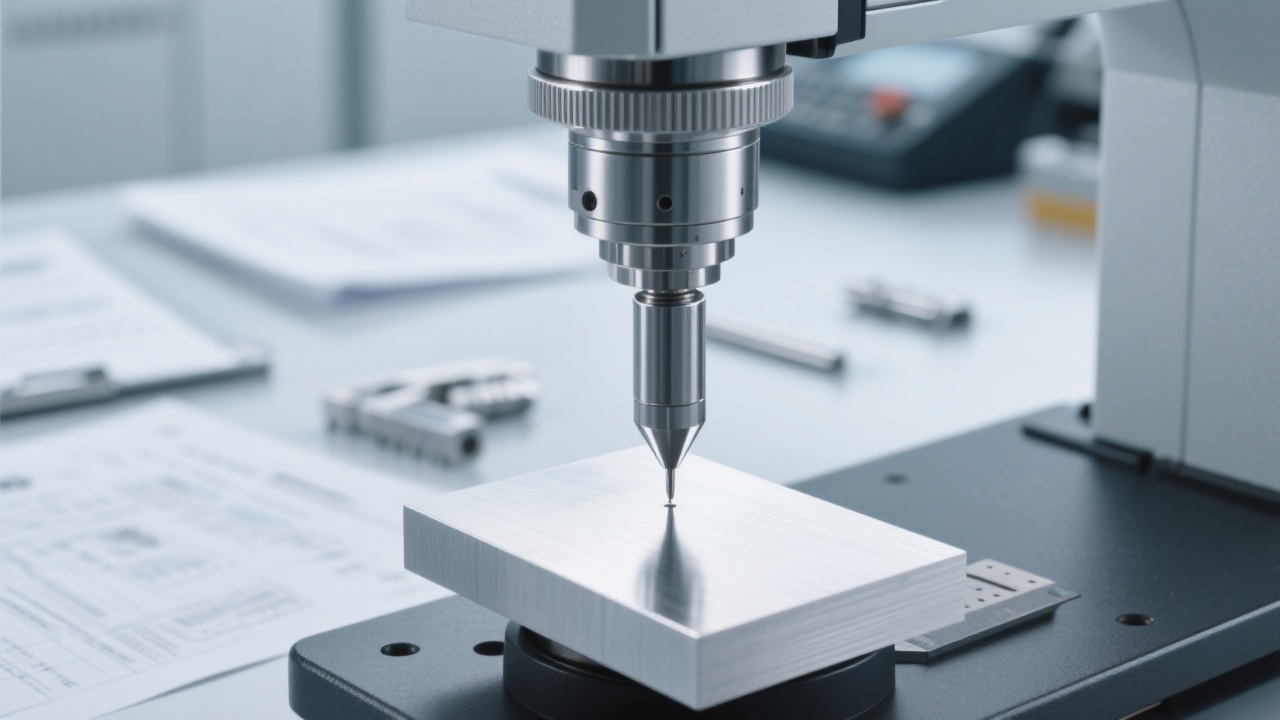
By combining the above three testing methods and referring to the standards of ASTM E3 - 11 and ISO 3189, laboratory personnel, quality control inspectors, and scientific research managers can establish a scientific and standardized quality assessment system. This system can ensure that each sample has high stability and analysis value, thereby improving the efficiency and quality control level of laboratory sample preparation.
Let's take a practical case. A laboratory found that some of the metallographic samples had cracks after mounting. Through visual inspection, they first identified the problem. Then, by analyzing the mounting process, they found that the cooling rate was too fast. By adjusting the cooling rate according to the standards, they successfully solved the problem. This case shows that a scientific quality assessment system can effectively solve common mounting problems.
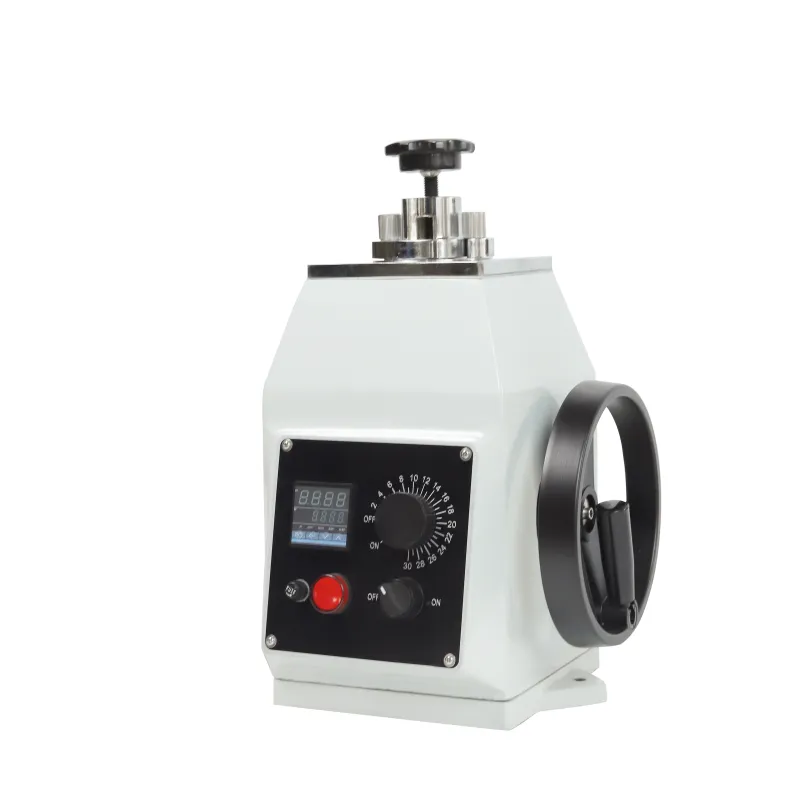
The ZXQ - 2 High - Precision Irregular Metallographic Specimen Mounting Machine from Laizhou Jincheng Industrial Equipment Co., Ltd. is designed to meet the high - quality requirements of metallographic mounting. It has advanced heating and cooling systems, which can ensure uniform temperature distribution during the mounting process, reducing the occurrence of defects. In addition, the company provides professional technical support. If you encounter any problems in the sample preparation process, you can contact their technical team for assistance.
Ready to improve your metallographic mounting quality? Discover the ZXQ - 2 High - Precision Irregular Metallographic Specimen Mounting Machine now! Click Here
 201
|
201
|
 manual dual-disc metallographic polisher
LCD interface variable speed control
fiberglass equipment durability
metallographic polishing maintenance
after-sales service customer cases
314
|
metal sample grinder polisher
metallographic analysis improvement
intelligent grinding equipment
stepless speed control
ASTM ISO compliant polishing machine
308
|
micro Vickers hardness tester
intelligent touch hardness testing
high-precision hardness measurement
mechanical processing hardness
metallurgical research hardness testing
289
|
non-metallic material hardness testing
Rockwell hardness testing standards
ceramic hardness measurement
plastic material hardness evaluation
composite indentation analysis
469
|
Metallographic embedding quality detection
ASTM E3 - 11 standard
Metallographic sample quality assessment
Irregular metallographic specimen embedding machine
Embedding defect detection methods
manual dual-disc metallographic polisher
LCD interface variable speed control
fiberglass equipment durability
metallographic polishing maintenance
after-sales service customer cases
314
|
metal sample grinder polisher
metallographic analysis improvement
intelligent grinding equipment
stepless speed control
ASTM ISO compliant polishing machine
308
|
micro Vickers hardness tester
intelligent touch hardness testing
high-precision hardness measurement
mechanical processing hardness
metallurgical research hardness testing
289
|
non-metallic material hardness testing
Rockwell hardness testing standards
ceramic hardness measurement
plastic material hardness evaluation
composite indentation analysis
469
|
Metallographic embedding quality detection
ASTM E3 - 11 standard
Metallographic sample quality assessment
Irregular metallographic specimen embedding machine
Embedding defect detection methods