
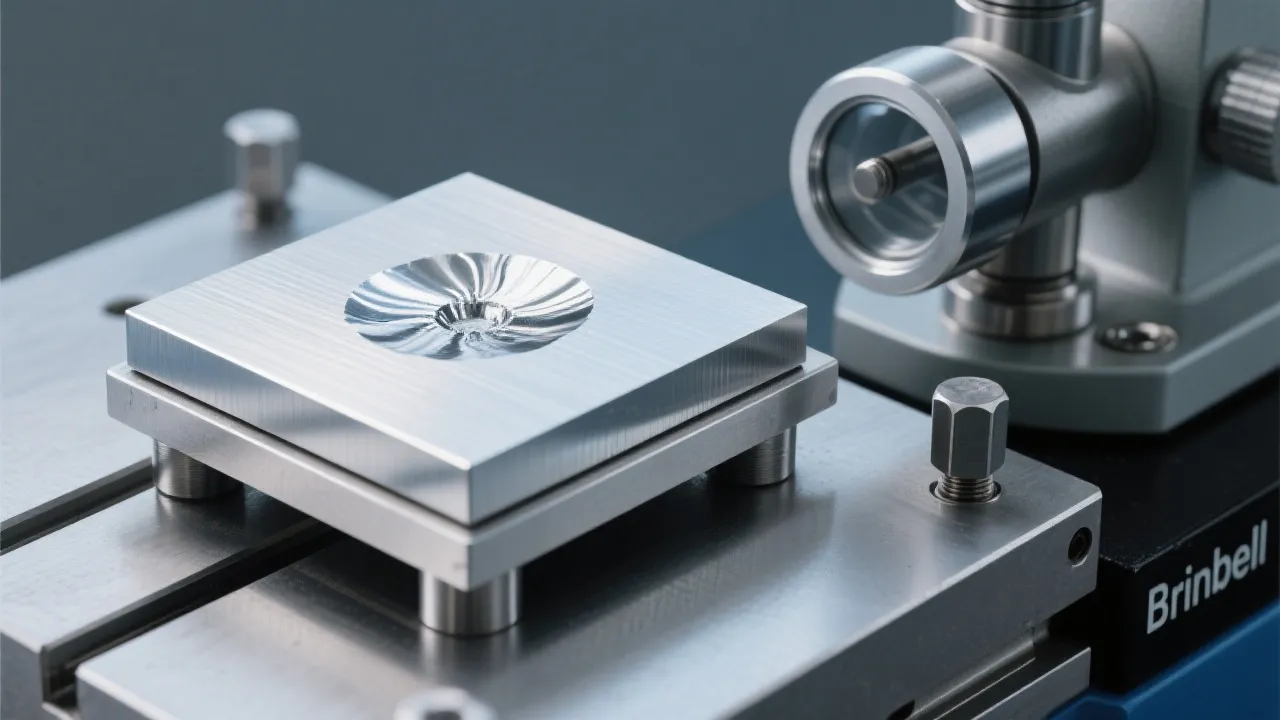
Are you frequently encountering rough and scratched polished surfaces during metallographic sample preparation? In this article, we'll delve deep into four common misunderstandings - improper tool selection, incorrect consumable matching, non - standard operating techniques, and negligence in environmental control. We'll also provide practical improvement solutions. From matching the particle size of the grinding cloth with the polishing liquid to the cleaning and maintenance of the work disk, we'll guide you step - by - step to improve polishing accuracy and avoid repeated rework. This is suitable for laboratory beginners to quickly master the core skills of high - quality sample preparation, boosting the efficiency of scientific research and quality inspection.
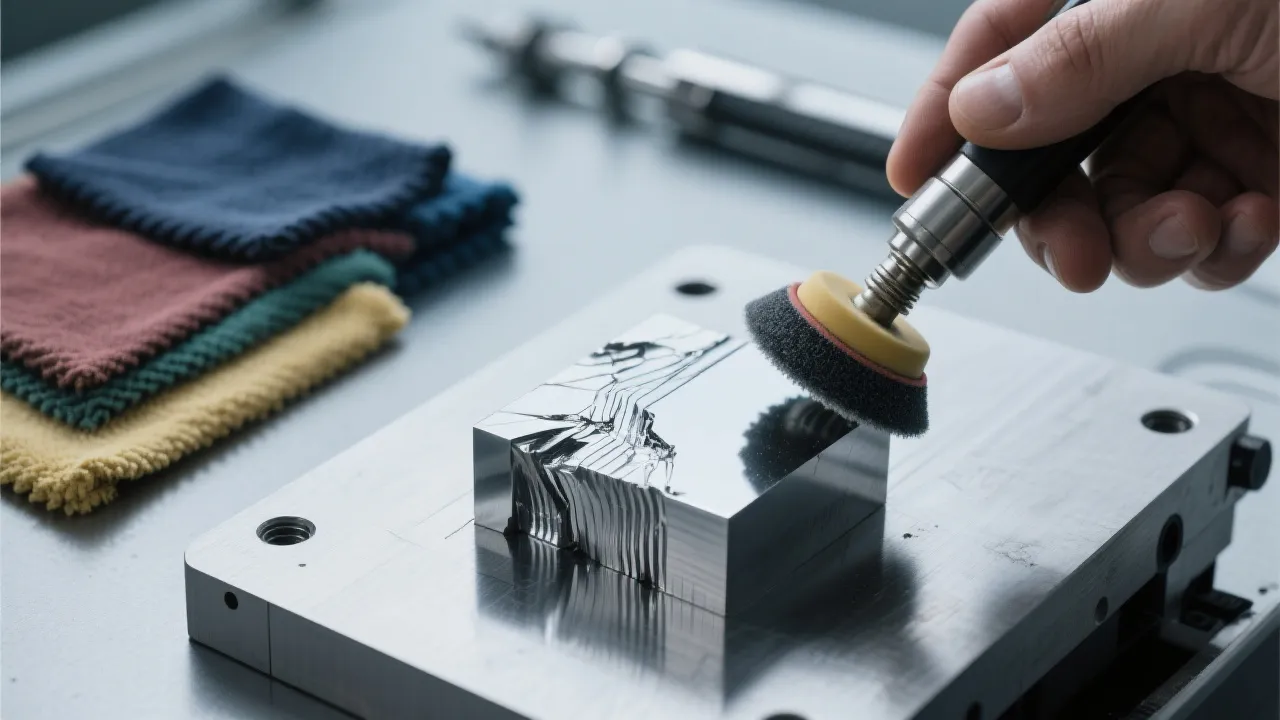
Let's first clarify the core causes of rough and scratched polished surfaces in metallographic sample preparation. In real - world scenarios, incorrect operations can have a significant impact on the quality of the results. For example, using the wrong grinding cloth or polishing cloth can lead to uneven polishing, resulting in a rough surface.
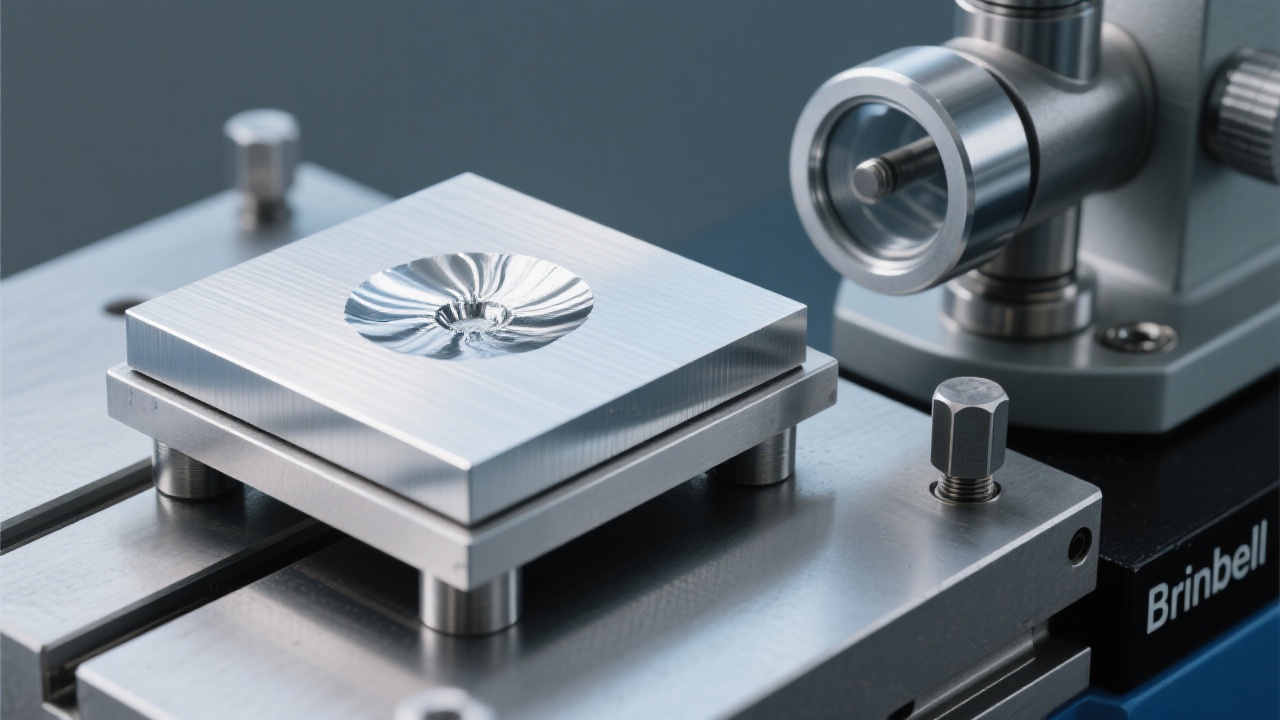
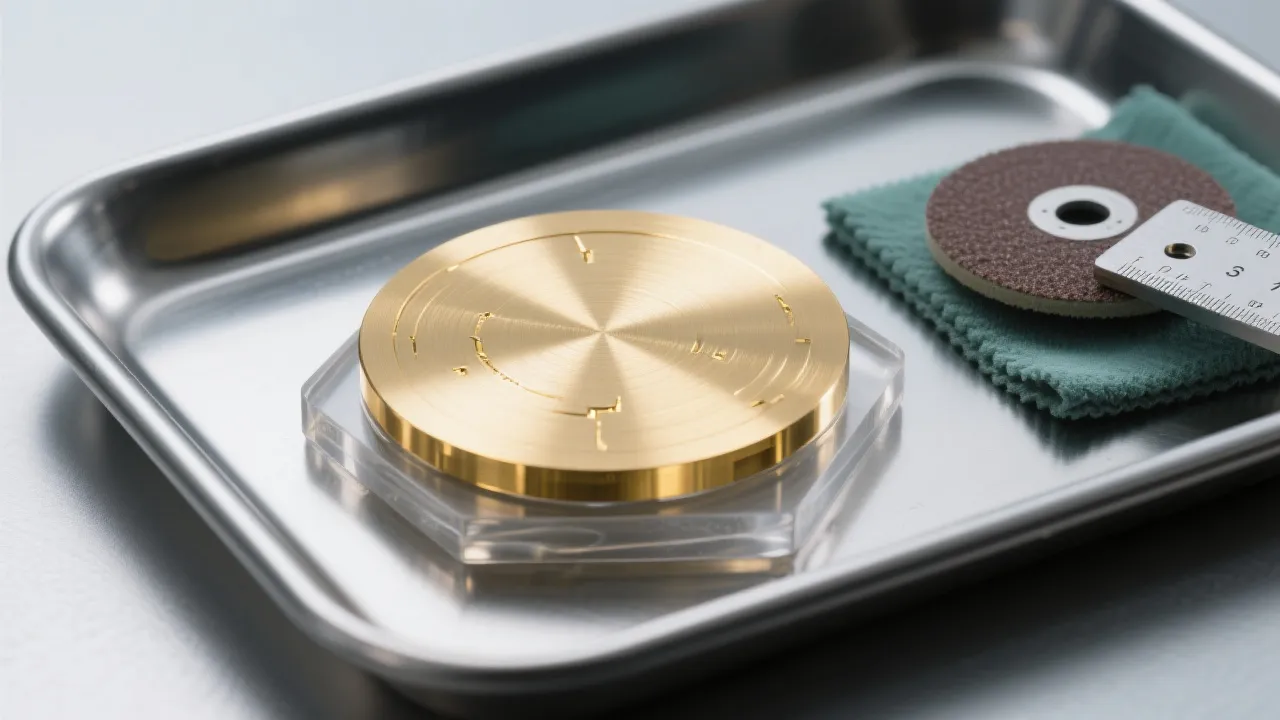
When it comes to tool selection, such as grinding cloth and polishing cloth, you need to be very careful. Different materials require different types of tools. For example, for hard metals, a coarser grinding cloth may be needed in the initial stage, while a finer one is used for the final polishing.
The combination of consumables is also crucial. The particle size of the grinding cloth should be well - matched with the type of polishing liquid. A chart below shows the relationship between the particle size of the grinding cloth and the polishing liquid:
| Grinding Cloth Particle Size | Suitable Polishing Liquid |
|---|---|
| Coarse (e.g., 80 - 120 grit) | Coarse - grained polishing liquid |
| Medium (e.g., 240 - 400 grit) | Medium - grained polishing liquid |
| Fine (e.g., 600 - 1200 grit) | Fine - grained polishing liquid |
Your operating habits, including pressure, rotation speed, and time control, can greatly affect the polishing result. Applying too much pressure may cause scratches, while insufficient pressure may lead to an uneven surface. You should also control the rotation speed according to the material and the stage of polishing.
Environmental factors such as temperature, humidity, and cleanliness also play an important role. High humidity may cause rust on the sample, and a dirty environment may introduce foreign particles, leading to scratches.
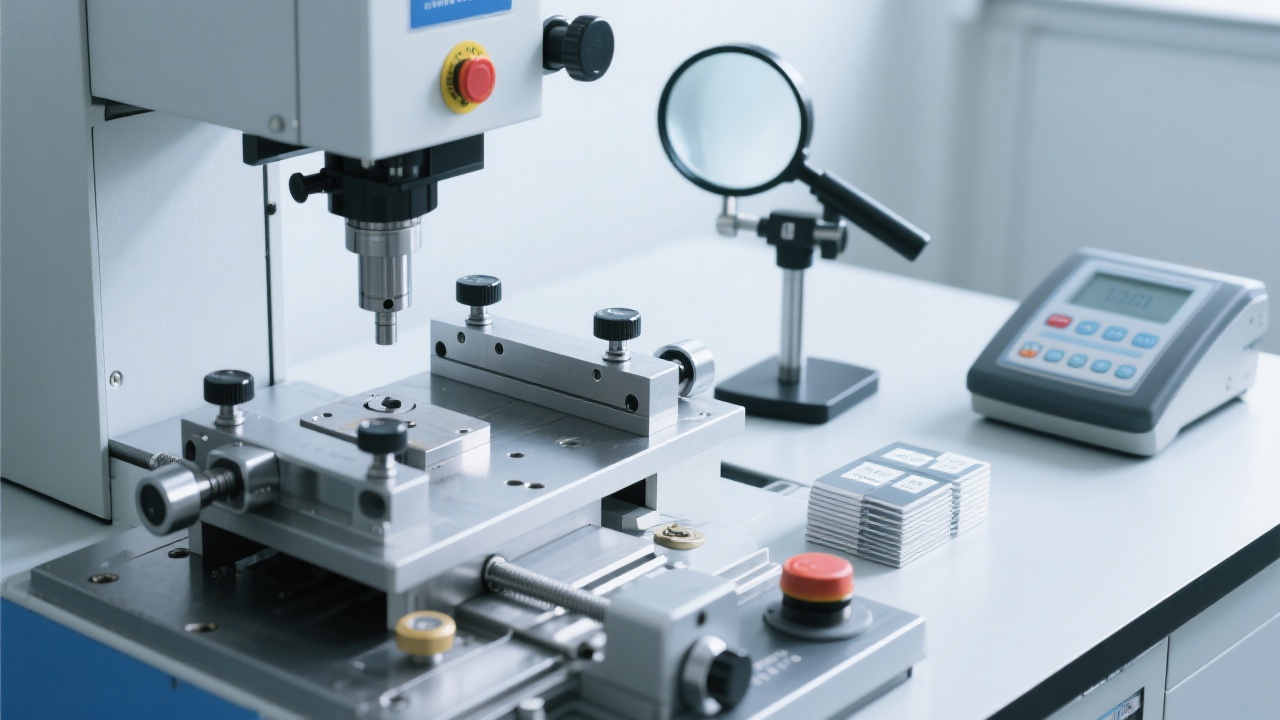
To solve these problems, you need to establish a standardized process and pay attention to the daily maintenance of the equipment. The MP - 1B manual metallographic grinding and polishing machine from Jincheng has many advantages. It has stepless speed regulation, which can adapt to different materials. The high - precision work disk ensures consistency in the polishing process.
According to industry experts, a standardized process and proper equipment maintenance are key to high - quality metallographic sample preparation.
We encourage you to follow our subsequent series of content to form a continuous learning loop and enhance your user experience. By doing so, you can continuously improve your skills in metallographic sample preparation.

Discover more efficient sample preparation solutions by visiting our product page.
 357
|
357
|
 manual metallographic cutting machine
metallographic sample preparation
scientific research equipment
metallography consumables
sample cutting technology
193
|
Metallographic mounting quality detection
ASTM E3 - 11 standard
ISO 3189 specification
Mounting machine quality evaluation
Metallographic sample preparation
453
|
manual dual-disc metallographic polisher
LCD speed control
polishing machine maintenance
fiberglass body durability
metallographic polishing operation
346
|
metallographic sample mounting quality
ASTM E3-11 standard
ISO 3189 specification
sample mounting defects
metallography quality control
439
|
metallographic prepolishing machine maintenance
preventive maintenance for lab equipment
grinding disc cleaning frequency
motor temperature control in lab machines
industrial lab equipment reliability
manual metallographic cutting machine
metallographic sample preparation
scientific research equipment
metallography consumables
sample cutting technology
193
|
Metallographic mounting quality detection
ASTM E3 - 11 standard
ISO 3189 specification
Mounting machine quality evaluation
Metallographic sample preparation
453
|
manual dual-disc metallographic polisher
LCD speed control
polishing machine maintenance
fiberglass body durability
metallographic polishing operation
346
|
metallographic sample mounting quality
ASTM E3-11 standard
ISO 3189 specification
sample mounting defects
metallography quality control
439
|
metallographic prepolishing machine maintenance
preventive maintenance for lab equipment
grinding disc cleaning frequency
motor temperature control in lab machines
industrial lab equipment reliability



Hardness-TesterHV-1000A-1.jpg?x-oss-process=image/resize,m_fill,h_800,w_800/format,webp)


