
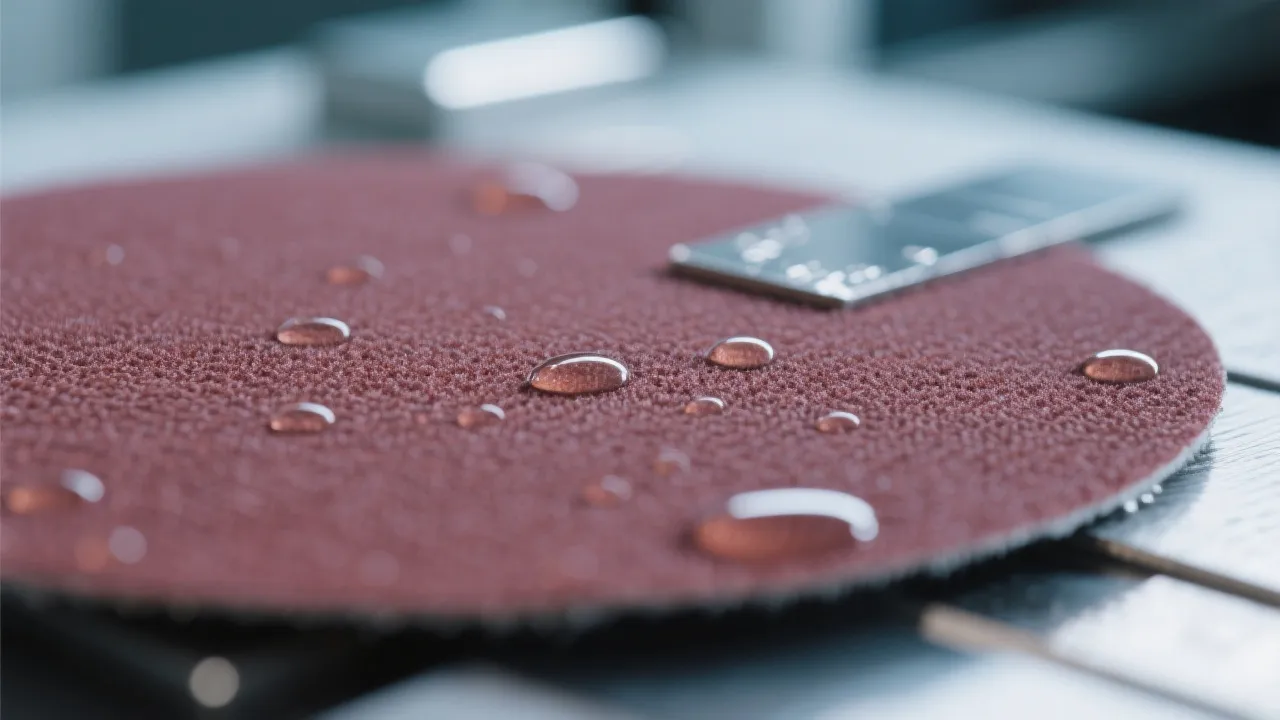
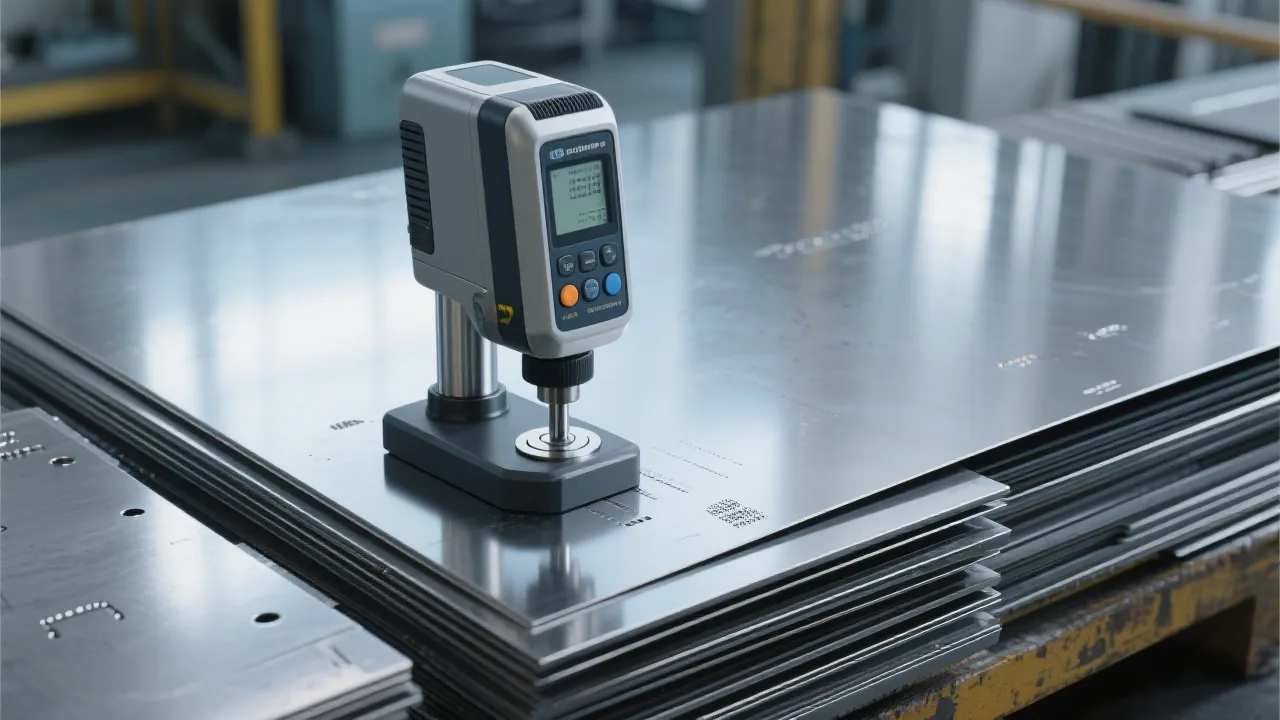
Automatic loading Brinell hardness testers, such as the HBS - 3000Z, are essential tools in many industrial settings. However, they are prone to several typical problems during use. For instance, you may encounter abnormal indentations or inaccurate positioning. These issues can significantly affect the accuracy of hardness testing and lead to unexpected downtime.
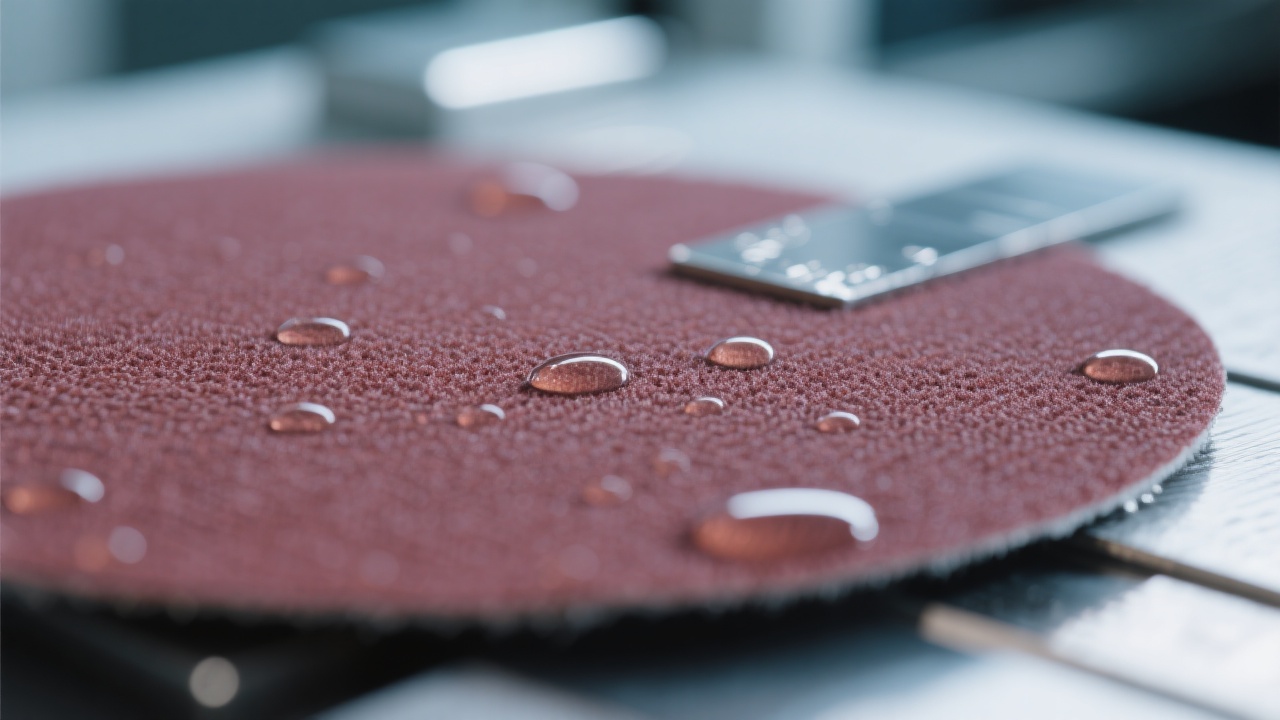
The core components of an automatic loading hardness tester, including sensors, turrets, and loading systems, have their own wear patterns. Sensors, for example, are sensitive to environmental factors and can experience signal drift over time. Turret mechanisms may suffer from misalignment due to mechanical wear. The loading system, which is responsible for applying the correct force, can also face problems such as pressure instability.
Engineers at Laizhou Jincheng Industrial Equipment Co., Ltd. have found that factors like dust, improper lubrication, and temperature fluctuations can accelerate the wear of these components. For example, dust accumulation can cause friction in the turret mechanism, leading to positioning errors.
"Based on our experience, regular inspection and maintenance can effectively reduce the occurrence of component failures. You should pay close attention to the working environment of the hardness tester and take timely measures to prevent potential problems," said an on - site engineer.
To ensure the stable operation of the hardness tester, you need to follow specific operation standards in terms of cleaning frequency, lubrication points, calibration cycles, and environmental temperature and humidity control.
You should clean the hardness tester at least once a week. Use a soft brush to remove dust from the surface and internal components. Pay special attention to the sensor area and the turret mechanism. A clean environment can prevent the entry of foreign objects and reduce wear.
There are several key lubrication points on the hardness tester, such as the turret rotation axis and the loading system's moving parts. You should lubricate these points every two weeks using a suitable lubricant. Proper lubrication can reduce friction and ensure smooth operation.
Calibration is crucial for the accuracy of the hardness tester. You should perform a zero - point calibration at least once a month. Additionally, a full - scale calibration should be carried out every three months to ensure the accuracy of the test results.
The ideal working environment for the hardness tester is a temperature range of 20 - 25°C and a relative humidity of 40% - 60%. You can use a temperature and humidity controller to maintain a stable environment, which can prevent component damage caused by extreme conditions.
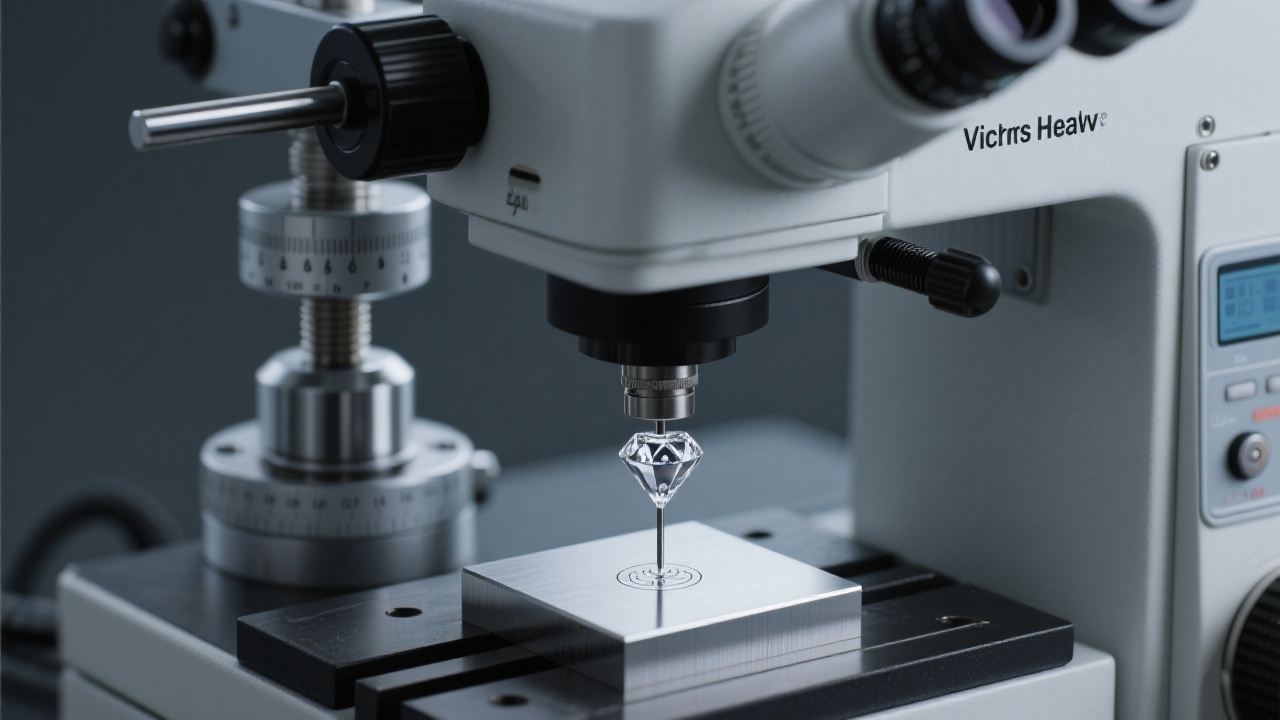
By observing some early fault signs, you can detect potential problems before they cause serious damage. For example, if you notice large data fluctuations or poor repeatability in test results, it may indicate a problem with the sensor or the loading system. In a real - world case, a company found that the hardness test results were inconsistent. After inspection, it was found that the sensor had been affected by humidity, resulting in signal instability.
To help you establish a standardized maintenance mechanism, we provide a design idea for a preventive checklist and record template. The checklist should include items such as cleaning, lubrication, calibration, and environmental monitoring. You can record the maintenance process and results in the template, which can help you track the equipment's status over time.
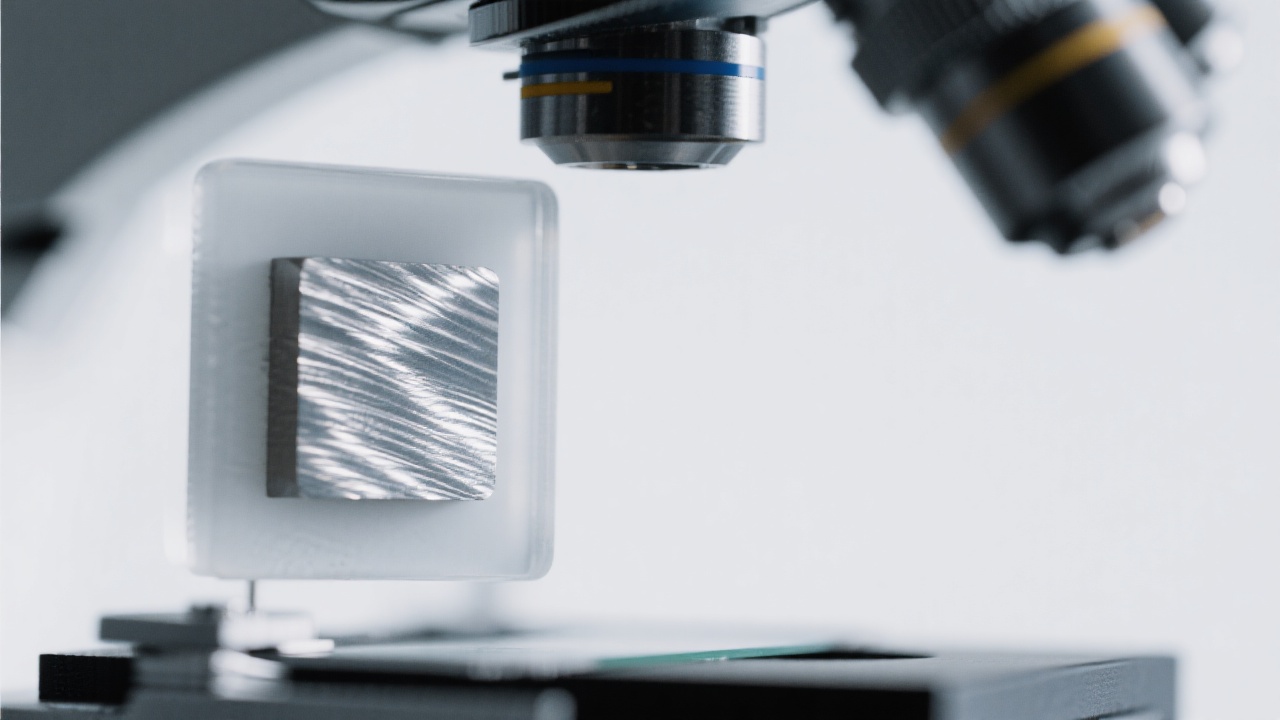
Establishing a standardized maintenance mechanism can significantly extend the service life of the hardness tester and improve the accuracy of detection. By reducing unexpected downtime, you can save costs and improve production efficiency.
Don't miss out on the opportunity to enhance the performance of your hardness tester. Download our Equipment Maintenance Self - Check List to start a more systematic maintenance process today!
 314
|
314
|
 metal sample grinder polisher
metallographic analysis improvement
intelligent grinding equipment
stepless speed control
ASTM ISO compliant polishing machine
308
|
micro Vickers hardness tester
intelligent touch hardness testing
high-precision hardness measurement
mechanical processing hardness
metallurgical research hardness testing
421
|
Industrial-grade indenter accessories installation
Equipment commissioning tutorial
Indenter installation precautions
Industrial equipment maintenance
Precision CNC machining accessories
289
|
non-metallic material hardness testing
Rockwell hardness testing standards
ceramic hardness measurement
plastic material hardness evaluation
composite indentation analysis
320
|
sample cutting machine selection guide
industrial sample preparation equipment
cutting efficiency improvement
cooling system performance evaluation
grinding wheel type selection
metal sample grinder polisher
metallographic analysis improvement
intelligent grinding equipment
stepless speed control
ASTM ISO compliant polishing machine
308
|
micro Vickers hardness tester
intelligent touch hardness testing
high-precision hardness measurement
mechanical processing hardness
metallurgical research hardness testing
421
|
Industrial-grade indenter accessories installation
Equipment commissioning tutorial
Indenter installation precautions
Industrial equipment maintenance
Precision CNC machining accessories
289
|
non-metallic material hardness testing
Rockwell hardness testing standards
ceramic hardness measurement
plastic material hardness evaluation
composite indentation analysis
320
|
sample cutting machine selection guide
industrial sample preparation equipment
cutting efficiency improvement
cooling system performance evaluation
grinding wheel type selection





Hardness-TesterHV-1000-1.jpg?x-oss-process=image/resize,m_fill,h_800,w_800/format,webp)
Hardness-Tester7MHVS-5103050A-1.jpg?x-oss-process=image/resize,m_fill,h_800,w_800/format,webp)


