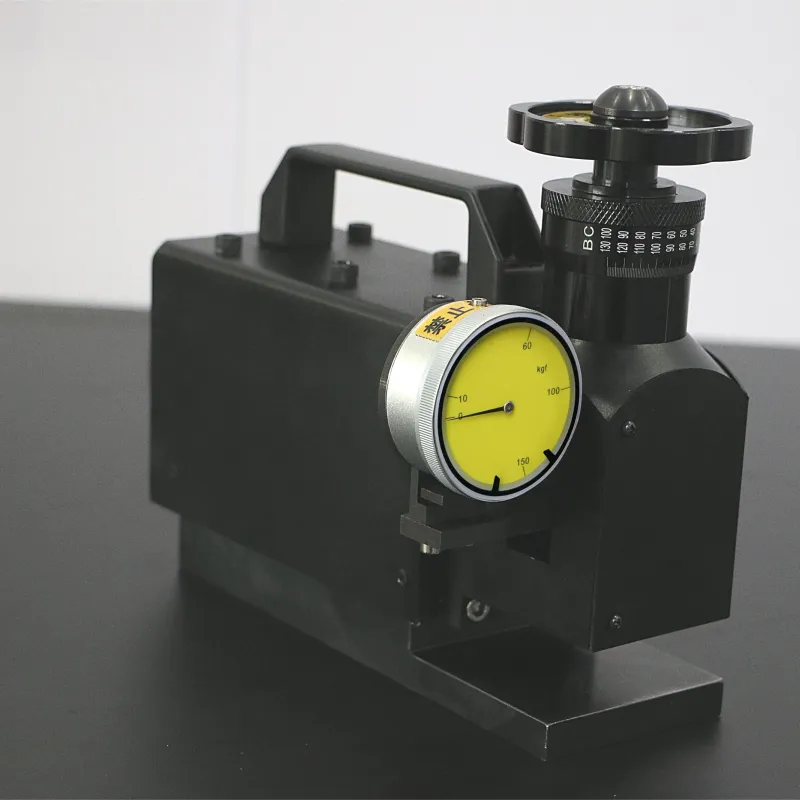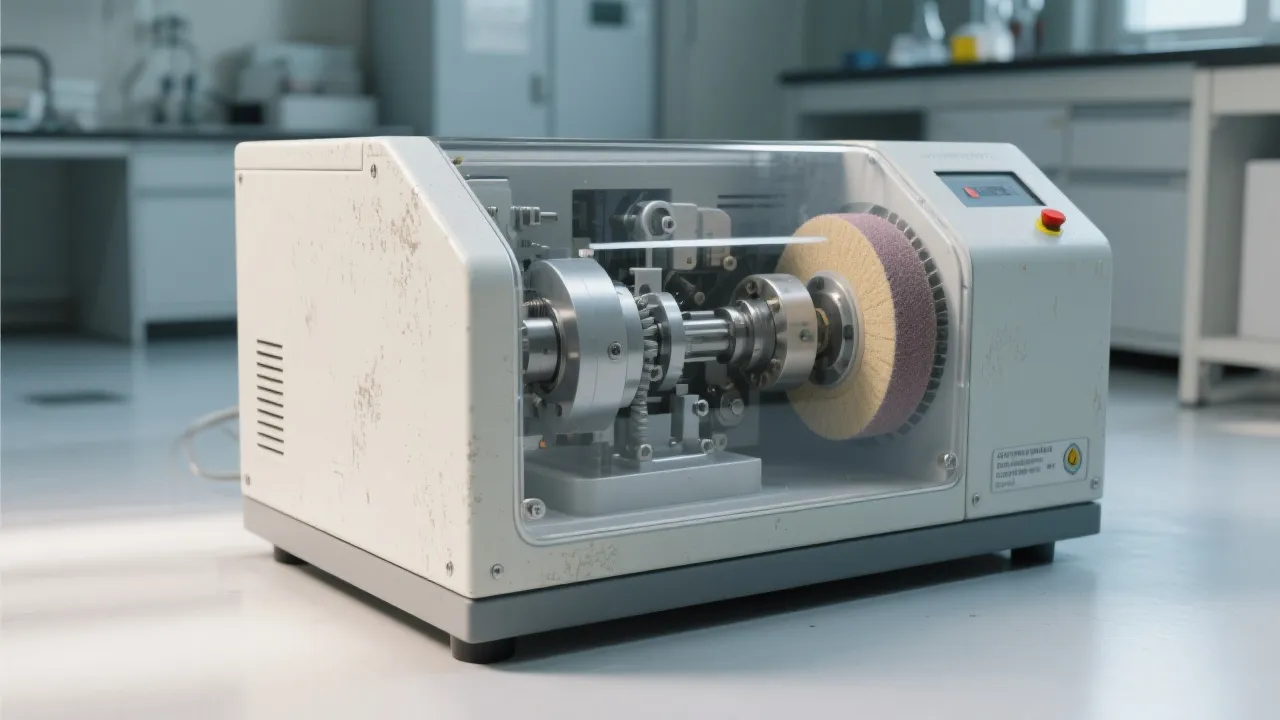
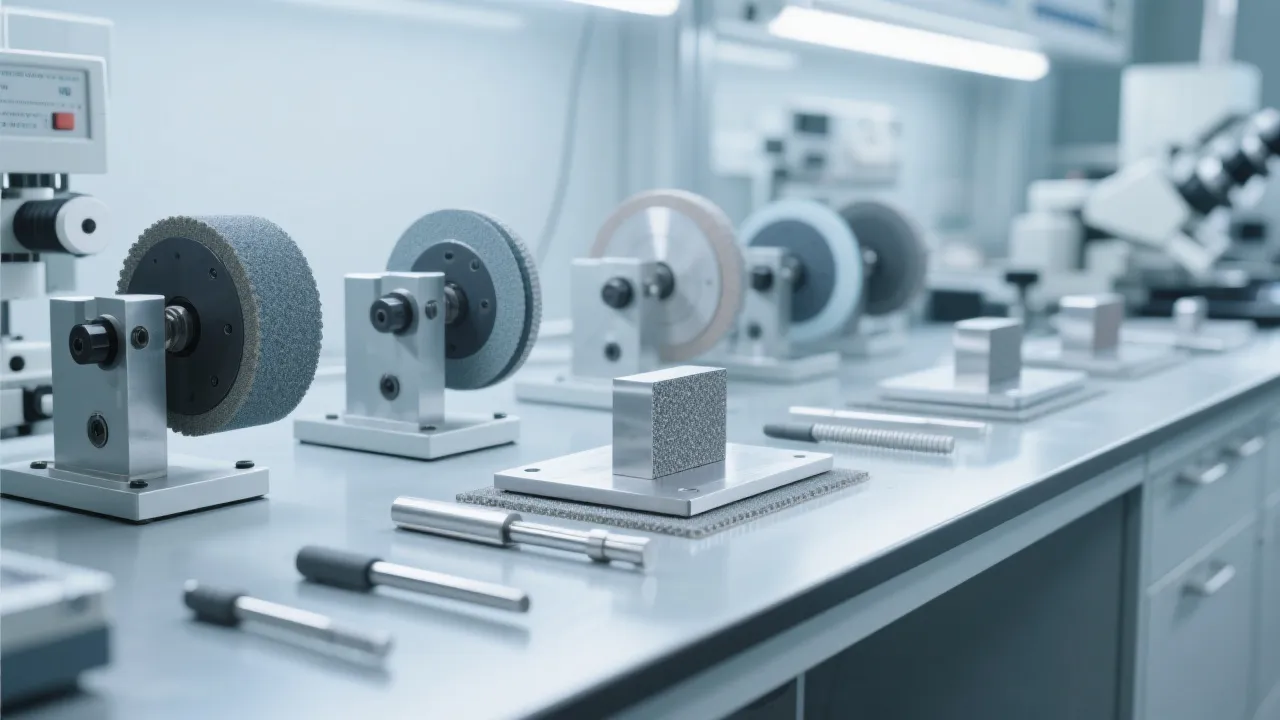
In 2024, the maintenance of industrial laboratory metallographic pre - grinders has witnessed a series of new trends and updated industry standards. This article delves into the latest technical trends and industry standards for metallographic pre - grinder maintenance, with a special focus on the maintenance essentials and life - extension strategies of the M - 2 metallographic pre - grinder produced by Laizhou Jincheng Industrial Equipment Co., Ltd.
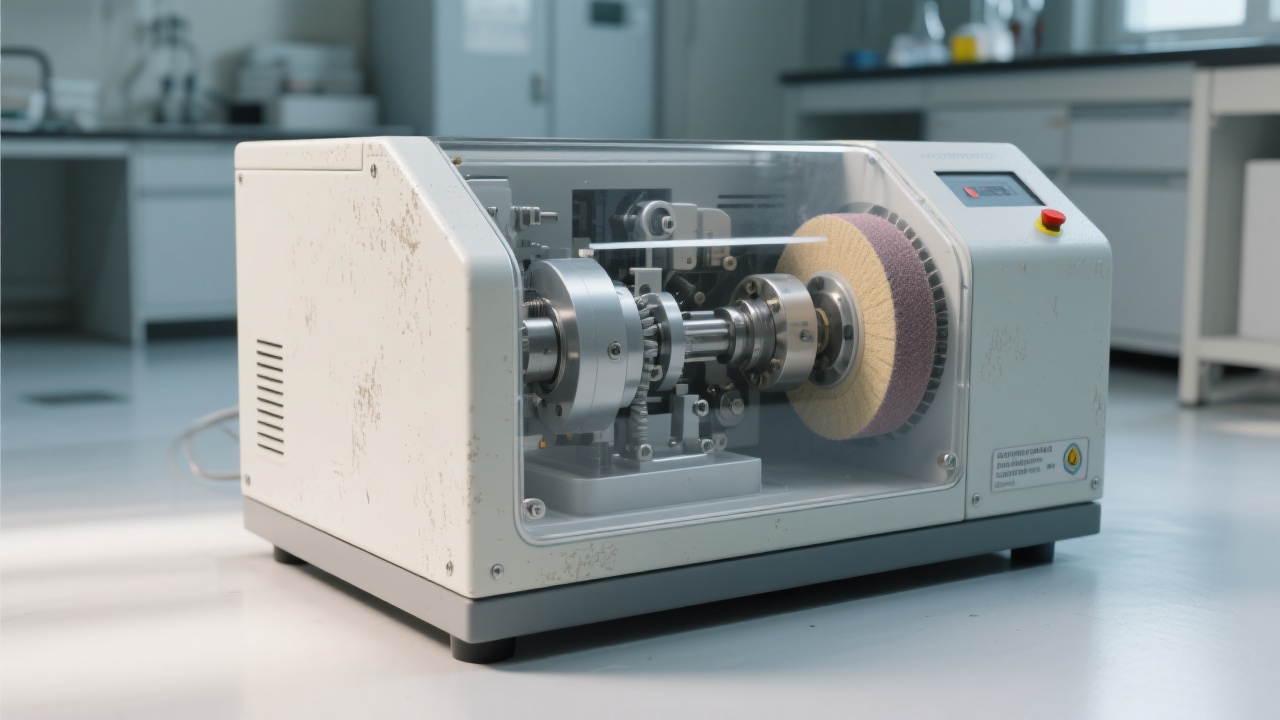
The glass fiber shell of the metallographic pre - grinder offers several advantages. It is known for its high strength, light weight, and excellent corrosion resistance. According to industry statistics, compared to traditional metal shells, glass fiber shells can reduce the overall weight of the equipment by about 20% - 30%, which not only makes the equipment easier to move but also reduces the load on the support structure. With proper maintenance, the service life of the glass fiber shell can reach more than 10 years, far exceeding that of some common materials.
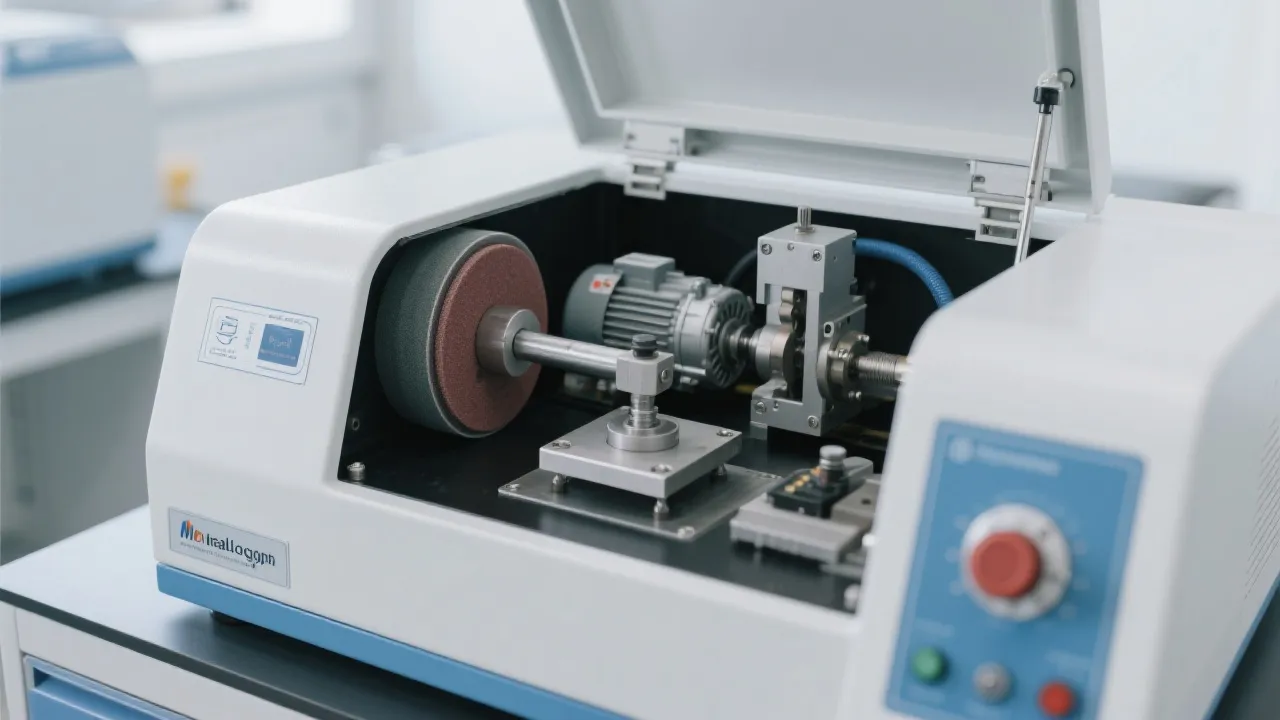
The transmission system is the core component that ensures the stable operation of the metallographic pre - grinder. Regular lubrication and inspection are essential. It is recommended to lubricate the transmission parts every 200 - 300 working hours. By using high - quality lubricants, the friction coefficient can be reduced by about 10% - 15%, which helps to maintain a stable rotation speed. In addition, checking the tightness of the transmission belt every month can effectively prevent belt slippage and ensure the normal operation of the equipment.
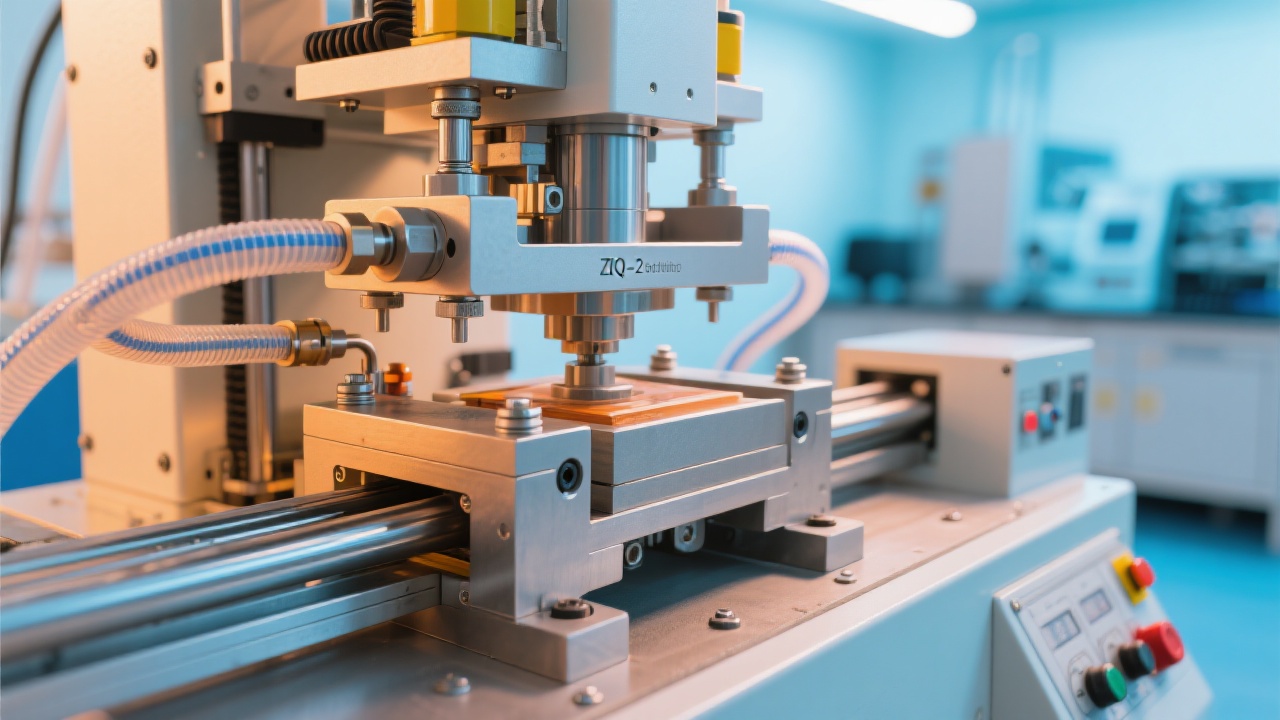
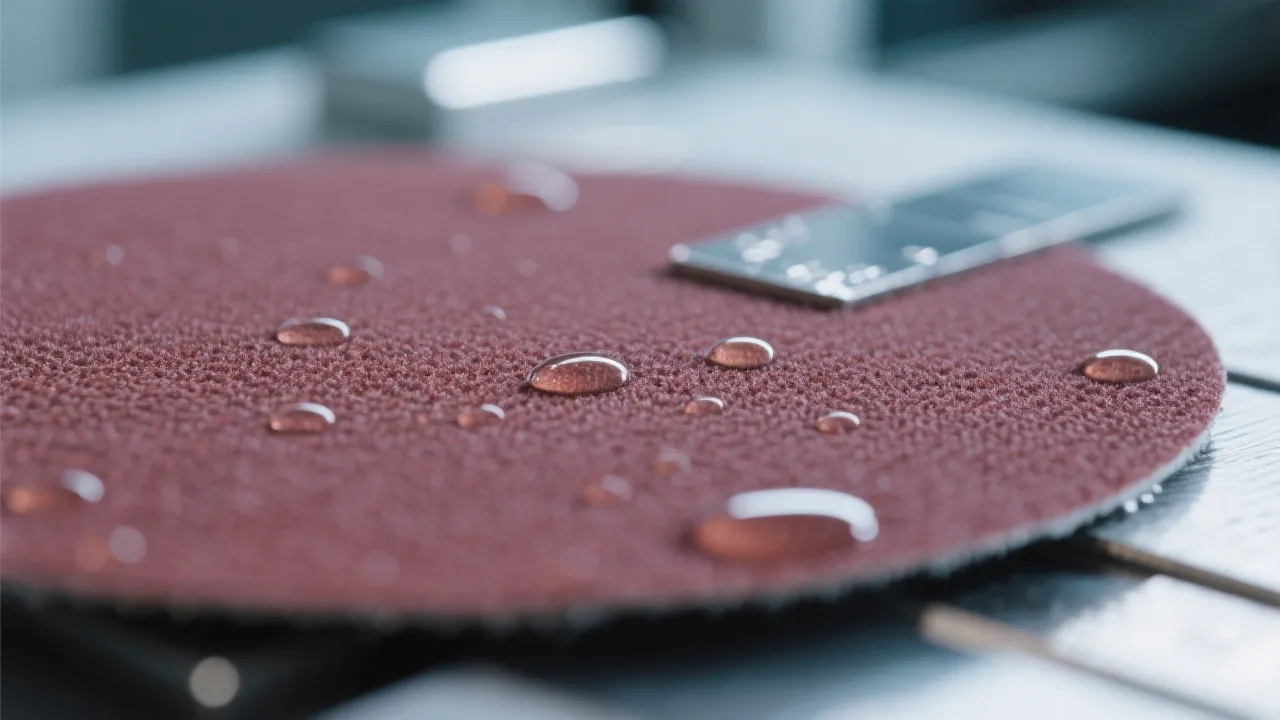
The cleanliness of the grinding disc directly affects the grinding accuracy of the metallographic pre - grinder. A high - frequency cleaning cycle is required. It is advisable to clean the grinding disc after every 10 - 15 grinding operations. Using a special cleaning agent can effectively remove dust and debris, preventing them from accumulating and affecting the flatness and roughness of the grinding surface. According to industry experience, regular cleaning can improve the grinding accuracy by about 5% - 10%.
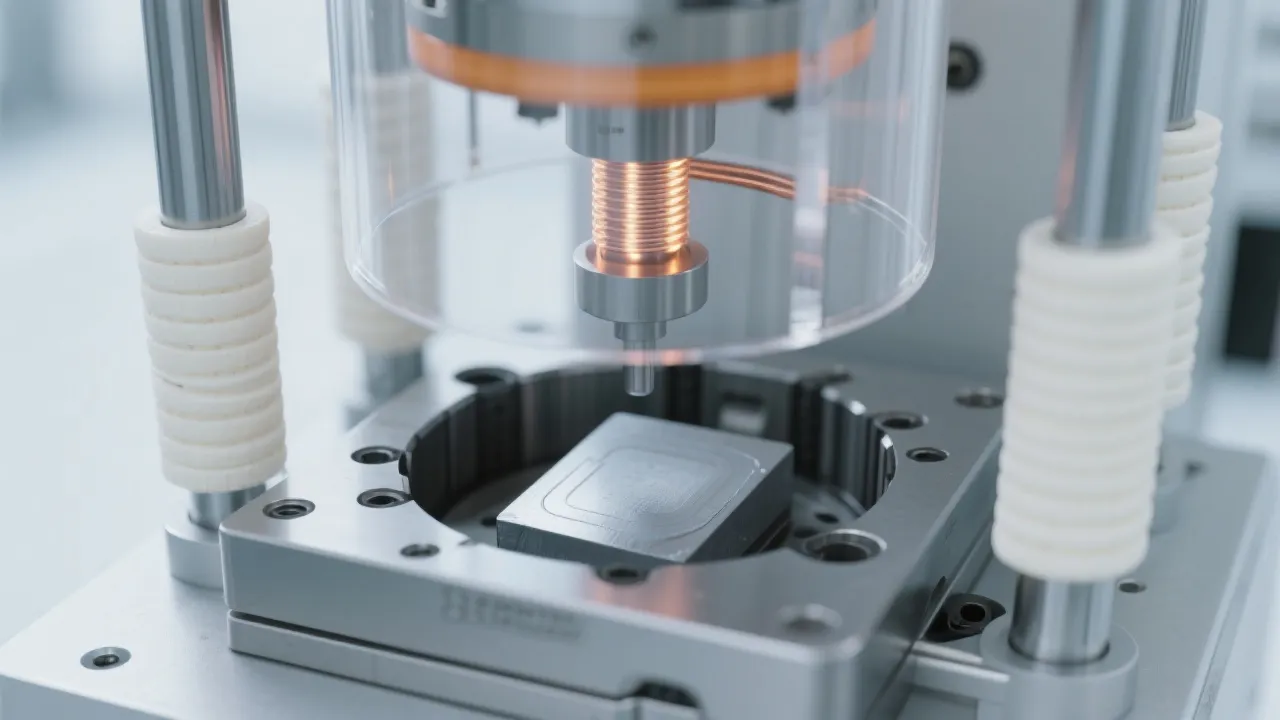
The motor is the power source of the metallographic pre - grinder, and overheating can cause serious damage. Therefore, continuous monitoring of the motor temperature is necessary. Installing a temperature sensor can accurately monitor the motor temperature in real - time. When the temperature exceeds 60°C, an alarm should be issued, and the equipment should be shut down for inspection. Regularly cleaning the motor cooling fins and ensuring good ventilation can reduce the probability of overheating by about 30% - 40%.
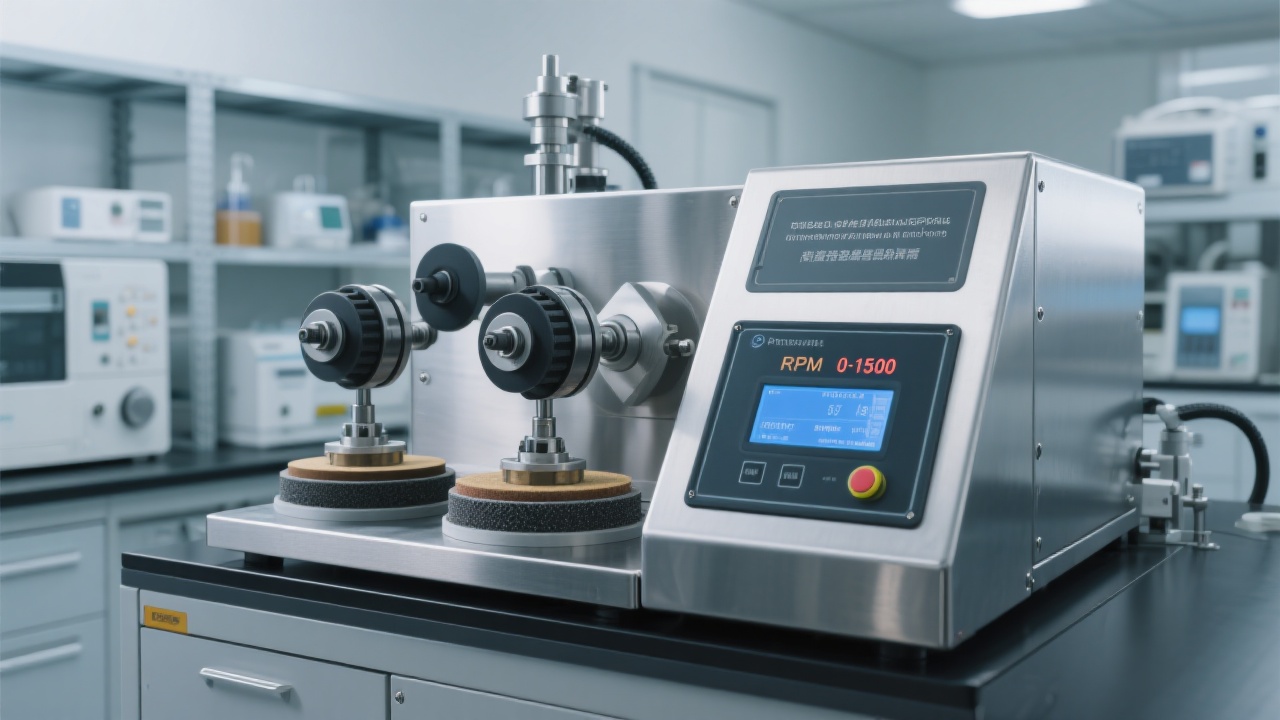
In the operation of the metallographic pre - grinder, some common faults may occur, such as abnormal noise, unstable rotation speed, and poor grinding effect. By analyzing industry cases, it is found that about 70% of the abnormal noise is caused by loose parts. Tightening the relevant parts can often solve the problem. For unstable rotation speed, checking the power supply and the control circuit is usually the first step. With the right repair techniques, the average fault repair time can be reduced to within 2 - 3 hours.
Based on industry best practices, establishing a standardized inspection form can ensure that all maintenance points are covered. The inspection form should include items such as shell inspection, transmission system lubrication, grinding disc cleaning, and motor temperature monitoring. Implementing a preventive maintenance system can reduce equipment downtime by about 40% - 50%, improve equipment utilization, and ensure the consistency of test data.
In conclusion, proper maintenance of metallographic pre - grinders is crucial for industrial laboratories. By following the latest technical trends and industry standards, laboratory managers can effectively extend the service life of equipment and improve work efficiency. Learn more about Laizhou Jincheng's metallographic pre - grinder solutions and enhance your laboratory equipment management!
 357
|
357
|
 manual metallographic cutting machine
metallographic sample preparation
scientific research equipment
metallography consumables
sample cutting technology
421
|
Industrial-grade indenter accessories installation
Equipment commissioning tutorial
Indenter installation precautions
Industrial equipment maintenance
Precision CNC machining accessories
110
|
metallographic mounting quality
ASTM E3-11 standard
ISO 3189 compliance
mounting defect detection
ZXQ-2 precision mounting machine
463
|
Brinell hardness tester daily maintenance
high - precision hardness tester maintenance
automatic loading hardness tester calibration
hardness tester fault prevention
equipment operation and maintenance guide
185
|
metal microstructure analysis
ASTM E3 standard
ISO 14104
microscopy best practices
laboratory intercomparison
manual metallographic cutting machine
metallographic sample preparation
scientific research equipment
metallography consumables
sample cutting technology
421
|
Industrial-grade indenter accessories installation
Equipment commissioning tutorial
Indenter installation precautions
Industrial equipment maintenance
Precision CNC machining accessories
110
|
metallographic mounting quality
ASTM E3-11 standard
ISO 3189 compliance
mounting defect detection
ZXQ-2 precision mounting machine
463
|
Brinell hardness tester daily maintenance
high - precision hardness tester maintenance
automatic loading hardness tester calibration
hardness tester fault prevention
equipment operation and maintenance guide
185
|
metal microstructure analysis
ASTM E3 standard
ISO 14104
microscopy best practices
laboratory intercomparison





Hardness-TesterHV-1000-1.jpg?x-oss-process=image/resize,m_fill,h_800,w_800/format,webp)